 Vietnamnet.vn

 Podcast



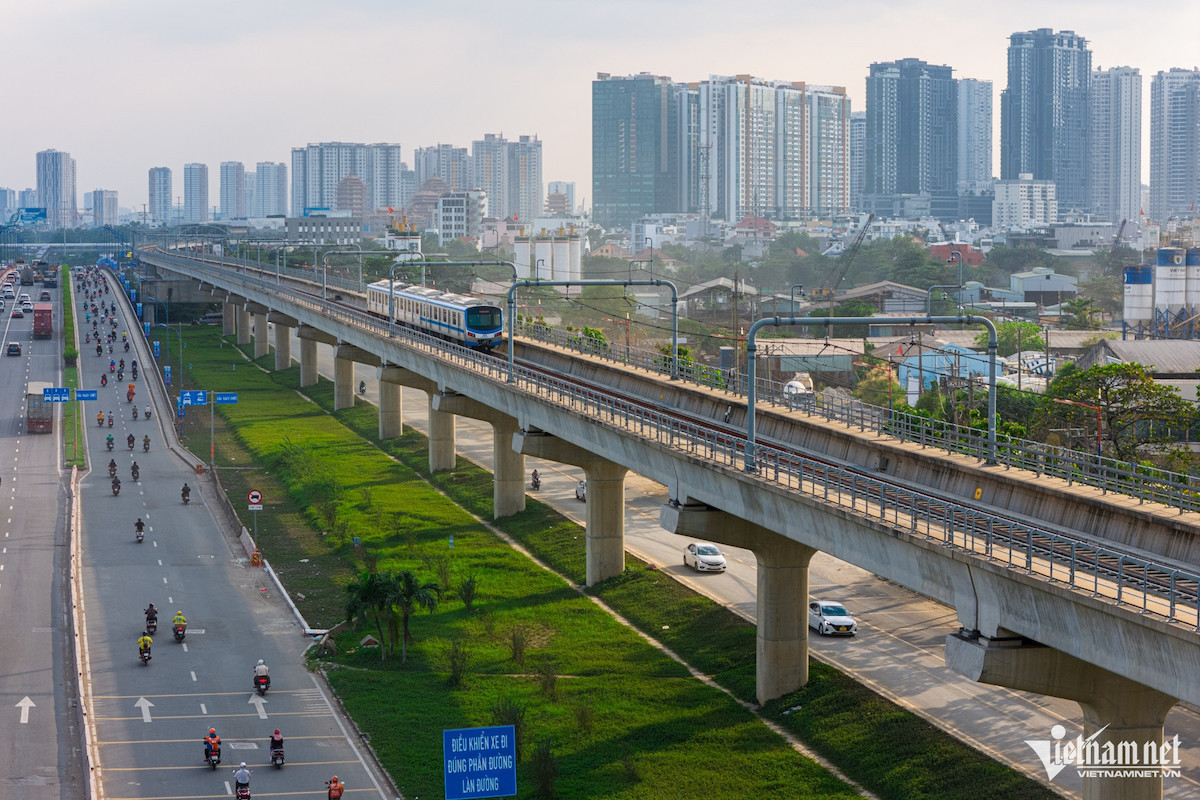
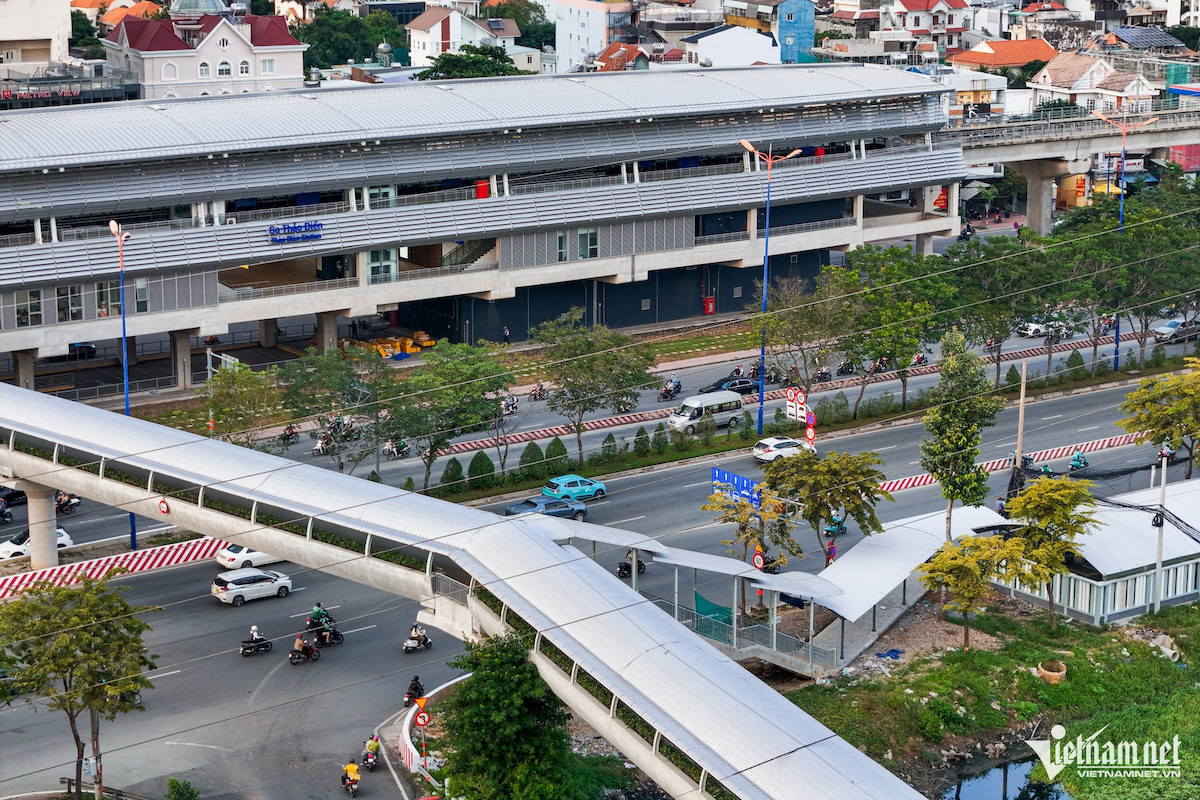
One private investor recalled buying a one-bedroom, 50m² apartment in 2020 in a project on Vo Nguyen Giap Street, An Khanh Ward, for VND 5 billion (approx. USD 210,000).
Today, similar units are being traded for over VND 9 billion (approx. USD 378,000, or VND 185 million/m²), nearly double the original purchase price.
New developments along the metro line are experiencing similar spikes.
For instance, a residential project near the new Mien Dong Bus Station launched two years ago with starting prices of VND 68–70 million/m².
Today, the average resale price has climbed to VND 100 million/m² (approx. USD 4,200/m²).
Over 40 residential projects and counting
Statistics show that more than 40 condominium developments lie within the Metro Line 1 corridor.
Most are positioned in the high-end to luxury segments, with prices climbing sharply the closer the project is to central HCMC.
Several properties have doubled or tripled in value since their initial launch and show no signs of slowing.
For example, units at Estella Heights, originally priced at VND 35–38 million/m², now exceed VND 120 million/m².
At Gateway Thao Dien, launched in 2015 for VND 40 million/m², resale prices have climbed to nearly VND 140 million/m².
The Q2 Thao Dien project, introduced in 2018 at VND 60 million/m², is now trading at up to VND 200 million/m² (approx. USD 8,400/m²).
TOD model reshapes urban real estate
Ho Chi Minh City has been actively adopting the Transit-Oriented Development (TOD) model - an urban planning strategy that promotes high-density, mixed-use communities around public transit hubs.
According to Vo Huynh Tuan Kiet, Director of Residential Marketing at CBRE Vietnam, real estate values surrounding Metro Line 1 have increased by 50% to 200%, consistent with trends seen in other global cities.
He emphasized that the core principle of TOD is to maximize land value around transit nodes, encourage public transportation usage, and foster vibrant urban communities.
As a result, property markets are shifting toward TOD-influenced areas, where projects command higher value than their counterparts elsewhere.
Anh Phuong
.svg)
