 Vietnamnet.vn

 Podcast



Minister of Ethnic and Religious Affairs Nguyen Dinh Khang on Monday led a working delegation to Khanh Hoa Province to review implementation of the National Target Programme for socio-economic development in ethnic minority and mountainous areas during the 2021-2025 period.
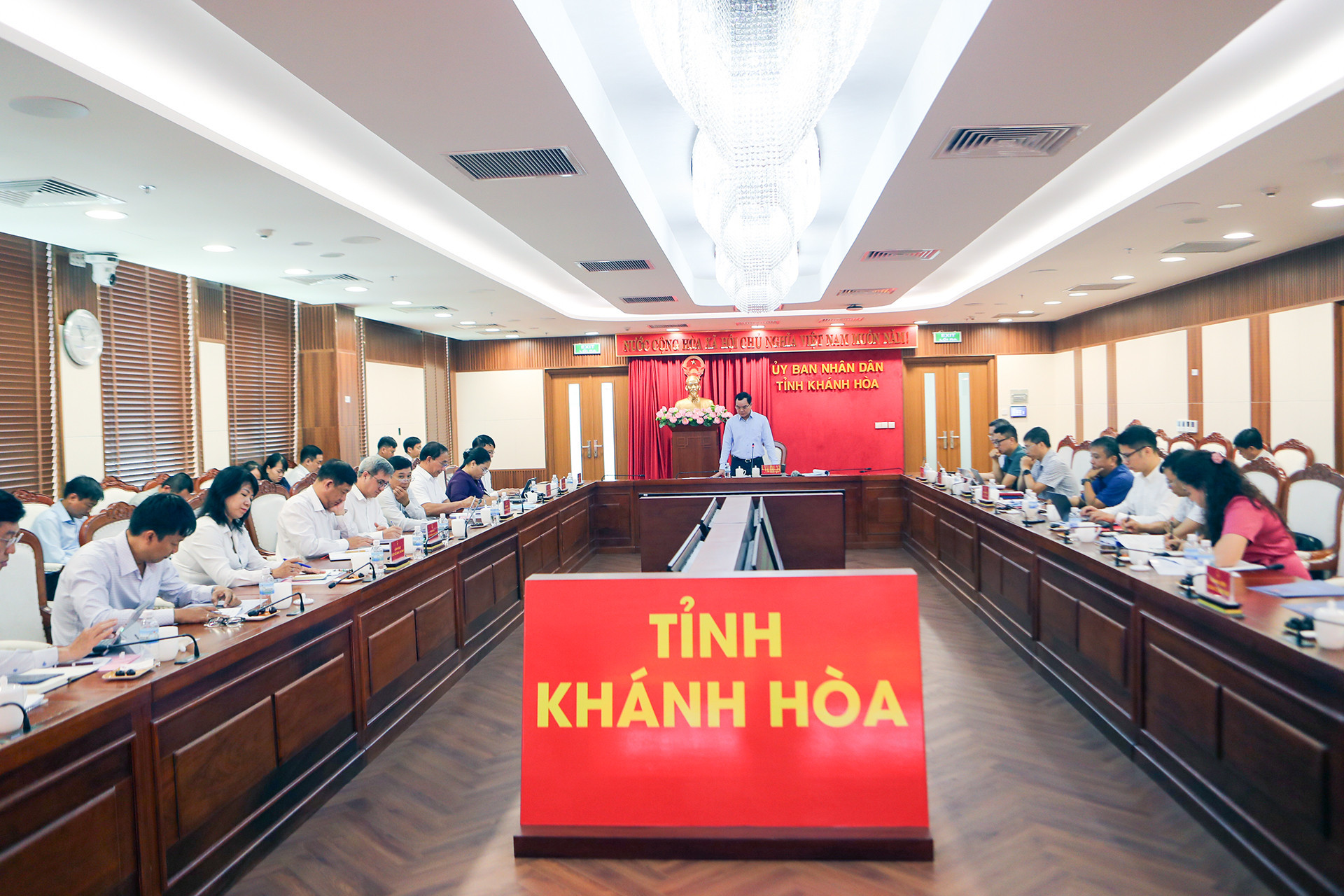
The meeting was attended by Quang Van Huong, Vice Chairman of the National Assembly's Council for Ethnic Affairs, representatives of ministries and central agencies, as well as Khanh Hoa provincial leaders, including Vice Chairmen of the Provincial People's Committee Nguyen Viet Hung and Nguyen Thanh Ha, and Director of the provincial Department of Ethnic and Religious Affairs Chamalea Thi Thuy.
Khanh Hoa is home to 34 ethnic minority groups with more than 266,000 people, accounting for nearly 12% of the province's population. Ethnic minority and mountainous areas comprise 28 communes and wards and 224 villages.
By the end of 2025, the province recorded 5,169 poor households, representing 0.92% of all households. Of these, 3,095 belonged to ethnic minority communities.
During the 2021-2025 period, Khanh Hoa met or exceeded most targets set out in National Assembly Resolution 88. Average annual income among ethnic minority residents increased 2.14 times compared with 2020, reaching approximately VND34 million (about US$1,300) per person. The poverty rate among ethnic minority households declined by an average of 6% each year.
Essential infrastructure in ethnic minority areas also continued to improve. All communes are now connected to paved or concrete roads, schools and health stations have been built with permanent structures, and all poor ethnic minority households have received housing support.
In addition, 99.94% of households have access to the national power grid or other suitable electricity sources, while 99.66% have access to hygienic water supplies.
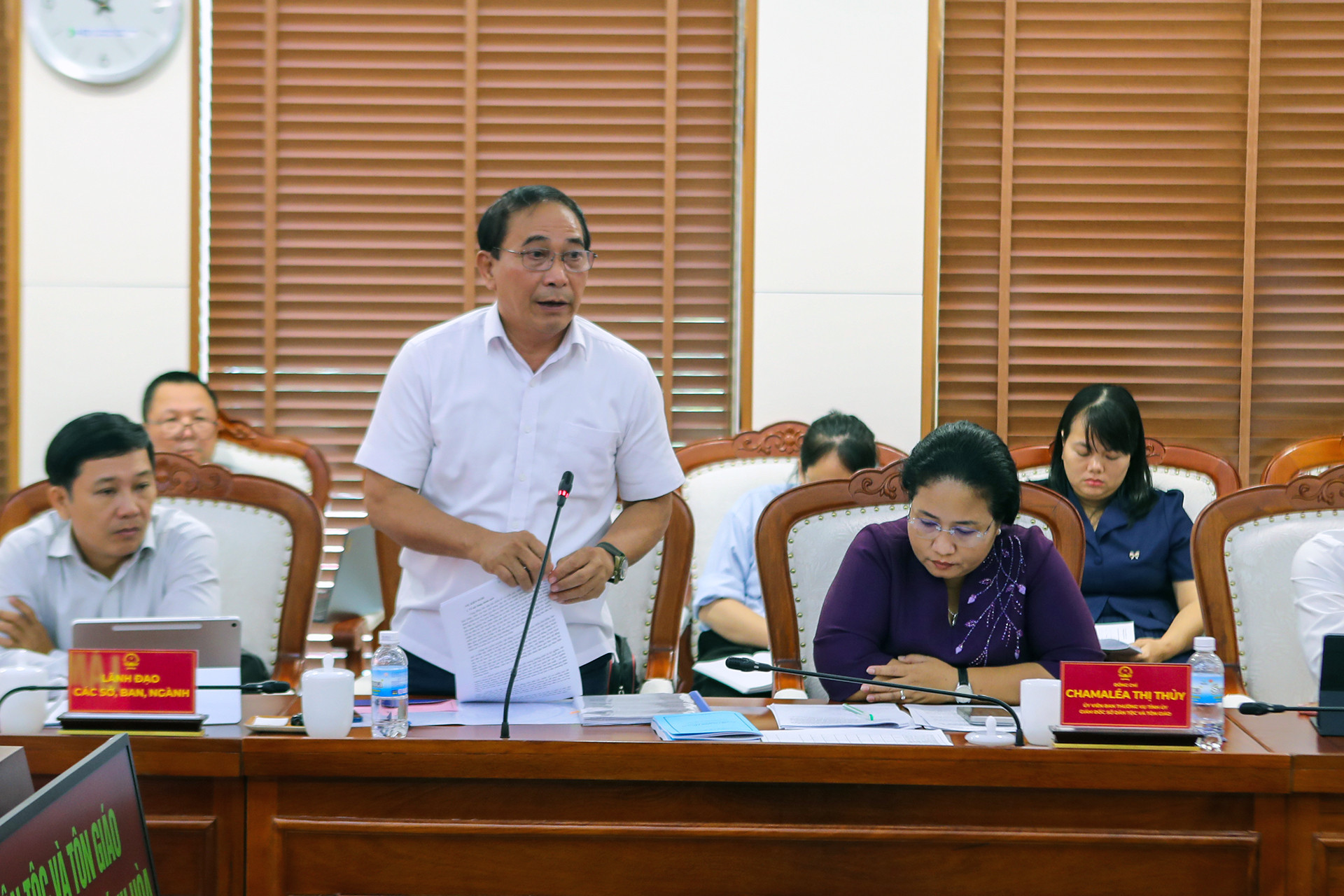
Despite these achievements, provincial authorities acknowledged that socio-economic infrastructure in ethnic minority and mountainous areas remains insufficient to drive stronger development. Living standards remain difficult for some communities, local potential has yet to be fully realised, and access to public services and social amenities remains limited.
For the 2026-2030 phase of National Target Programme 417, Khanh Hoa plans to invest in 14 rural electricity projects, 44 centralised clean water systems and 548 transport projects. The province also intends to provide housing and residential land support for 1,200 households while implementing resettlement and landslide prevention projects.
The total projected investment is nearly VND4.1 trillion (about US$157 million). Khanh Hoa also aims to fully disburse all remaining funding carried over from the 2021-2025 programme this year.
The provincial government proposed that the Ministry of Ethnic and Religious Affairs report to the Government on completing preferential policies related to land, credit and investment incentives to attract businesses to ethnic minority and mountainous areas.
The province also requested additional funding for essential infrastructure, regulations on housing and residential land support, and clearer implementation guidelines.
Focus on remaining challenges
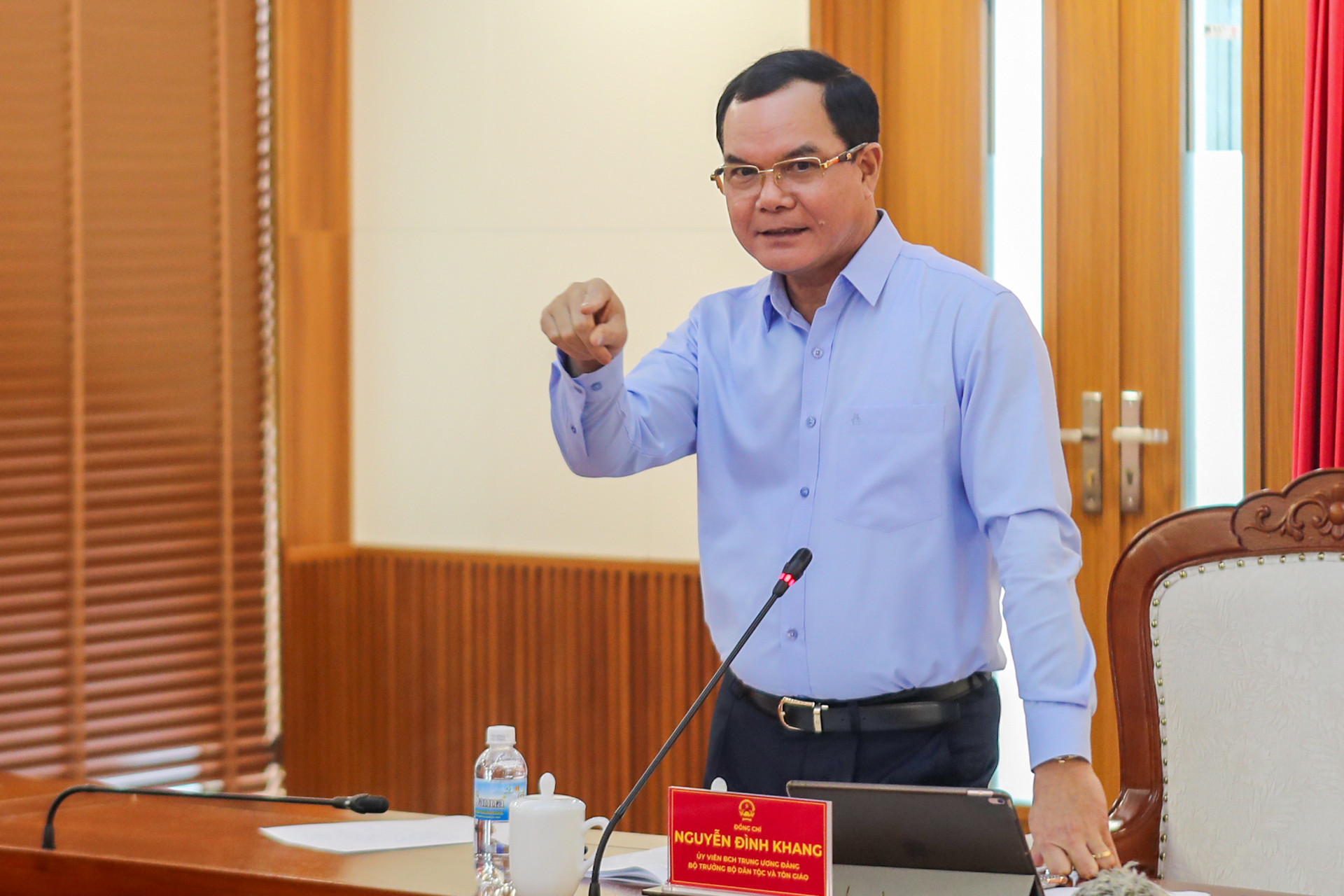
In his concluding remarks, Minister Nguyen Dinh Khang commended Khanh Hoa for proactively implementing national target programmes through timely planning, clear task allocation, sufficient counterpart funding and notable achievements in poverty reduction, infrastructure development and improving living standards for ethnic minority communities.
However, he urged the province to improve weaker indicators, particularly the number of communes and villages graduating from extremely disadvantaged status, health insurance coverage, housing and clean water support, and sustainable livelihood development.
He also called on the province to review and standardise data on communes, villages and beneficiary households following administrative restructuring, introduce community investment supervision plans and accelerate the digitisation of programme records.
The minister further recommended assigning qualified professional units to manage and operate completed infrastructure projects to ensure long-term efficiency and sustainability.
For the 2026-2030 phase of National Target Programme 417, Nguyen Dinh Khang urged Khanh Hoa to promptly consolidate its steering committee, issue implementation plans for both the five-year period and 2026, and establish a list of priority projects, counterpart funding arrangements and coordination mechanisms involving provincial departments and commune-level authorities.
He stressed the need for stronger inspection and supervision to ensure programme resources are used effectively and reach the intended beneficiaries.
Digital transformation in ethnic and religious affairs was another key priority highlighted by the minister. He instructed the provincial authorities to prepare personnel and data systems for implementation once ministry guidance is issued.
The ministry is currently developing two national databases covering ethnic affairs and religious affairs. After July 15, local authorities are expected to begin updating information using a unified framework, supported by training on reporting templates and data entry procedures.
Nguyen Dinh Khang noted that the ethnic affairs database would be extensive and serve policymaking, programme evaluation and long-term planning. Administrative service data will be prioritised during the initial phase.
Regarding Khanh Hoa's recommendations, the minister said some issues had already been addressed during the meeting, while the remaining proposals would be consolidated and reported to the Government in coordination with relevant ministries to facilitate implementation of National Target Programme 417.
Xuan Ngoc
.svg)
