 Vietnamnet.vn

 Podcast



The Ministry of Ethnic and Religious Affairs is accelerating institutional reforms and digital transformation, moving ahead with legal revisions, AI applications, and nationwide databases while setting ambitious priorities for the months ahead.
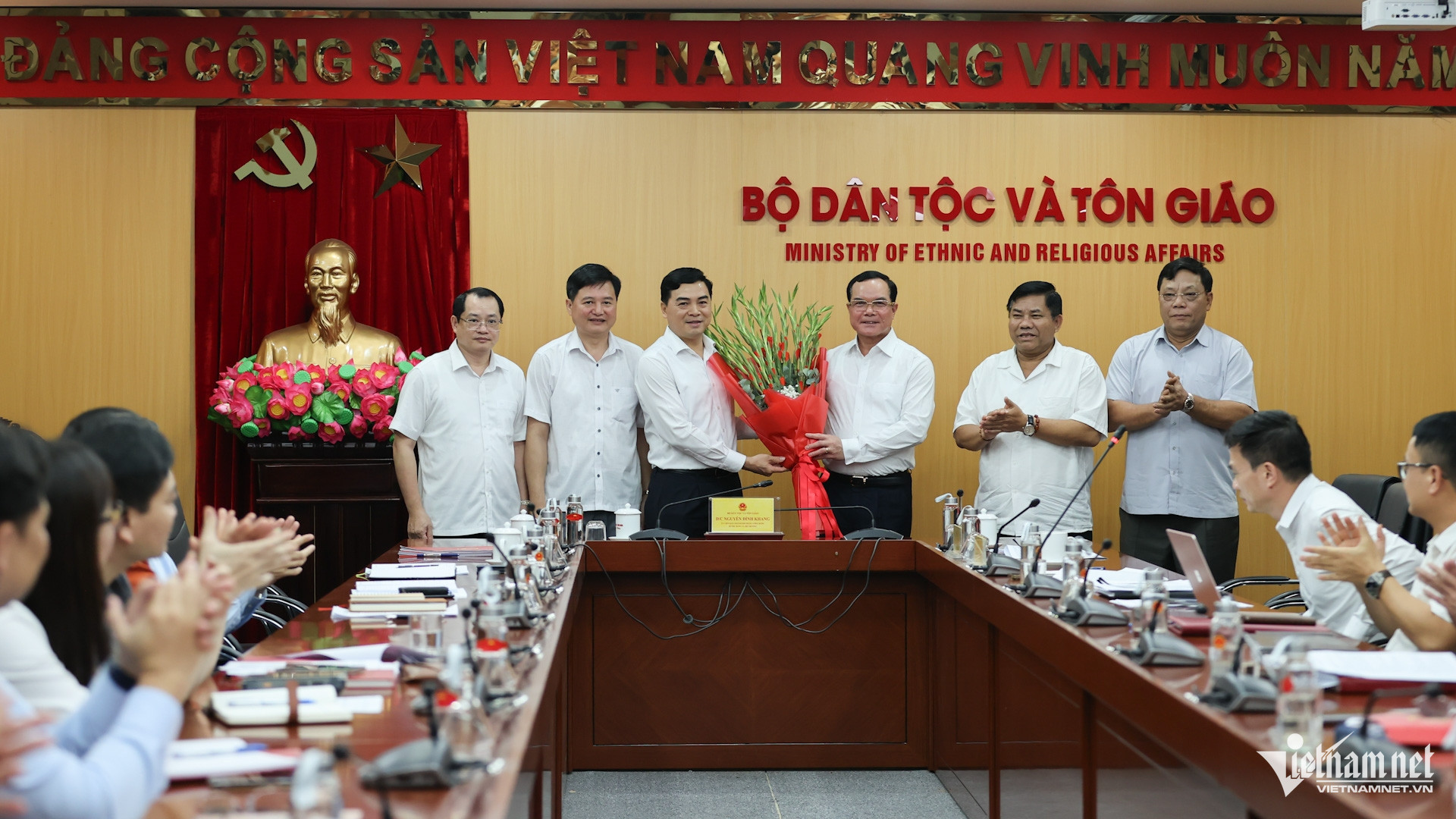
Minister Nguyen Dinh Khang chaired the ministry's monthly leadership meeting on July 29 to review progress made in July and outline key priorities for August 2026.
The meeting was attended by Standing Deputy Minister Nguyen Hoai Anh, Deputy Ministers Nong Thi Ha, Nguyen Hai Trung, and Y Thong, along with leaders of departments, affiliated agencies, and specialized educational institutions.
Legal reforms move ahead
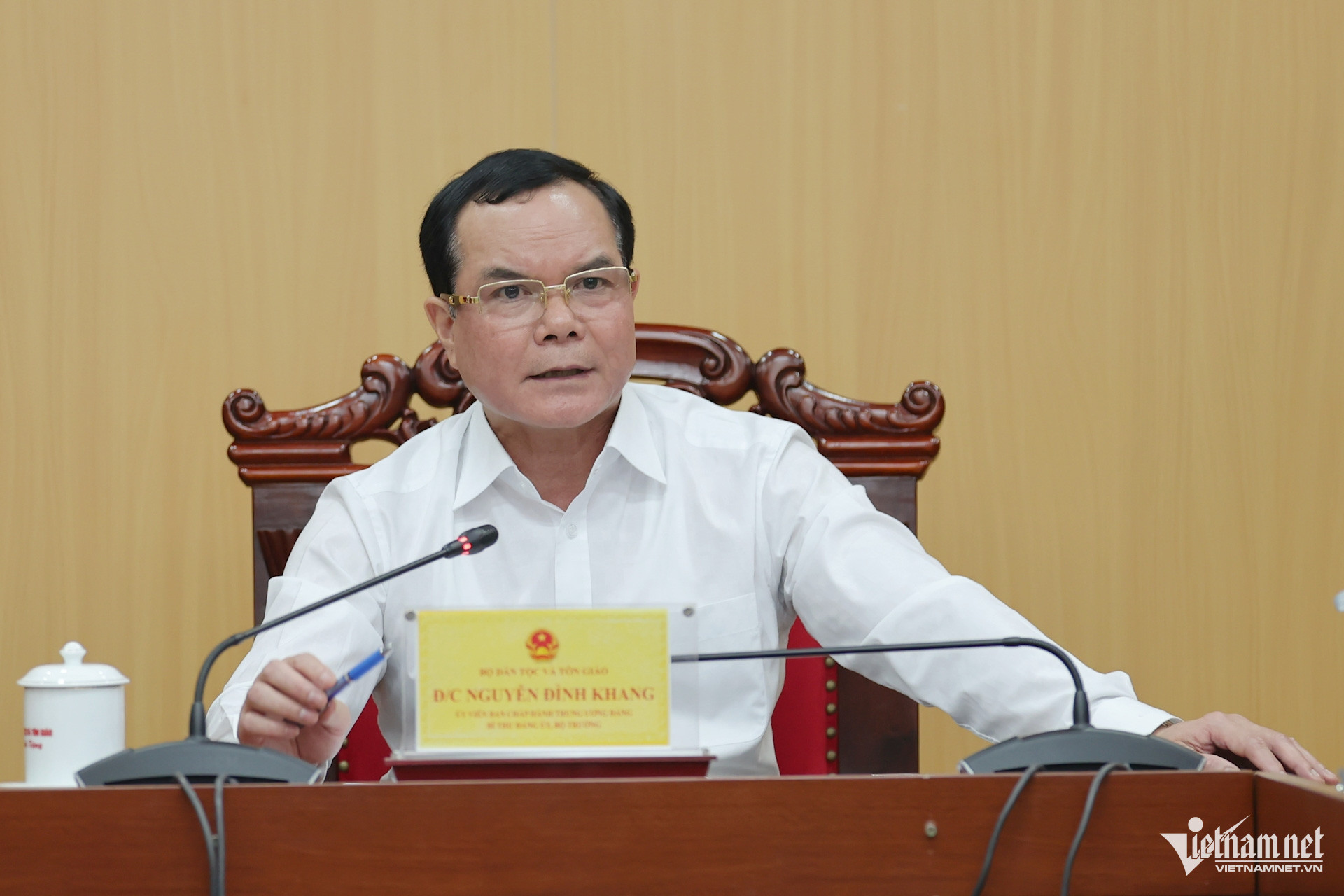
According to a summary presented at the meeting, the ministry completed a substantial workload in July in line with directives from the Party Central Committee and the government.
A major milestone was the issuance of Decree No. 297/2026/ND-CP on July 24, defining the ministry's functions, responsibilities, powers, and organizational structure.
The ministry has also accelerated the drafting of legal documents.
Its Legal Affairs Department completed a preliminary review of more than 700 legal documents related to ethnic and religious affairs. A draft decree replacing Decree No. 05 and Decree No. 127 on ethnic affairs has already been circulated for consultation among ministries and agencies and is expected to be submitted to the government by the end of September - one month ahead of schedule.
Meanwhile, the Department of Organization and Personnel finalized the first phase of functional regulations for 19 affiliated units, introduced a ministry-wide KPI evaluation framework for state management agencies, and issued new internal operating regulations.
Digital transformation gains momentum

Digital transformation remained a major focus during July.
The ministry tested an AI platform designed to support public administration, trained more than 1,000 officials in digital skills, and continued its 100-day campaign to build two specialized national databases covering ethnic affairs and religious affairs.
Training on the ethnic affairs database has been completed in 34 provinces and centrally governed cities, while training for the religious affairs database has reached 12 localities, involving around 850 participants.
The ministry also announced that all 58 administrative procedures under its authority are now fully prepared for online public service delivery.
Local implementation challenges remain
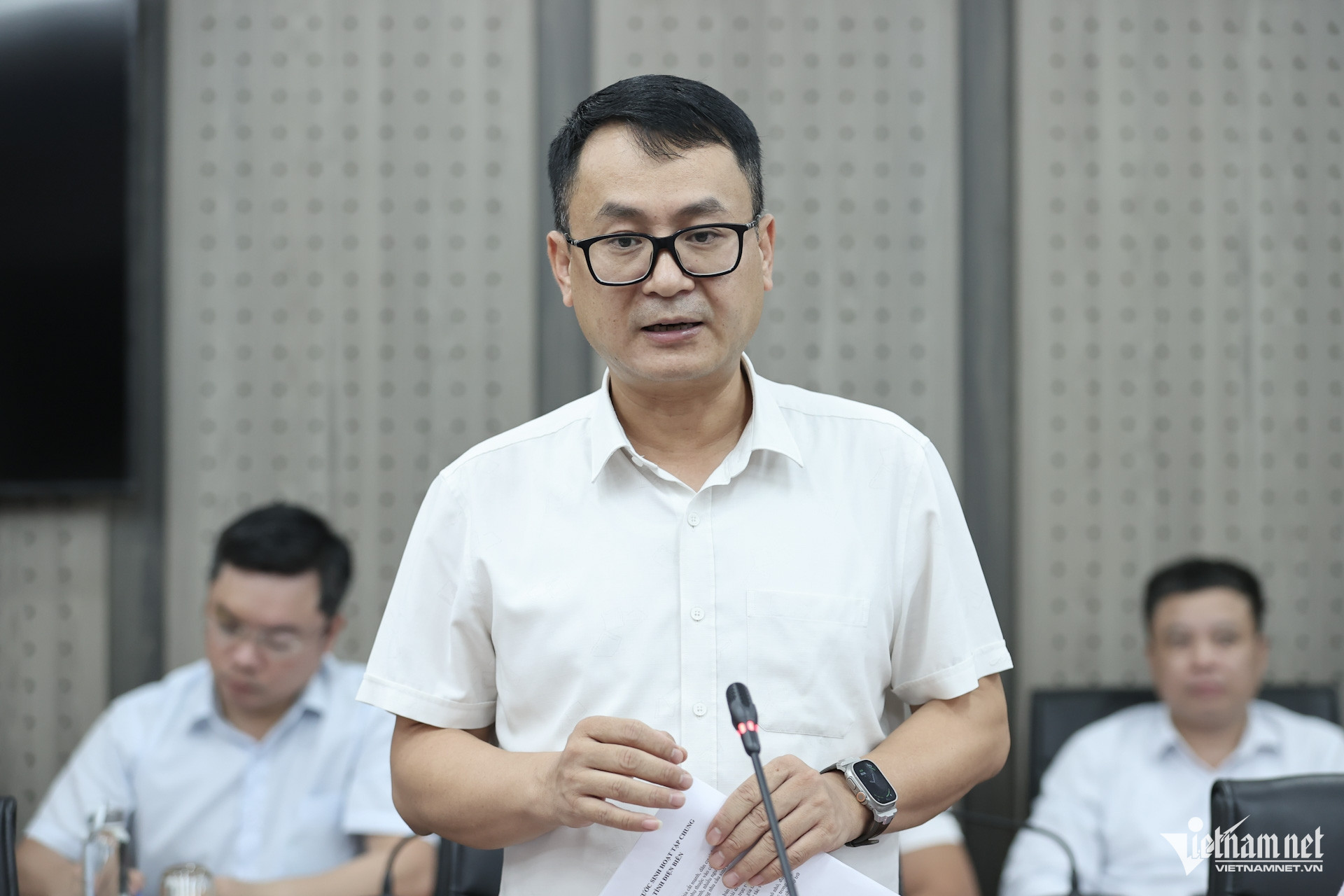
Despite the progress, officials acknowledged a number of implementation challenges.
Reports compiled by the National Office for Ethnic and Mountainous Affairs following inter-agency inspections of national target programs highlighted financial and administrative difficulties in several provinces.
Local authorities in Thanh Hoa, Cao Bang, Lao Cai, Khanh Hoa, and Lam Dong, among others, reported difficulties in providing the required counterpart funding for centrally funded development programs.
Some infrastructure projects transferred to commune-level authorities are also facing operational challenges because of shortages of qualified personnel and maintenance funding, raising concerns over long-term sustainability.
Minister calls for stronger discipline
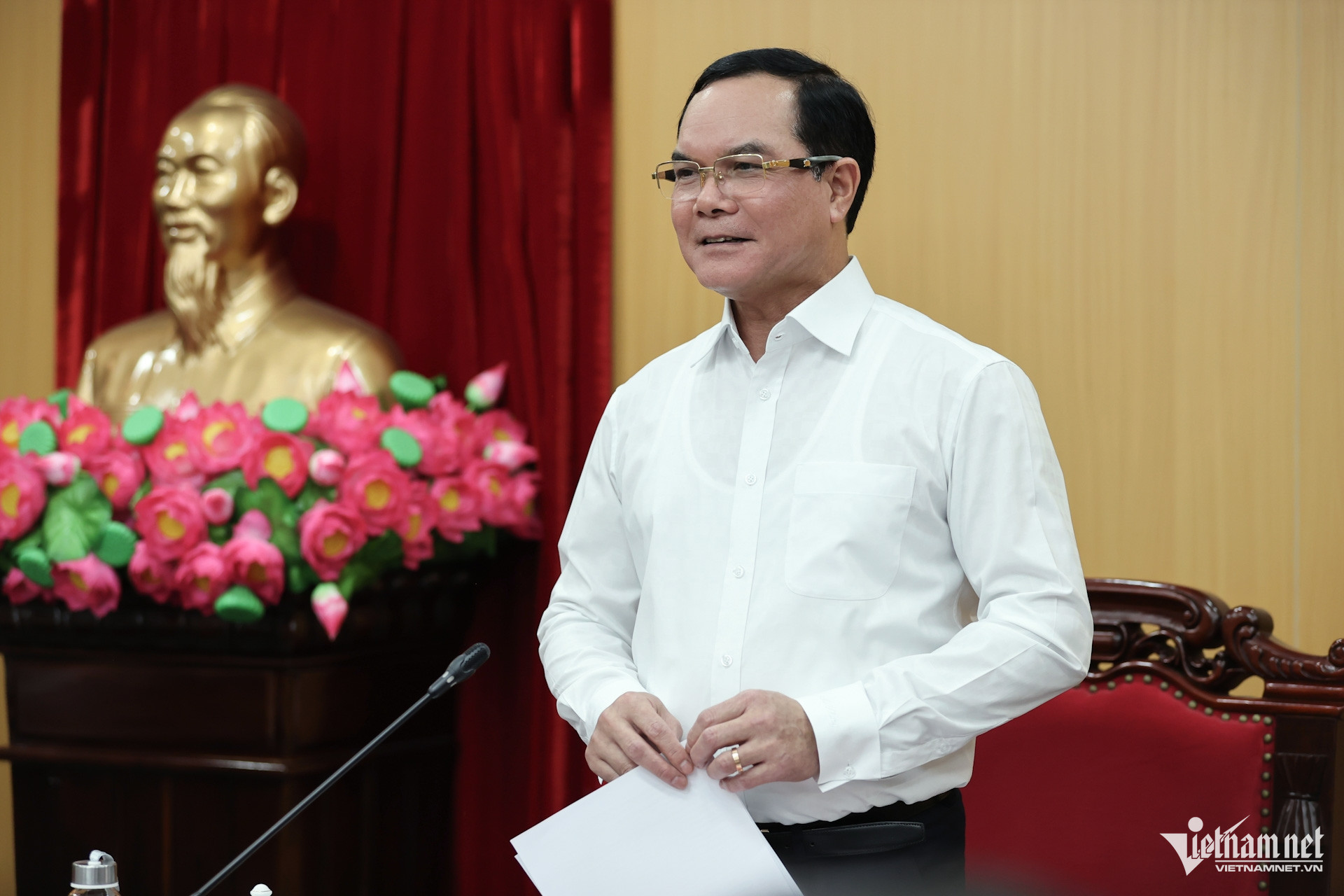
Concluding the meeting, Minister Nguyen Dinh Khang praised ministry staff for their efforts while emphasizing the need for greater accountability, faster execution, and stronger administrative discipline.
He instructed all departments to implement monthly KPI assessments more rigorously and quickly finalize organizational functions following the issuance of Decree No. 297.
The minister also assigned the Department of Organization and Personnel to work with the Ministry of Home Affairs on developing competency standards for grassroots officials responsible for ethnic and religious affairs. Practical, hands-on training programs for commune- and village-level officials are expected to begin in 2027.
August priorities
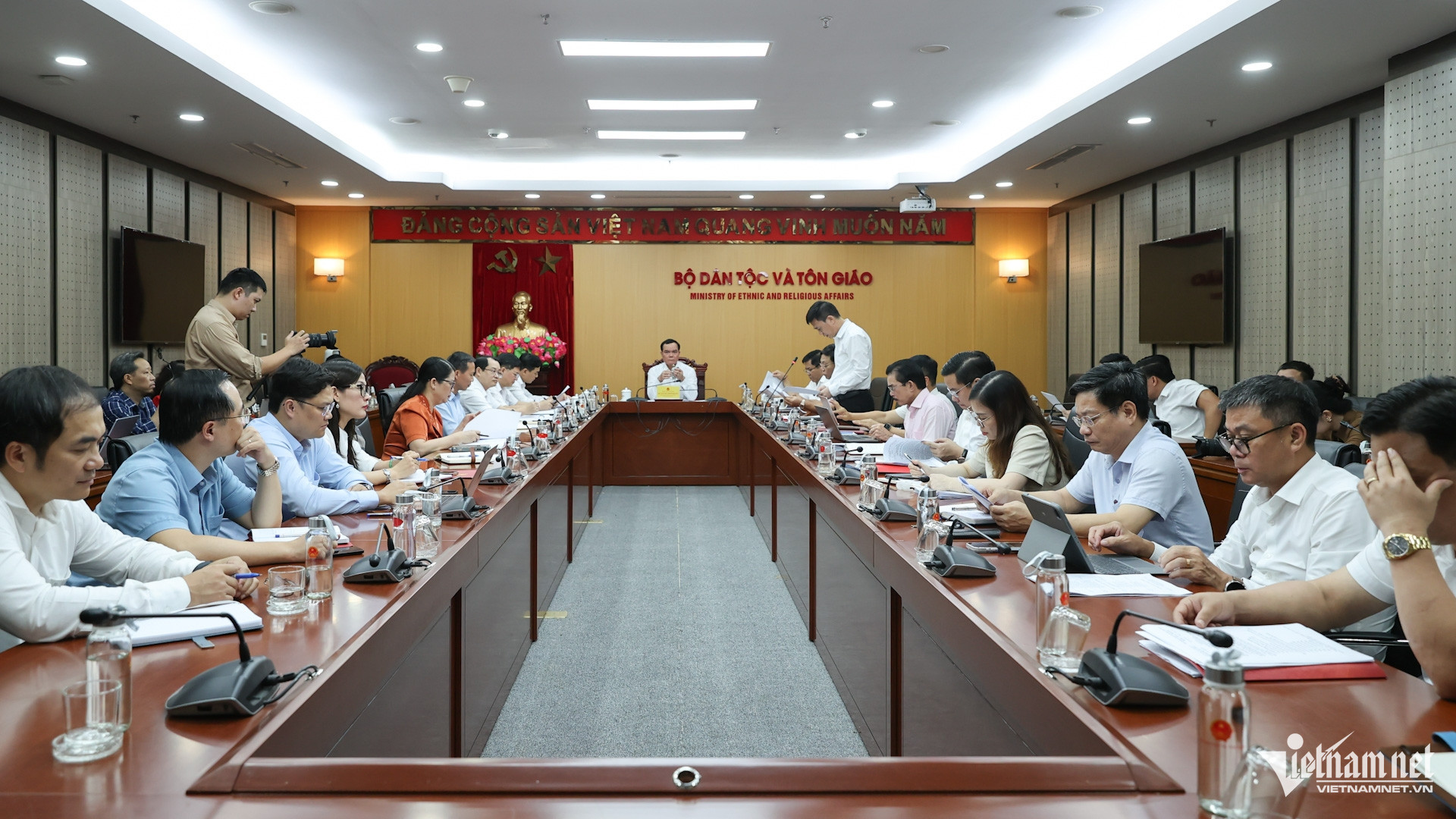
For August, the ministry outlined eight priority areas, including:
Completing one circular and finalizing documentation for three major policy proposals to be submitted to the government in September.
Accelerating the 100-day campaign to build specialized ethnic and religious databases.
Finalizing the list of public service units for government approval.
Coordinating with ministries on proposals to merge national target programs for the 2026-2030 period.
Speeding up public investment projects while replacing underperforming contractors where necessary.
Strengthening guidance to religious organizations to ensure compliance with Vietnamese law.
Expanding cooperation with Laos, Mexico, and Singapore, while implementing the International Convention on the Elimination of All Forms of Racial Discrimination (CERD) and related human rights commitments.
Increasing public communication efforts to counter misinformation and attempts to exploit ethnic and religious issues to undermine national unity.
.svg)
