 Vietnamnet.vn

 Podcast



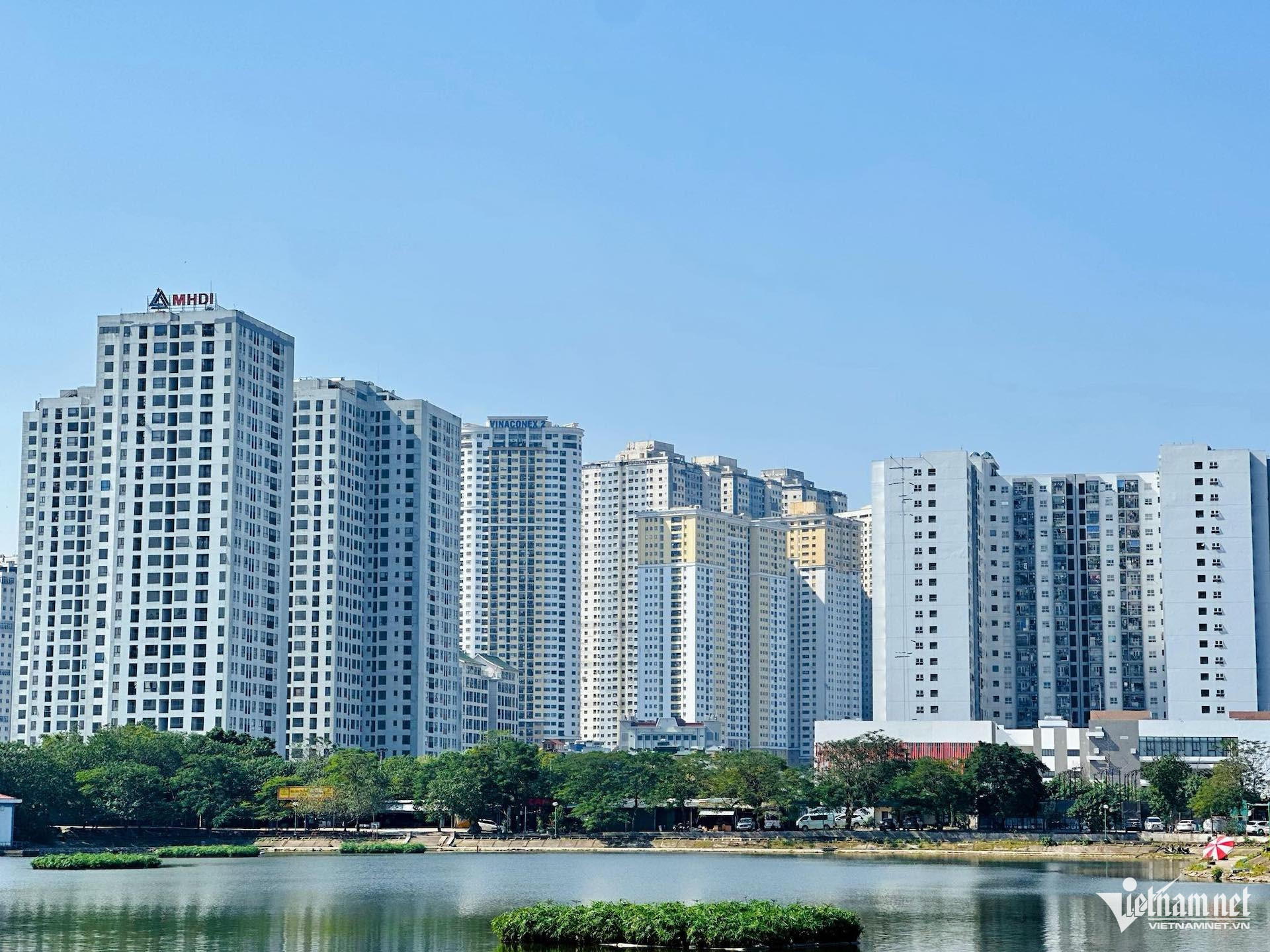
Voters in Ninh Binh Province, for example, report that current housing and real estate prices are being pushed up by speculators and brokers, making it difficult for people with genuine needs to access homes. They have called for stricter control and management of the real estate market, along with stronger incentives to encourage businesses to invest in social housing projects with prices suitable for workers and low-income earners.
Tightening brokerage management
Responding to this petition, MOC stated that in recent years the real estate market in many provinces and cities, especially in large urban areas and rapidly urbanizing regions like HCMC, has seen complex developments with potential instability, hindering residents' access to housing and the healthy development of the market.
The agency pointed out that high land prices stem from several causes, including supply-demand imbalances, non-transparent planning information, and crowd psychology. "Among these is the fact that speculators and brokers inflate prices and create artificial markets," MOC emphasized.
To control this situation, the ministry emphasized the need for multiple solutions.
First, the Ministry requested localities to enhance management of real estate brokerage activities, requiring individuals practicing brokerage to hold certificates as regulated. Localities must regularly inspect the issuance of practicing certificates and monitor the operations of trading floors and brokerage service organizations to limit spontaneous, uncontrolled activities that may disrupt the market.
In addition, the ministry urged localities to promptly detect and strictly handle acts of information manipulation, the spread of false planning information, and the exploitation of administrative boundary rearrangements to create fake demand, lure crowds into transactions, form speculative linkages, and inflate prices.
The ministry said it is finalizing and submitting to the Government a draft decree on the development and management of information systems and databases on housing and the real estate market. At the same time, it is studying a model for a state-managed real estate and land-use rights transaction center to enhance market transparency.
Credit and tax policy
To curb and control housing prices, MOC says it has proposed that the Prime Minister direct several key solution groups. Specifically, the ministry will continue to refine policies on affordable housing for inclusion in amendments to the Housing Law in 2026.
The State Bank of Vietnam and the Ministry of Finance should be tasked with reviewing credit and tax policies related to real estate in order to promptly propose regulatory measures to help control housing prices.
Legal regulations related to land, investment, construction, and planning also need to be improved, with procedures streamlined and bottlenecks removed to accelerate project implementation and increase market supply.
More social housing urged
Regarding calls for stronger incentives to encourage businesses to invest in social housing, MOC notes that the 2023 Housing Law passed by the National Assembly added many new provisions to promote social housing and reduce selling prices, rents, and rent-to-own prices to appropriate levels. Notably, the law introduced a dedicated chapter on worker accommodation in industrial parks to increase supply.
To accelerate the project to develop 1 million social housing units, many new policies were issued in 2025 to cut procedures and shorten implementation timelines for social housing projects.
In the coming period, MOC will continue to coordinate with ministries, sectors, and local authorities to urge implementation of the 1 million social housing unit project in line with targets assigned by the Prime Minister, so that localities can incorporate them into their socio-economic development targets.
Earlier, in its report reviewing 2025 performance and outlining tasks for 2026, MOC also pointed out several shortcomings, notably issues related to real estate prices.
According to the report, “real estate transaction prices have tended to rise year by year but do not yet reflect the true value of real estate assets, due to ongoing practices such as hoarding, price inflation, and speculation, which push up the overall price level and create supply-demand imbalances.”
MOC also noted that the product structure remains imbalanced across segments, with a shortage of real estate products, particularly housing, priced in line with the purchasing power of the majority of the population.
Hong Khanh
.svg)
