 Vietnamnet.vn

 Podcast



On June 2, the Central Veterinary Diagnosis and Testing Center No. 2, under the Department of Livestock Production and Animal Health, announced the results of laboratory analyses conducted on dead fish samples collected from Tri An Lake in Dong Nai City.
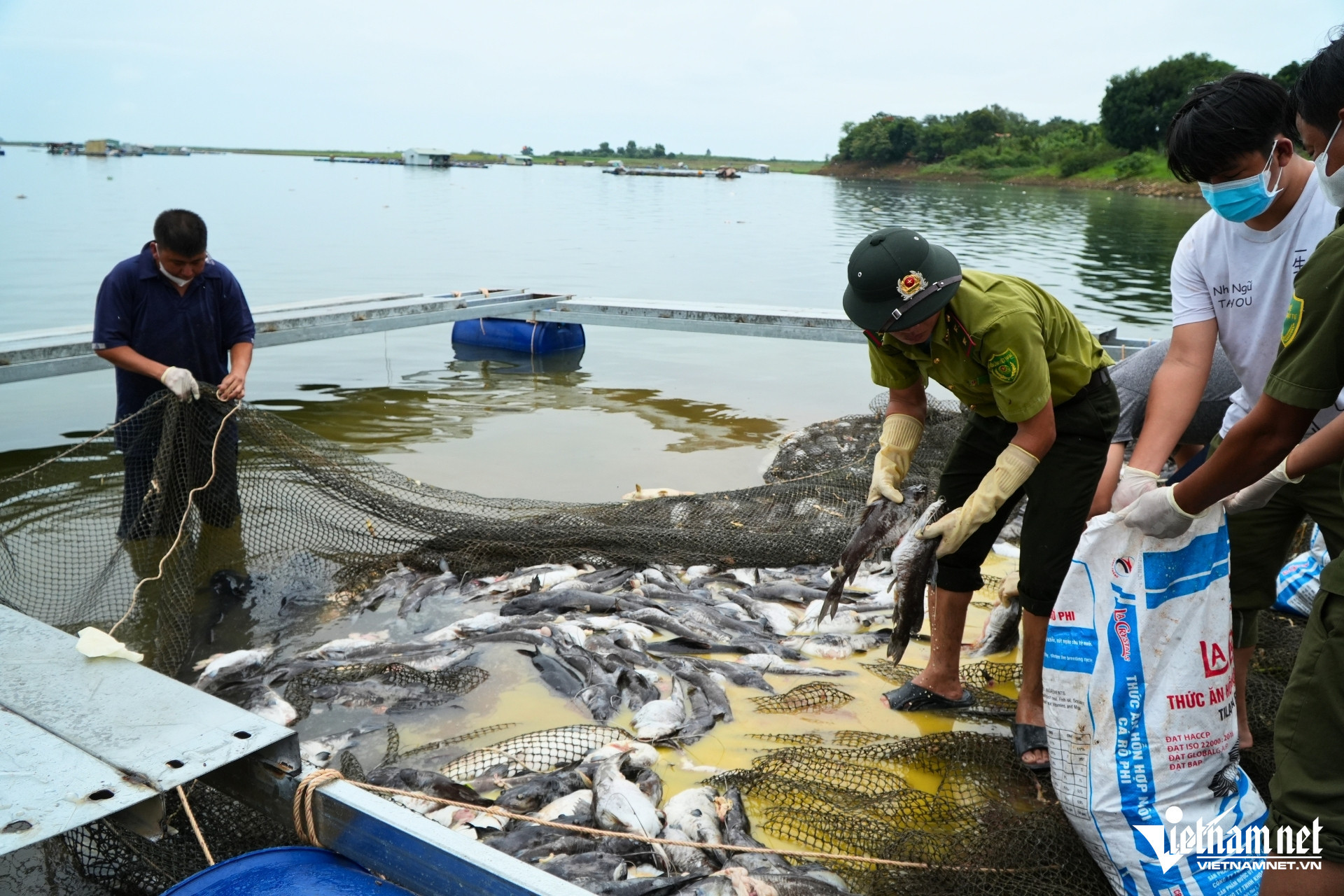
According to the testing report, samples were collected from the fish farming operation of Nguyen Van Manh in Vinh An 1 Quarter, Tri An Ward, to determine the cause of the incident.
Laboratory results found no evidence of Spring Viraemia of Carp Virus (SVCV), Koi Herpesvirus (KHV), or the bacterium Edwardsiella ictaluri in the tested samples.
According to the Dong Nai Department of Agriculture and Environment, 16 fish-farming households suffered losses, with total fish mortality estimated at more than 200 tonnes.
The affected species were primarily grass carp, common carp and hemibagrus catfish, most of which had already reached market size but had not yet been sold.
A separate analysis conducted by the Center for Natural Resources and Environmental Technology found that dissolved oxygen (DO) levels in fish cages ranged from only 1.58 to 2.4 milligrams per litre, significantly below the minimum recommended level of 4 milligrams per litre.
At the same time, ammonia concentrations exceeded regulatory standards by between 1.2 and 1.25 times, while heavy metal concentrations remained within permissible limits.
Specialists concluded that the primary cause was severe oxygen depletion combined with unfavorable environmental conditions.
The affected area currently contains 233 fish cages operated by 36 households, exceeding the approved planning limit by 137 cages. The excessive density has placed substantial pressure on water quality.
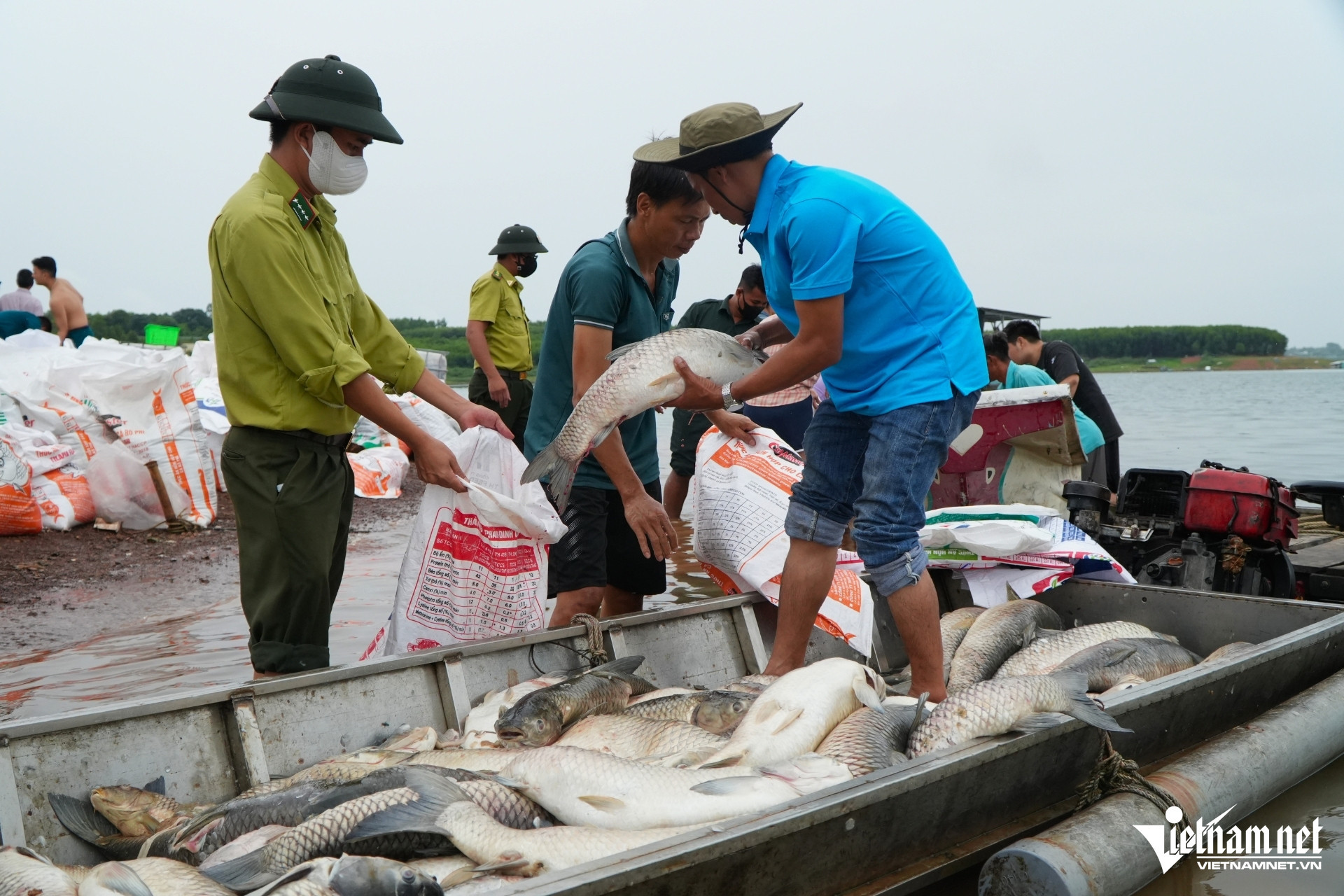
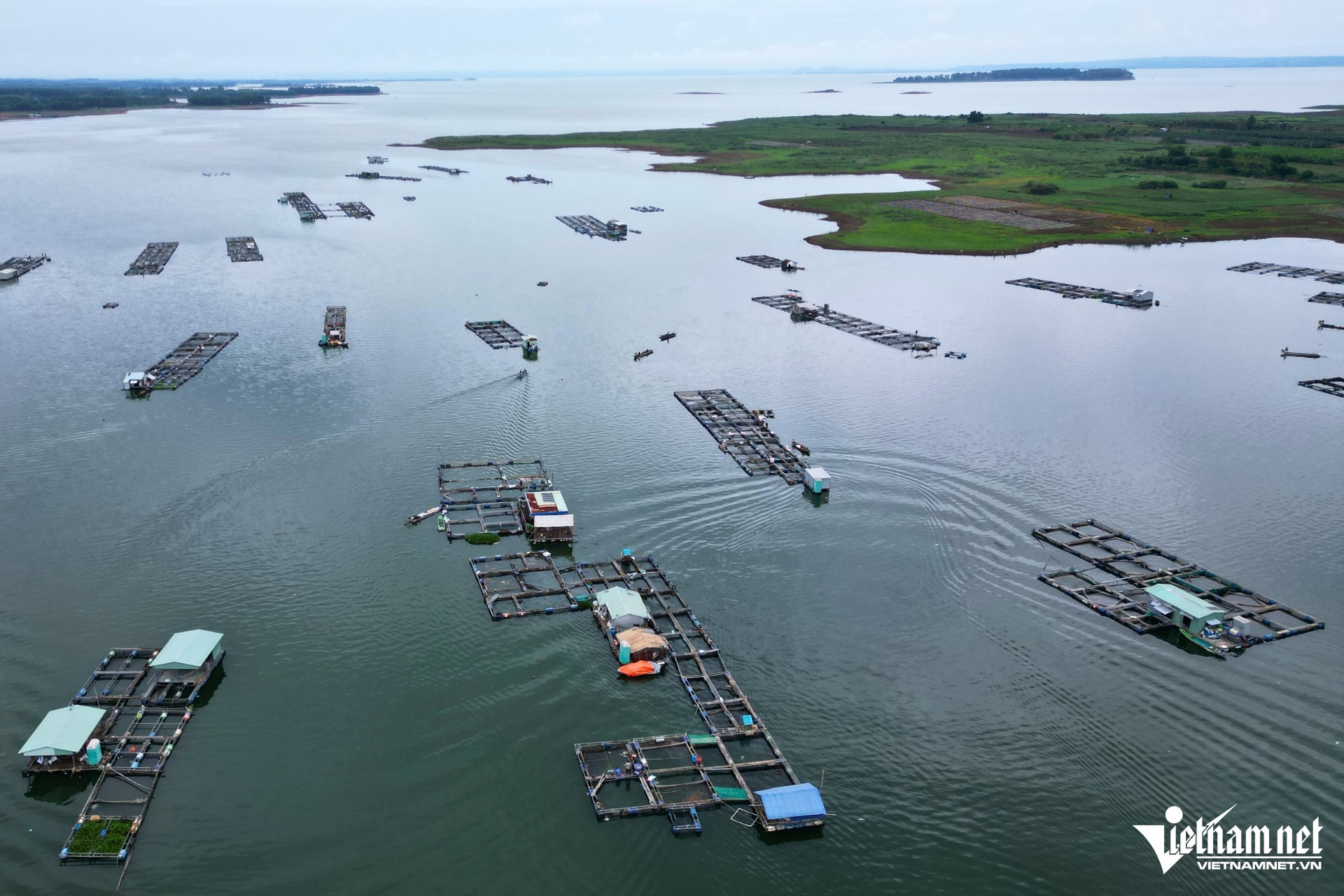
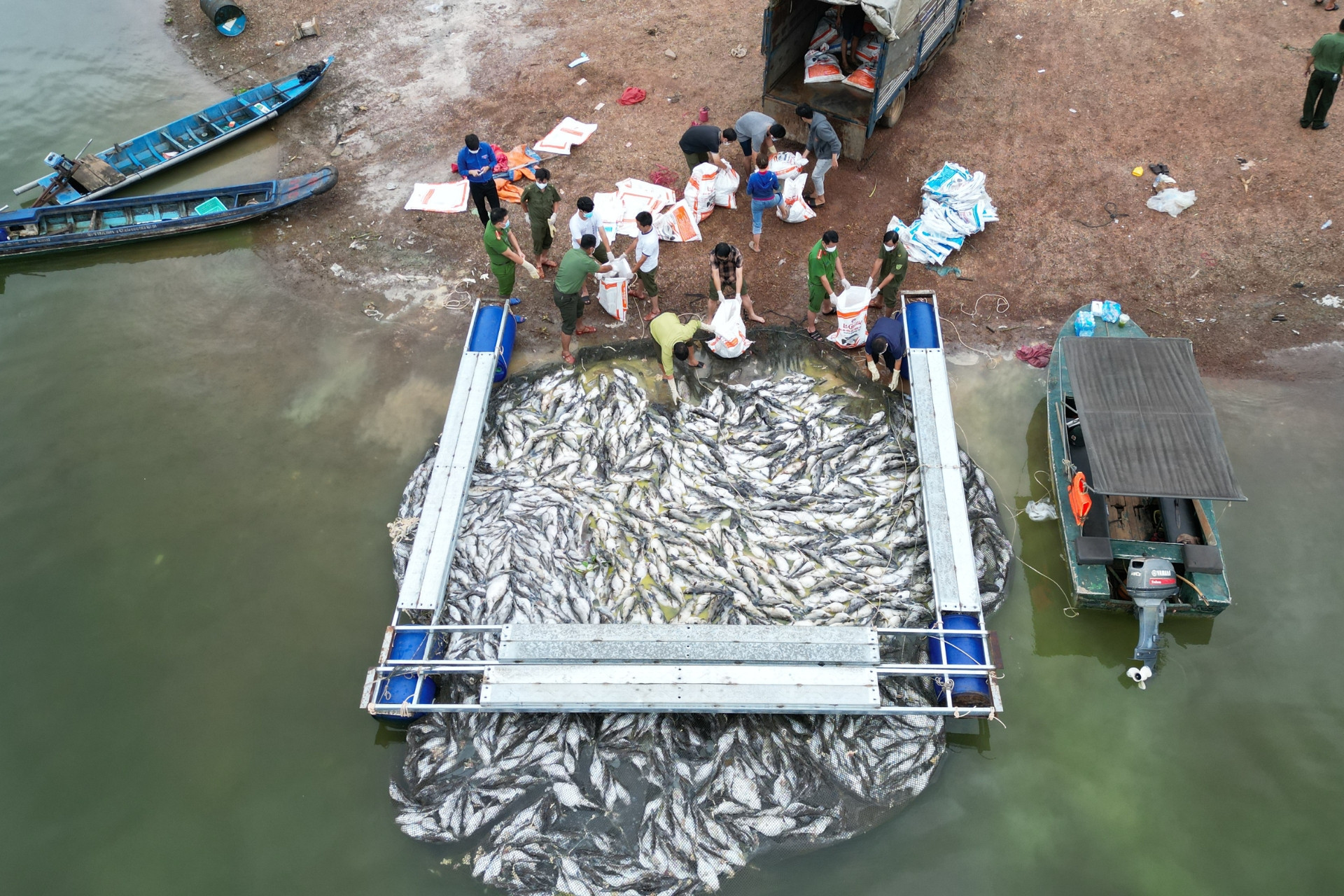
Nguyen Van Thang, Deputy Director of the Dong Nai Department of Agriculture and Environment, said the mass fish deaths resulted from several overlapping factors.
Weak market demand left large quantities of market-ready fish unsold, increasing biomass density within cages and driving oxygen demand higher.
When the first major rains of the season arrived, accumulated organic matter was washed into the lake, disrupting water conditions and causing oxygen levels to decline sharply.
In addition, seasonal weather changes and sudden temperature fluctuations placed fish under stress and weakened their resistance.
Meanwhile, water entering the densely stocked farming area was already low in oxygen and became further depleted as it passed through the concentration of fish cages, resulting in large-scale mortality.
To prevent similar incidents, the department has urged authorities to reorganize aquaculture zones and reduce cage density in line with approved planning regulations. New fish stocking in affected areas should also be temporarily suspended.
Local authorities overseeing cage-farming operations on Tri An Lake have been instructed to strengthen water quality monitoring and advise farmers on technical measures, including reducing stocking densities, increasing aeration and harvesting market-sized fish earlier.
Authorities also plan to inspect and improve management of feed supplies and fish seed sources used in the farming areas.
Fish farmers have been advised to closely monitor environmental conditions, take immediate action when abnormalities are detected and avoid discharging waste that could further pollute the lake.
Officials stressed that any unusual fish mortality events should be reported immediately to local authorities or technical agencies so that samples can be collected, causes identified and appropriate response measures implemented.
Hoang Anh
.svg)
