 Vietnamnet.vn

 Podcast



Thao Trinh
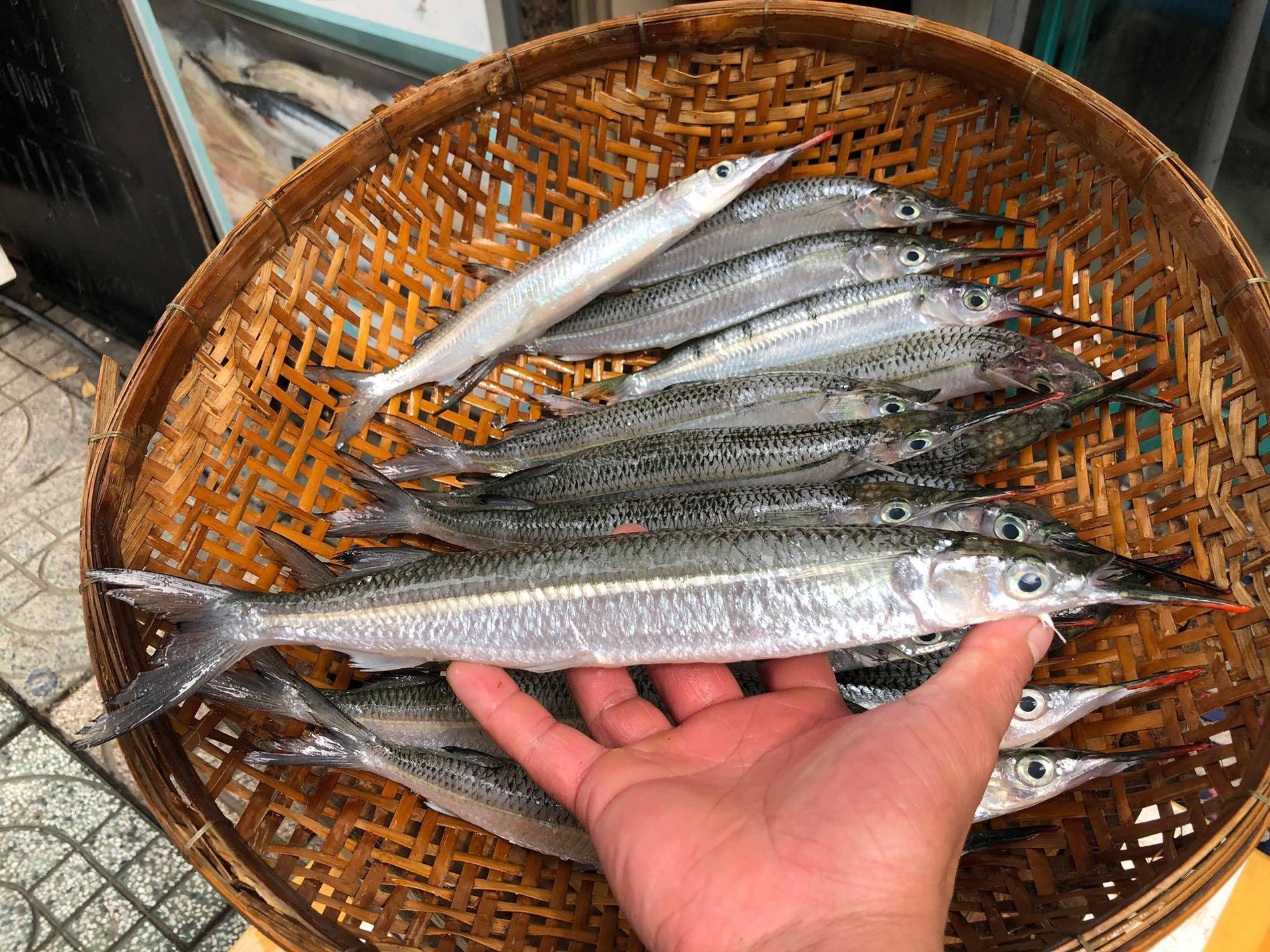
Along the central coastal region stretching from Quang Ngai to the former Binh Thuan province, there is a fish beloved for its naturally sweet, rich, and flavorful meat. Locals call it dau fish.
Depending on the region, the fish is also known as ca dau, ca doi, ca beo, or ca lim kim. It has a slender body measuring around 20-25cm, sparse scales, and a pale yellow or gray tail.
Blue stripes run along both sides of the fish, while its belly is white with few scales.
Its pointed, elongated mouth features a striking red or orange color around the head, making it easy to distinguish from other species.
Nguyen Tung, a fisherman from Lagi town in the former Binh Thuan province, said ca dau can live in both saltwater and freshwater environments.
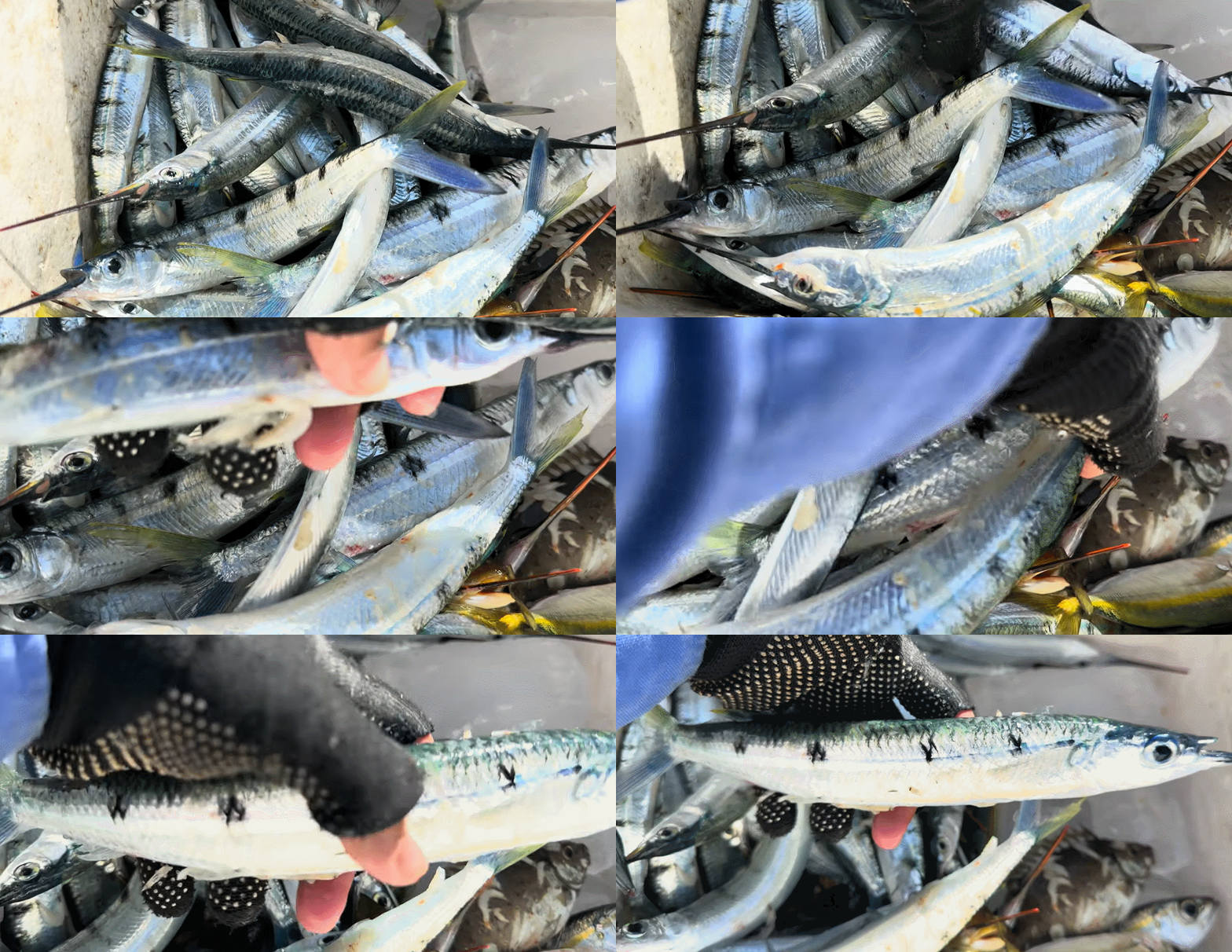
Depending on the habitat and species, there are slight differences in appearance, such as whether the fish has black spots or not.
“Sea-caught ca dau is more popular because the meat is naturally sweet, fragrant, and rich. The belly contains a lot of oil, so when you eat it, the texture feels creamy like pork fat,” he said.
According to the fisherman, ca dau is a schooling fish that swims near the surface.
To catch them, fishermen either use fishing rods or harvest them in larger quantities with specialized fine-mesh nets using thin lines and light sinkers.
The peak season for ca dau runs from the second to the fifth lunar month each year, when sea levels rise and waters remain calm. During this period, the fish travel in large schools, and their meat is considered the firmest and most flavorful.
“Ca dau is available year-round, but it is most abundant during the hot season. That’s why local people often prepare it in light and refreshing dishes such as salad or sour soup during this time. It’s also delicious when braised or deep-fried,” Tung added.
Mai Ly, a resident of Ho Chi Minh City, regularly orders ca dau delivered from the former Binh Thuan province - more than 200km away - so her family can enjoy the specialty together.
She described the fish as having thick, firm flesh with a naturally sweet aftertaste. “When you eat it, you can feel the oiliness and richness, almost like pork fat, along with a very distinctive aroma,” she said.
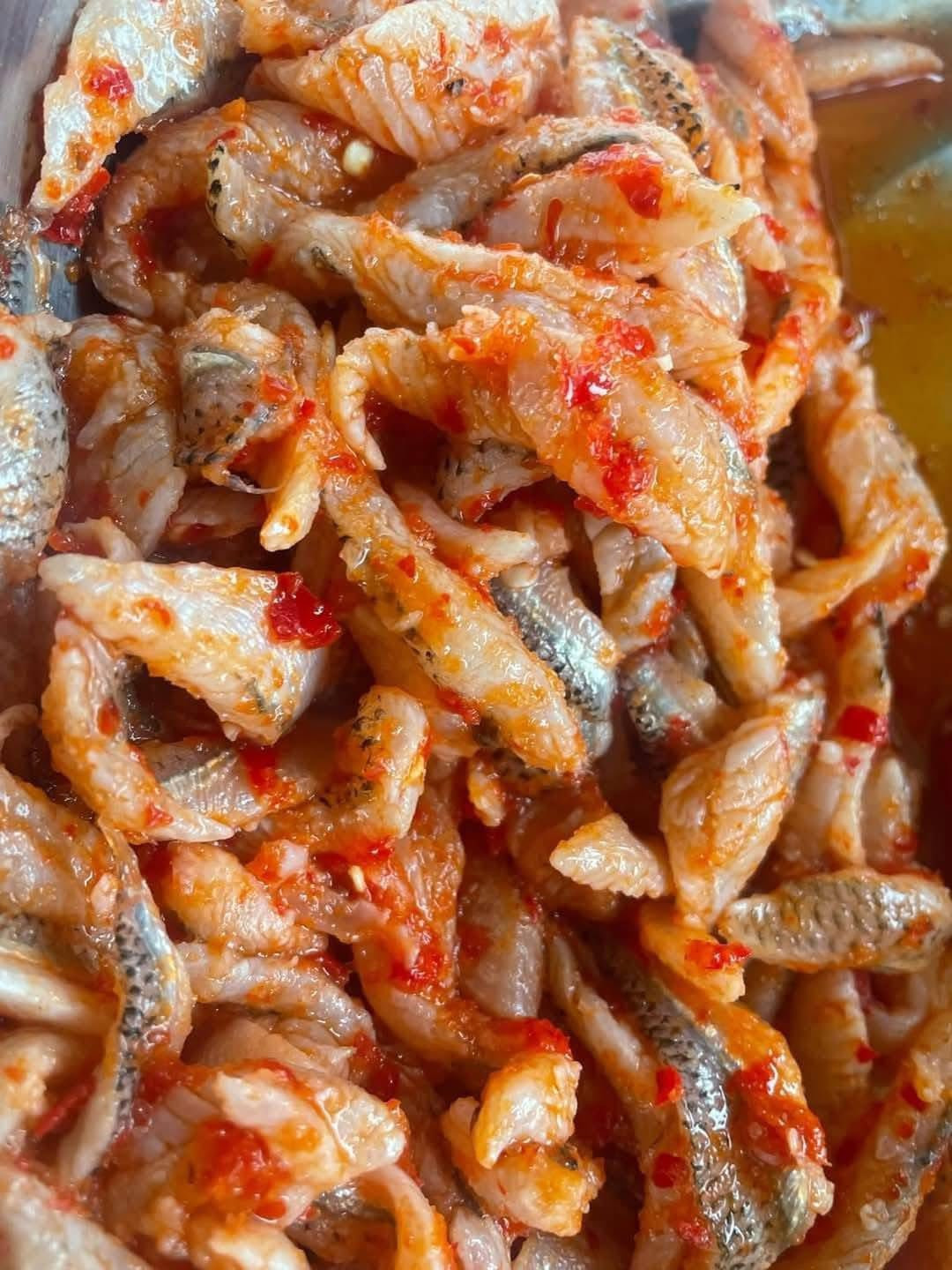
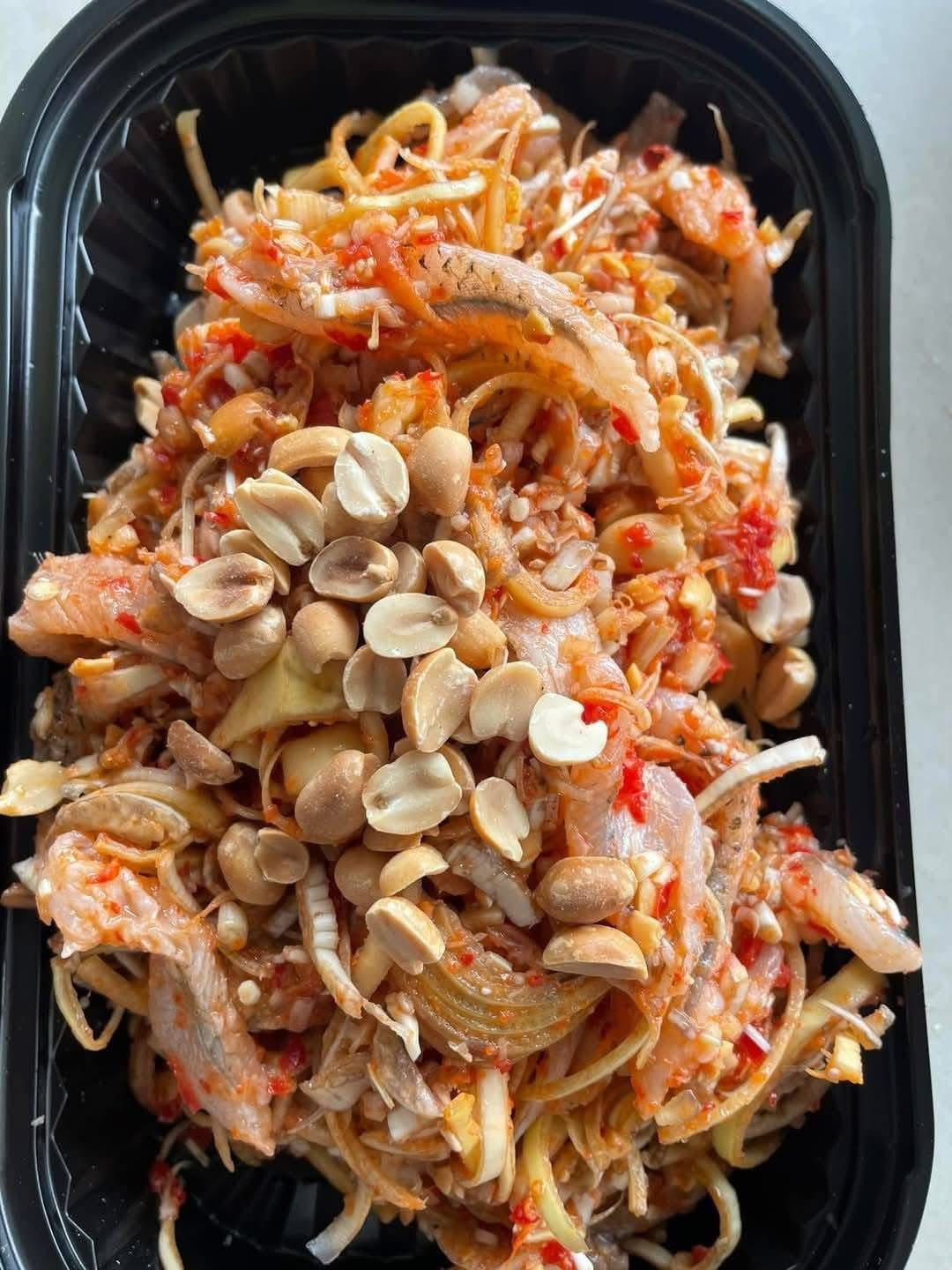
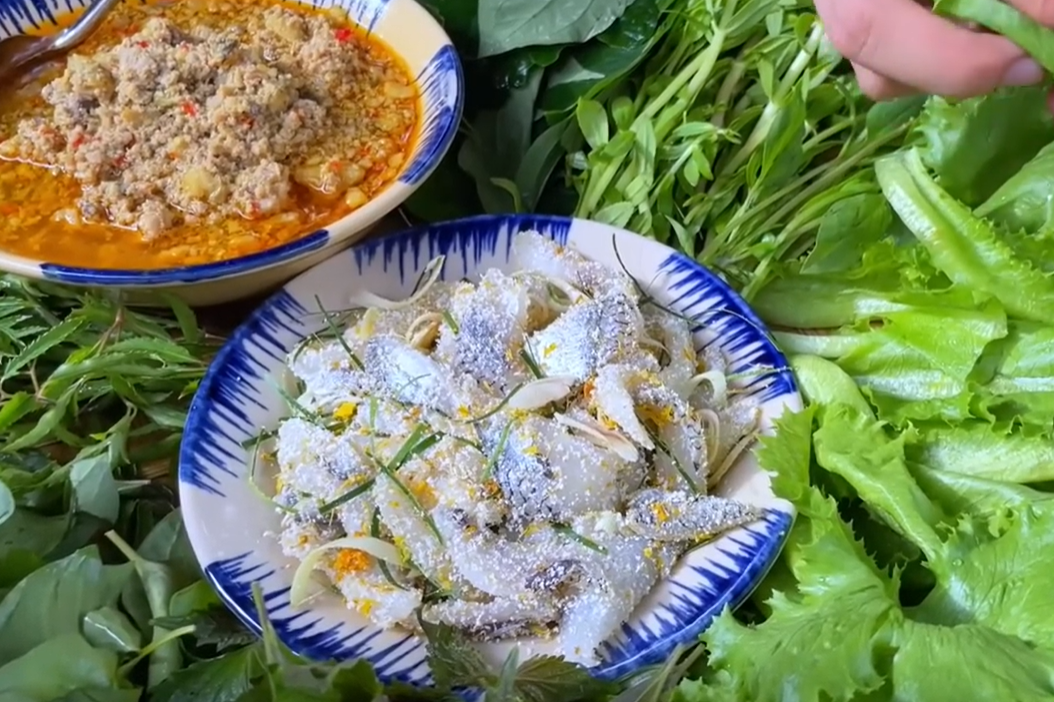
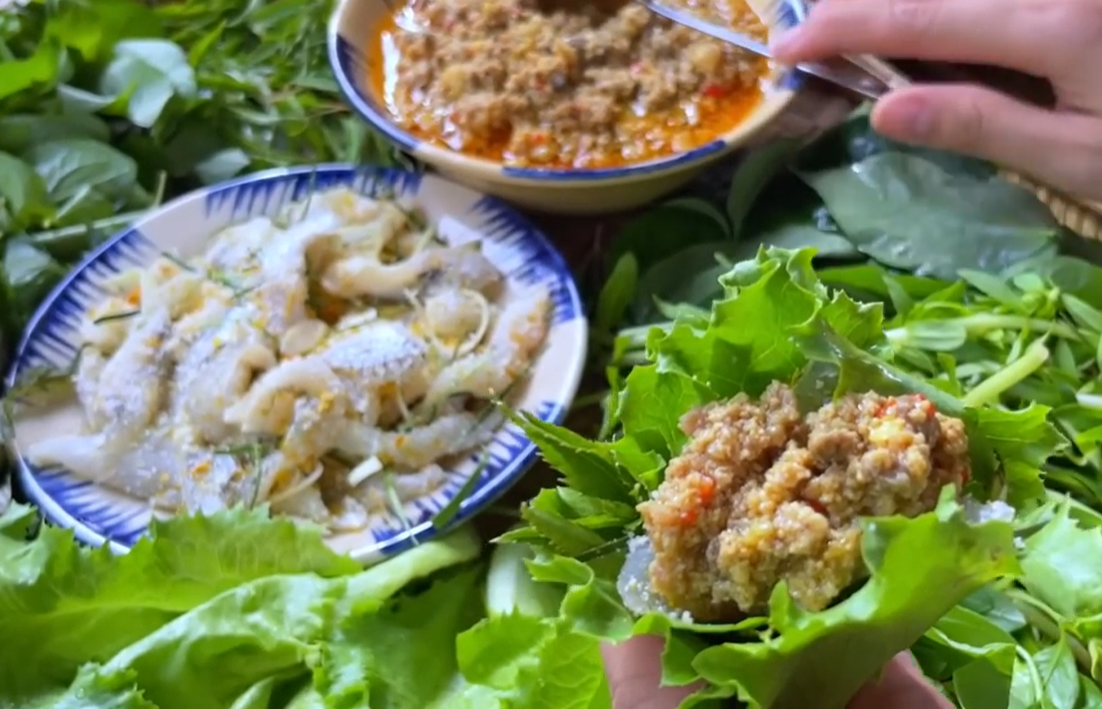
Her family especially enjoys ca dau salad because the dish tastes fresh and light without any fishy smell.
“To make the best salad, I usually choose the freshest first-net catch,” Ly explained. “That means fishermen use basket boats to cast one net and return to shore immediately after catching the fish so they can preserve it on ice while still fresh.
“Each fishing trip lasts only around 30 minutes. Because the fish is chilled and frozen early, it stays fresher and costs more than fish caught in nets left out for two or three hours. Prices range from VND200,000-220,000 ($7.70-$8.50) per kilogram.”
She added that different sizes of ca dau are suitable for different dishes.
Larger fish weighing around eight to 10 fish per kilogram are ideal for salad, while smaller fish of 13 to 15 fish per kilogram are better suited for sour soup or deep-frying.
Preparing the fish is relatively simple. Fresh ca dau is descaled, its mouth and tail removed with scissors, then rinsed clean and drained.
Afterward, it can be cooked in a variety of ways.
“If making sour soup, you only need to wait until the water boils and the fish is just cooked through before turning off the heat. Overcooking makes the meat soft and less tasty. When eating, you can dip the fish in chili fish sauce or chili salt to fully enjoy its naturally sweet and fragrant flavor,” Ly said.
.svg)
