 Vietnamnet.vn

 Podcast



The Meet Global MICE Congress 2025, one of the most influential international gatherings in the Meetings, Incentives, Conferences, and Exhibitions (MICE) sector, successfully took place on December 17–18 at the World Trade Center Moscow. The event marked a key milestone in Moscow’s pursuit of global leadership in business tourism.
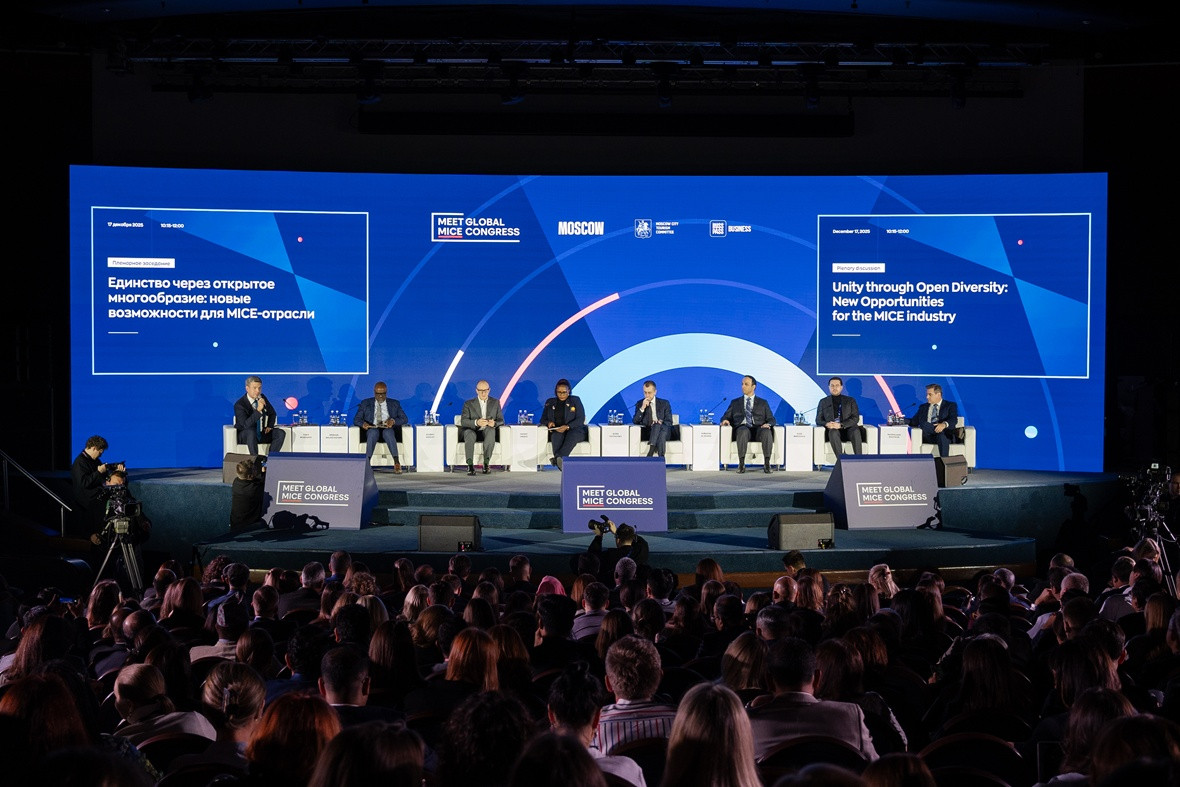
An overview of the opening session of the MICE Conference at the World Trade Center Moscow on December 17, 2025. Photo: Courtesy of the organizers
This year’s edition welcomed more than 2,500 delegates, including 130 exhibitors, 200 hosted buyers, and over 60 renowned speakers representing 35 countries. Held under the theme “Unity through Open Diversity: New Opportunities for Global Growth,” the congress featured more than 15 specialized business sessions exploring the evolution of the MICE industry amid shifting economic realities.
Bringing together policymakers, industry leaders, and international event planners, the congress provided a vital platform for dialogue on strengthening cross-border cooperation. Participants emphasized the importance of public-private partnerships and intergovernmental projects as drivers of regional growth in the MICE landscape.
Business tourism: A key pillar of Moscow’s economy
The successful hosting of Meet Global MICE Congress 2025 underscored the growing economic role of business tourism in Moscow. In 2024, the sector generated approximately 235 billion rubles (about USD 2.6 billion) in revenue. According to the city’s tourism development roadmap, this figure is expected to double by 2030, reaching 500 billion rubles (around USD 5.5 billion).
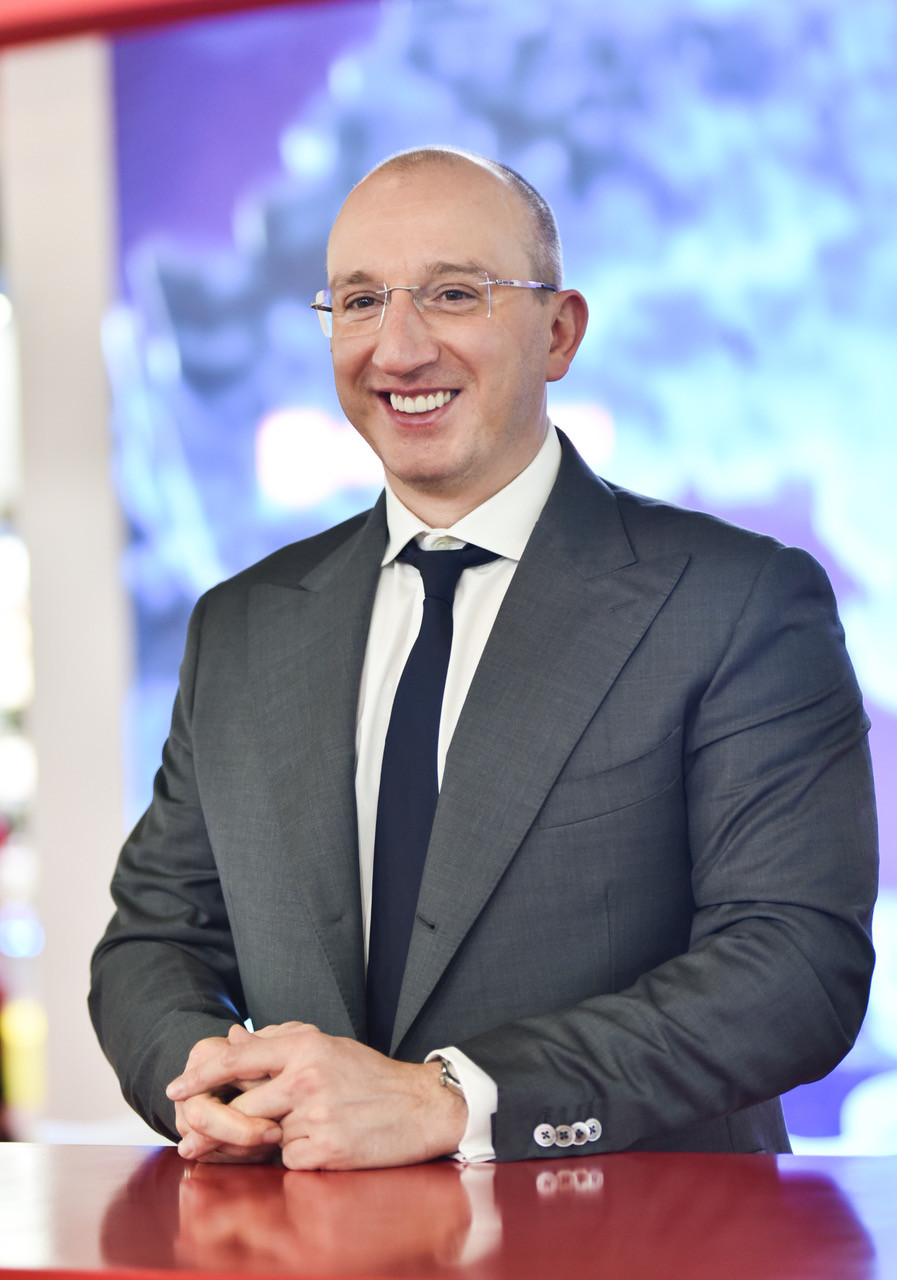
Evgeny Kozlov, Chairman of the Moscow City Tourism Committee.
“Today, one in every five visitors - roughly 20% - comes to Moscow for business purposes. Business travelers tend to spend significantly more than leisure tourists,” noted Evgeny Kozlov, Chairman of the Moscow City Tourism Committee, during a media briefing with international journalists on December 17.
To expand this segment, the city is executing a long-term strategy focused on developing MICE infrastructure, creating business and exhibition districts at the National Exhibition Complex VDNH, and increasing the number of hotels tailored to corporate needs.
“Moscow is also actively building its brand in global markets, uniting stakeholders across the business tourism ecosystem into one integrated community. This collective approach enhances our international competitiveness,” Kozlov added.
A culturally adaptive and future-ready MICE destination
According to Kozlov, Moscow’s strength as a MICE destination lies in its ability to combine deep cultural heritage with forward-thinking urban innovation. The city’s adoption of cutting-edge solutions - such as artificial intelligence in public transport and CCTV-based smart security systems - enhances both visitor safety and event logistics, while offering a seamless urban experience.
Anastasia Popova, Head of the Business Tourism Development Department, emphasized that Moscow’s unique edge is not only its robust infrastructure but also its commitment to cultural sensitivity.
In response to a question from VietNamNet, Popova explained that international event organizers increasingly prioritize cultural compatibility, as expectations around event design, catering, and customs vary significantly by region.
“The congress creates space for meaningful dialogue where cultural differences are acknowledged and respected. In today’s global MICE environment, cultural awareness is just as essential as logistics,” she said.
Popova noted that with over 150 venues - including world-class congress hotels and creative, non-traditional spaces - Moscow is well equipped to meet the nuanced demands of global event organizers.

She expressed confidence that the event would lead to a surge in new inquiries, expanding future editions and bringing more business and leisure travelers to the city.
“Moscow is safe, vibrant, and open to all cultures. That’s the message we want the world to hear,” Popova told VietNamNet.
Looking ahead: Moscow sets its sights on global MICE leadership
Meet Global MICE Congress 2025 builds on the momentum of last year’s BRICS-focused edition, which drew more than 1,300 professionals from 17 countries. The city now sets its sights on long-term expansion: by 2030, Moscow aims to attract 52 million tourists annually, with approximately 8 million - 15% - expected to be business travelers.
Already ranked among the top 40 destinations in Europe for congresses by the International Congress and Convention Association (ICCA), Moscow offers a dynamic tourism and MICE infrastructure. The city is home to 450 museums, more than 150 large-scale modern conference and exhibition venues, 30 specialized convention centers, and over 1,700 hotels with nearly 82,900 rooms.
With a clear vision, expanding infrastructure, and a proven record of organizing high-level international events, Moscow is steadily strengthening its foothold on the global MICE map.
Phan Nhung
.svg)
