 Vietnamnet.vn

 Podcast


Museums in Da Nang are displaying ceramic jars of various shapes and sizes, including burial vessels dating back more than 2,000 years that provide remarkable evidence of the funerary practices of the ancient Sa Huynh people.
The artifacts were uncovered during archaeological excavations at Go Dua in Thu Bon Commune, Go Ma Voi in Duy Xuyen Commune, Lai Nghi in Dien Ban Dong Ward and several other archaeological sites across Da Nang.
Ancient ceramic jars used as upright coffins
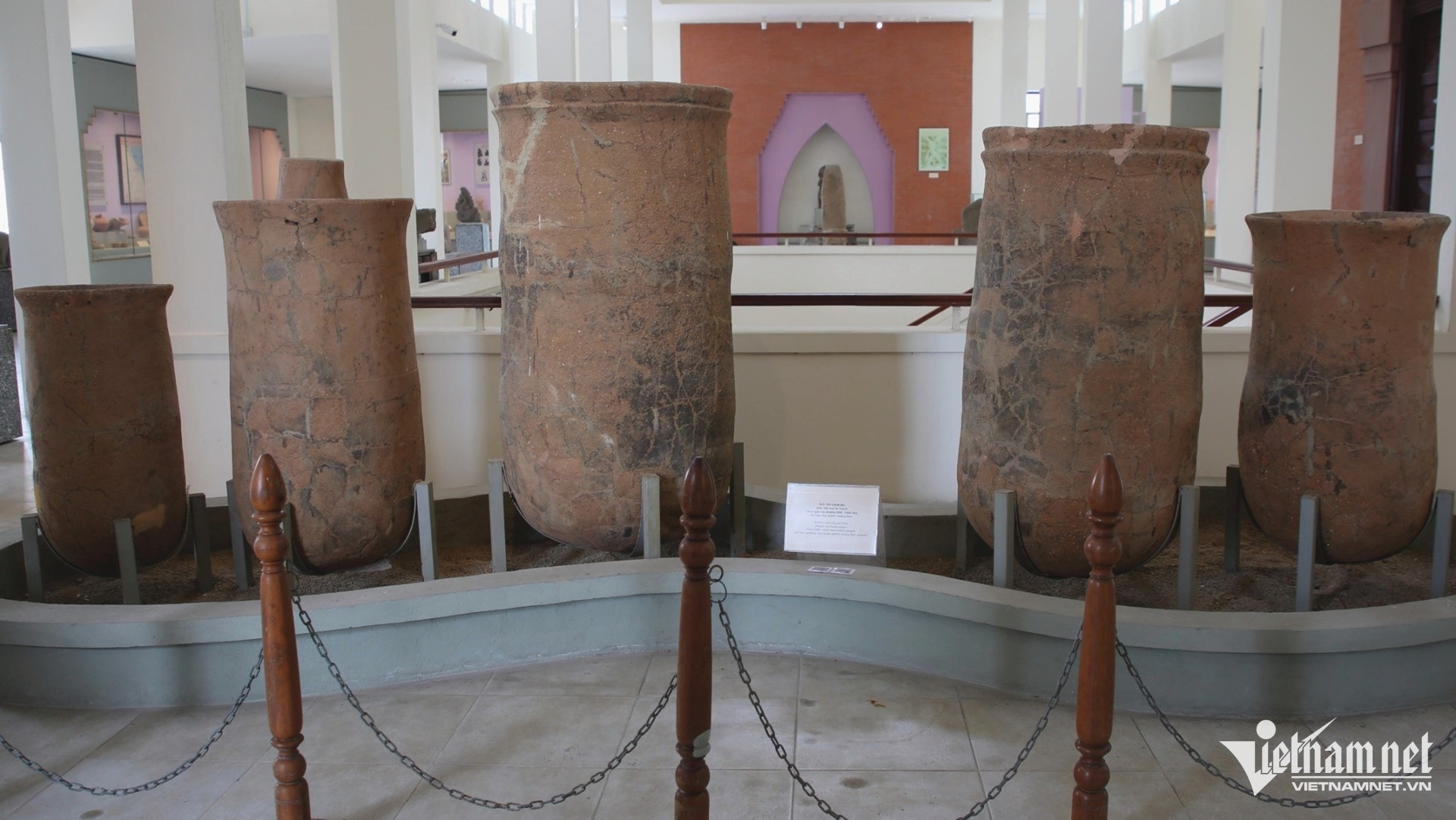
Among the highlights at the Sa Huynh-Champa Culture Museum in Duy Xuyen Commune are five large cylindrical burial jars excavated from the Go Dua archaeological site, which dates back approximately 2,100 years.
The vessels have tall bodies, nearly vertical sides, wide openings and rounded, tapering bases.
Under the distinctive burial traditions of the Sa Huynh people, large ceramic jars served as coffins and were buried vertically underground.
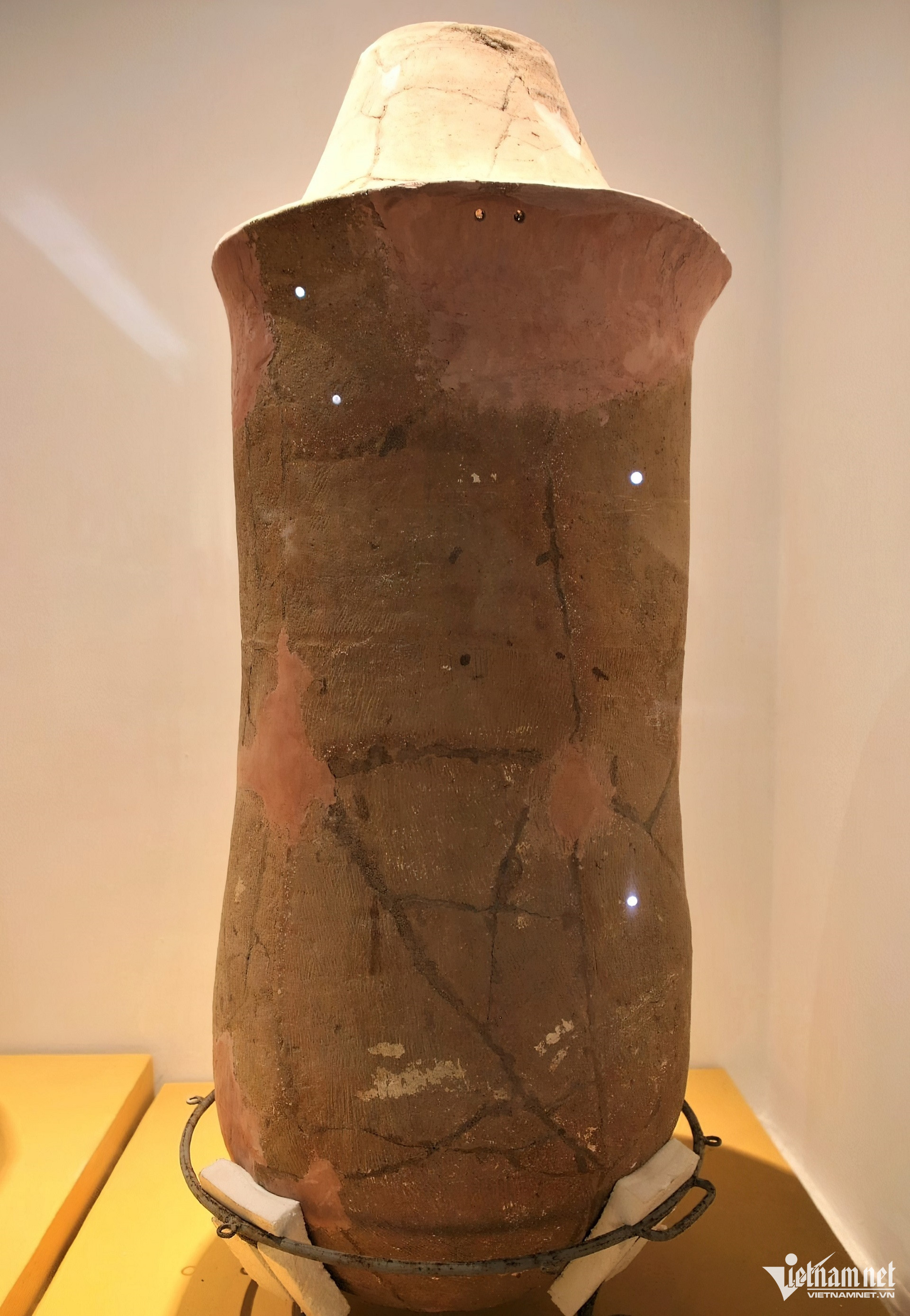
One burial jar features a truncated-cone-shaped lid. Sa Huynh jar lids came in various forms, including truncated cones, dome-shaped food covers and pedestal-tray designs. In some cases, the base of another jar was reused as a lid.
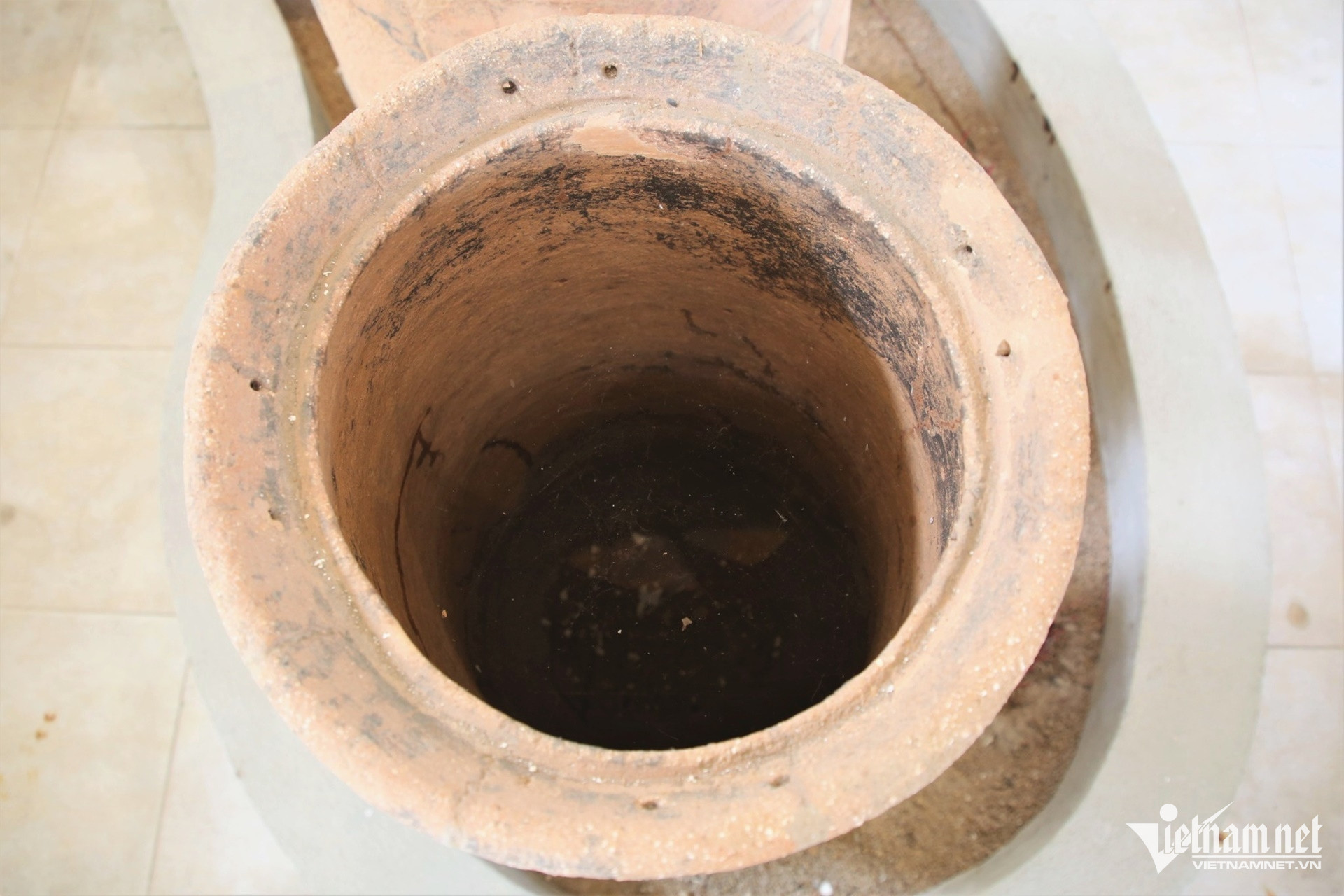
Viewed from above, a cylindrical burial jar reveals its wide opening and deep interior. Small pairs of holes remain around the rim, believed to have been used to attach ropes when lowering the vessel into a burial pit.
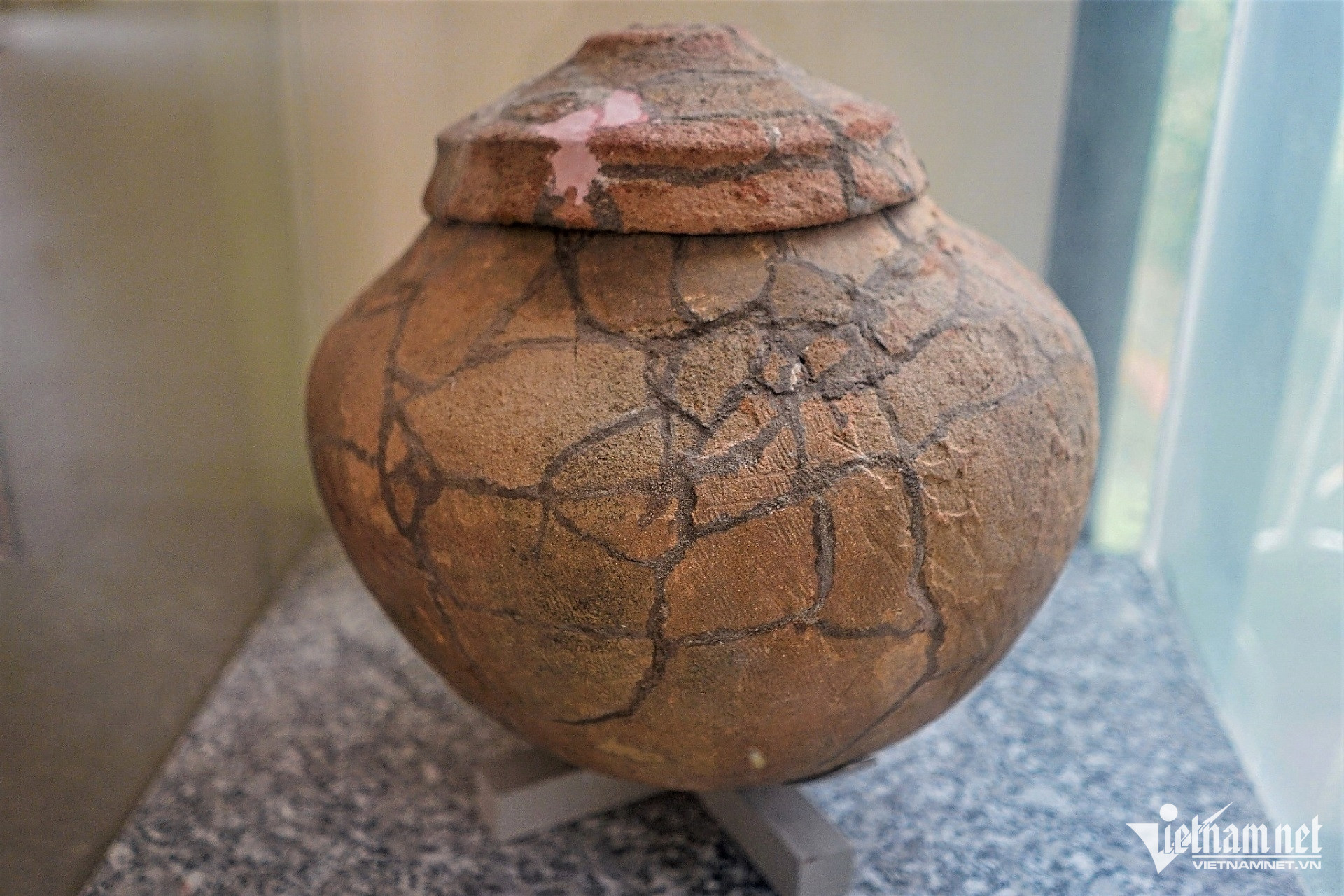
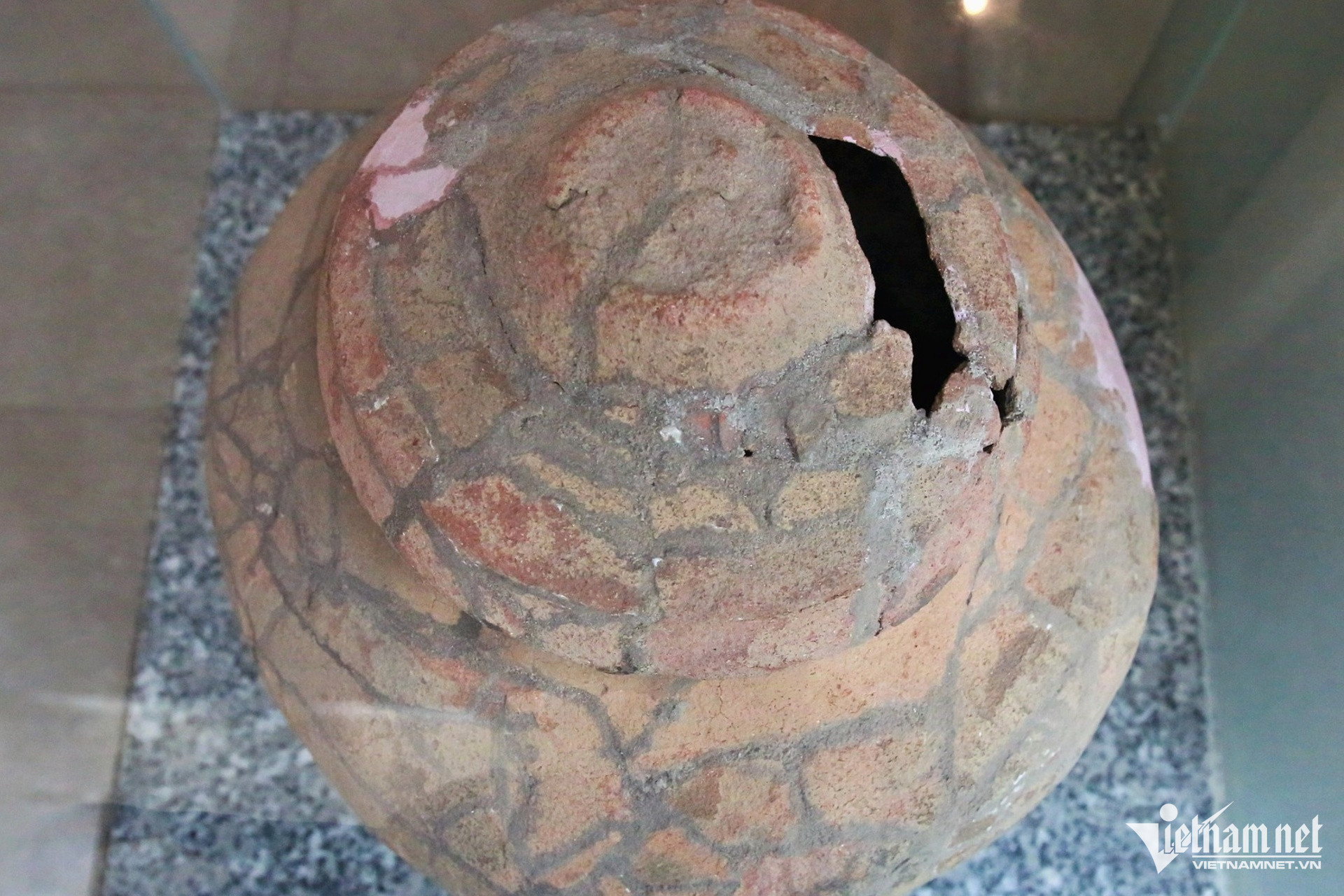
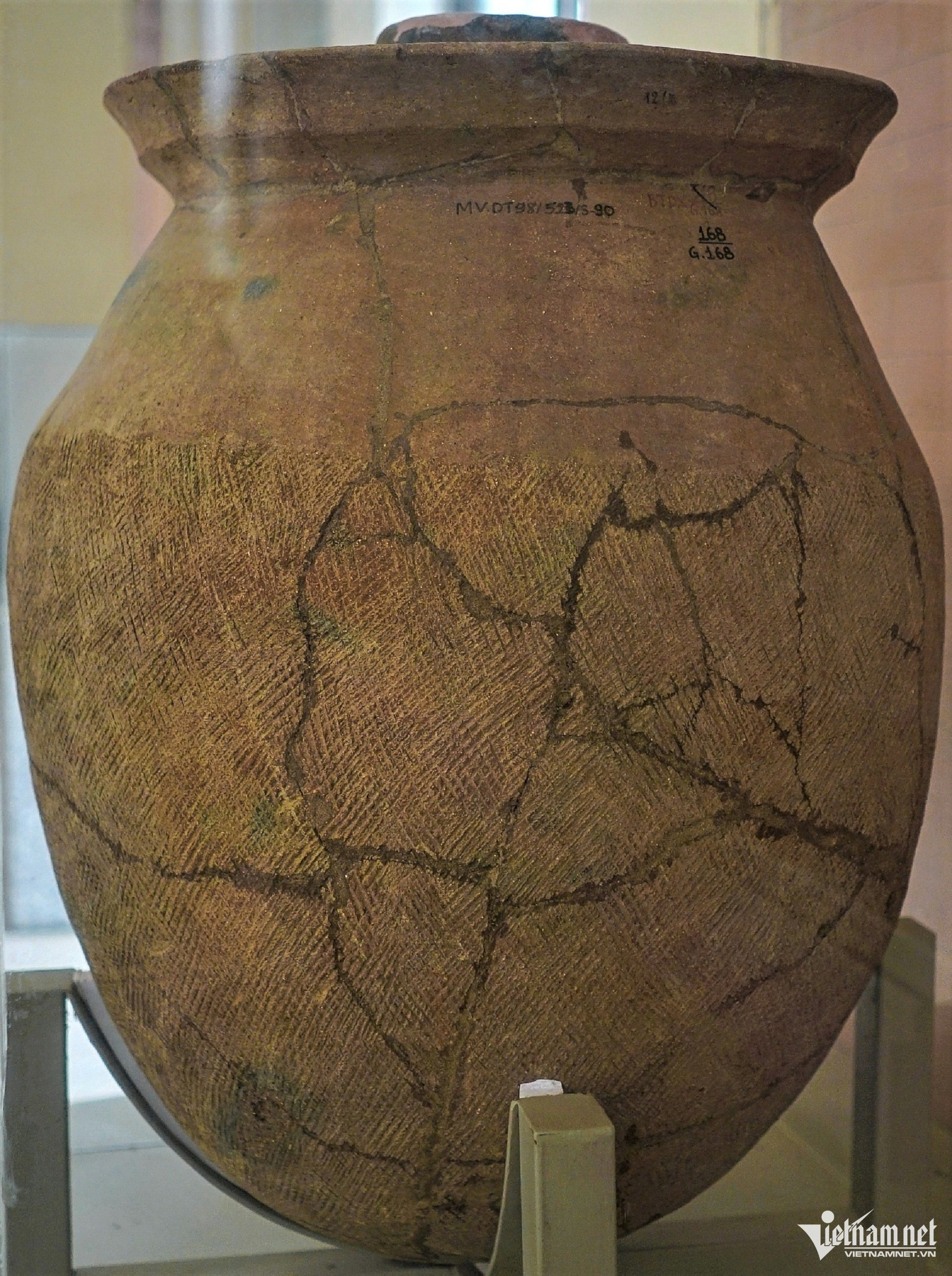
Another remarkable artifact is a spherical burial jar excavated from the Go Ma Voi site.
The vessel has a broad, rounded body, short neck, tapering base and ceramic lid.
At this archaeological site, which dates back approximately 2,400 years, researchers also discovered pot-shaped, oval and peach-shaped burial jars.
A close-up of the spherical jar's lid reveals numerous cracks, reconstructed joints and a missing section of pottery.
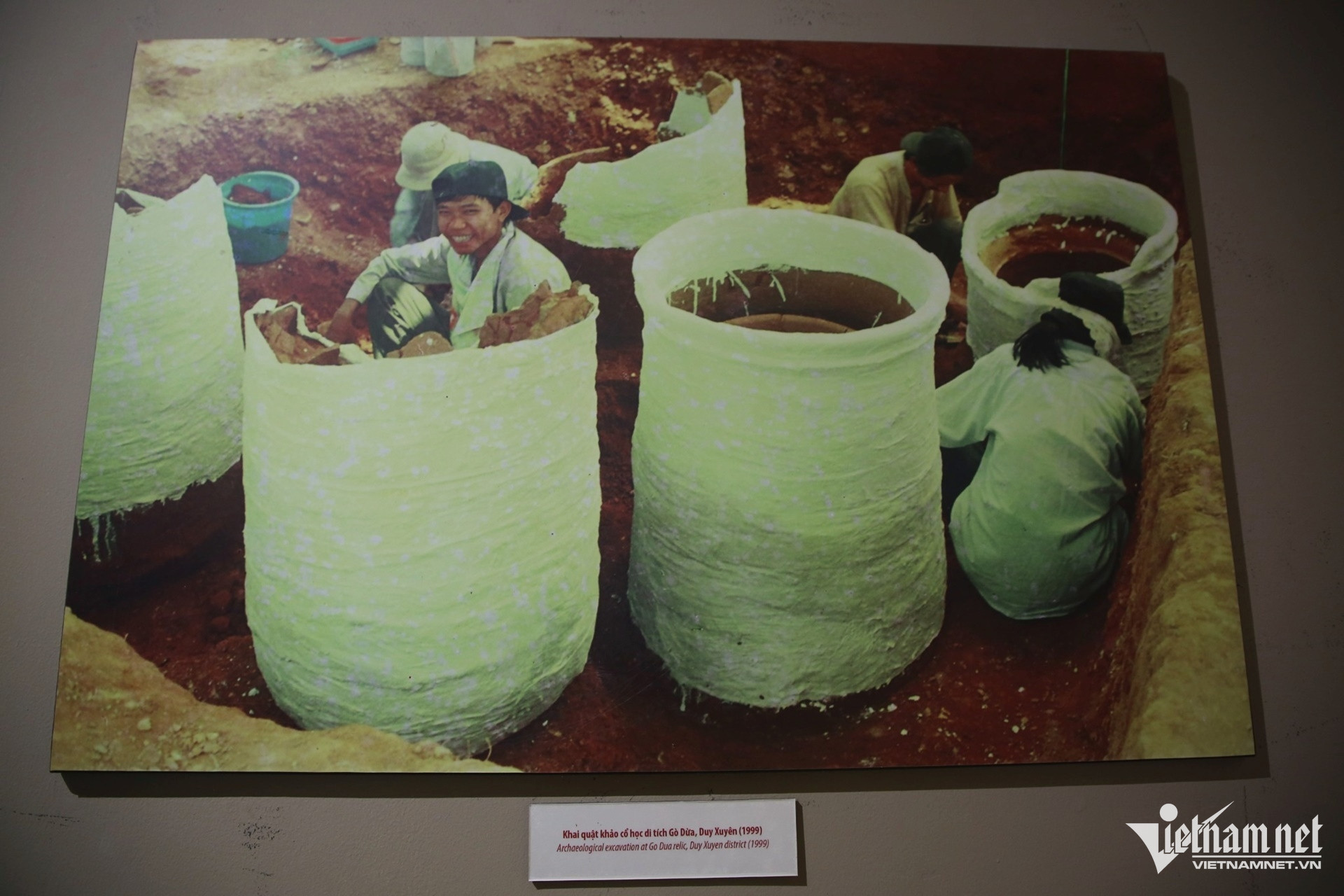
Archival photographs document the 1999 archaeological excavation at Go Dua, where large ceramic jars discovered underground provided important evidence of ancient Sa Huynh burial customs.
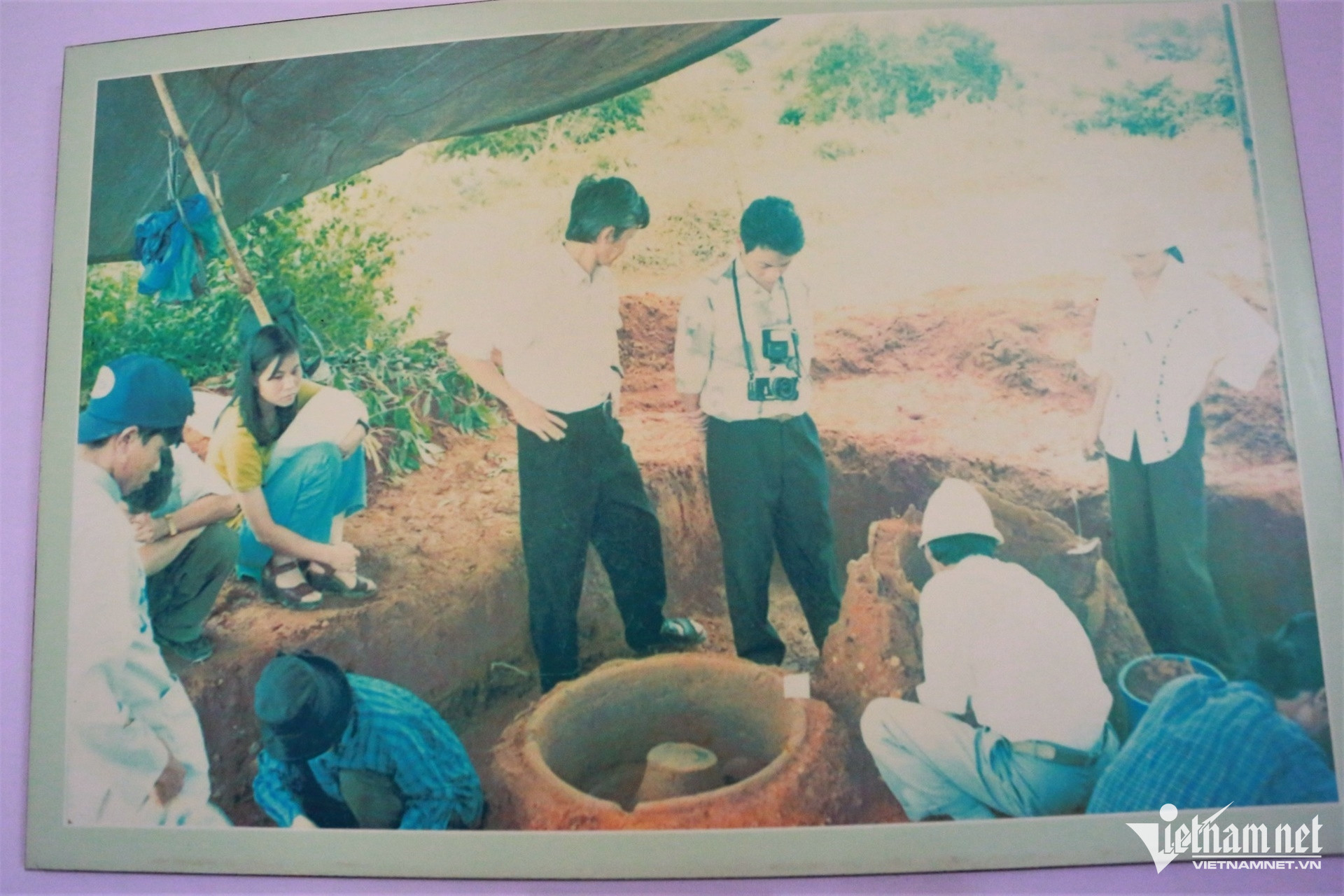
Another photograph shows archaeologists examining a ceramic jar inside an excavation pit, with a smaller pottery artifact visible inside the larger vessel.
Double-jar burials reveal diverse funeral practices
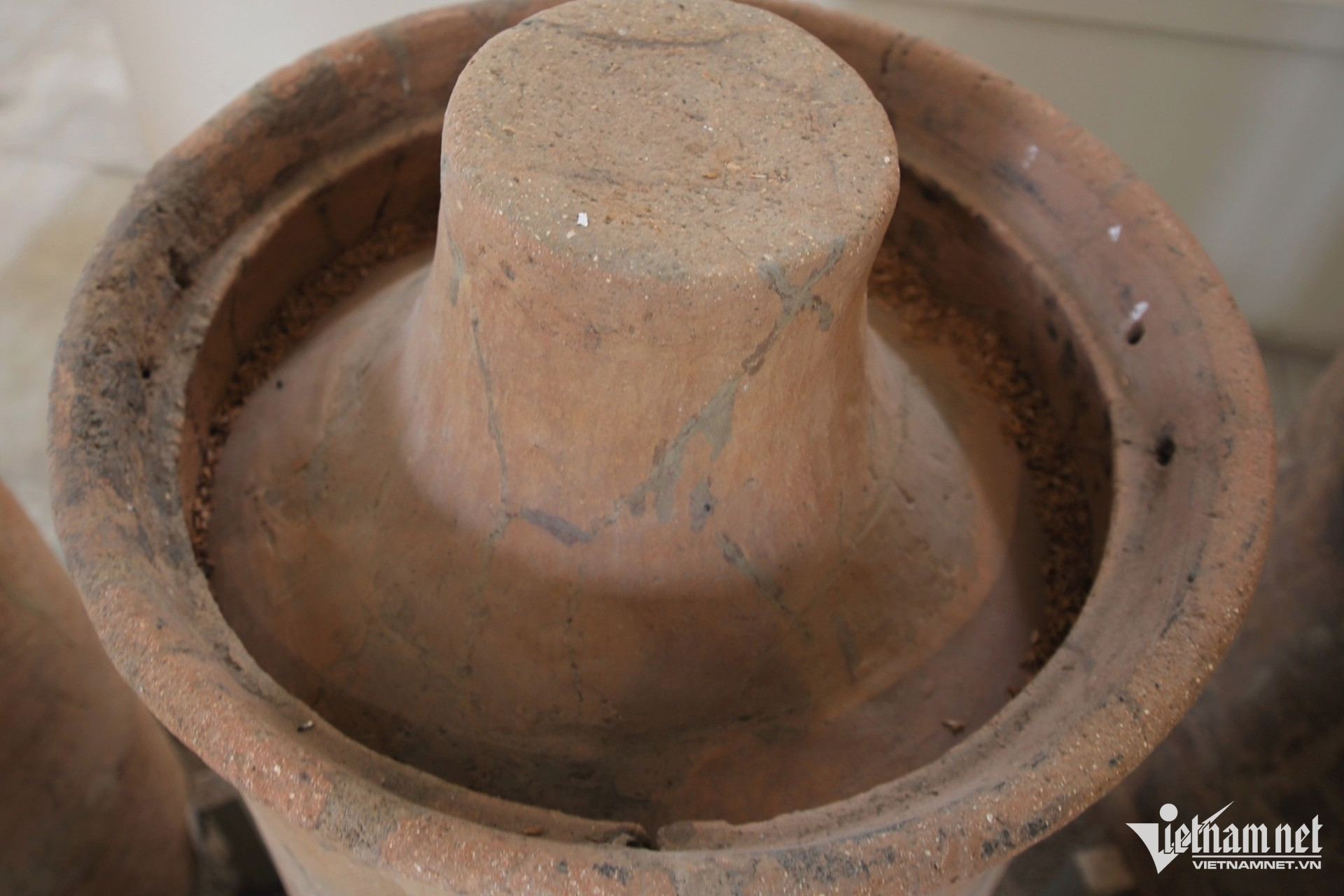
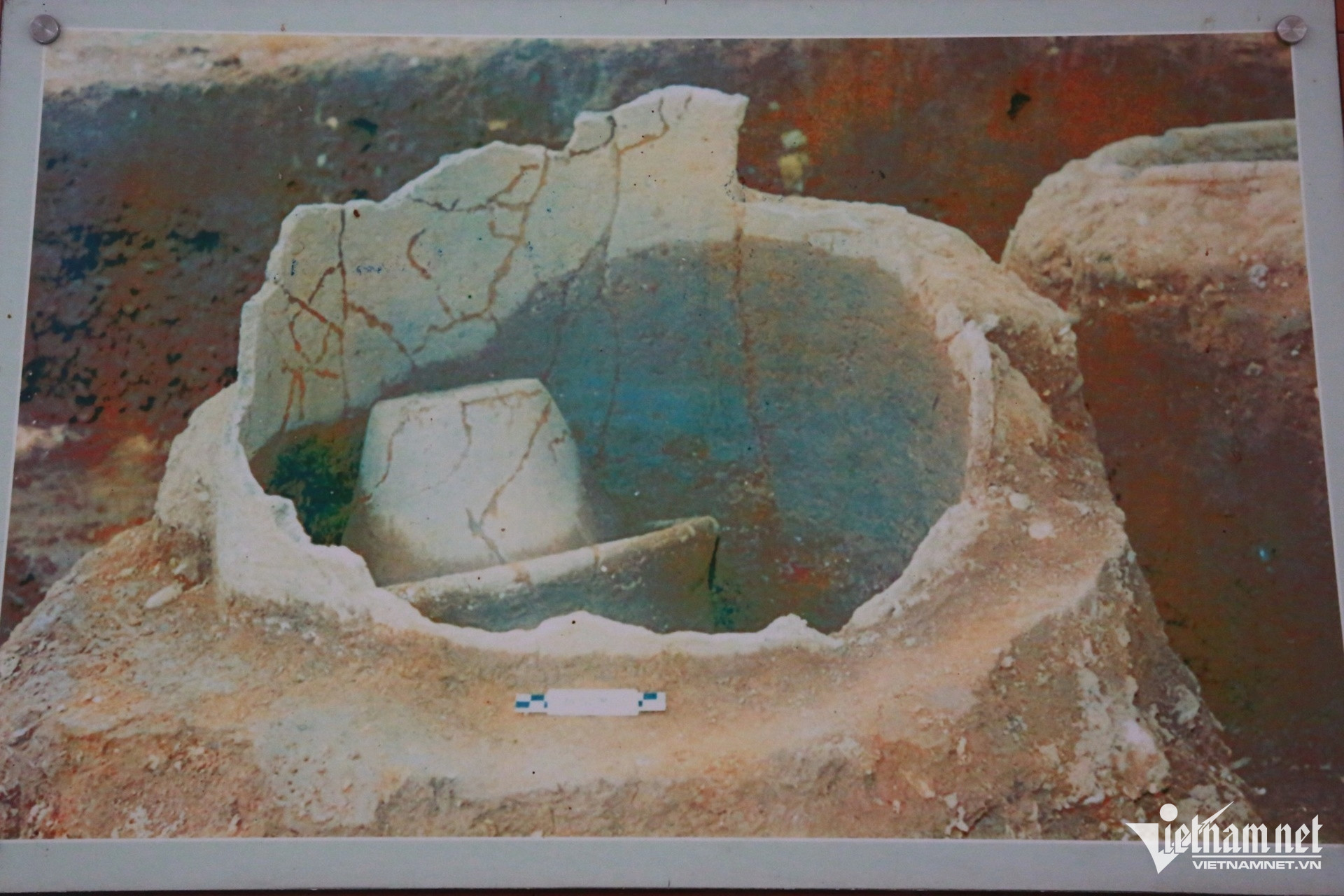
At Go Dua, archaeologists also discovered double-jar burials consisting of two ceramic vessels fitted one inside the other, resembling an inner coffin enclosed within an outer coffin.
During the 1999 excavation, researchers uncovered six burial jars within an area of just 16 square meters, including five double-jar burials.
According to Le Thi Phuong Thao, an artifact collection manager and tour guide at the Sa Huynh-Champa Culture Museum, archaeological findings indicate that the Sa Huynh people practiced several forms of burial, including cremation, primary burial and secondary burial.
Some jars contained traces of charcoal and ash, suggesting that they may have been associated with cremation rituals.
Notably, burial jar No. 2 at Go Dua still contained human bones, possibly the remains of a child buried through primary interment.
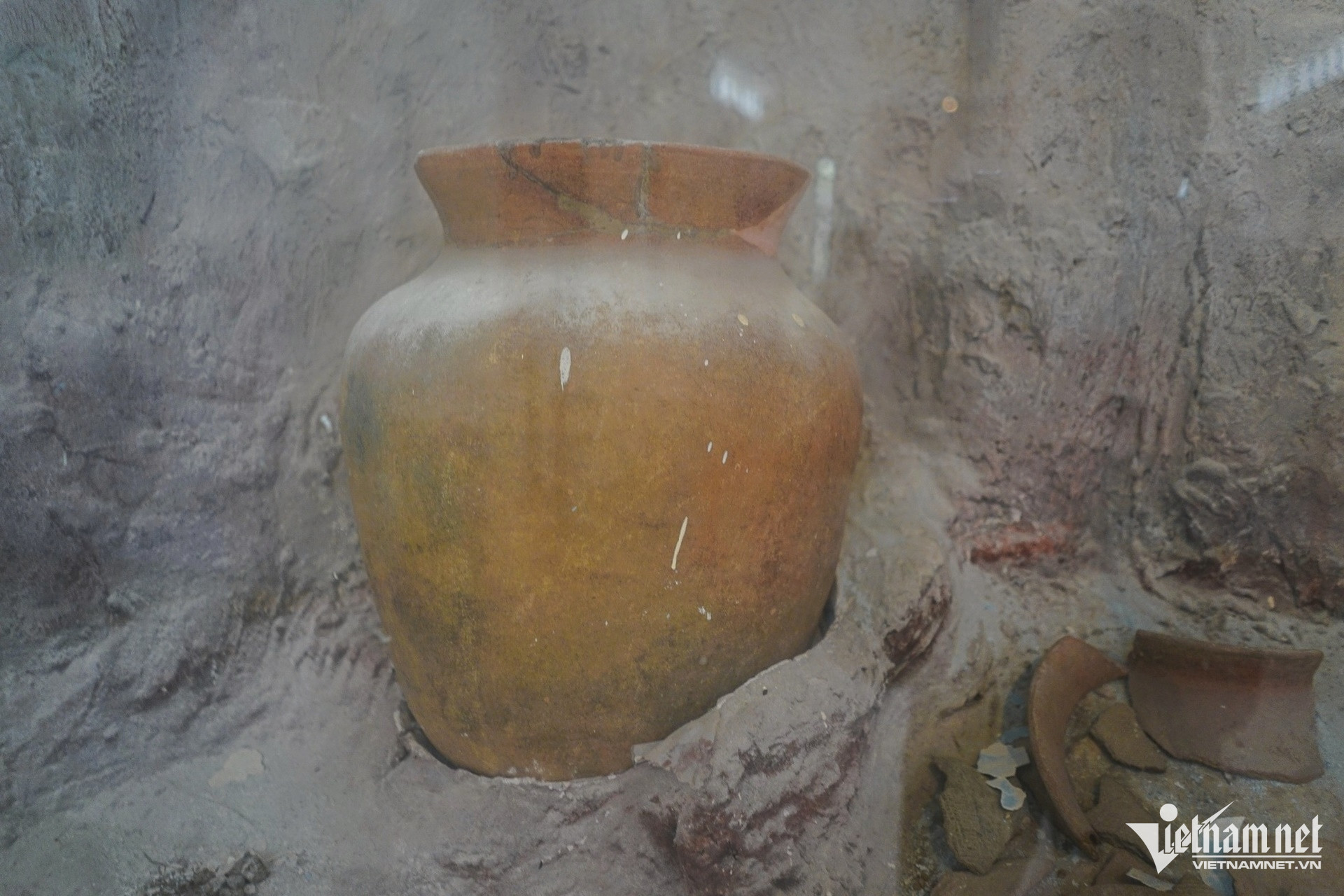
At the Sa Huynh-Champa Culture Museum, burial jars are displayed among layers of soil and pottery fragments, helping visitors understand the archaeological contexts in which they were discovered.
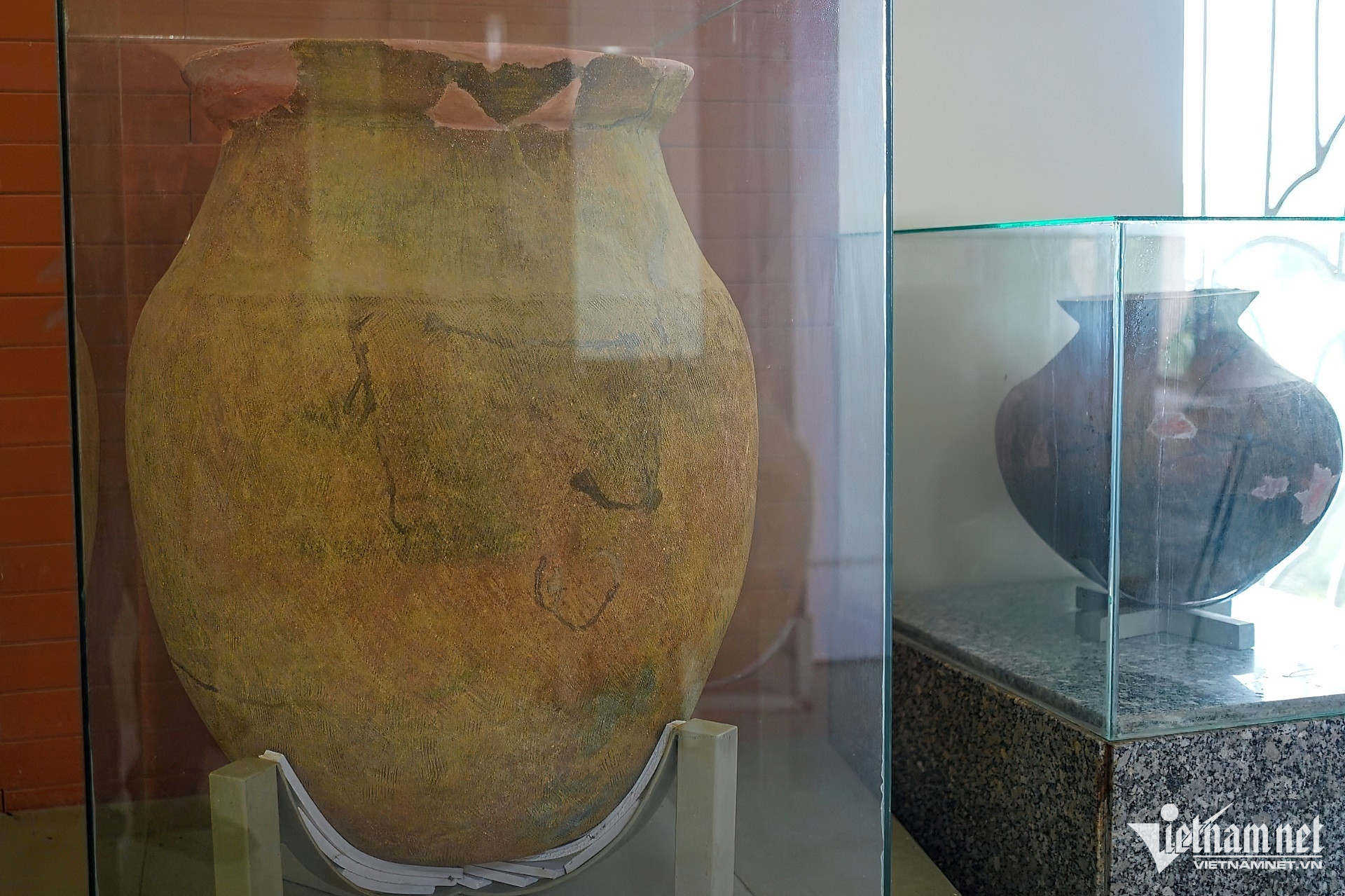
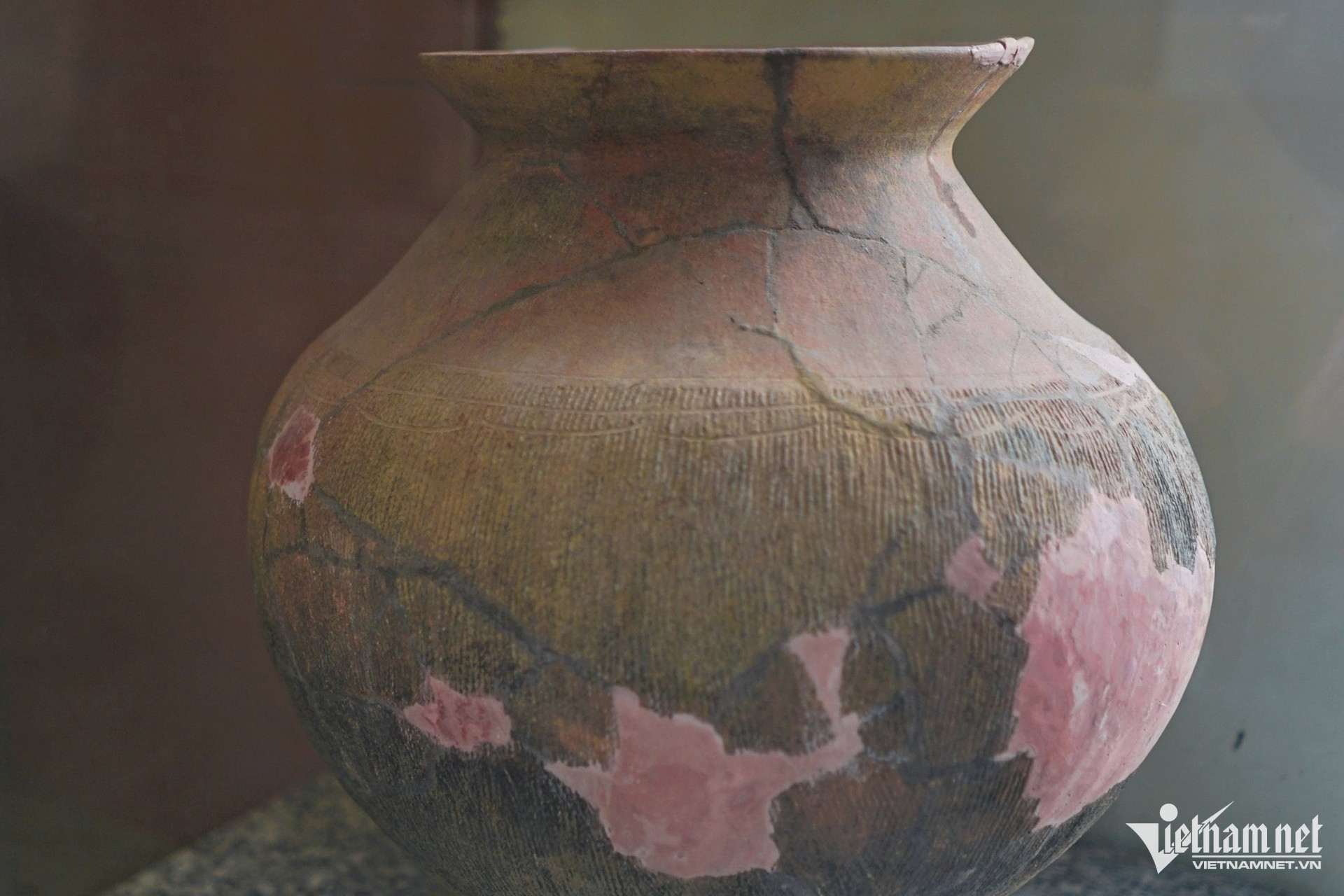
Two ceramic burial jars, one egg-shaped and the other spherical, are displayed side by side.
The egg-shaped vessel on the left has an elongated, rounded body that gradually narrows toward its base. The spherical jar on the right features a broad, rounded body, short neck and flared opening.
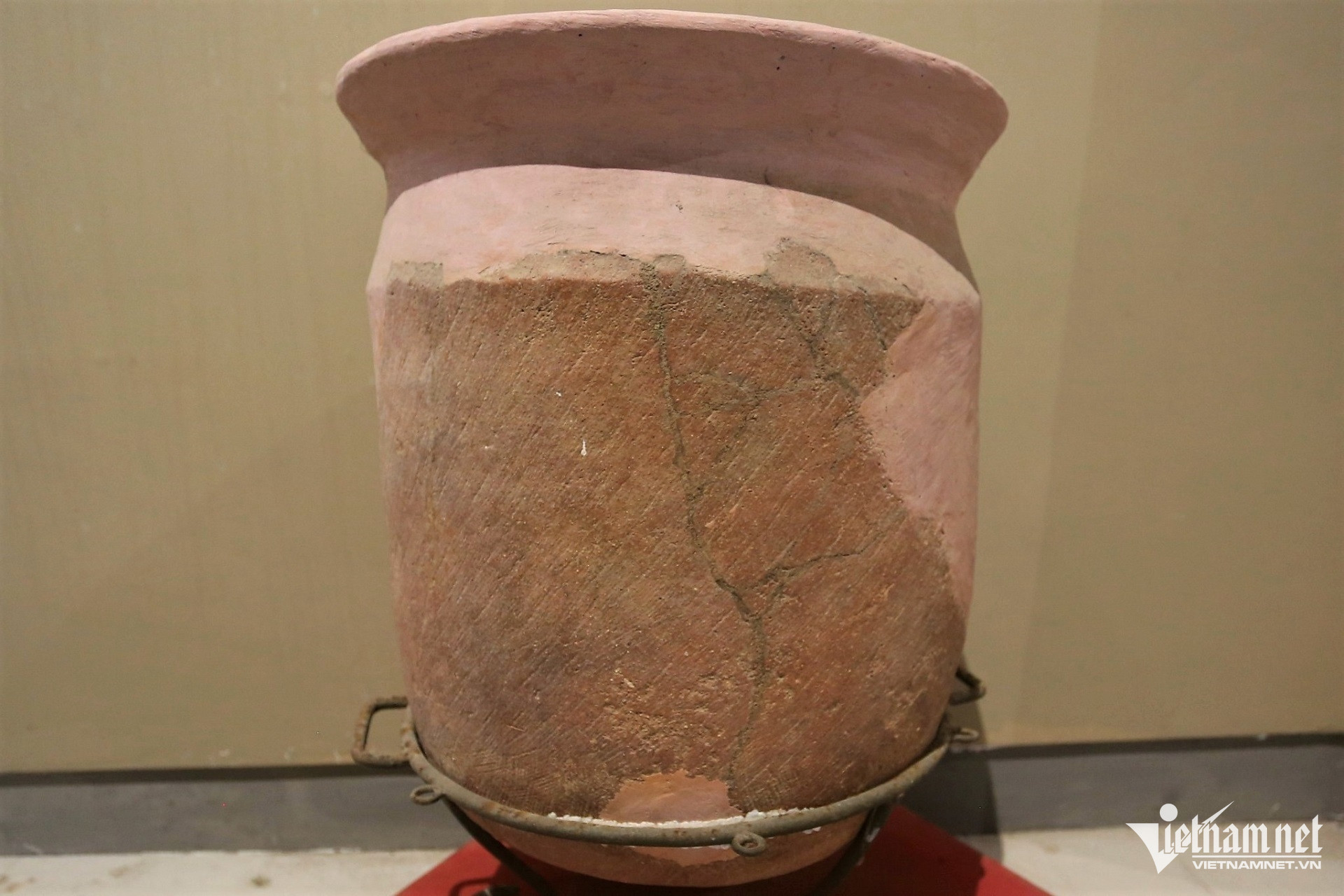
A closer look at the spherical vessel reveals its swollen body, flared rim and tapering base, along with numerous cracks, reconstructed joints and restored ceramic sections.
The egg-shaped jar has an elongated body that widens around the middle before narrowing toward the bottom.
Cord-marked decorative patterns remain visible on its surface, together with evidence of reconstruction and restoration.
Burial offerings reflect beliefs in the afterlife
Archaeologists have also uncovered numerous grave goods inside and around the burial jars, including iron and bronze tools, pottery and jewelry made from agate and glass.
"The ancient Sa Huynh people believed that life continued after death. That is why the deceased were buried with belongings they could use in the afterlife," Thao explained.
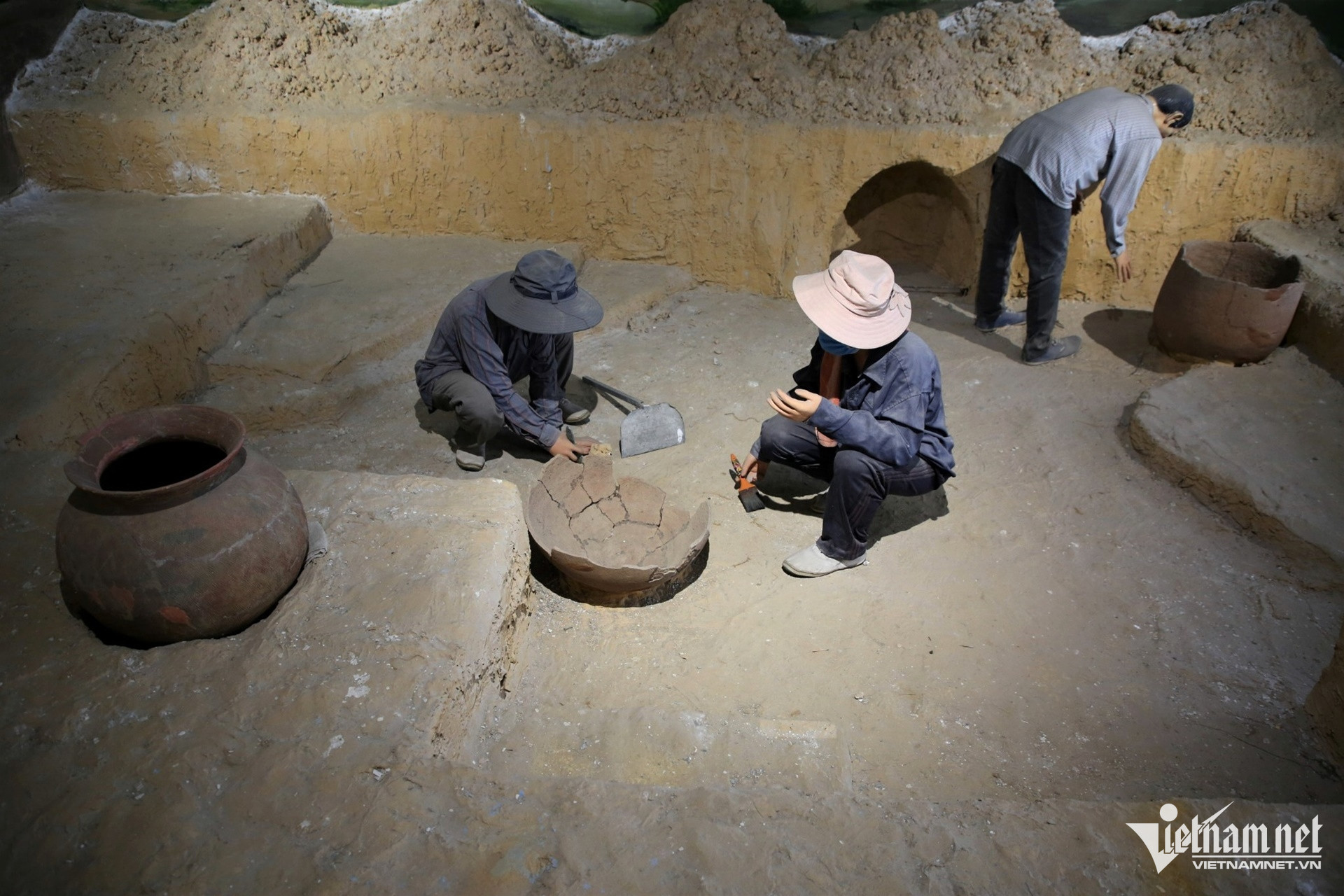
At the second branch of the Da Nang Museum in Ban Thach Ward, a reconstructed excavation pit from the Lai Nghi archaeological site helps visitors visualize how archaeologists uncover and study ceramic burial jars and other artifacts buried deep underground.
One lidded jar discovered at Lai Nghi has a tall cylindrical body, flared opening, tapering base and truncated-cone-shaped lid.
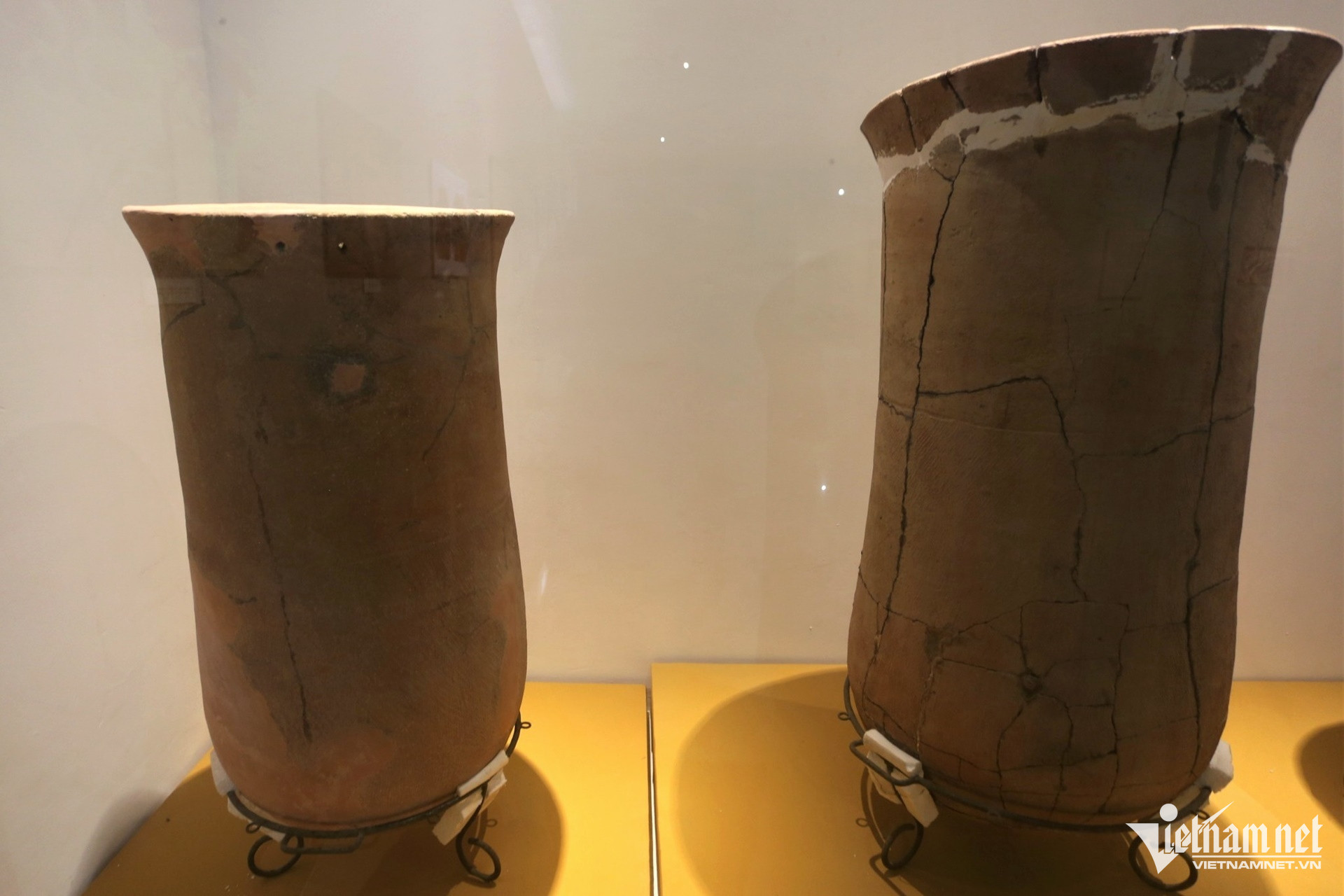
Another display features two cylindrical ceramic jars of different sizes.
The vessel on the left has relatively straight sides and a slightly flared rim, while the taller jar on the right has a wider opening and a body that gradually narrows toward the base.
Both artifacts retain visible pottery patterns and traces of restoration.
Together, the ceramic burial jars discovered at archaeological sites across Da Nang provide valuable evidence of the Sa Huynh civilization's pottery-making techniques, funerary traditions and spiritual life more than two millennia ago.
Ha Nam

