 Vietnamnet.vn

 Podcast



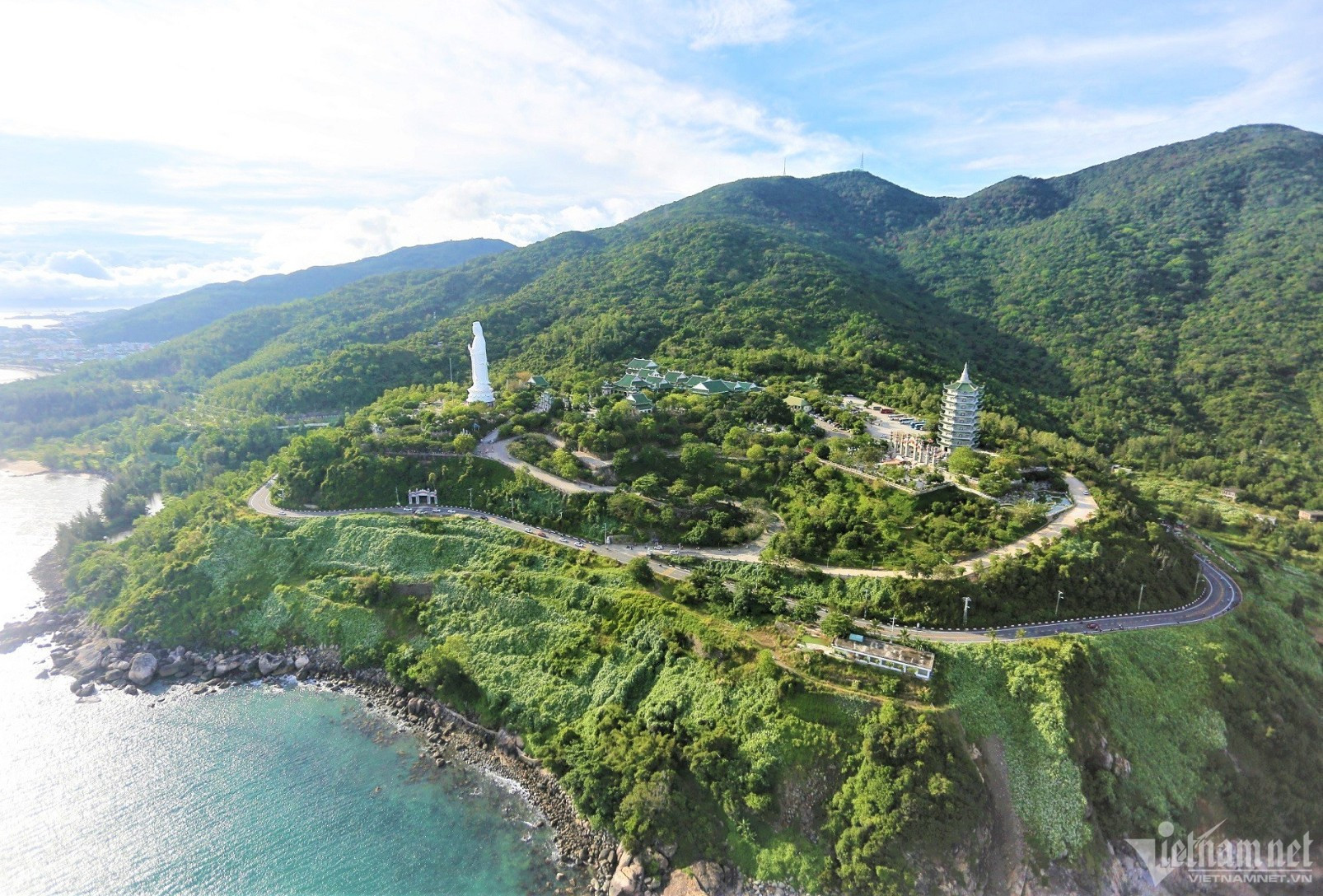
Located in Son Tra ward, the peninsula is bordered by the sea on three sides and backed by urban development on the other. Long regarded as the “green lung” and a “precious gem” of Da Nang, it spans more than 4,400 hectares and serves as a vital nature reserve rich in biodiversity.
Son Tra is home to a wide range of wildlife, including rare primates such as the red-shanked douc langur, golden monkeys and red-faced monkeys, making it a compelling destination for nature enthusiasts.
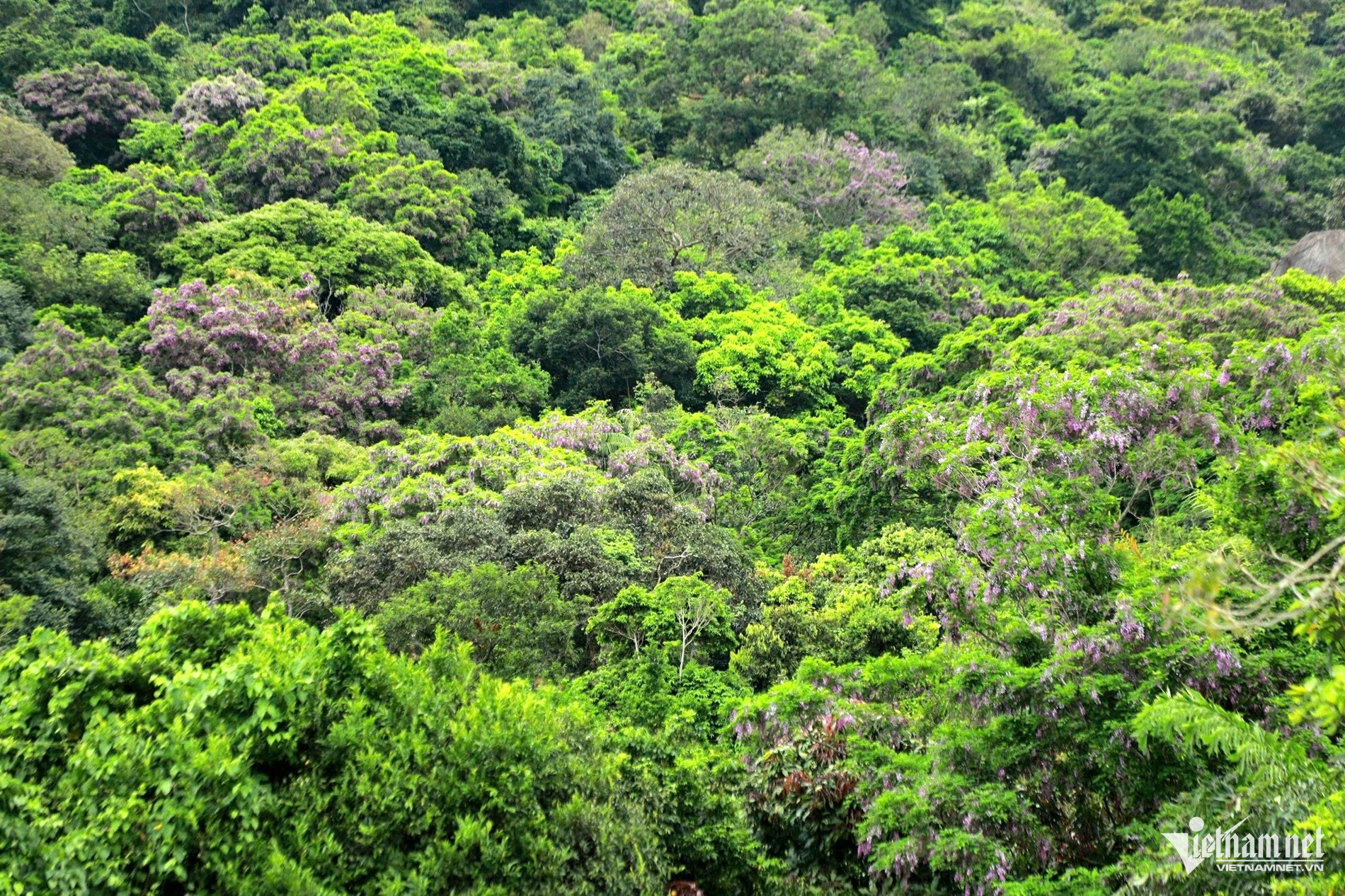
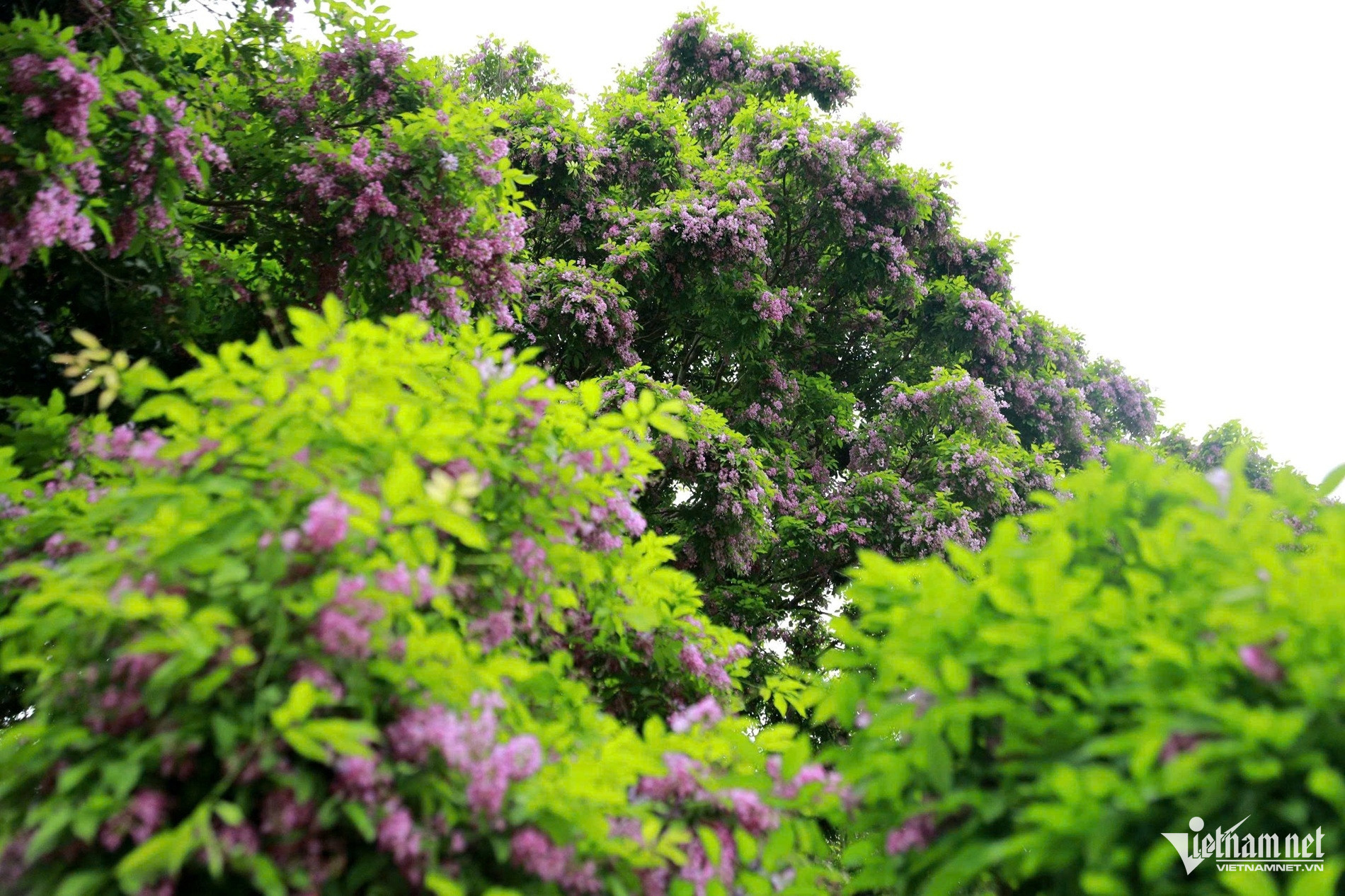
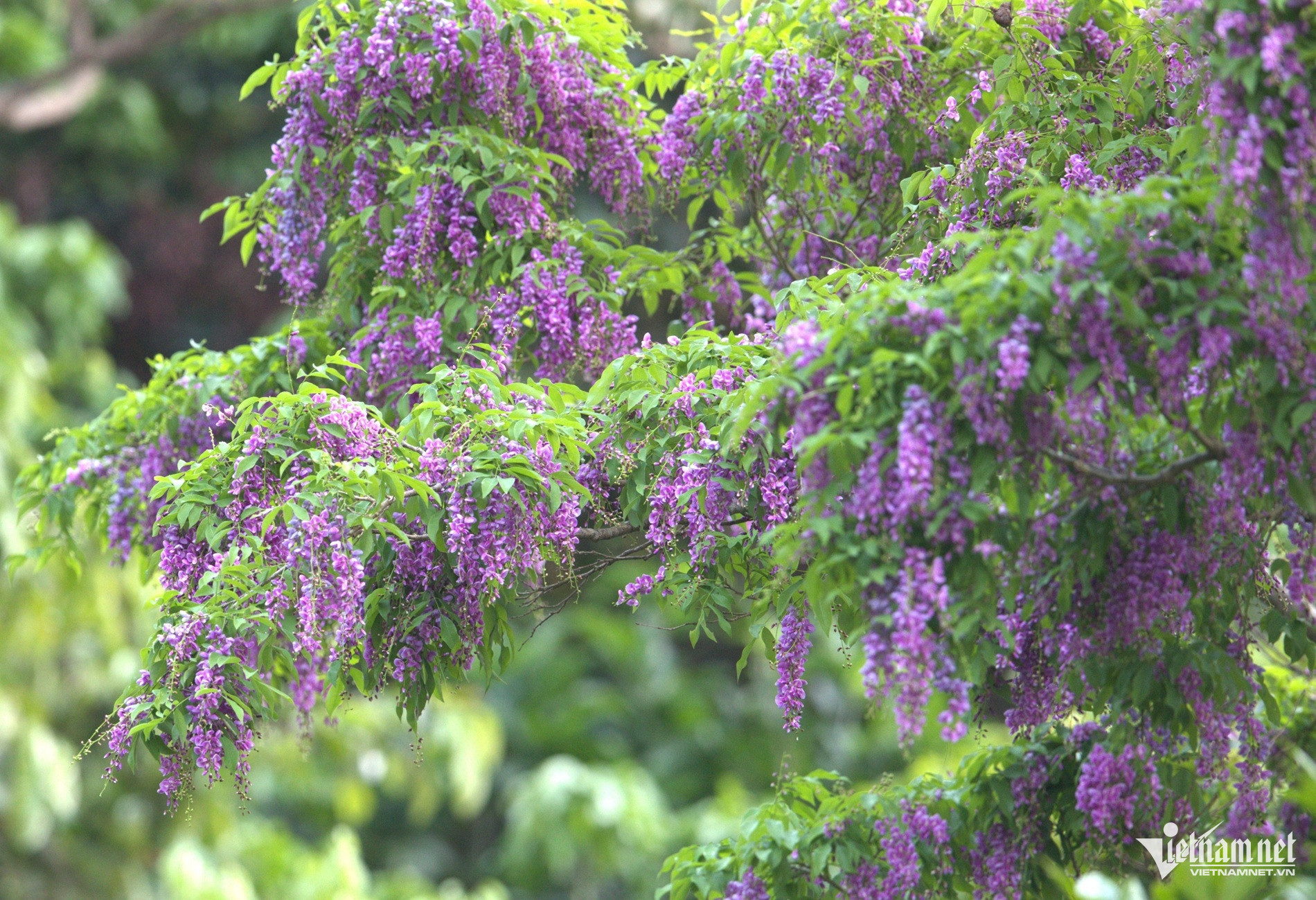
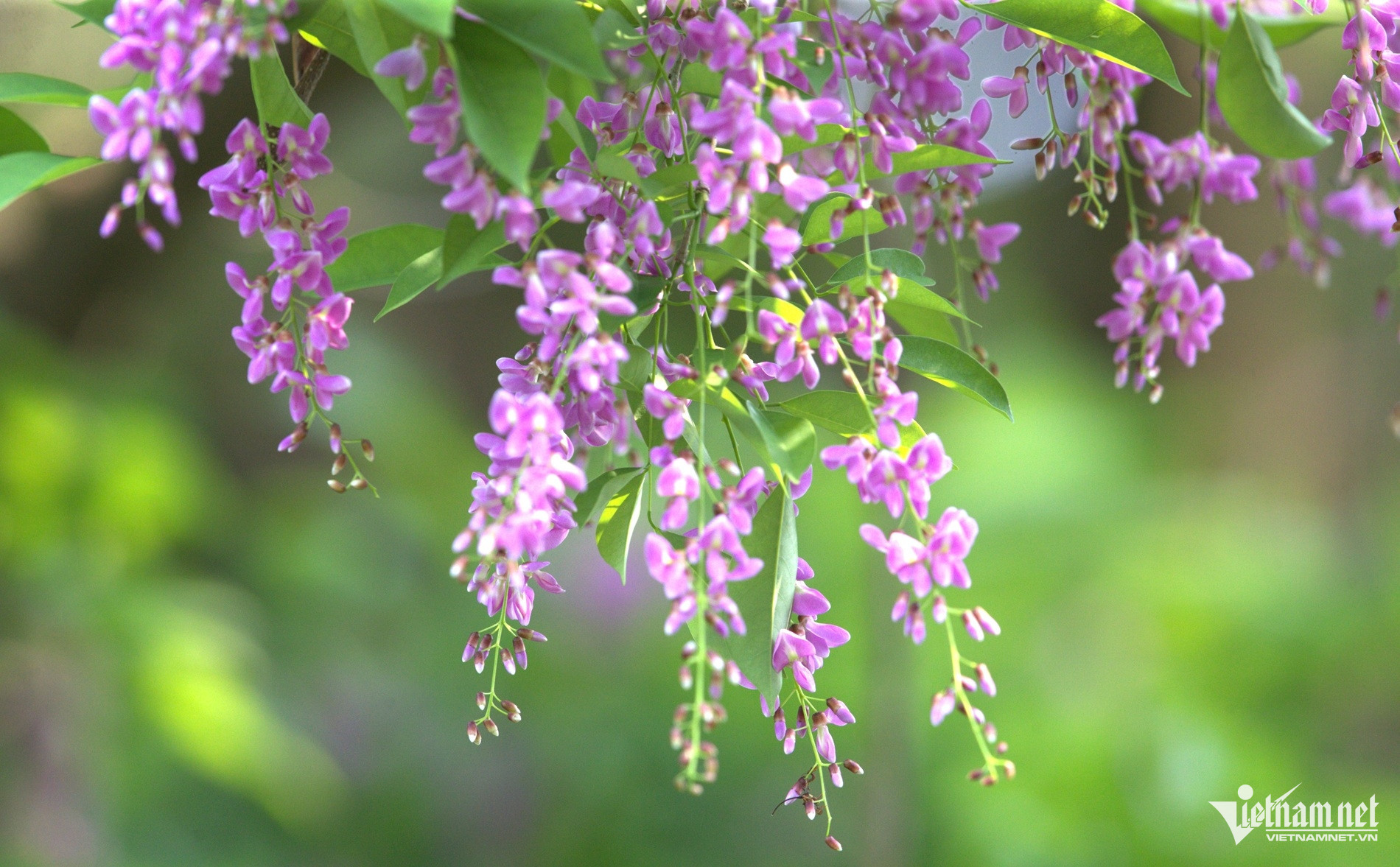
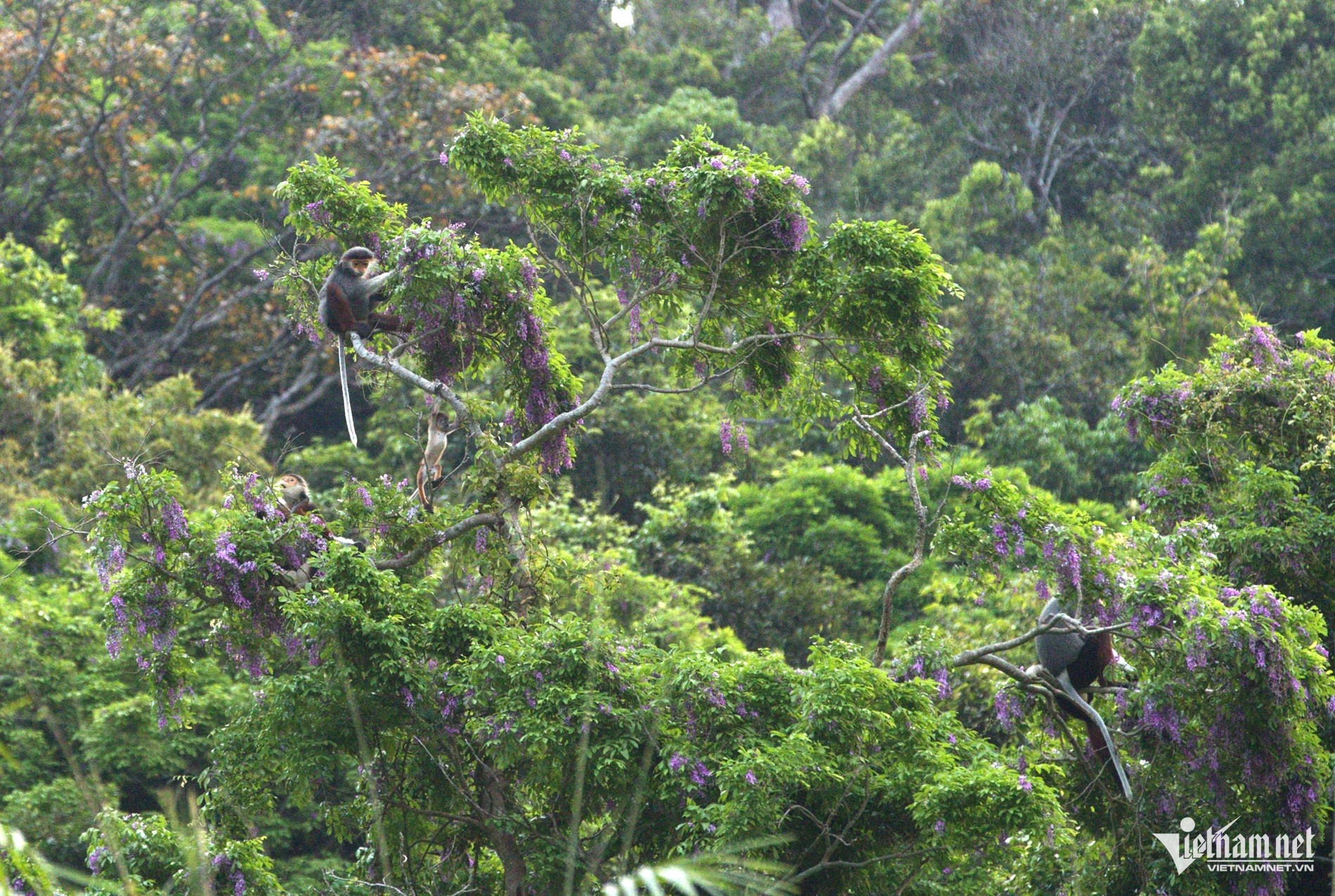
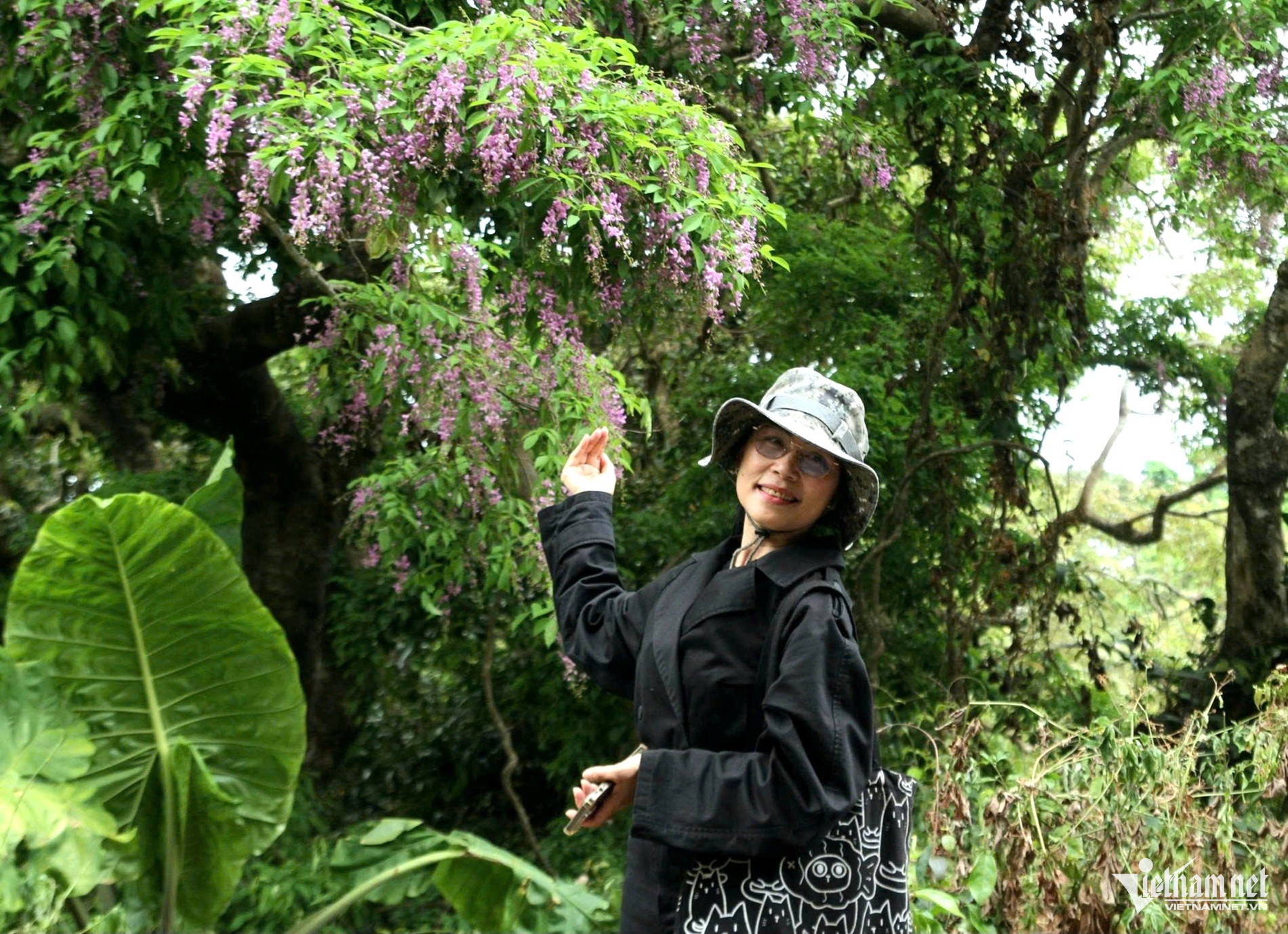
As April draws to a close, the landscape takes on a gentle charm. Clusters of thàn mát flowers, with their distinctive purple tones, bloom across the peninsula, creating a striking contrast against the deep green of the forest.
Along the roads - especially the route leading to Ban Co Peak - the blossoms stretch across the hillsides, forming a vivid natural tapestry.
The flowers grow on trees typically 4 to 5 meters tall, with some ancient trees reaching nearly 10 meters. Carried by the sea breeze, their subtle fragrance adds a calming, refreshing layer to the experience.
According to local residents, thàn mát flowers usually bloom from April to May each year. This period is also considered the best time to explore Son Tra, with dry weather conditions ideal for trekking, sightseeing and nature photography.
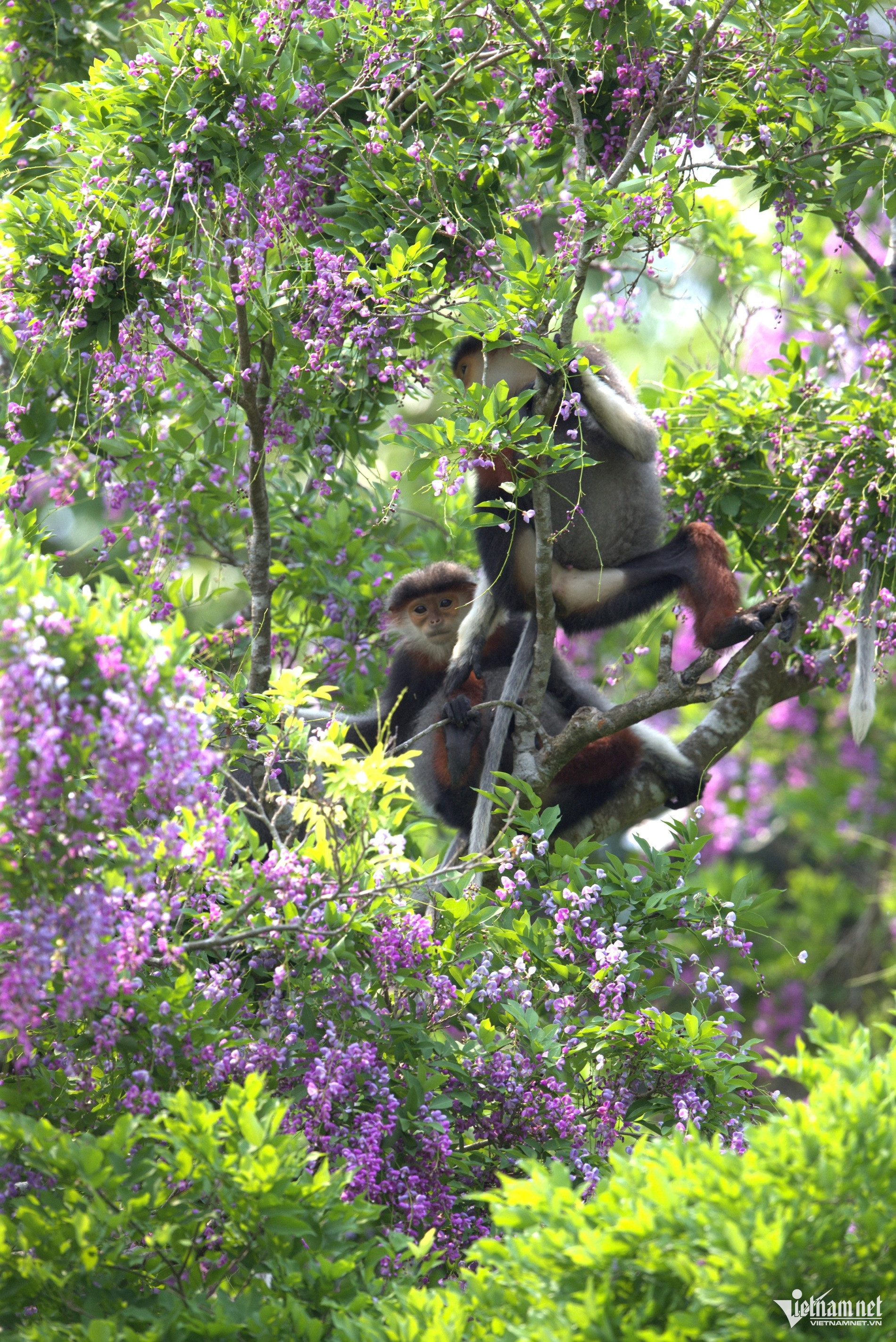
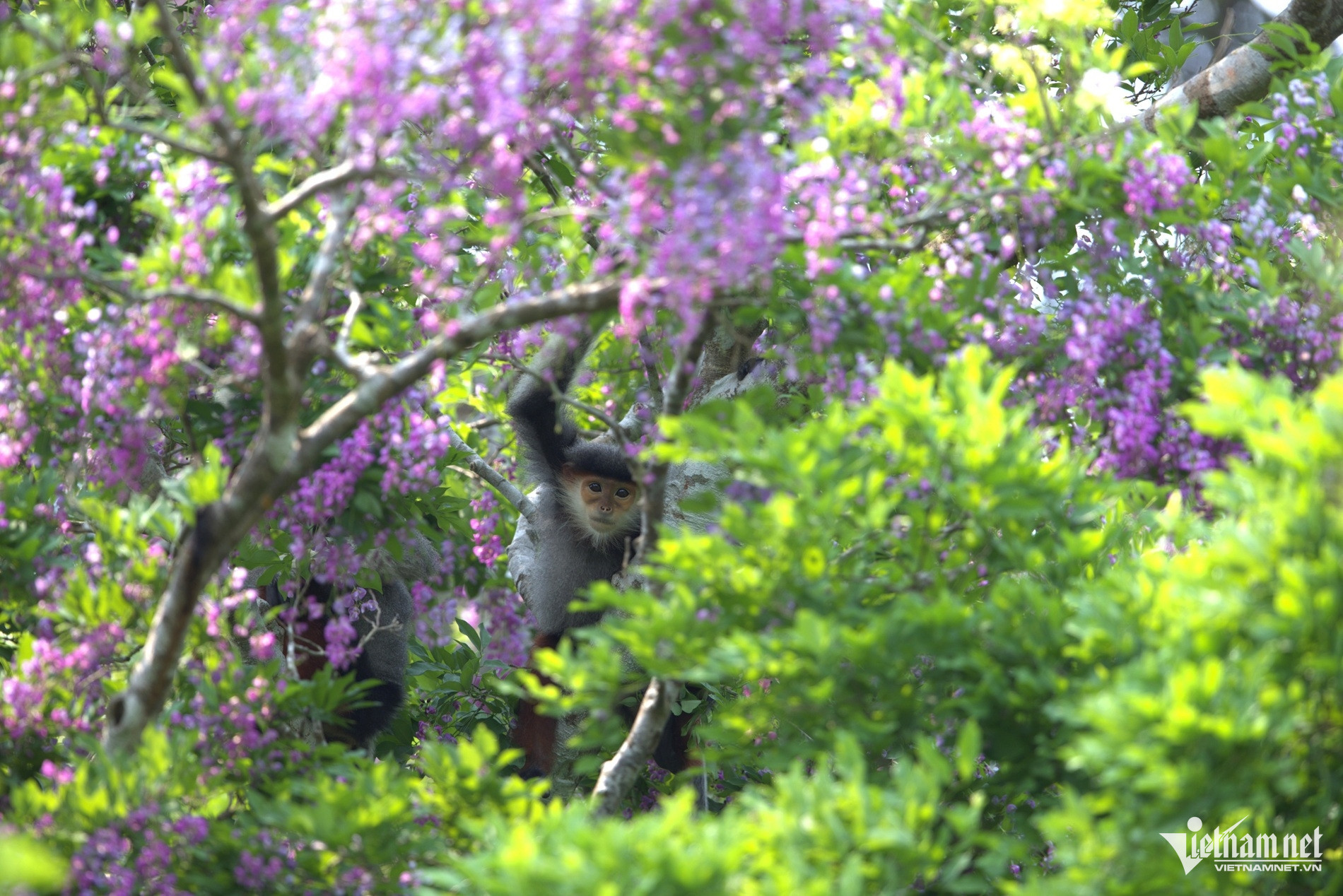
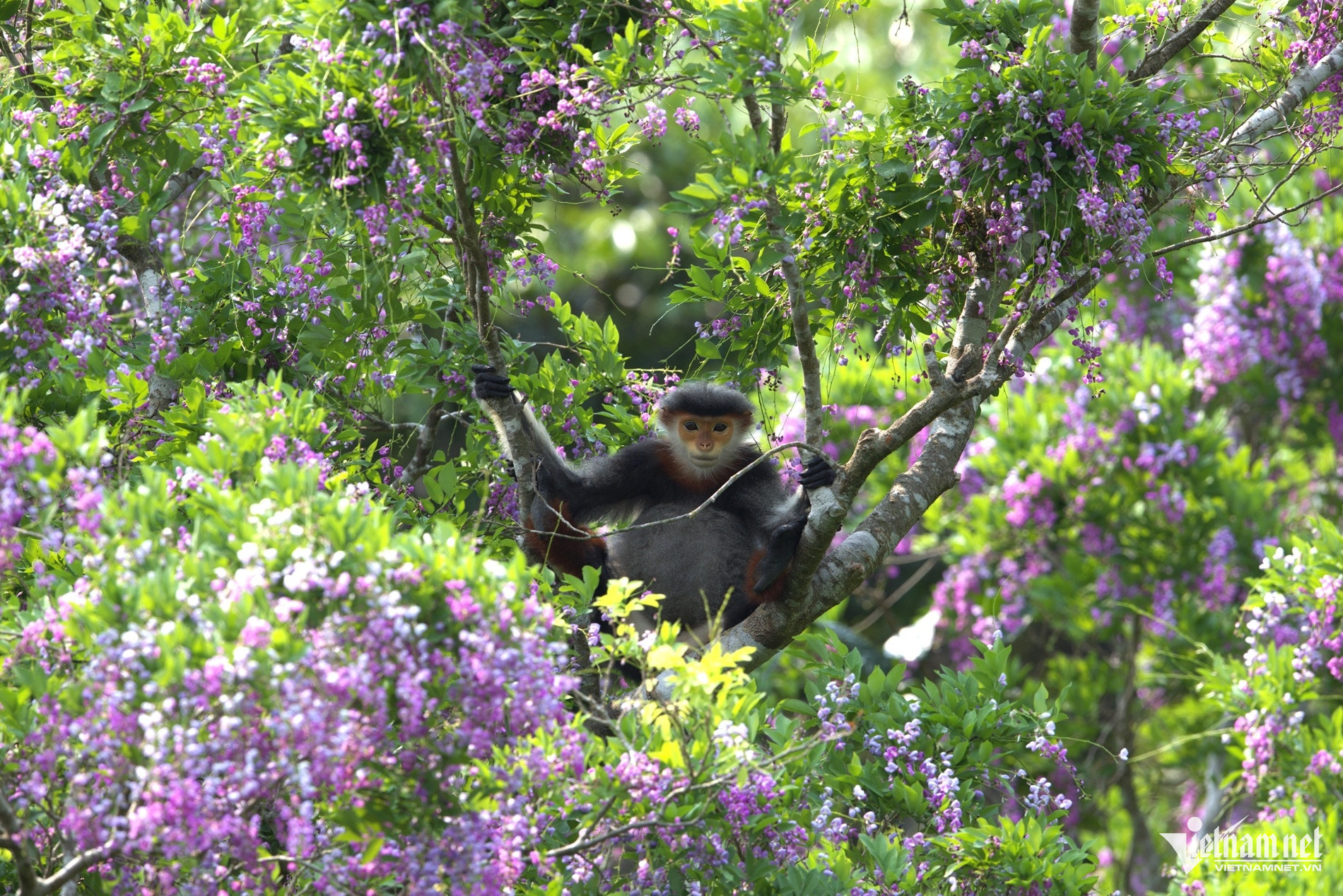
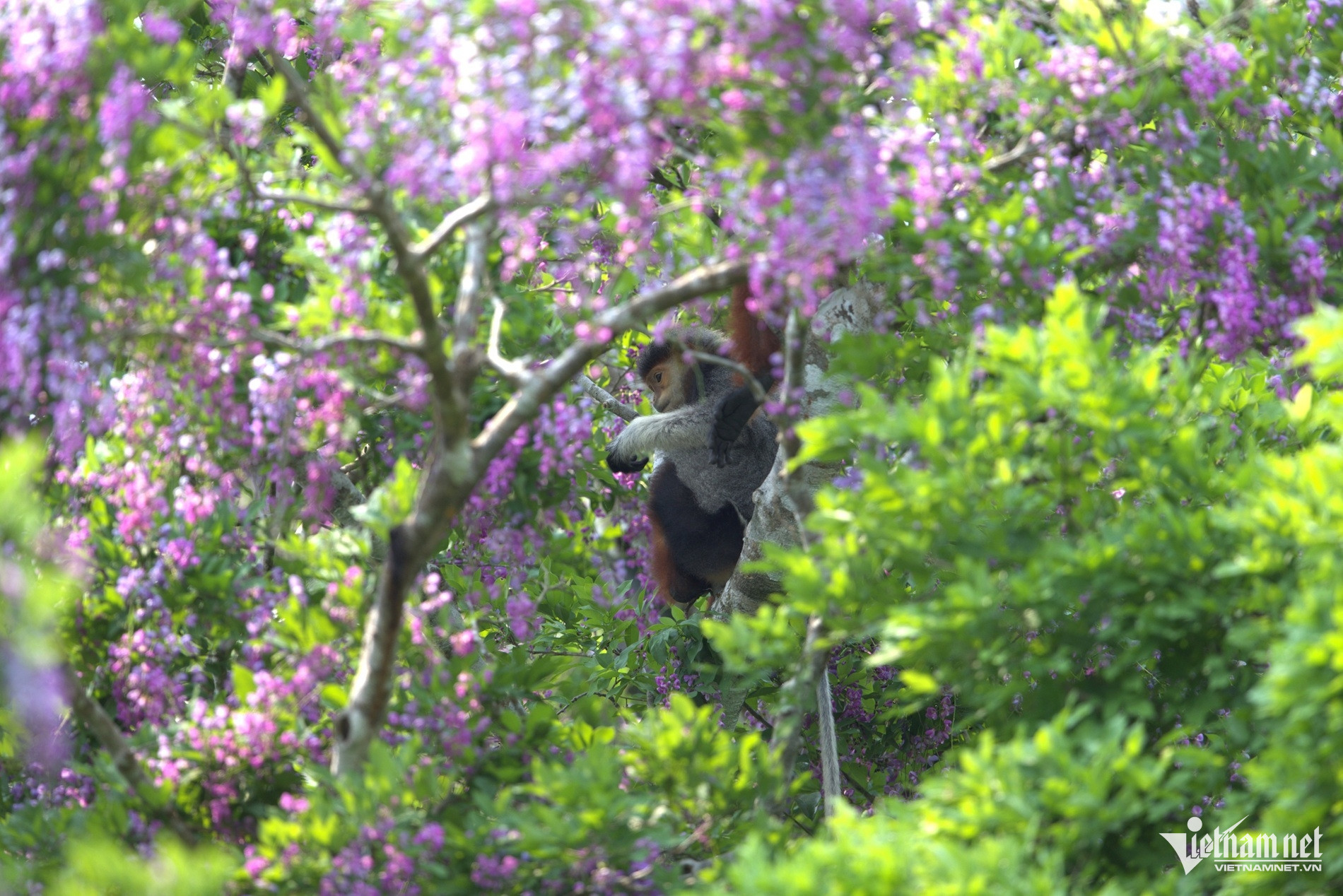
Amid the purple canopy, red-shanked douc langurs can often be seen moving through the trees in search of food, particularly in the early morning or late afternoon. Known as the “queen of primates,” this species is listed in Vietnam’s Red Book.
During the blooming season, thàn mát flowers also serve as a food source for the langurs, increasing the chances for visitors to observe them in their natural habitat.
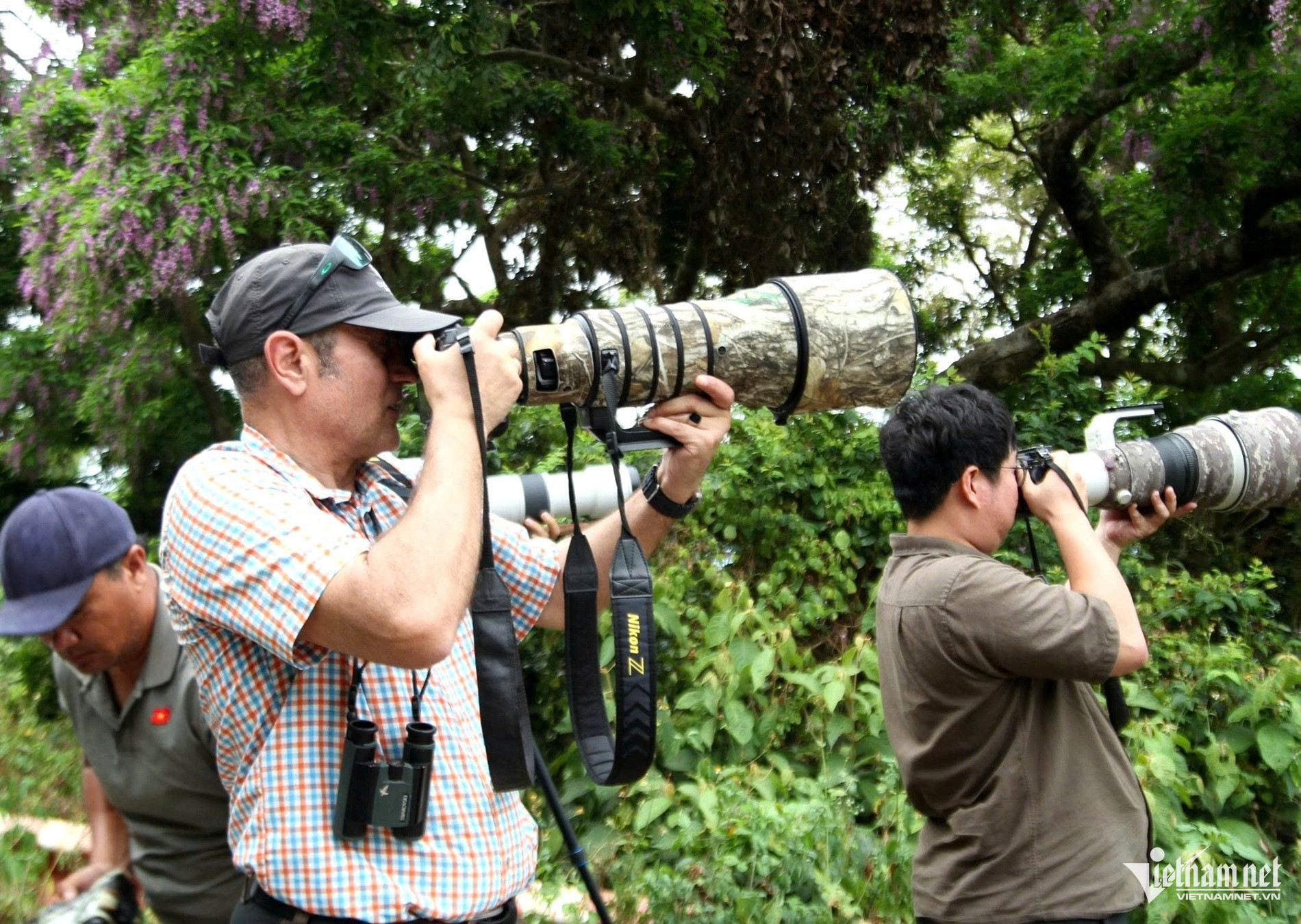
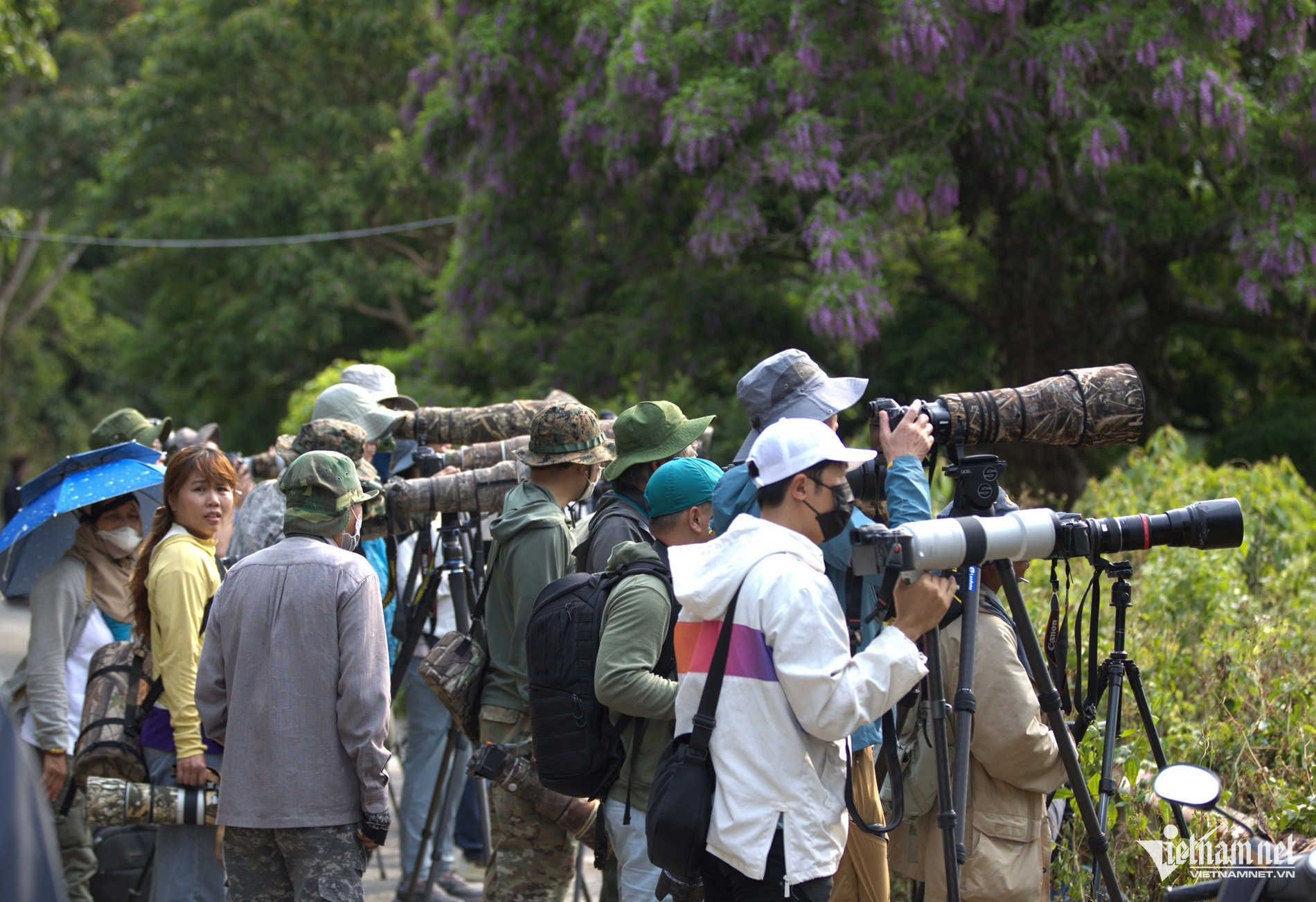
These days, Son Tra Peninsula is attracting large numbers of tourists and photographers eager to experience the seasonal spectacle and capture rare moments of wildlife among the blossoms.
To fully appreciate the scenery and increase the chance of spotting the langurs, visitors are advised to arrive early in the morning, between 5am and 9am, or in the late afternoon from 4pm to 6pm.
Ho Giap
.svg)
