 Vietnamnet.vn

 Podcast



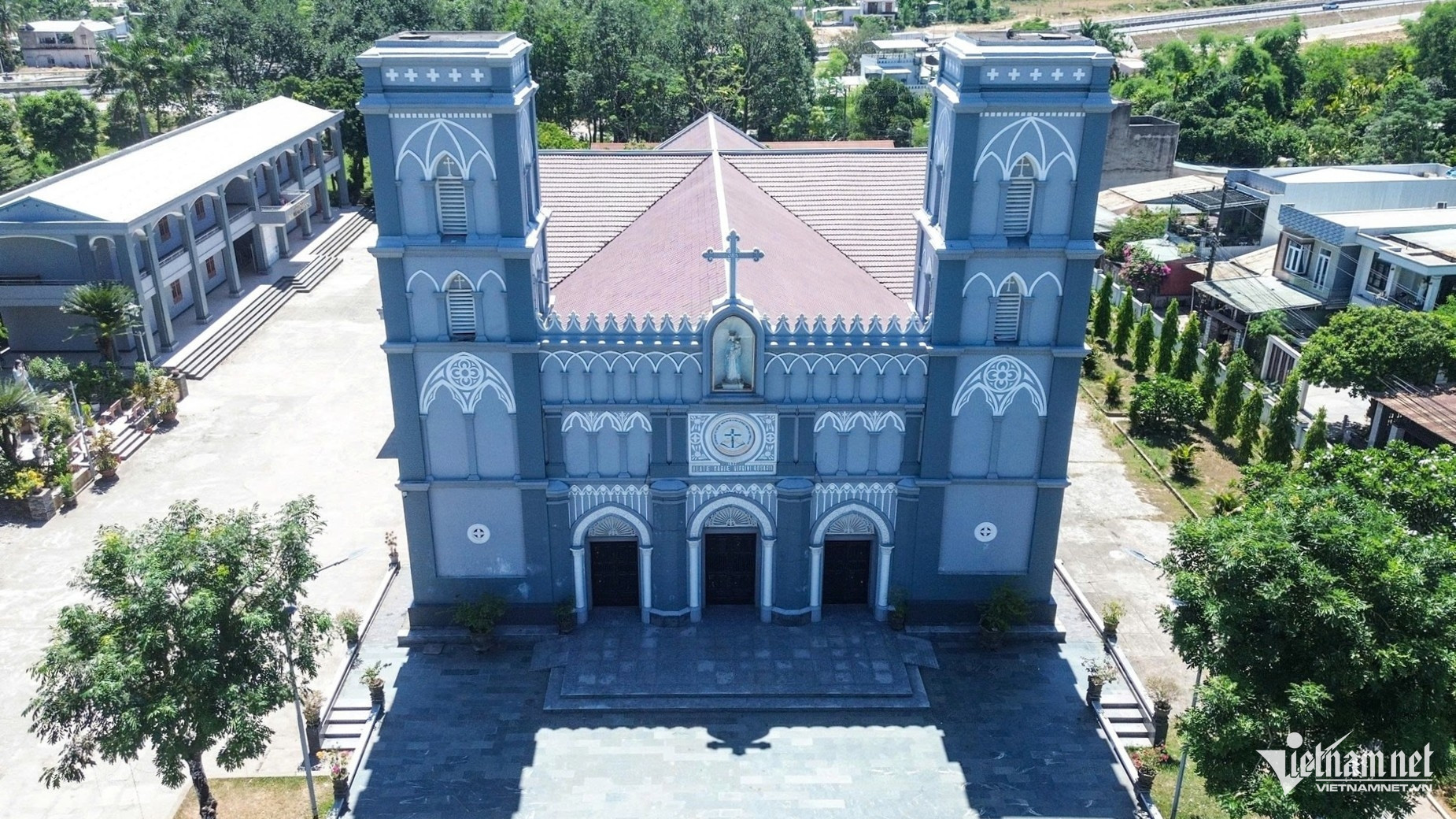
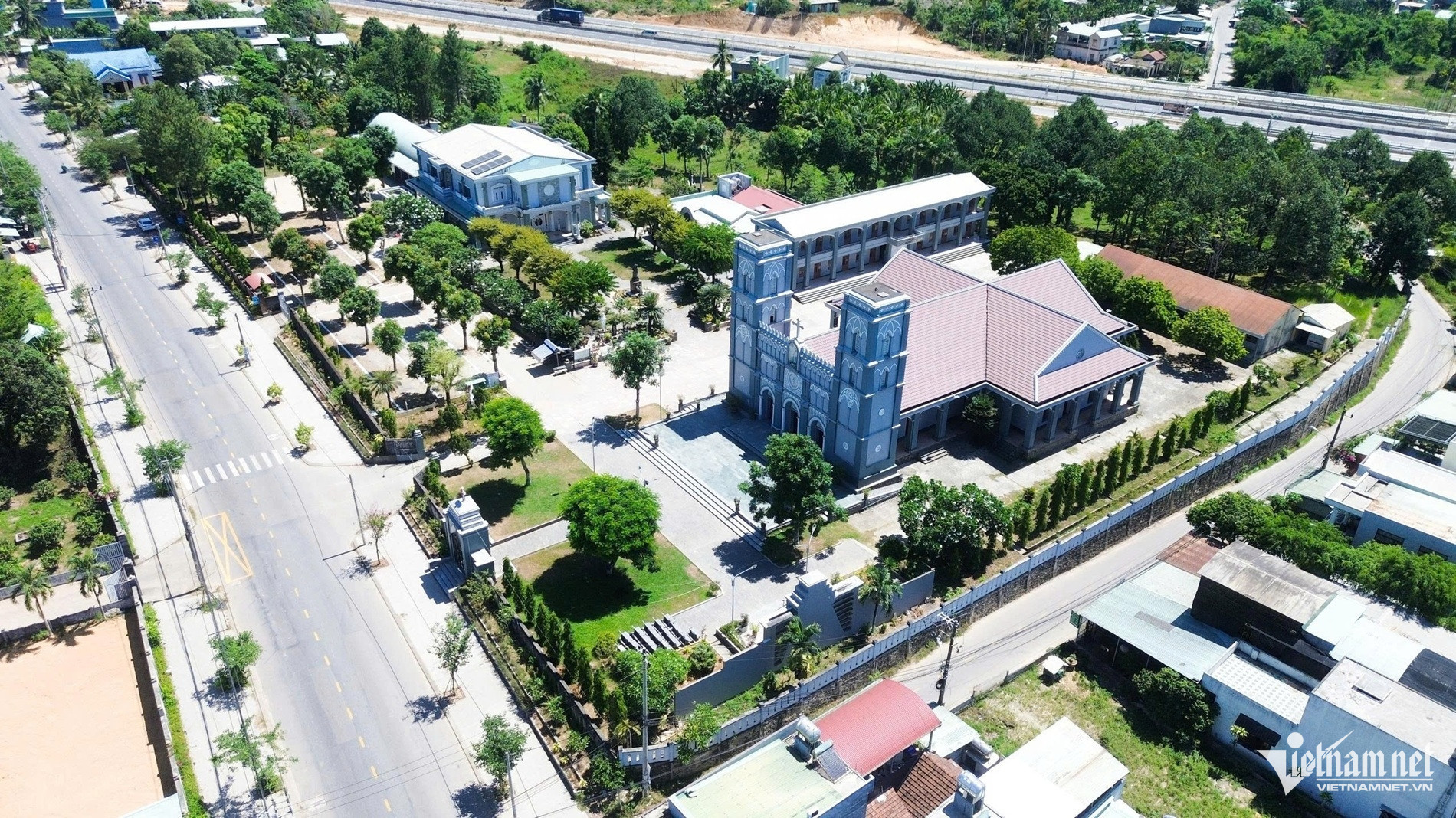
About 15km west of downtown Da Nang, Phu Thuong Church stands quietly along Road 605 in Hoa Khanh Ward, bearing witness to more than a century of history.
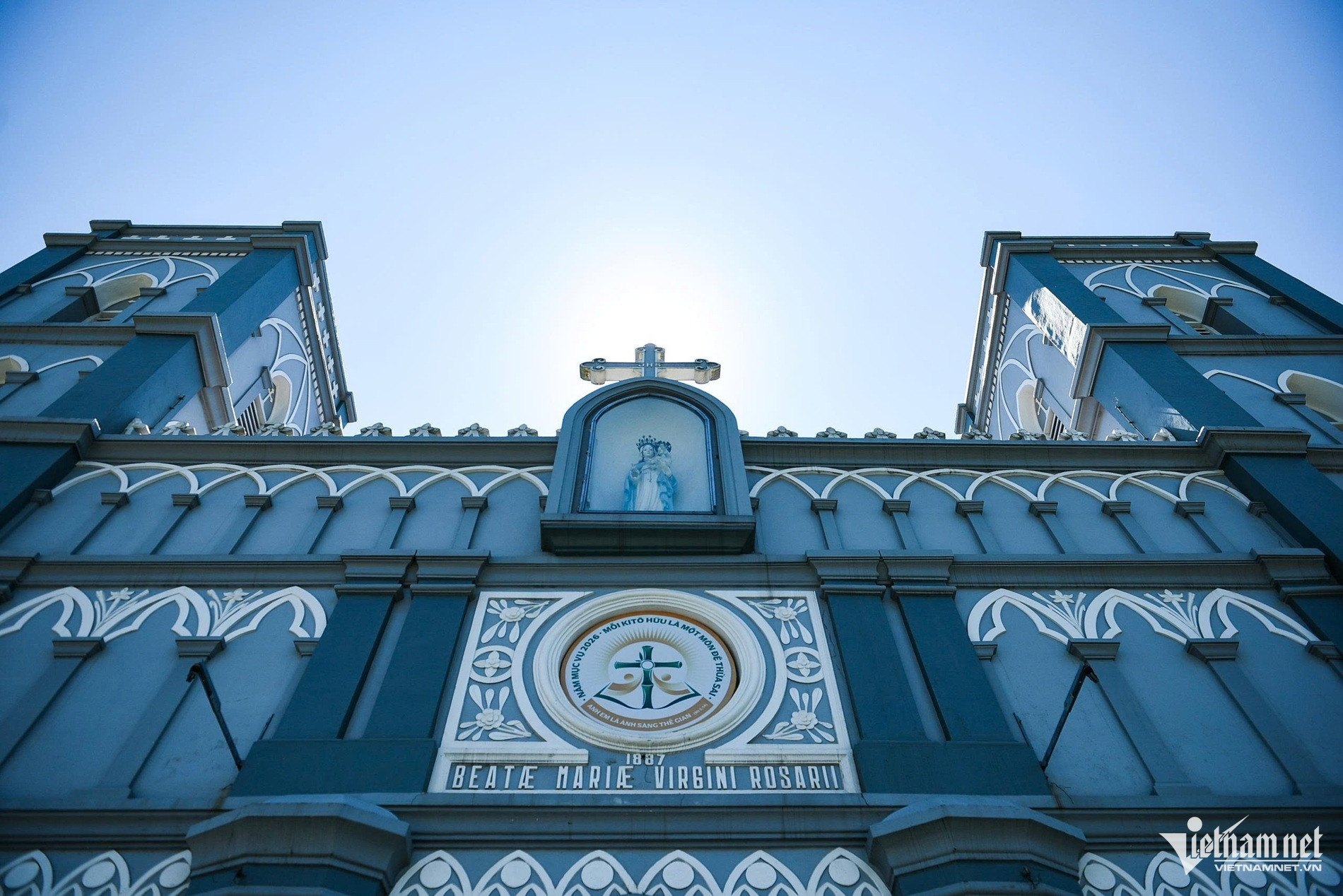
Built in 1887, it is one of the oldest churches in the western part of the city, dating from the same period as long-established Catholic parishes such as An Ngai, Tung Son and Loc Hoa.
Despite undergoing several restorations, Phu Thuong Church has retained its original appearance for nearly 140 years.
According to historical records, Phu Thuong Parish was established in 1876 by French missionary priests. In its early days, the Catholic community numbered only a few hundred people, who made their living mainly by growing tea and cultivating fields and upland farms.
Before the present church was built, the site was home to a simple thatched wooden church facing east, constructed by Father Co Tan between 1870 and 1884.
In 1887, Father Co Thien Maillard oversaw the construction of a larger and more substantial church. At the time, sand and gravel had to be carried by hand from Tuy Loan, while the mortar was made from a mixture of lime, molasses and bark from the boi loi tree, as cement was not yet available.
All of these materials were transported manually to the construction site, helping create a church that remains standing to this day.
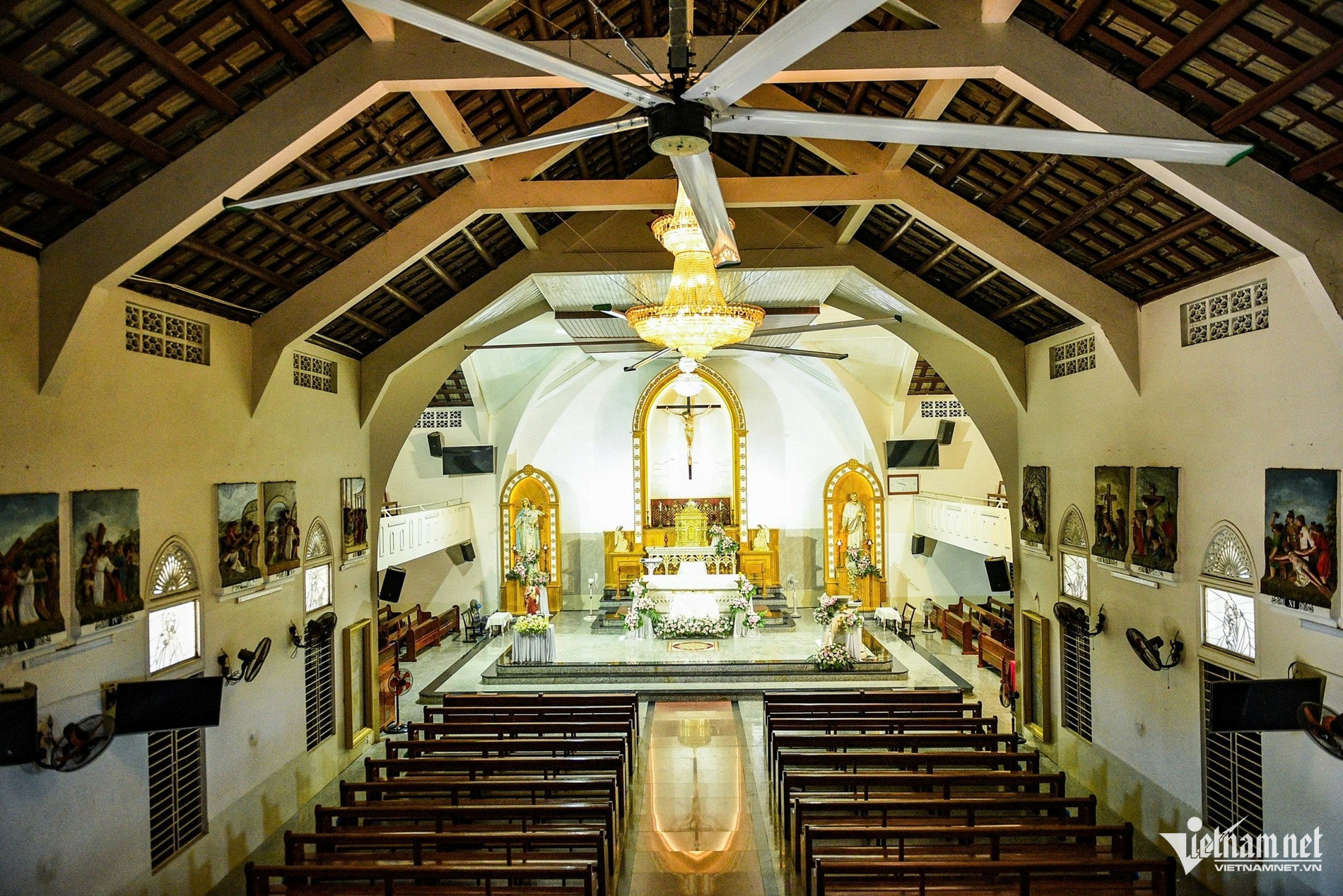
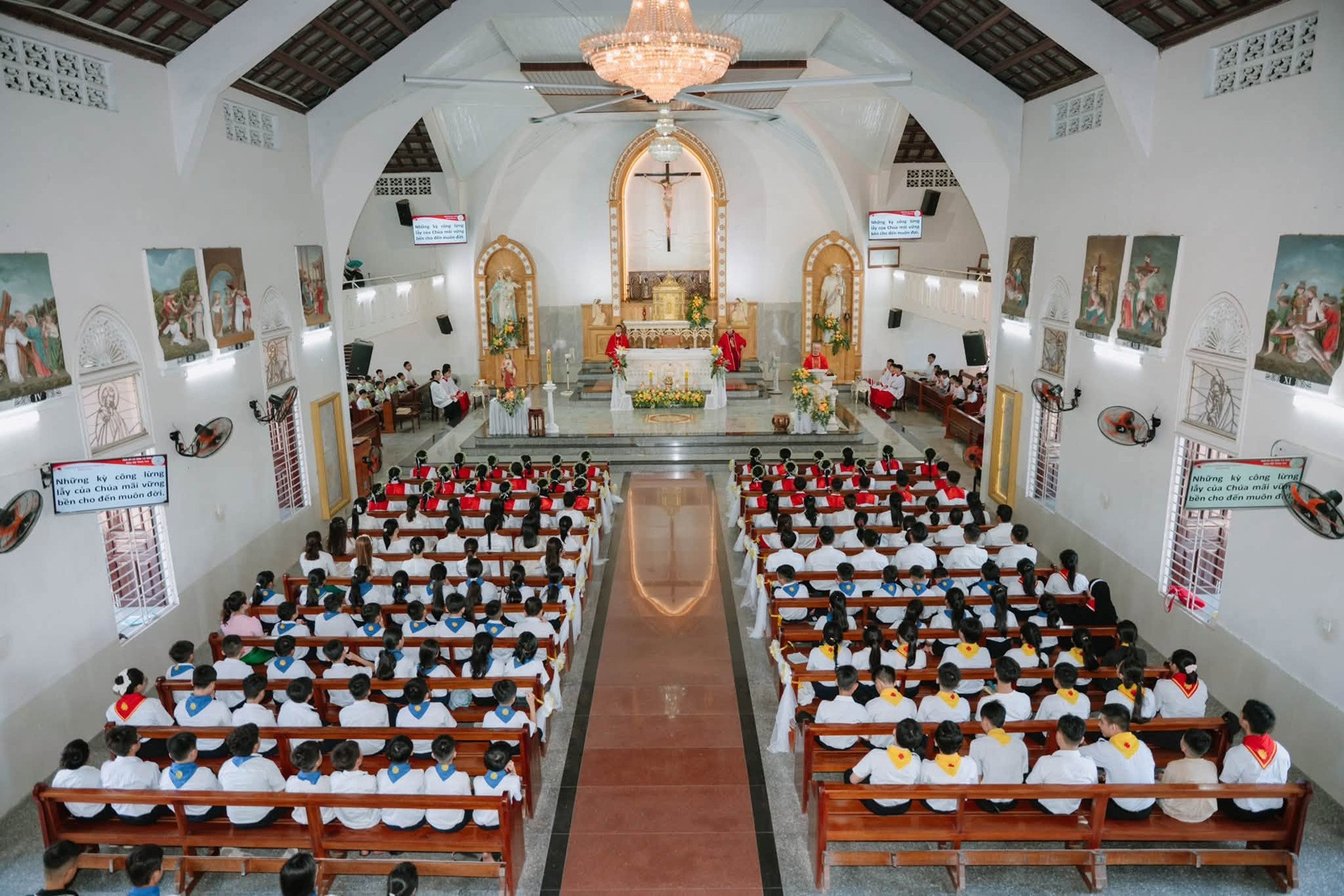
The building is distinguished by a system of wooden columns and roof beams rising more than eight meters, along with two bell towers about 19 meters high. It is regarded as one of the notable structures built by the priest during that period.
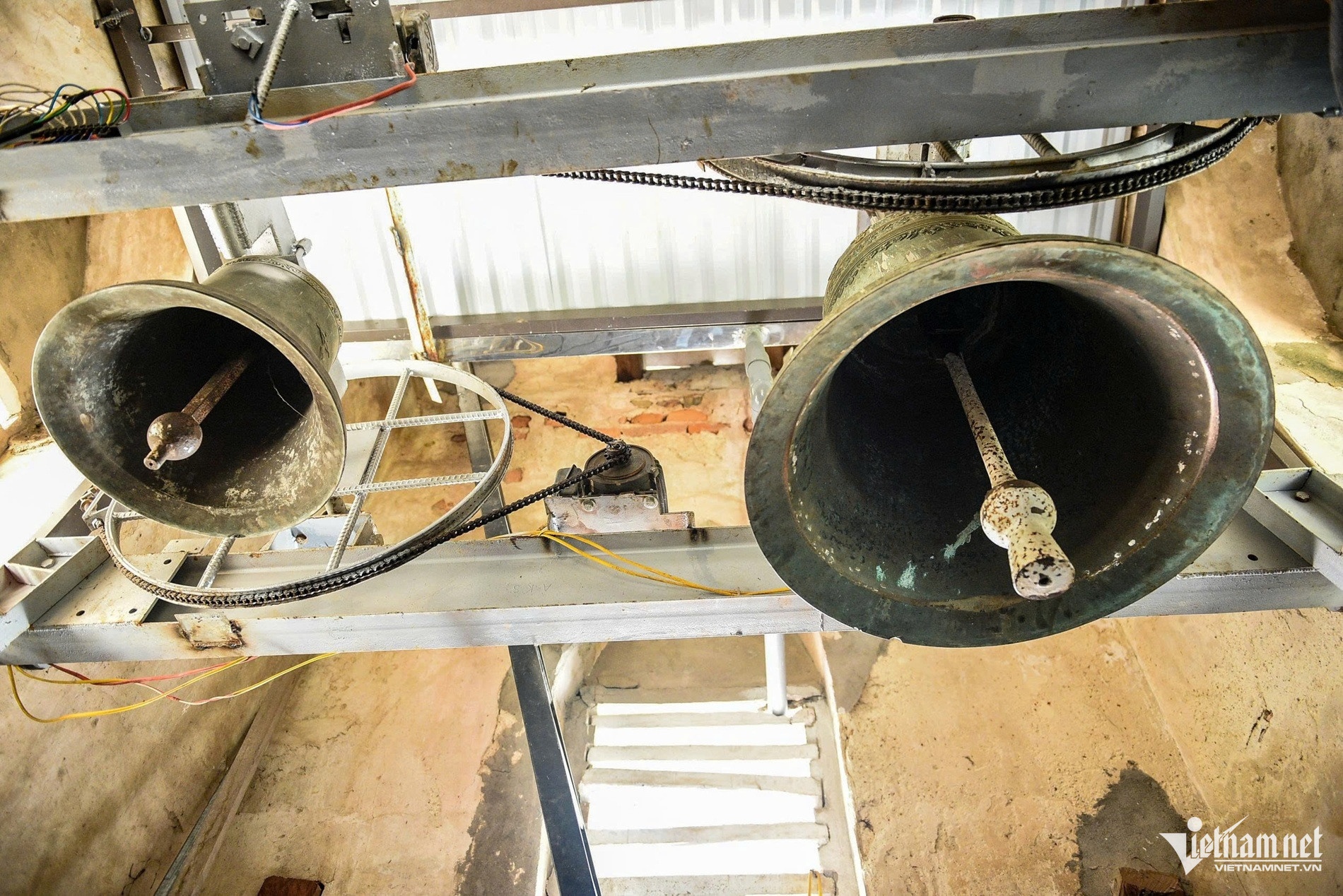
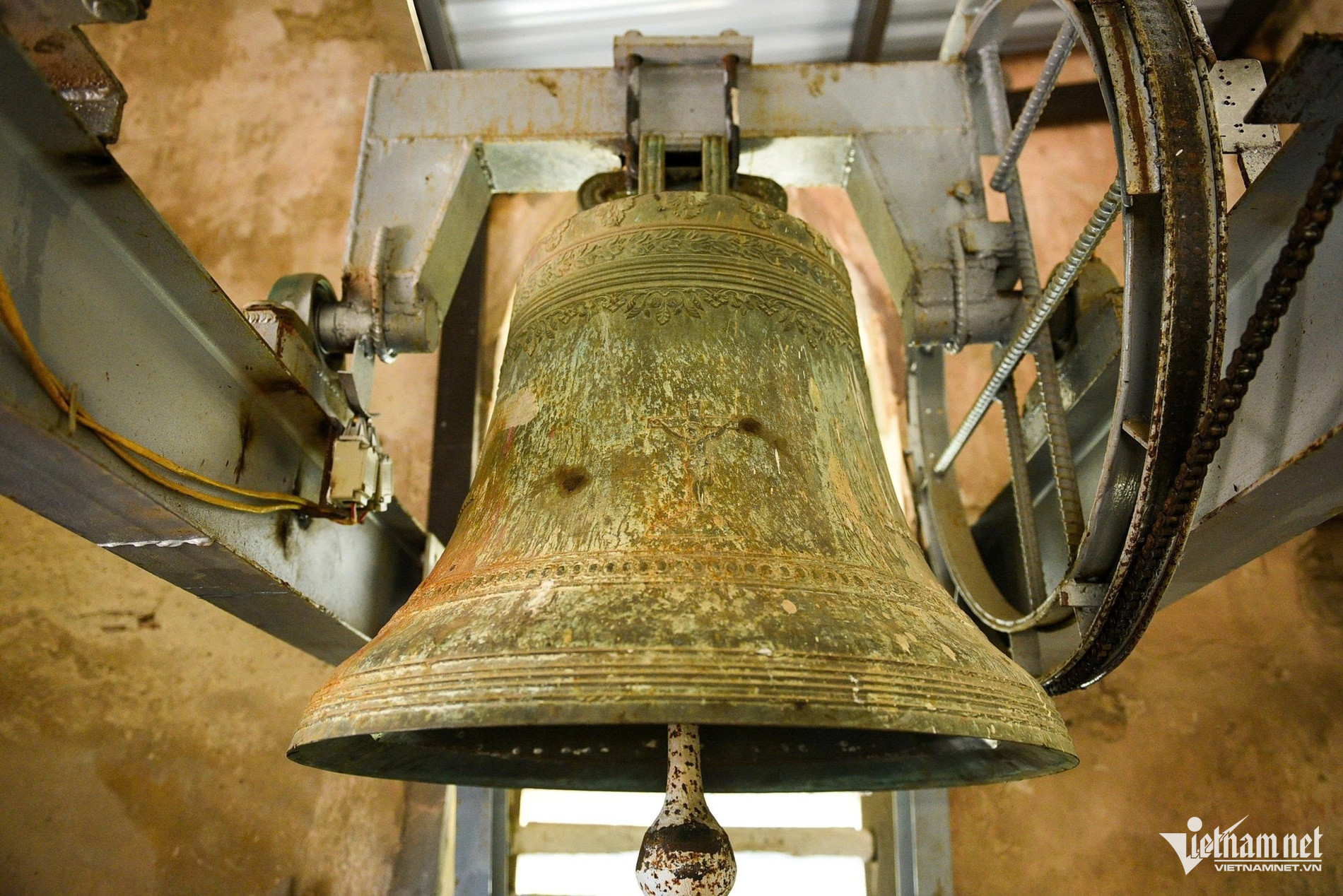
The most distinctive feature of Phu Thuong Church is its historic bronze bell, cast in the same year the church was completed.
According to Father Marcello Doan Minh, parish priest of Phu Thuong under the Diocese of Da Nang, the bell weighs about 100kg and was cast from bronze collected from cannons abandoned after conflicts in the late 19th century.
"Instead of reusing the metal to make more weapons, the people of Phu Thuong Parish collected it and used it to cast a church bell," Father Marcello Doan Minh said.
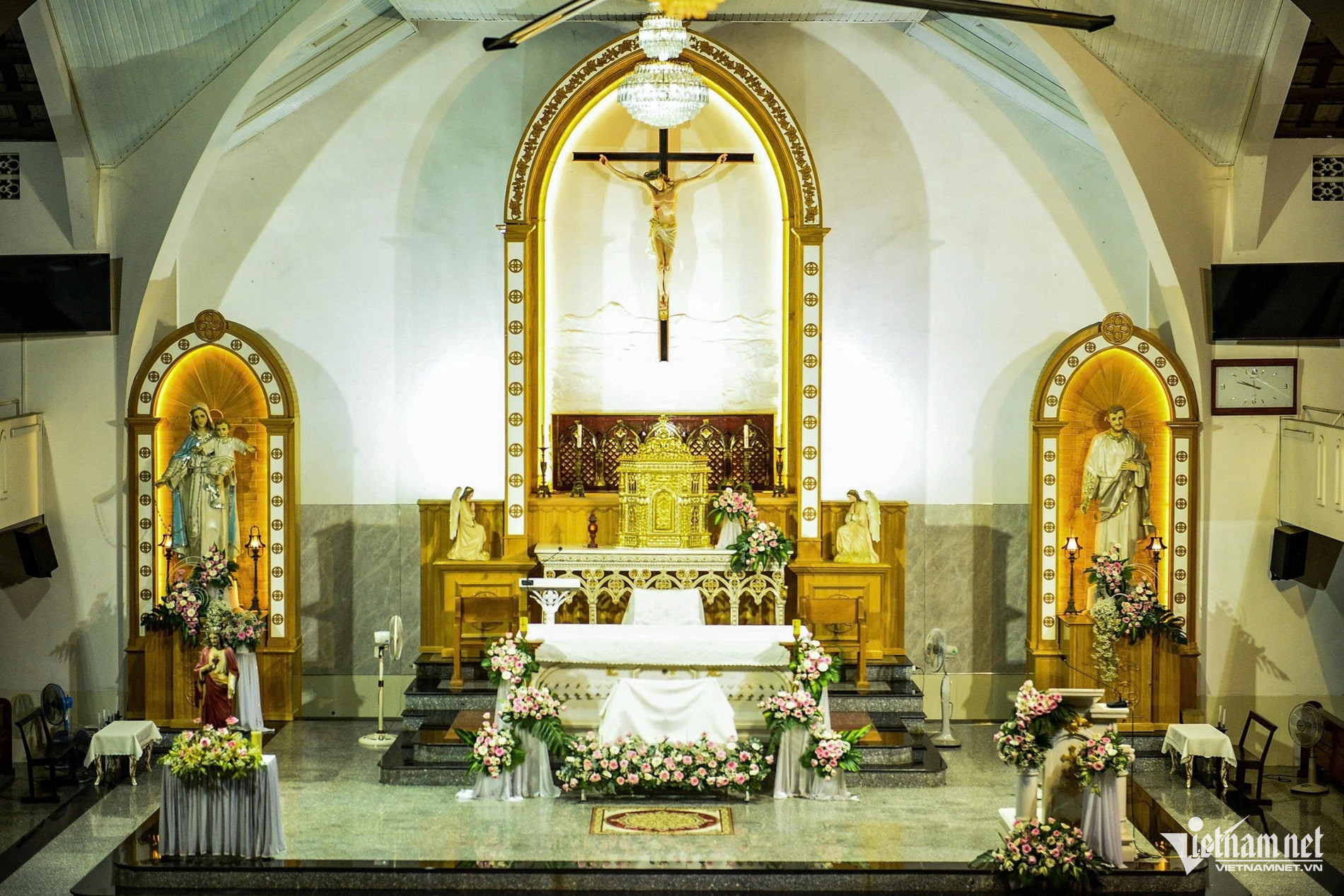
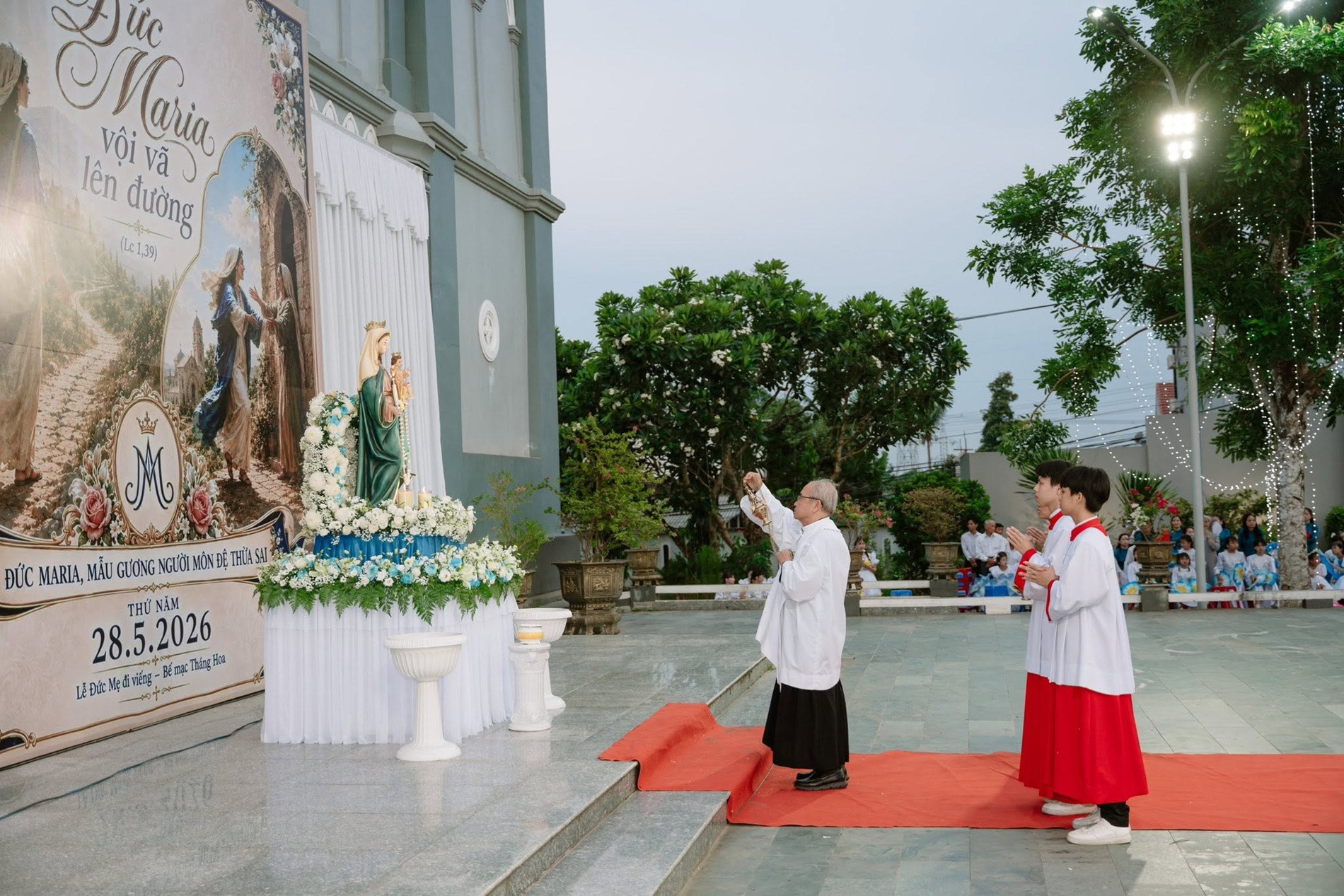
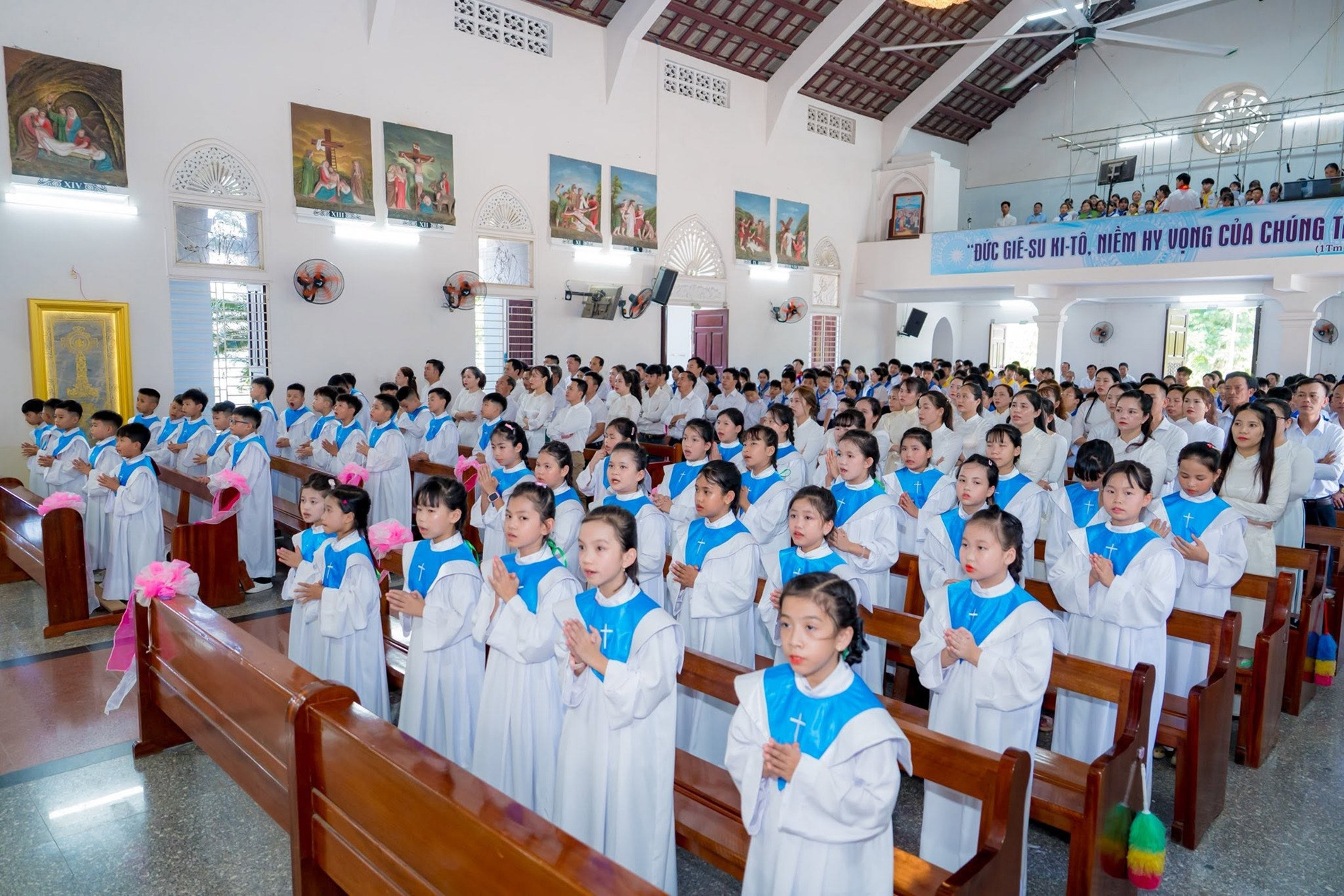
The church remains a place of worship for local Catholics, with Mass celebrated every afternoon as well as on Sundays.
Once part of weapons made for war, the bronze was transformed into a bell that came to symbolize a longing for peace. It was installed in the church tower in time for the building's inauguration in 1887. In 1901, the parish cast another, larger bell weighing nearly 300kg.
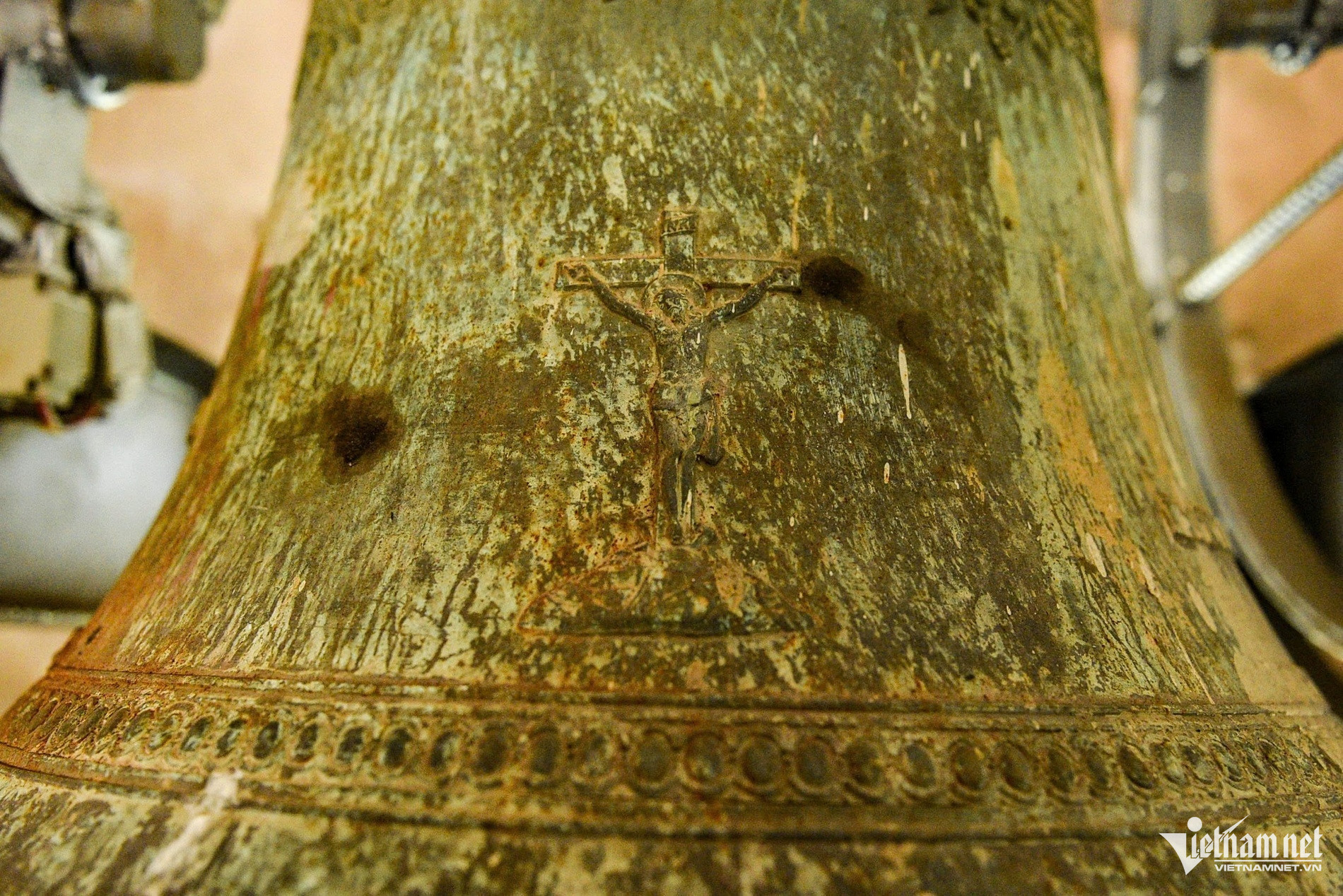
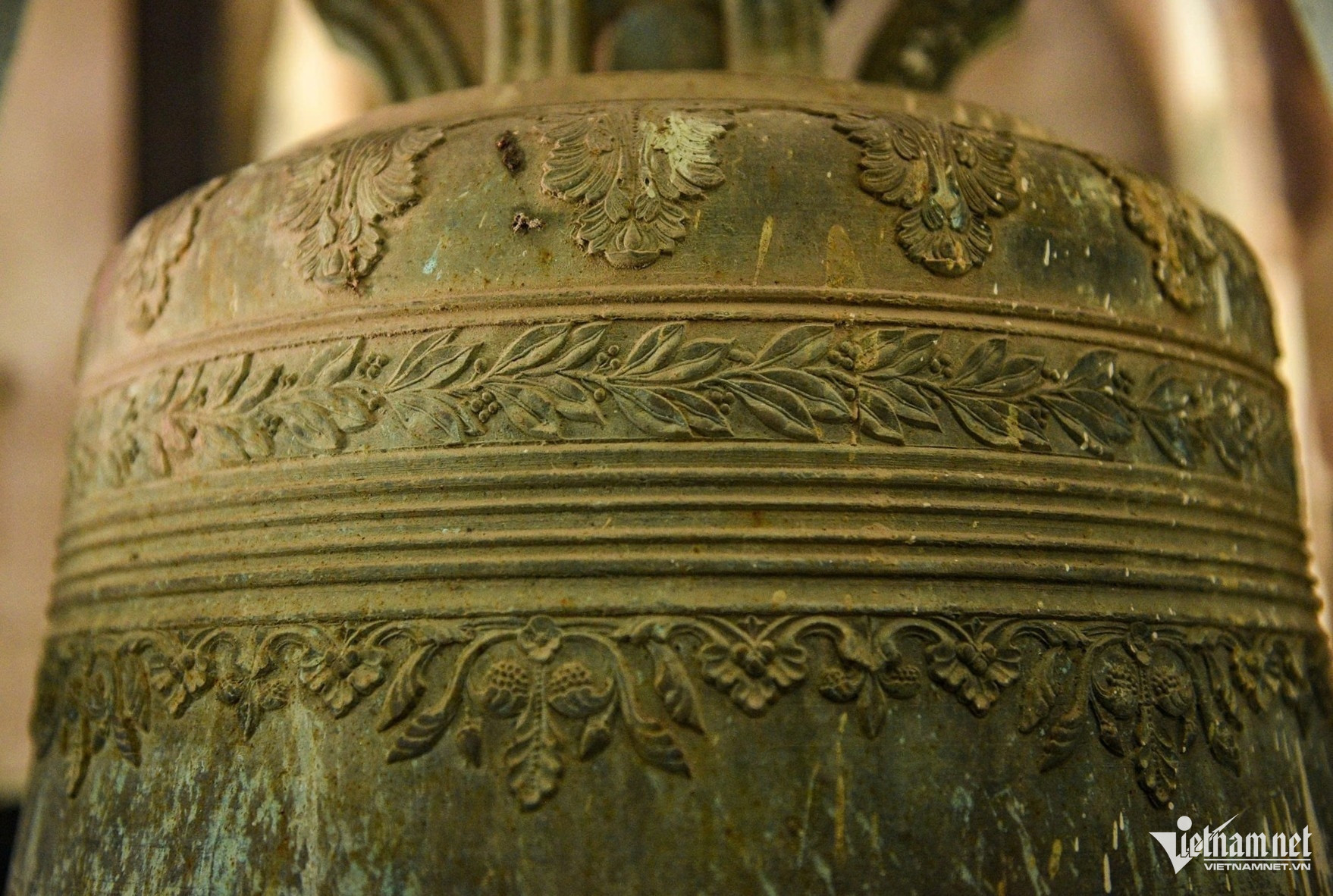
Two lines of Latin lettering remain embossed on the historic bell, together with a cross and the year 1887. Nearly 140 years later, the bronze bears the patina of time, but the story behind this remarkable bell continues to be passed down through generations of parishioners.
On religious feast days, the church bells ring in alternating deep and high tones, their sound carrying across the Catholic neighborhood like the familiar heartbeat of a rural community.
Ho Giap
.svg)
