 Vietnamnet.vn

 Podcast



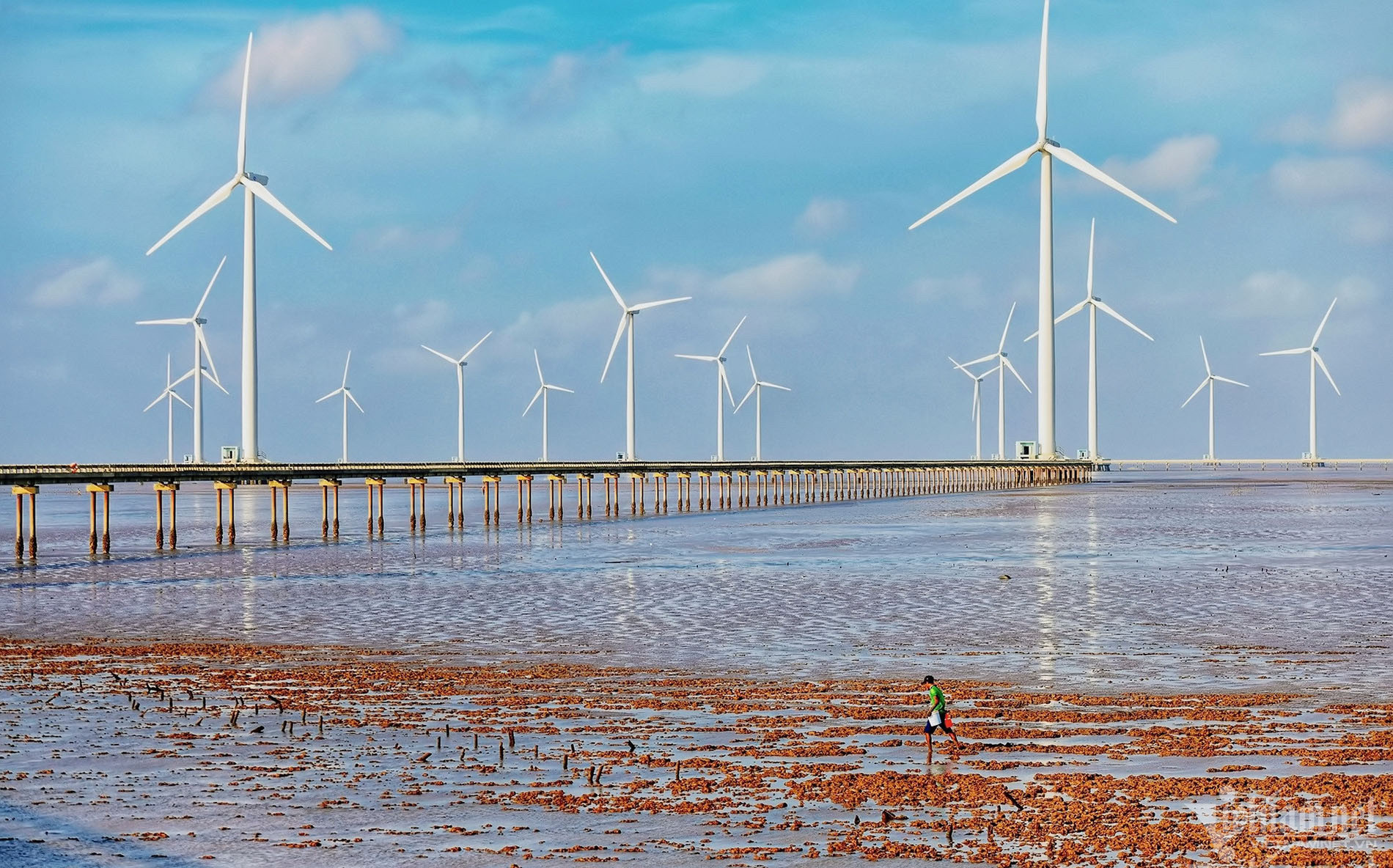
The Ministry of Industry and Trade has issued new instructions to resolve long-standing issues surrounding 167 solar and wind power projects that have been left “stuck” for years.
The ministry sent an official document to provincial and municipal People’s Committees, requesting the implementation of the Government’s resolution on removing obstacles for delayed projects.
Accordingly, the ministry has asked the People’s Committees of Ho Chi Minh City, Can Tho, Hue, Ha Tinh, Quang Tri, Quang Ngai, Gia Lai, Dak Lak, Khanh Hoa, Lam Dong, Tay Ninh, Dong Nai, An Giang, Vinh Long, and Ca Mau to inspect, review, and impose administrative penalties if violations are detected at renewable power projects benefiting from the FIT (Feed-in Tariff) policy under their jurisdictions.
During the process, if difficulties arise, provincial authorities are advised to consolidate reports and consult the Ministry of Justice for guidance.
167 projects still pending approval
Attached to the ministry’s letter is a list of 167 solar and wind power plants currently facing obstacles due to the absence of official acceptance certificates at the time of their commercial operation date (COD).
This procedural impasse has delayed electricity payments for many investors-or resulted in only partial payment-under Power Purchase Agreements (PPA) signed with Vietnam Electricity (EVN) since 2023. The situation has disrupted cash flow and placed significant financial strain on businesses.
Previously, the ministry had emphasized that responsibility for these payment bottlenecks lies with EVN, urging the state-run utility to coordinate closely with investors to reach timely resolutions.
The prolonged backlog highlights the challenges facing Vietnam’s renewable energy transition, as projects completed under the FIT mechanism await formal recognition to feed power into the grid. Resolving these regulatory hurdles is seen as critical to restoring investor confidence and stabilizing the renewable energy sector.
Tam An
.svg)
