 Vietnamnet.vn

 Podcast



Starting in 2026, a series of new road traffic laws will take effect across Vietnam, tightening controls on vehicle emissions, enforcing child safety measures in cars, adjusting rules for driver working hours, and introducing a broader regulatory framework to enhance public safety.
The new policies reflect a significant shift toward international standards and aim to reduce traffic accidents, environmental pollution, and driver fatigue.
Local authorities take over vehicle registration fees
Under Decree 175/2025, from January 1, 2026, the calculation of vehicle registration fees for cars and motorcycles will be decentralized.
Instead of using a standardized national fee schedule issued by the Ministry of Finance, provincial and municipal People’s Committees will be responsible for establishing and publishing their own fee schedules.
If a locality has not issued its new schedule by December 31, 2025, the previously issued national table may still be used.
Mandatory vehicle emissions checks nationwide
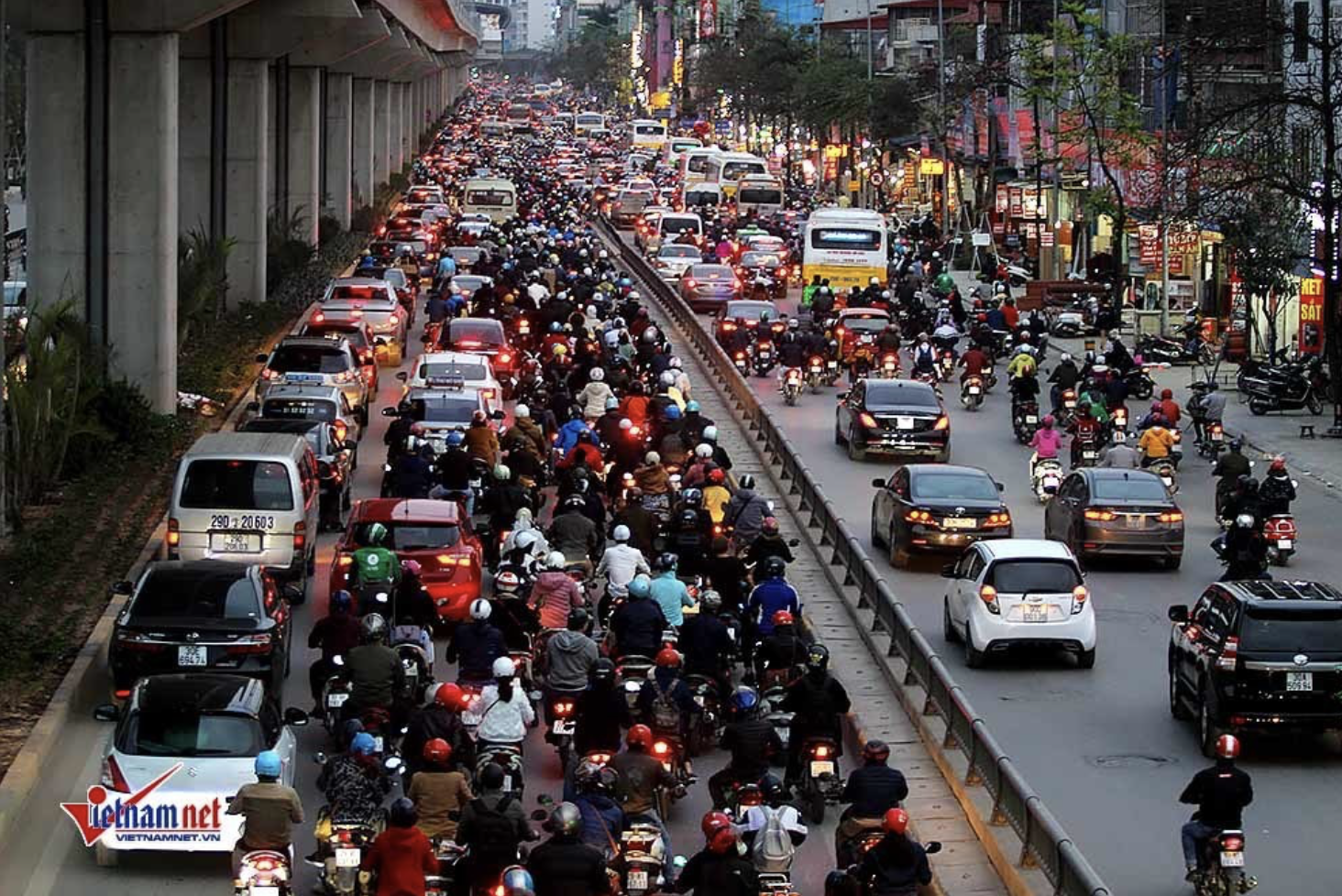
Deputy Prime Minister Tran Hong Ha signed Decision No. 43 on November 28, 2025, outlining a roadmap to apply national technical standards on emissions for all vehicles on Vietnam’s roads, effective from March 1, 2026.
Vehicles must comply with one of five emissions levels defined by the Ministry of Agriculture and Environment:
Cars manufactured before 1999 must meet Level 1 (Euro 1).
Vehicles from 1999 to 2016 must meet Level 2 (Euro 2).
Vehicles from 2017 to 2021 must meet Level 3 (Euro 3).
In Hanoi and Ho Chi Minh City, stricter rules apply: vehicles from 2017–2021 must meet Level 4 (Euro 4) by January 1, 2027.
Vehicles produced from 2022 must meet Level 4 by March 1, 2026, and upgrade to Level 5 (Euro 5) by January 1, 2032.
In Hanoi and Ho Chi Minh City, Level 5 will apply from January 1, 2028.
By 2029, all vehicles in the two cities must meet at least Level 2.
Child safety seats required in personal vehicles
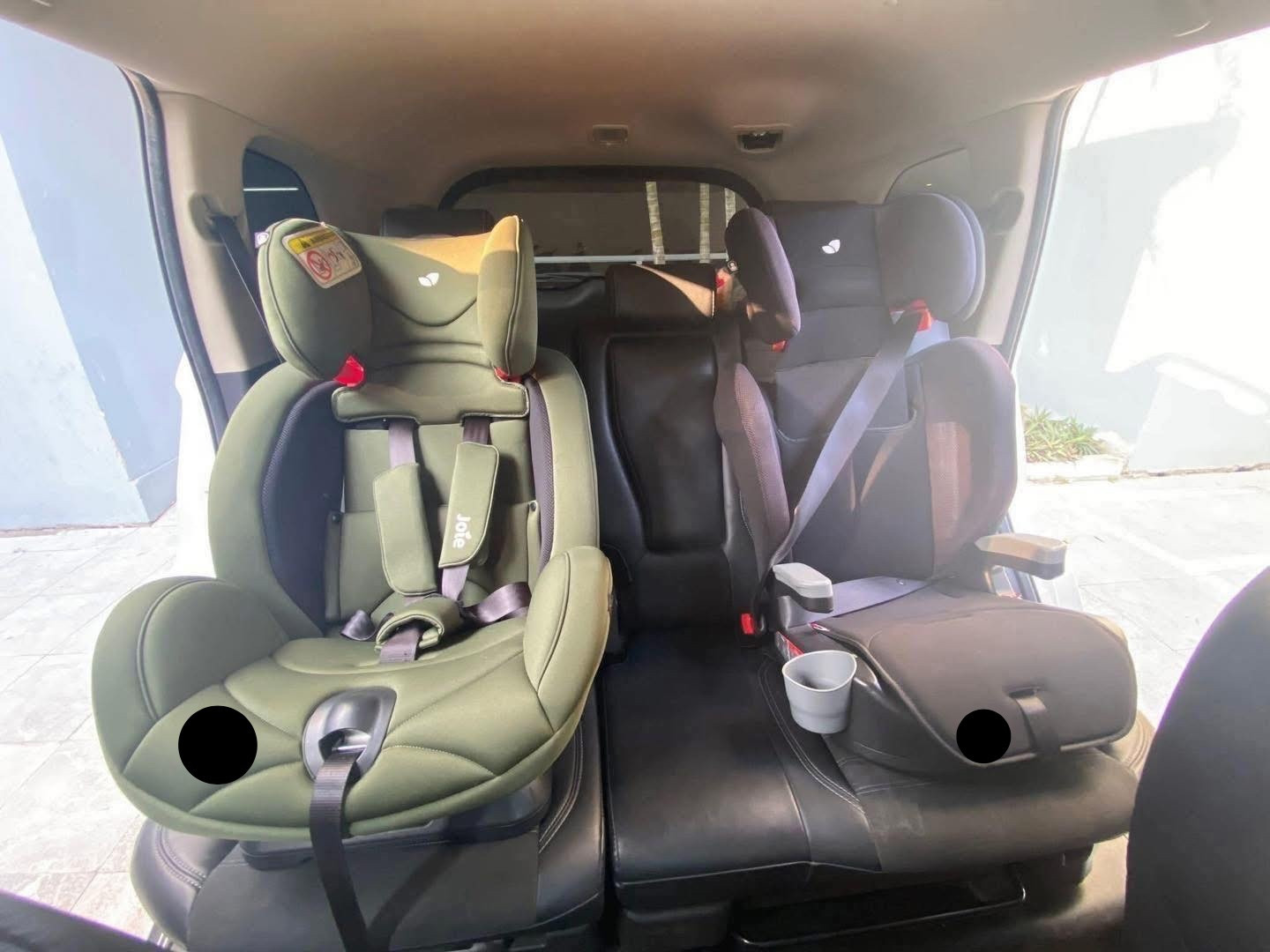
Under Law No. 118/2025/QH15, which amends 10 existing laws related to public order and safety, new provisions take effect from July 1, 2026.
Children under 10 years old and shorter than 1.35 meters will not be allowed to sit in the same row as the driver (except in single-row vehicles).
All vehicles carrying children must be equipped with appropriate safety gear - such as child seats or specialized seatbelts.
Violations will be fined between 800,000 and 1,000,000 VND (approx. USD 33–41).
However, the rule does not apply to commercial passenger transport.
Experts see this move as a major step toward aligning with global safety standards, especially as child-related accidents in private cars and school shuttles remain a concern in Vietnam.
Cameras required inside passenger vehicles

The new law also mandates real-time surveillance inside commercial vehicles.
Vehicles transporting more than eight passengers (excluding the driver) must install in-cabin cameras to record the passenger area.
Passenger vehicles with fewer than eight seats, cargo transport vehicles, and internal transport fleets must install driver-facing cameras.
These regulations aim to improve supervision, identify safety violations, and prevent potential threats to passengers and traffic order.
No more weekly driving limits, but 4-hour sessions remain
Law No. 118/2025/QH15 also revises work-hour policies for drivers.
From July 1, 2026, the cap of “no more than 10 hours per day and 48 hours per week” will be removed.
Instead, driving sessions must not exceed 4 consecutive hours (except in force majeure circumstances).
Daily and weekly work time must still comply with the Labor Code.
This change eliminates the fixed weekly driving cap, giving more flexibility while preserving safeguards against driver fatigue.
Easier upgrade path for container truck licenses
A major improvement also comes in driver training and licensing.
From July 1, 2026, drivers holding licenses in categories D1, D2, and D (mainly passenger vehicle drivers) may now apply to upgrade to class CE.
Previously, only those with a class C license were eligible.
CE licenses allow operation of heavy-duty vehicles like tractor-trailers, container trucks, and class C vehicles towing trailers over 750kg.
This change is expected to shorten training times and allow bus drivers to transition into the logistics and freight transport industry - helping to ease workforce shortages in long-haul trucking.
Y Nhuy
.svg)
