 Vietnamnet.vn

 Podcast



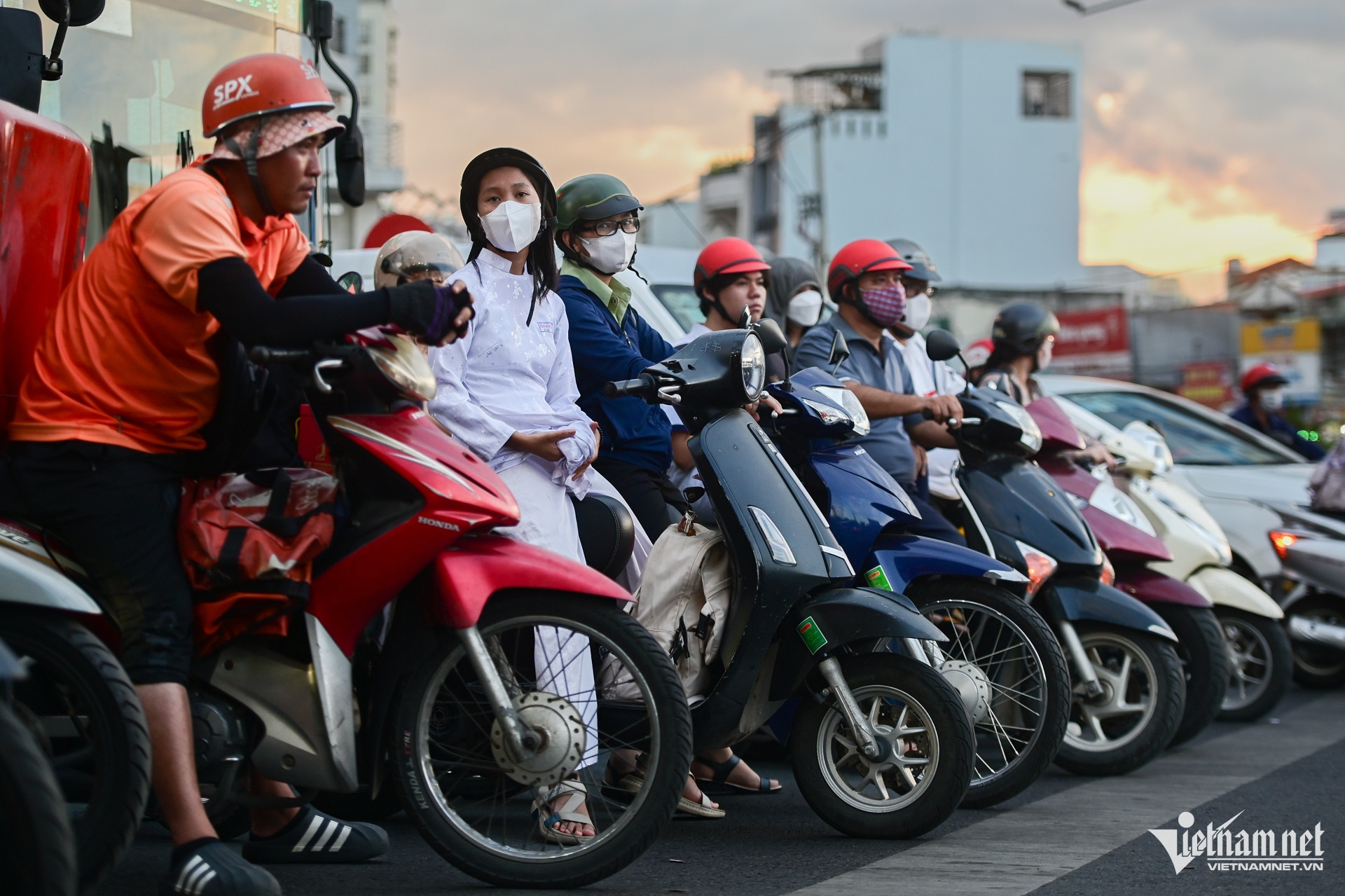
With the enactment of the Law on Road Traffic Order and Safety, along with several new policies regarding driver licensing, vehicle management, and penalties for violations, the year 2025 marks a turning point in how Vietnam handles road safety.
Though these changes may feel unfamiliar at first, they are expected to produce lasting improvements. Clear regulations and consistent enforcement will encourage drivers to change their habits, helping reduce congestion, lower accident rates, and improve overall safety.
Decree 168/2024/ND-CP: Heavier penalties for violations
Effective from January 1, 2025, Decree 168 replaces previous penalty frameworks with a significantly stricter set of administrative fines, targeting serious violations that directly lead to traffic accidents.
For instance, running a red light could cost car drivers between USD 740 and USD 820. Driving in the wrong direction or reversing on expressways could result in fines of USD 1,240 to USD 1,660. Using a phone while driving a car now carries a penalty of USD 165 to USD 250.
For motorcyclists, violations like running red lights or riding on sidewalks can result in fines up to USD 165–250 - several times higher than previous levels.
Since its implementation, Decree 168 has led to a notable decline in traffic violations, according to authorities.
Driver license point deduction system introduced
For the first time nationwide, a point-based penalty system is now in place. Every driver's license is granted 12 points per year. Violations result in points being deducted based on severity, as outlined in Decree 168.
If a driver loses all 12 points, their license becomes invalid. To regain driving rights, they must retake a knowledge test to restore their points.
Experts believe this system significantly boosts compliance. Drivers are now more cautious, knowing that violations carry lasting consequences. The old mindset of “just pay the fine and move on” is being replaced by long-term accountability.
Changes in driver license categories
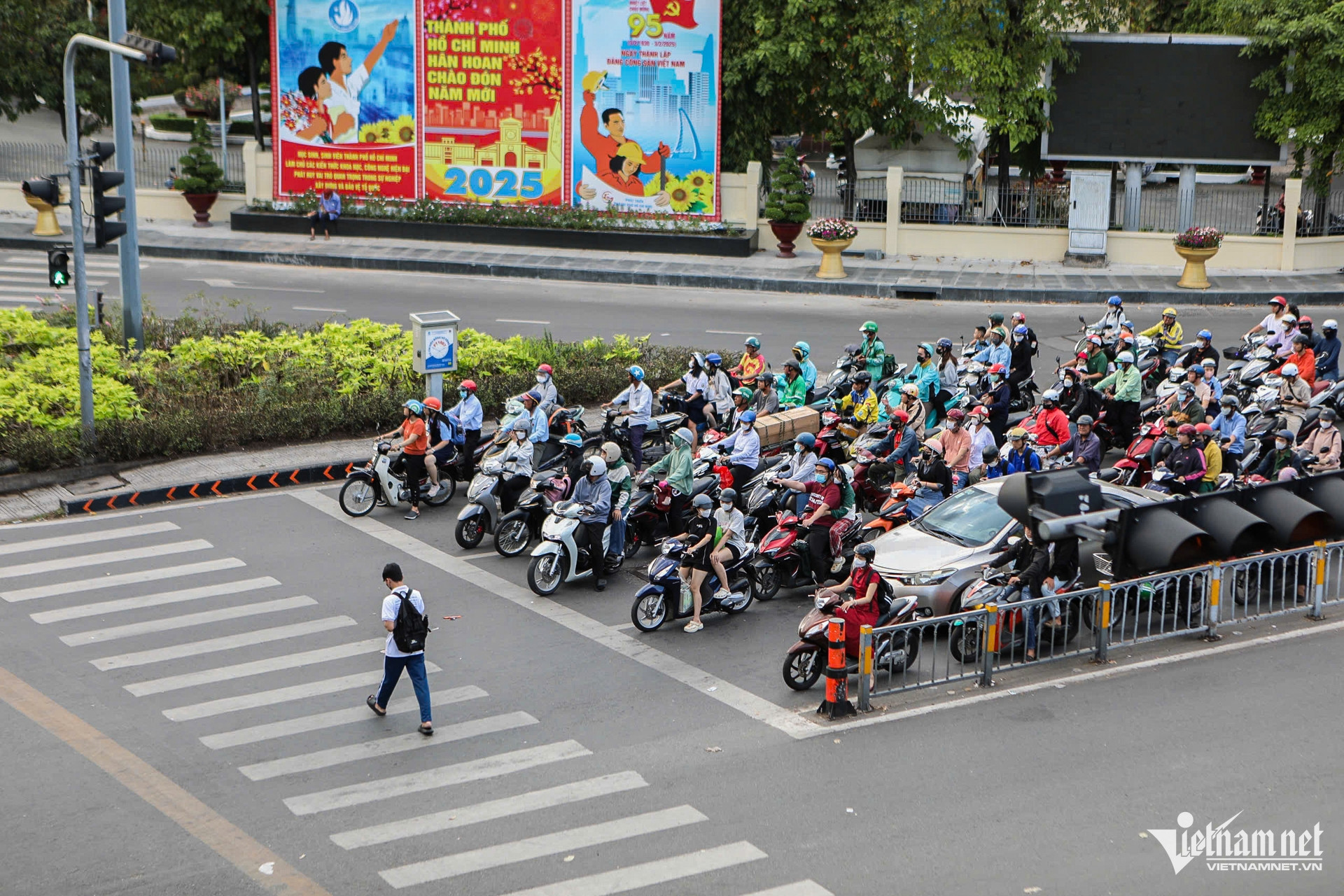
In tandem with the point system, Vietnam has revamped its driver license classification. The number of license categories has increased from 13 to 15, with revised names and vehicle types for each.
For example, category A1, previously for motorcycles under 175cc, now applies only to vehicles between 50–125cc. A new B category replaces the former B1 and B2, covering cars with up to eight seats and trucks under 3.5 tons.
Licenses in categories B and C1 issued from 2025 now have a fixed validity of 10 years, no longer dependent on the driver’s age. Other categories such as C, D1, D2, D, BE, and extensions like C1E, CE, D1E, D2E, and DE have a 5-year validity.
While the changes initially caused confusion among drivers during renewal periods, the new system was designed based on international standards. It also facilitates obtaining international driving permits (IDP), making it easier for Vietnamese citizens to drive abroad.
AI surveillance cameras expand ‘cold ticket’ enforcement
A key tech upgrade in 2025 is the broad deployment of AI-enabled surveillance cameras. These systems can automatically detect over 20 types of traffic violations, including running red lights, not wearing helmets, improper lane usage, not wearing seat belts, and using phones while driving.
The data collected helps police issue more accurate fines, reducing dependence on on-site officers and enabling broader enforcement. These systems also provide valuable data for policymaking.
However, drivers must now adapt quickly, as they may be fined even when no officer is physically present, with violations recorded digitally.
Vehicle and ownership management through apps
In 2025, apps like VNeID and VNeTraffic - developed by the Ministry of Public Security - were upgraded with new features, including the ability to manage vehicles, licenses, and violation records directly from smartphones, after users verify their identity at Level 2.
Once this feature launched, many users were surprised to discover vehicles registered under their names that had long been sold - or even those they never owned. This revealed how widespread the issue of vehicle transfers without formal ownership updates still is.
To resolve this, the Ministry advises individuals no longer in possession of a vehicle to proactively file a declaration with their local police. This ends their legal responsibilities for that vehicle and allows the new owner to complete the necessary transfer and registration procedures.
Hoang Hiep
.svg)
