 Vietnamnet.vn

 Podcast



For many generations in Nghe An, when life was still marked by scarcity, field crabs - locally known as “dam” - were a familiar source of food. Caught in rice fields, the crabs were crushed, filtered for their liquid, then mixed with cassava flour and simple seasonings. The mixture was steamed, braised with salt, or grilled in banana leaves for later meals.
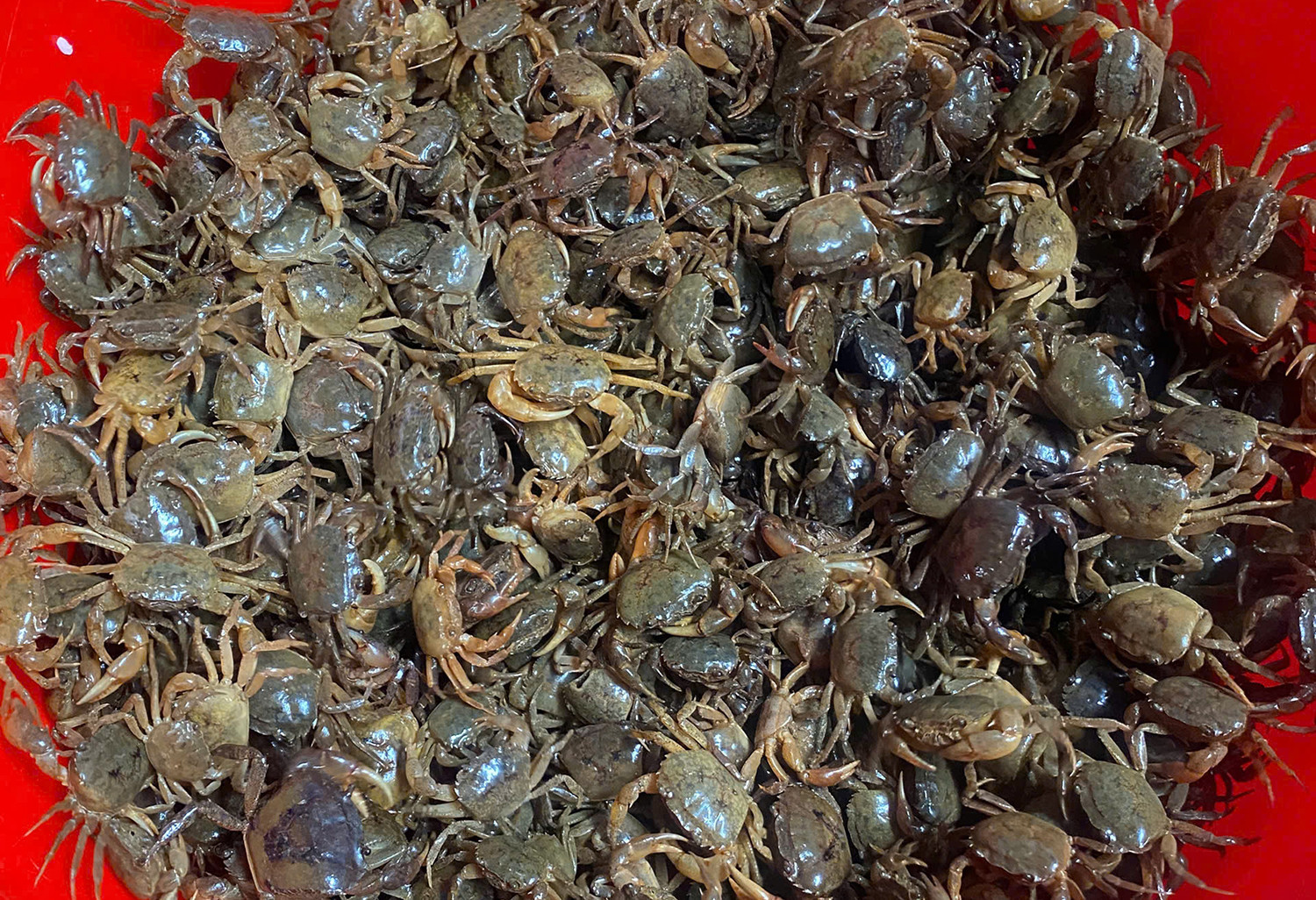
Phan Xuan Hiep, Chairman of the Farmers’ Association in Hung Nguyen commune, said that for many older residents, crab cake remains a vivid memory of difficult times. Yet over the past three decades, as living standards improved, the dish gradually disappeared from daily meals. Fresh ingredients were hard to preserve, and the preparation required careful, time-consuming steps.
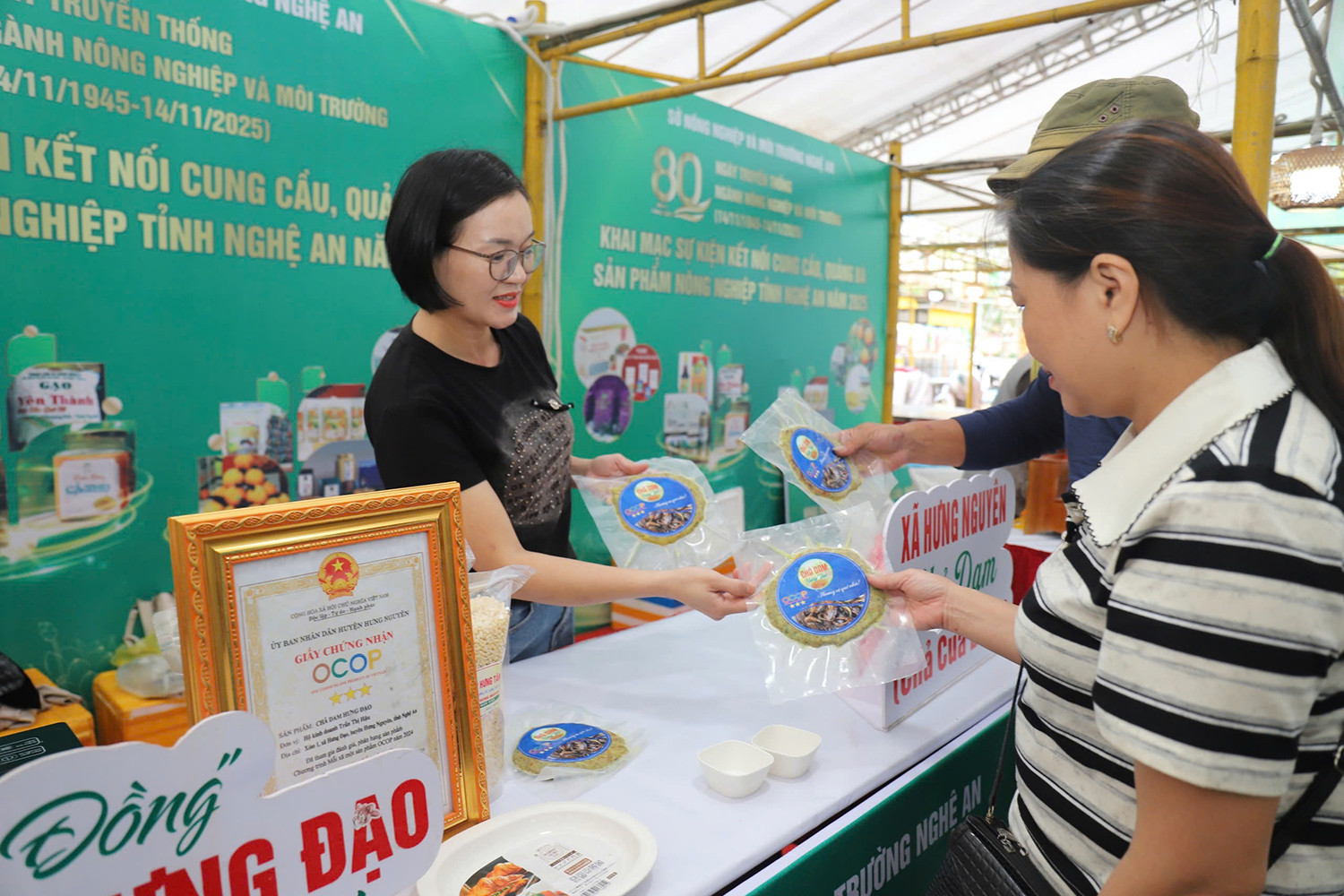
In 2022, after joining the “One Commune One Product” (OCOP) program, Tran Thi Hau, 39, decided to revive the traditional crab cake as a distinctive local product.
“At first, many people were skeptical because few could clearly remember how to make it. Even the elders only recalled fragments of the process,” she said.
Hung Nguyen is known for making cha cay, a type of crustacean similar to crabs that lives in brackish water. Recognizing similarities in preparation, Hau sought out local producers to learn from their experience.
Even so, her first two attempts failed. The cakes did not bind properly, and the aroma was not right. Traditionally, cassava flour was used with crab liquid, but this often resulted in a soft texture and diminished fragrance.
After multiple adjustments, she replaced cassava flour with rice flour and wheat flour, improving the texture while preserving the natural sweetness of the crab.
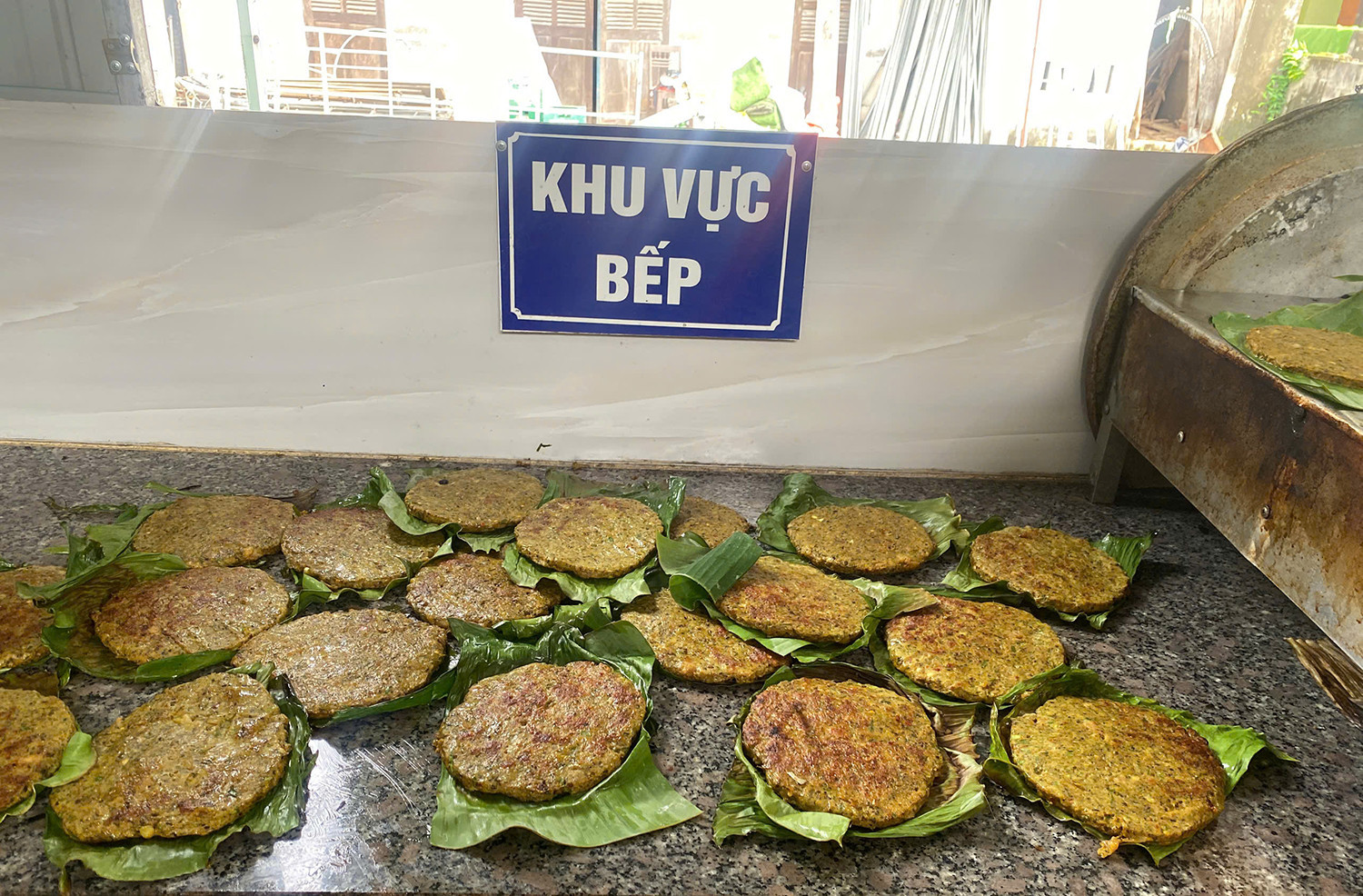
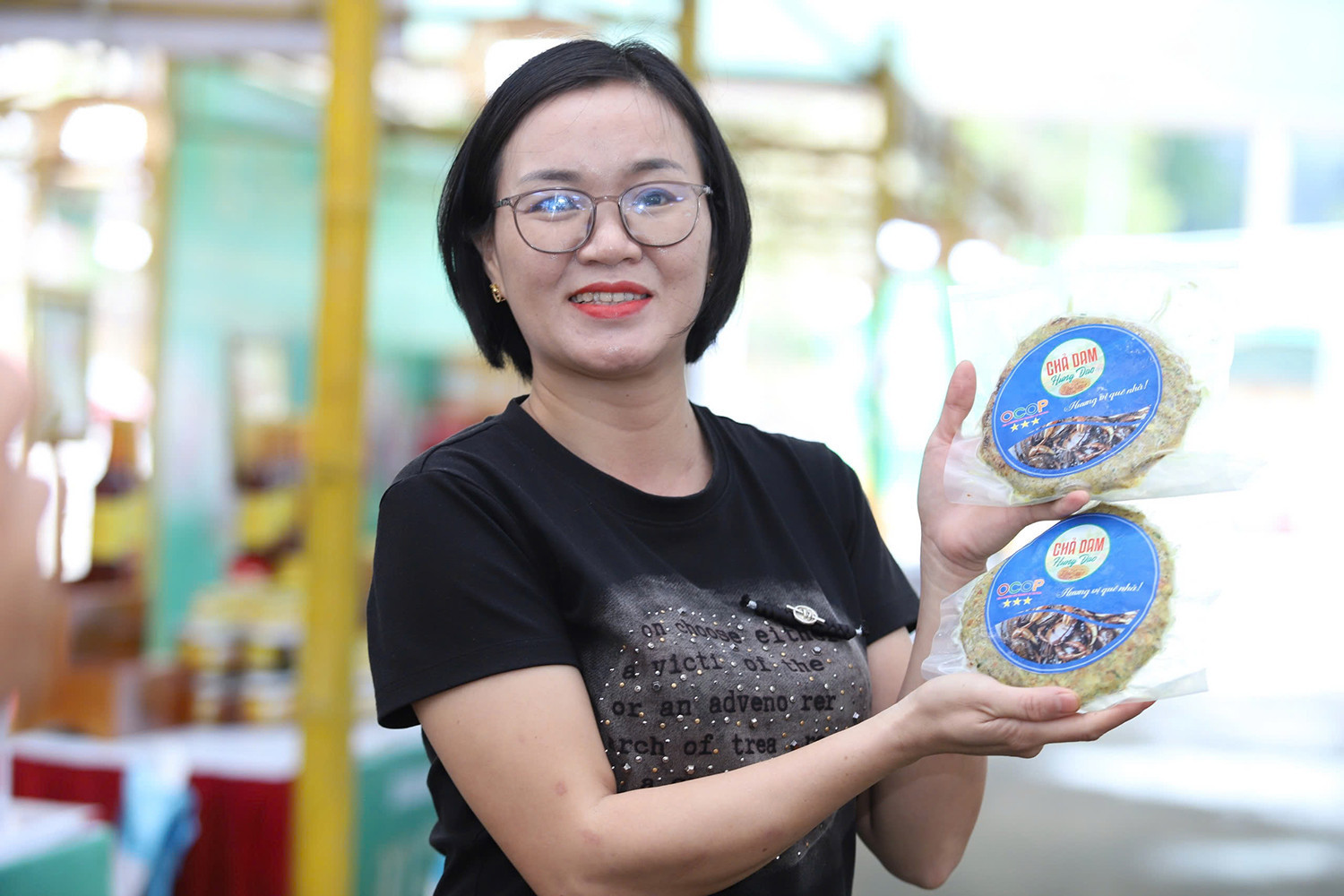
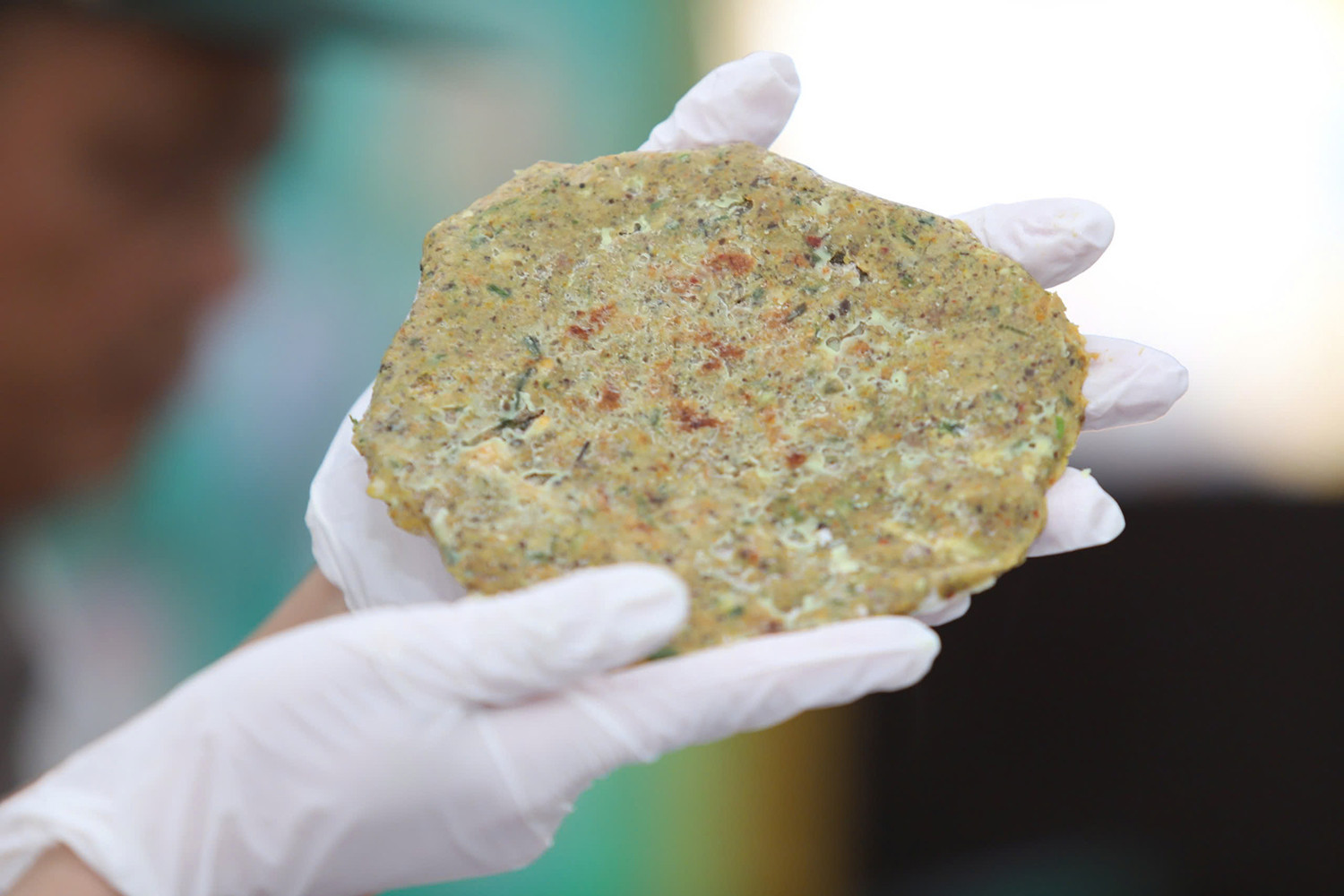
The crabs are carefully cleaned by tossing them in salt, removing shells and gills, then grinding and filtering to extract the liquid. This is mixed with minced lean pork, rice flour, wheat flour, egg yolks, and seasonings such as pepper, chili, turmeric leaves, and ginger leaves.
A distinctive touch comes from dried tangerine peel, a familiar ingredient in Nghe An’s traditional cuisine, which adds a subtle, characteristic aroma. The mixture is blended to the right consistency, then molded into cakes weighing about 250 grams each.
The defining step lies in grilling the cakes in fresh banana leaves. The leaves help retain moisture, prevent the surface from drying, and infuse a gentle fragrance.
According to Hau, controlling the heat is crucial. If the fire is too strong, the outside burns while the inside remains undercooked. If it is too low, the cake lacks its golden color and appealing aroma.
The finished cakes can be stored in either the refrigerator or freezer, then fried or grilled again before serving, depending on preference.
By the end of 2024, Hau’s crab cakes were officially recognized as a three-star OCOP product. Her facility now produces around 300 cakes each month, priced at VND50,000 per piece (US$2). In addition to crab cakes, she has expanded her range to include crab broth and fermented “dam” paste, offering more choices to customers.
The business also purchases field crabs from local residents, helping ensure a stable market for raw materials. Production is concentrated on weekends, creating additional jobs for rural workers, particularly women.
Looking ahead, Hau plans to introduce crab cakes into wedding banquets, gatherings, and events, gradually building a distinctive culinary brand for Hung Nguyen.
According to Phan Xuan Hiep, this is currently the only facility in the commune that continues to preserve and develop the traditional crab cake - a dish once associated with hardship, now being awakened through a new direction.
Tran Tuyen
.svg)
