 Vietnamnet.vn

 Podcast



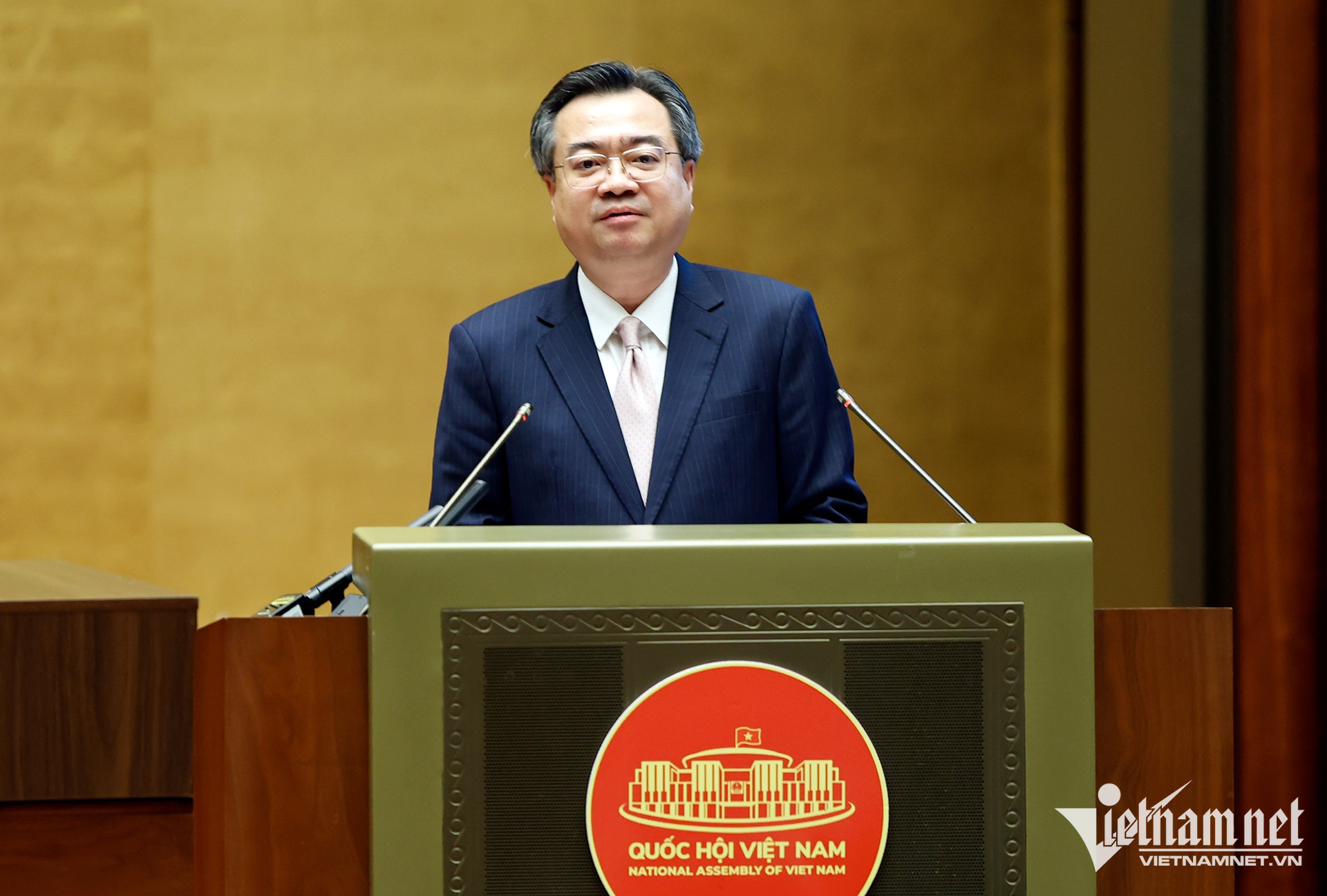
The Secretariat on February 25 held a national conference to study, disseminate, and implement Resolution 79 on developing the state economic sector and Resolution 80 on developing Vietnamese culture.
Nghi said that for the first time the concept of the state economy has been defined comprehensively and systematically in a thematic resolution, clarifying its position and expanding its scope.
Accordingly, the state economic sector is identified as a particularly important component of the socialist-oriented market economy. It is viewed as a unified whole encompassing all economic resources owned, managed, and directed by the State to achieve socio-economic development goals, macroeconomic stability, and national defense and security.
He emphasized that the state economy always plays the leading role, both directly engaged in production and business, and serving as a vital material foundation and strategic instrument for the State to orient, regulate, and steer the economy, strengthen national defense and security, enhance self-reliance and resilience, and promote rapid and sustainable socio-economic development.
Resolution 79 also points out existing shortcomings of the state sector. According to Nghi, these stem from incomplete awareness of its position, role, and scope; an inadequately balanced relationship between the State, the market, and society; inconsistent and overlapping institutions; weak implementation; and inefficient management and use of state resources and assets.
Five guiding perspectives
Resolution 79 sets out five overarching and systemic guiding perspectives for developing the state economy in the new era.
First, it calls for renewing and concretizing the concept of the “leading role” of the state economy.
Second, it clarifies the relationship between the state economy and other economic sectors to fully leverage the function and role of each sector. Together with domestic economic sectors, the state economy is tasked with building an independent, self-reliant, and resilient economy, ensuring economic security and promoting deep, substantive, and effective international integration.
Third, it introduces a breakthrough perspective on improving the management, exploitation, and use of state resources. State economic resources must be reviewed, inventoried, evaluated, and fully accounted for under market principles, with social cost-benefit analyses conducted in line with international practices.
Fourth, it elevates the mission of the state economy in connection with the shift in the growth model. He pointed out that state resources remain substantial. The state economic sector must not only serve as a regulatory tool but also a direct actor in realizing the country’s two centennial development goals.
It must take the lead in driving industrialization and modernization, restructuring the economy, and establishing a new growth model centered on science, technology, innovation, and digital transformation.
Fifth, it underscores strengthening Party leadership and enhancing the capacity, effectiveness, and efficiency of state management over the state economy, particularly in resource allocation and implementation.
Preserving reputable national brands
The resolution outlines overall and specific targets for developing the state economy through 2030, with a vision to 2045.
Specific objectives have been set for six components of the state economy: land and natural resources; infrastructure assets; the state budget and national reserves; SOEs; state-owned credit institutions; and public service units.
The budget mobilization rate is 18 percent of GDP; budget deficit 5 percent of GDP; public debt no more than 60 percent of GDP; expenditure for development and investment 35-40 percent of budget expenditure; and recurrent expenditure is about 50-55 percent of total budget expenditure.
Vietnam strives for 50 enterprises to enter the group of 500 largest enterprises in Southeast Asia; from 1-3 enterprises to enter the group of 500 largest enterprises in the world; and 100 percent of enterprises with modern governance on digital platforms.
Vietnam hopes to have at least three banks in the group of 100 largest banks in Asia in terms of total assets; four banks pioneering in technology and governance, leading in scale, market share, and market regulation.
To overcome current limitations, the resolution sets out seven groups of tasks and solutions related to seven fields: land; water resources; mineral resources; marine economy; airspace resources, space economy, and low-altitude economy; underground space; and digital resources and telecommunications resources.
In equitization, Nghị noted the need to thoroughly grasp the new orientation of Resolution No79: equitization must not affect State control in key and strategic areas, and must not lead to loss of prestigious national brands.
Tran Thuong
.svg)
