 Vietnamnet.vn

 Podcast



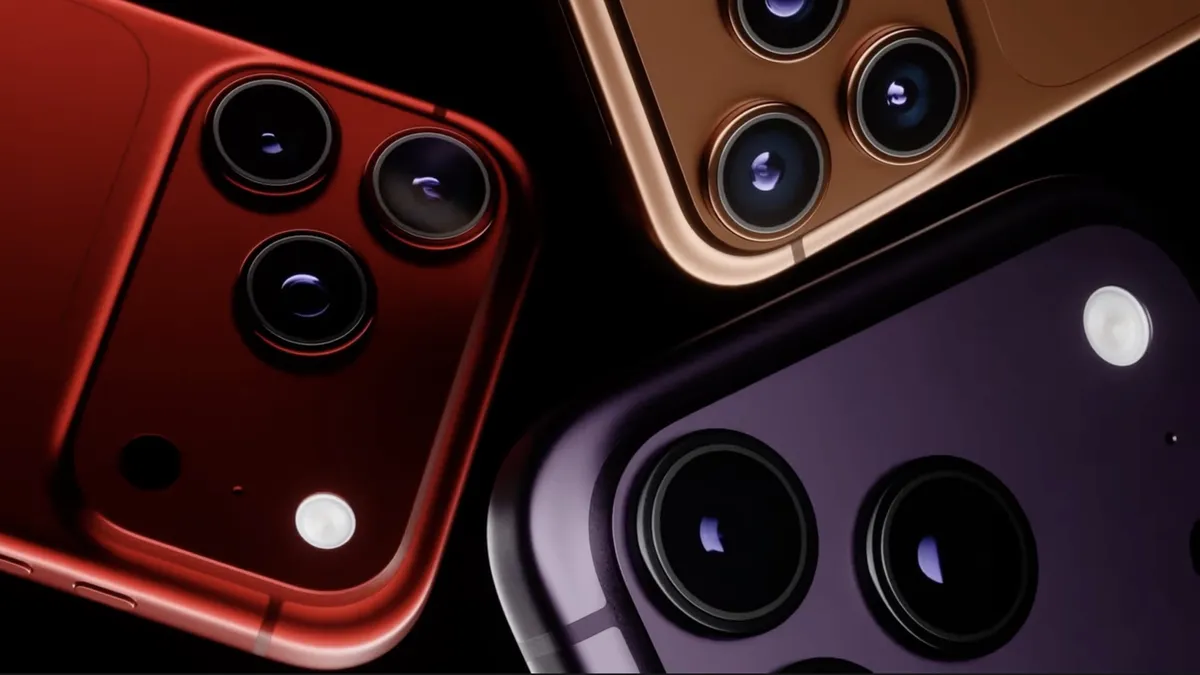
While its overall design may not mark a dramatic departure from previous generations, early reports suggest Apple is preparing a series of meaningful upgrades across performance, camera capabilities and connectivity.
A new color to stand out
One of the more surprising rumors is the introduction of a red color option for the Pro lineup. Traditionally dominated by neutral tones such as titanium gray, deep blue or silver, the addition could signal a shift toward more expressive design choices.
If confirmed, it would be the first time a bold color like red appears on a Pro model, offering a fresh visual identity.
A smaller Dynamic Island, but not gone
Earlier speculation pointed to a fully under-display Face ID system. More recent information, however, suggests Apple may only move part of the system beneath the screen, specifically the infrared (IR) component.
This would allow the Dynamic Island to shrink rather than disappear entirely, freeing up additional screen space while maintaining core functionality.
For now, a truly uninterrupted display remains out of reach, but this could represent an important transitional step.
Display and design: steady on the outside
The device is expected to retain the same screen sizes as its predecessor - 6.3 inches for the Pro and 6.9 inches for the Pro Max - along with the familiar triple-camera layout on the rear.
This continuity suggests Apple is focusing less on redesigning the exterior and more on refining what lies beneath.
A new LTPO+ display technology is also rumored, aimed at improving power efficiency. With better management of refresh rates and always-on features, the upgrade could translate into noticeably longer battery life.
Camera gains more creative control
The 48MP main camera is expected to introduce variable aperture, allowing users to control how much light enters the sensor and better manage depth of field.
While smartphone sensors remain smaller than those of dedicated cameras, this feature could open up more creative flexibility, particularly in challenging lighting conditions.
A leap in performance with A20 Pro
At the heart of the device, Apple is rumored to deploy the A20 Pro chip, built on TSMC’s first-generation 2nm process.
Compared with the previous 3nm generation, this shift could deliver a significant boost in both performance and energy efficiency, especially when paired with new packaging technologies.
Smarter connectivity across the board
Apple’s in-house modem strategy continues with the expected introduction of the C2 modem. Building on earlier iterations, it is likely to improve both speed and power efficiency for 5G and LTE connections.
In parallel, a new N2 wireless chip could enhance Wi-Fi, Bluetooth and Thread performance, potentially improving features such as AirDrop and personal hotspot stability.
Additional refinements that matter
Other rumored adjustments include a simplified Camera Control button, redesigned Ceramic Shield glass on the back for better MagSafe integration, and a more pronounced matte finish.
A particularly notable possibility is satellite-based web browsing. If implemented, this feature would allow users to access the internet even without traditional mobile coverage - a potentially critical advantage in emergencies.
The device may also become slightly thicker to accommodate a larger battery, a trade-off many users are likely to welcome.
A broader product roadmap
Apple is expected to unveil the Pro models alongside a foldable iPhone this September, followed by standard and budget variants early next year, including a possible second-generation iPhone Air.
If these leaks hold true, the iPhone 18 Pro Max will not redefine smartphone design overnight.
Instead, it reflects Apple’s familiar approach: steady, deliberate evolution - improving the experience where it matters most, while quietly laying the groundwork for more radical changes in the future.
Hai Phong
.svg)
