 Vietnamnet.vn

 Podcast



Tran Nghi
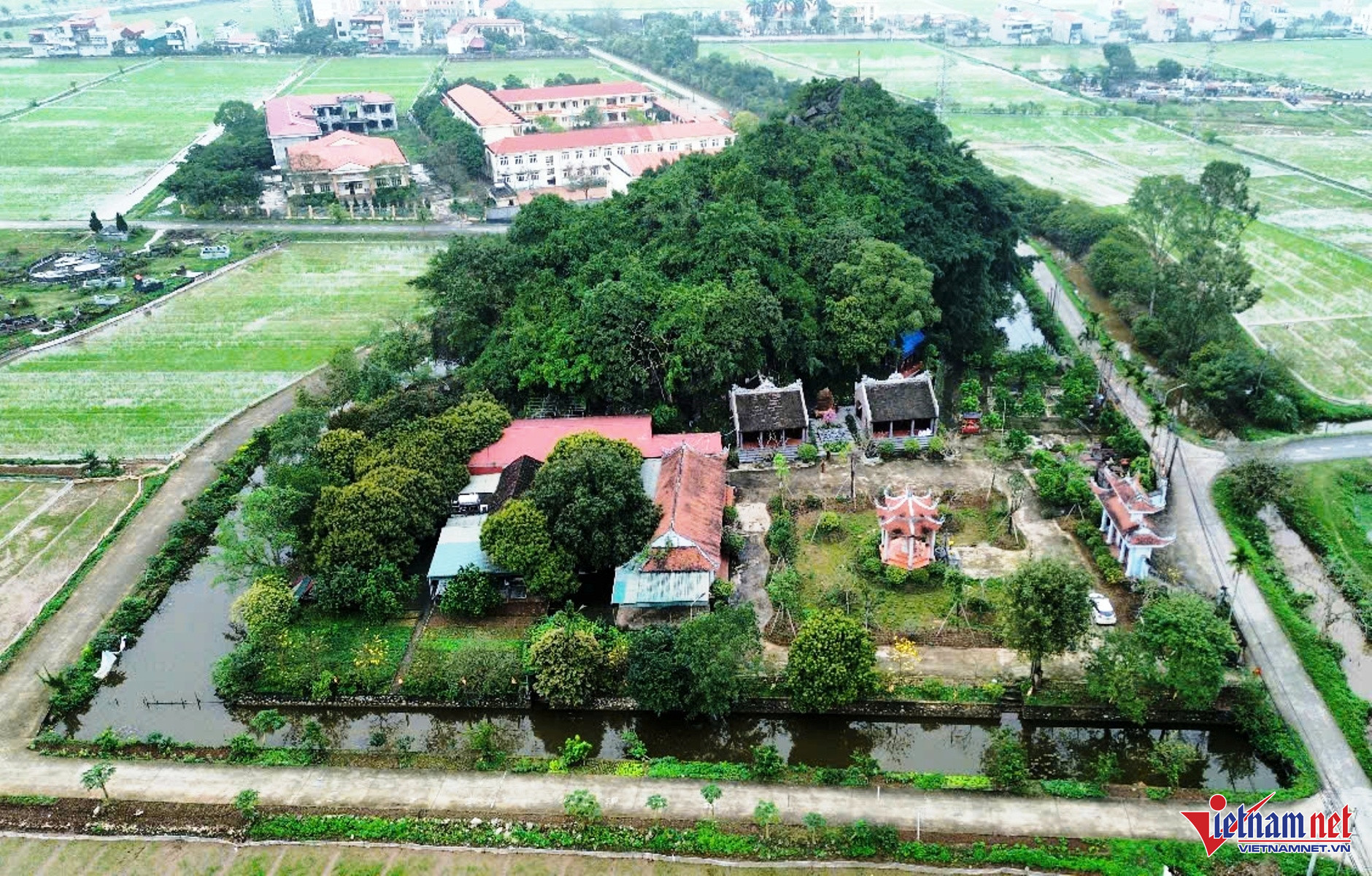
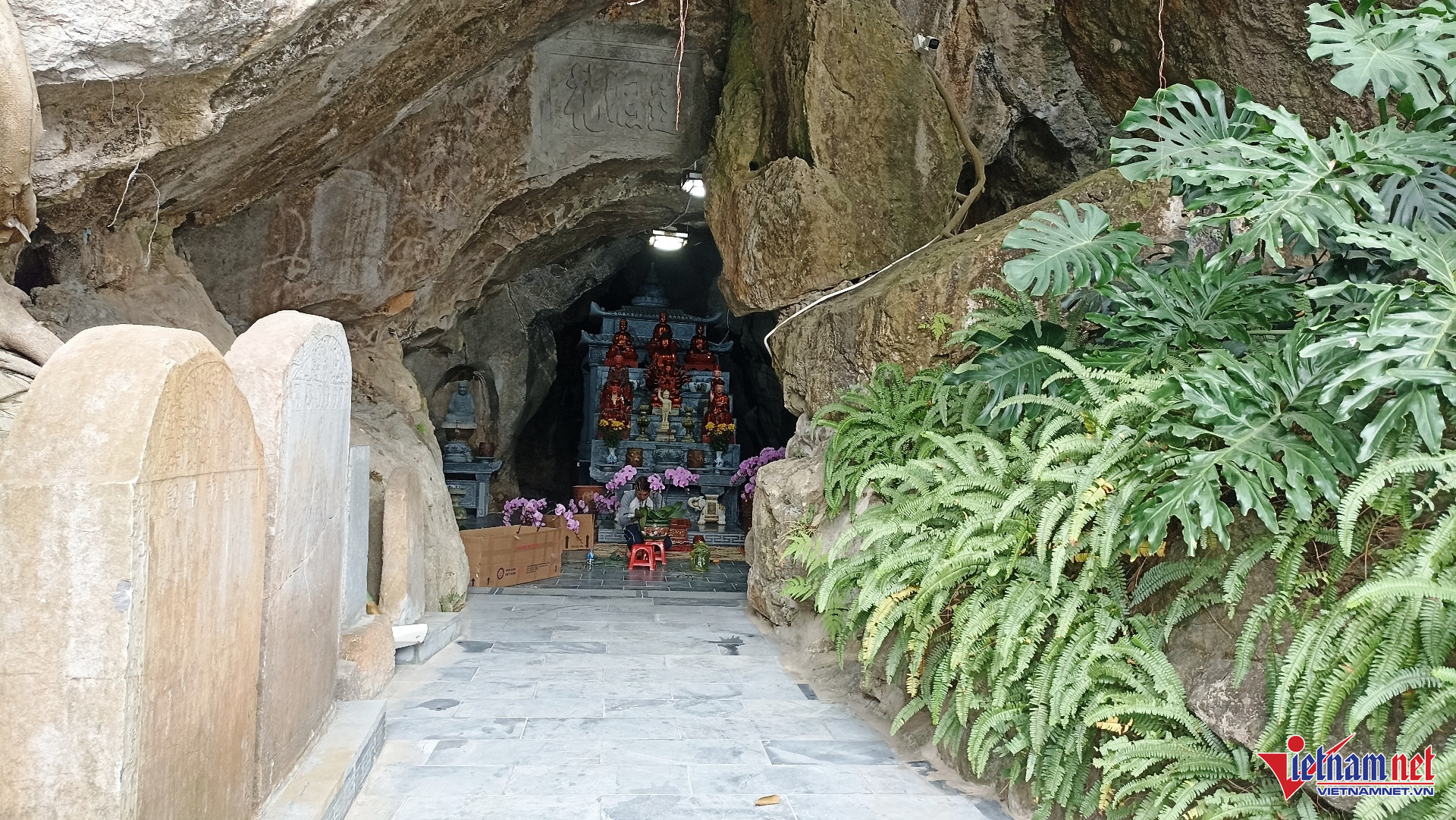
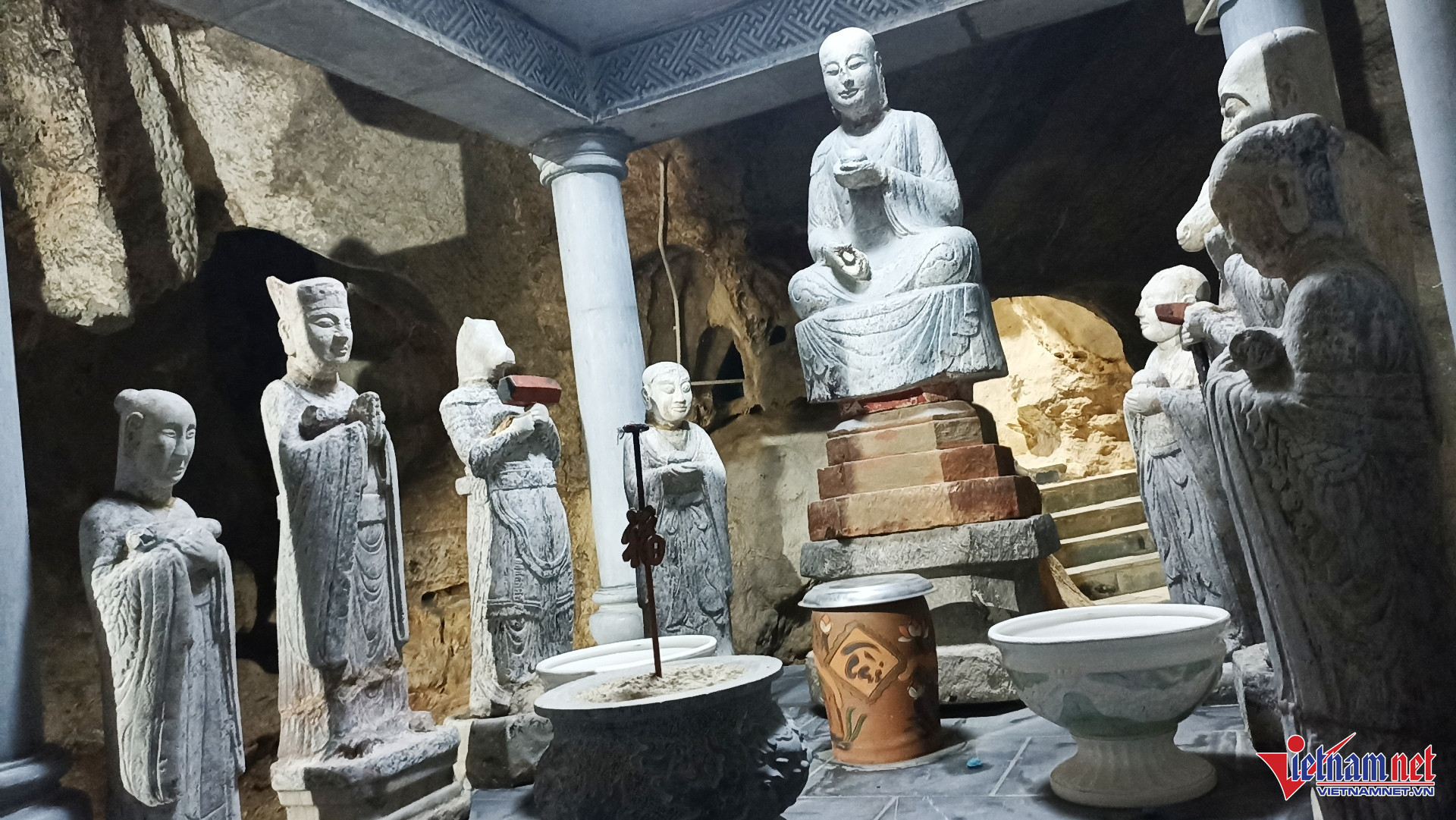
Phong Phu Pagoda, also known as Lien Hoa Cave, is located in Phong Phu residential quarter, Tay Hoa Lu Ward, Ninh Binh. Within the pagoda complex lies Lien Hoa Cave on Co Phong Mountain, home to 18 Arhat ma nhai carvings, ancient stone statues and long-standing stone steles.
According to inscriptions on steles preserved at the pagoda, Phong Phu Pagoda dates back to the reign of King Dinh Tien Hoang in the 10th century and was originally named Khuc Mo Tu on Co Phong Mountain.
For centuries, people have transformed mountain caves into sacred spaces of worship. At the site stands a stone stele carved during the Kien Gia era from 1211 to 1224, whose inscription records that An Quoc Dai Vuong of the Dinh period established Co Phong Cave as a pagoda under the name Khuc Mo.
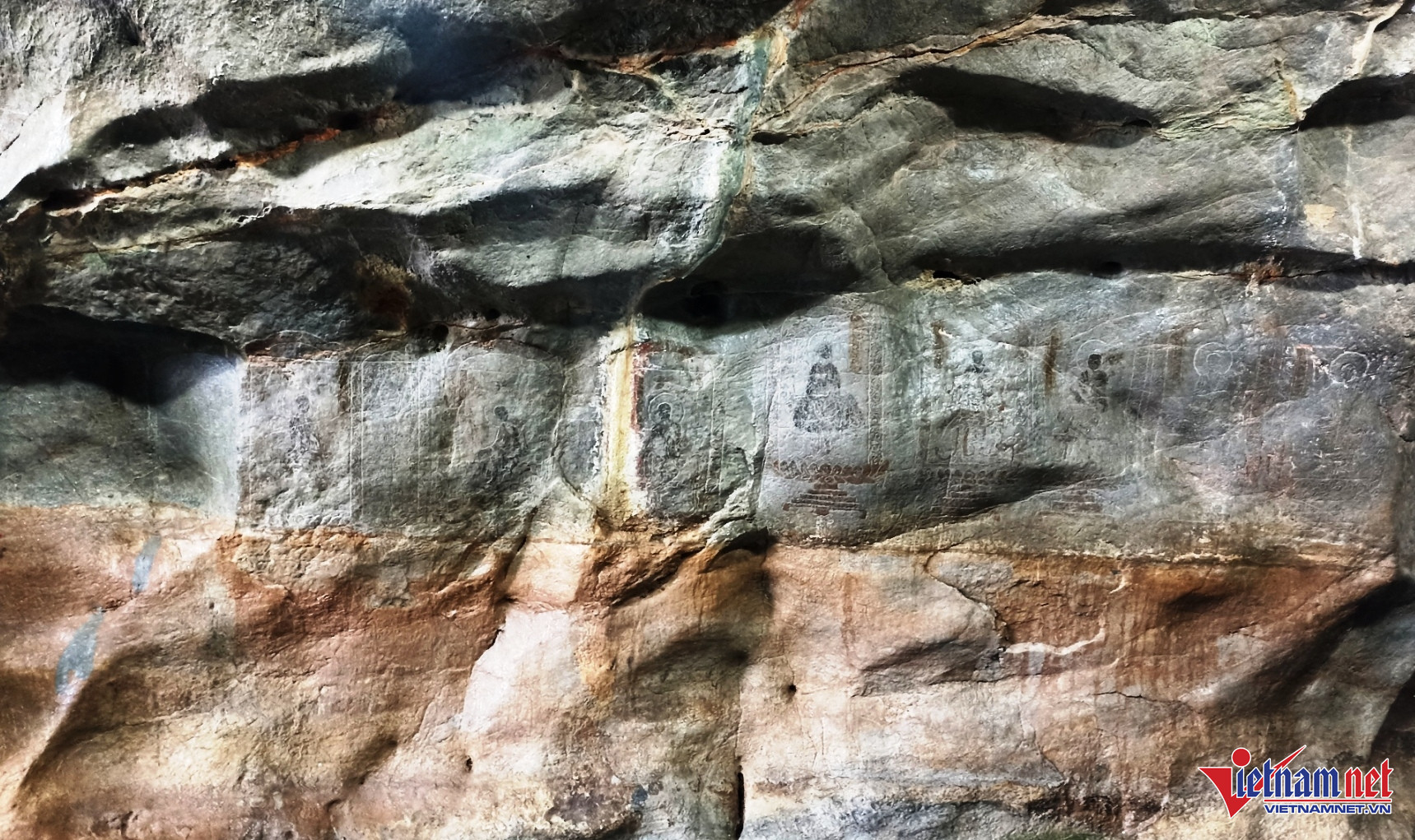
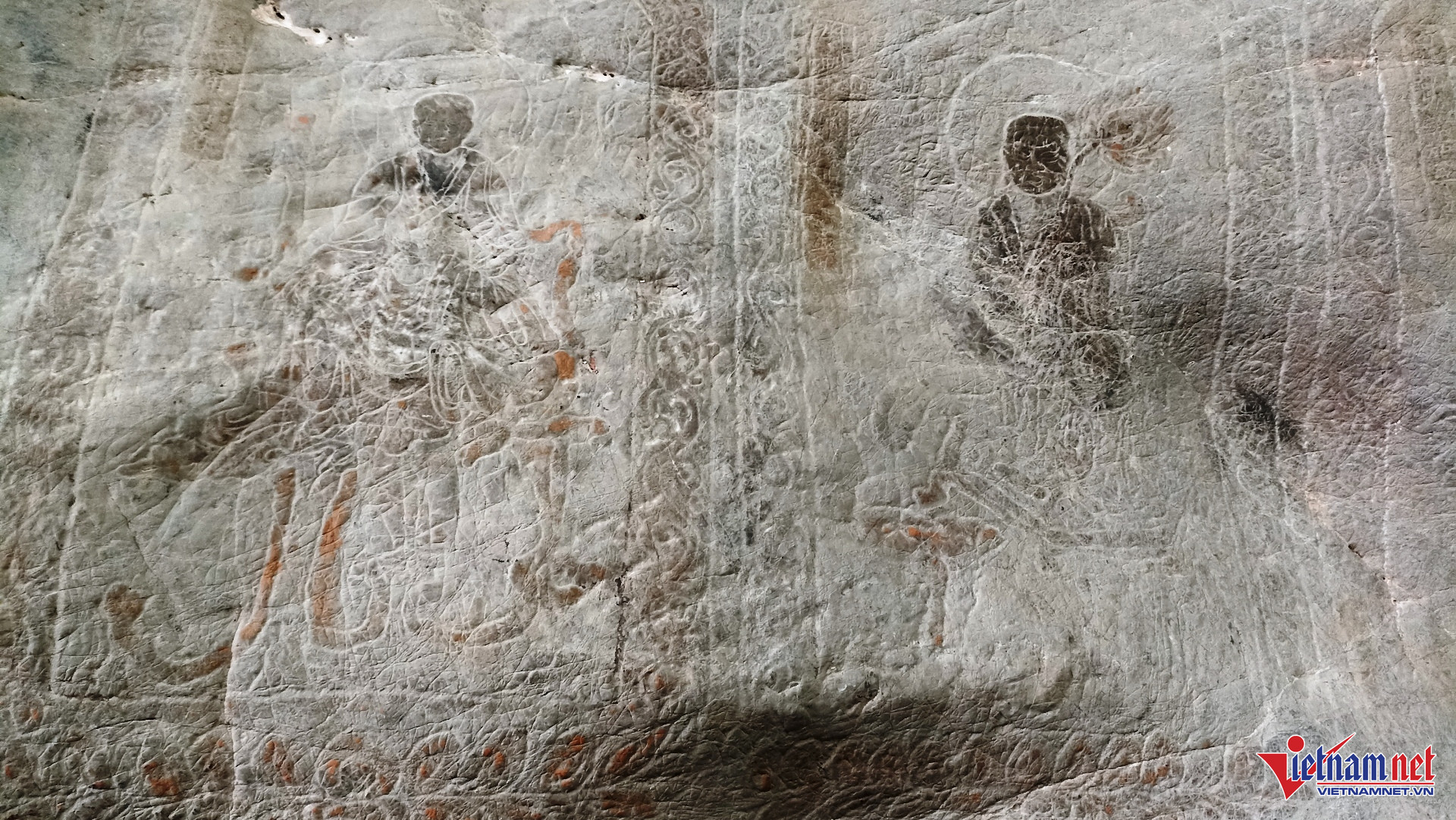
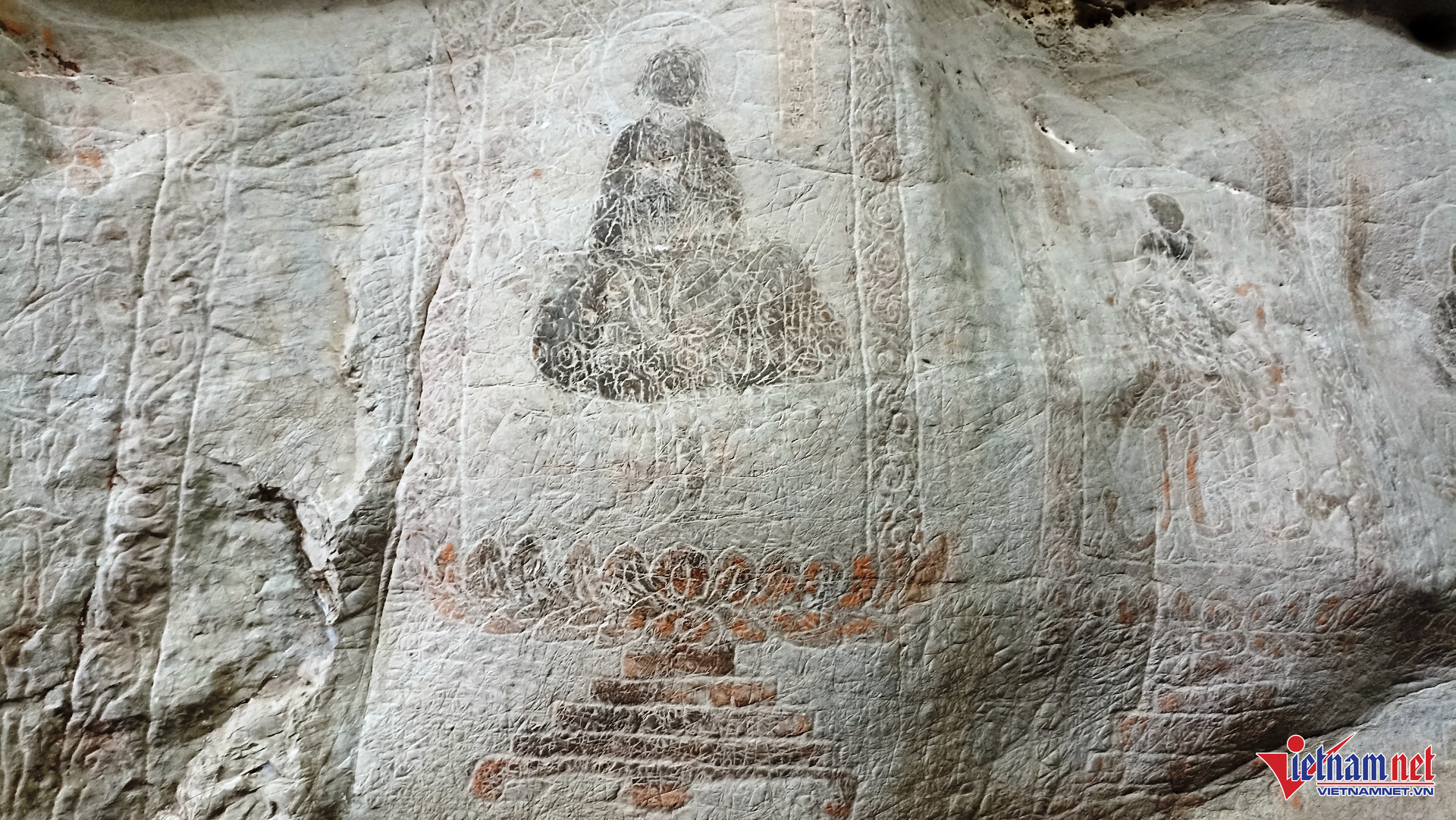
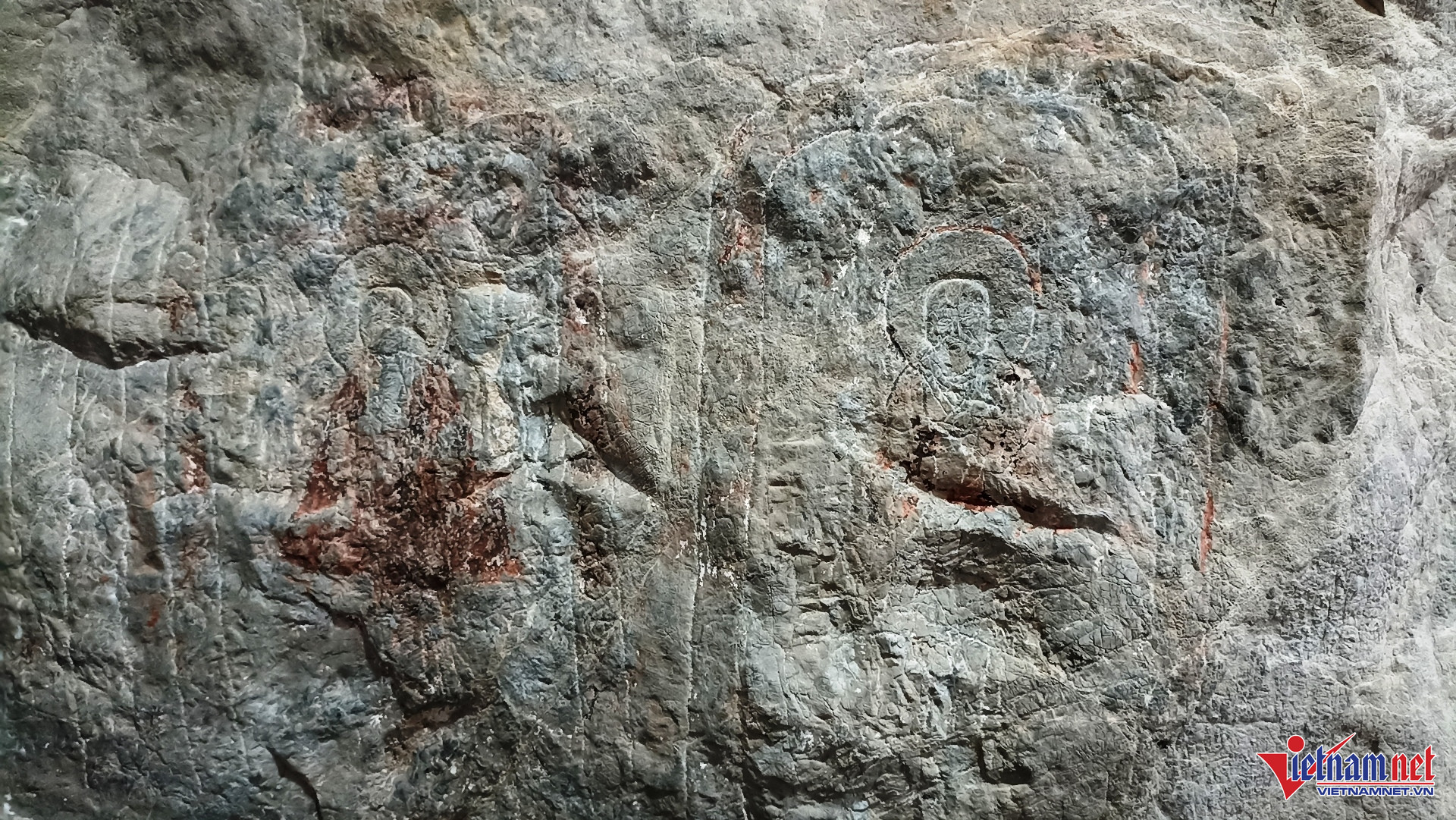
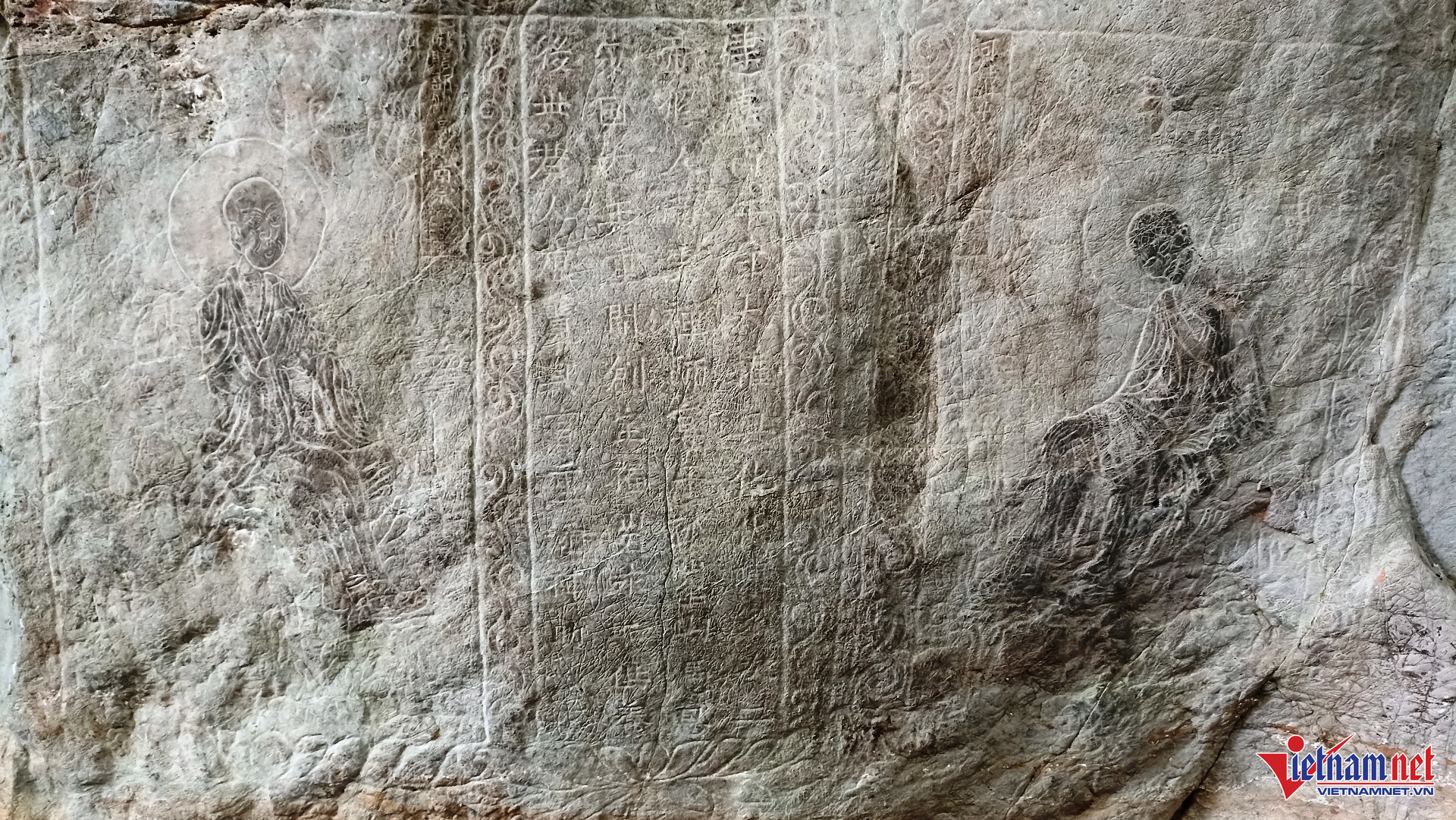
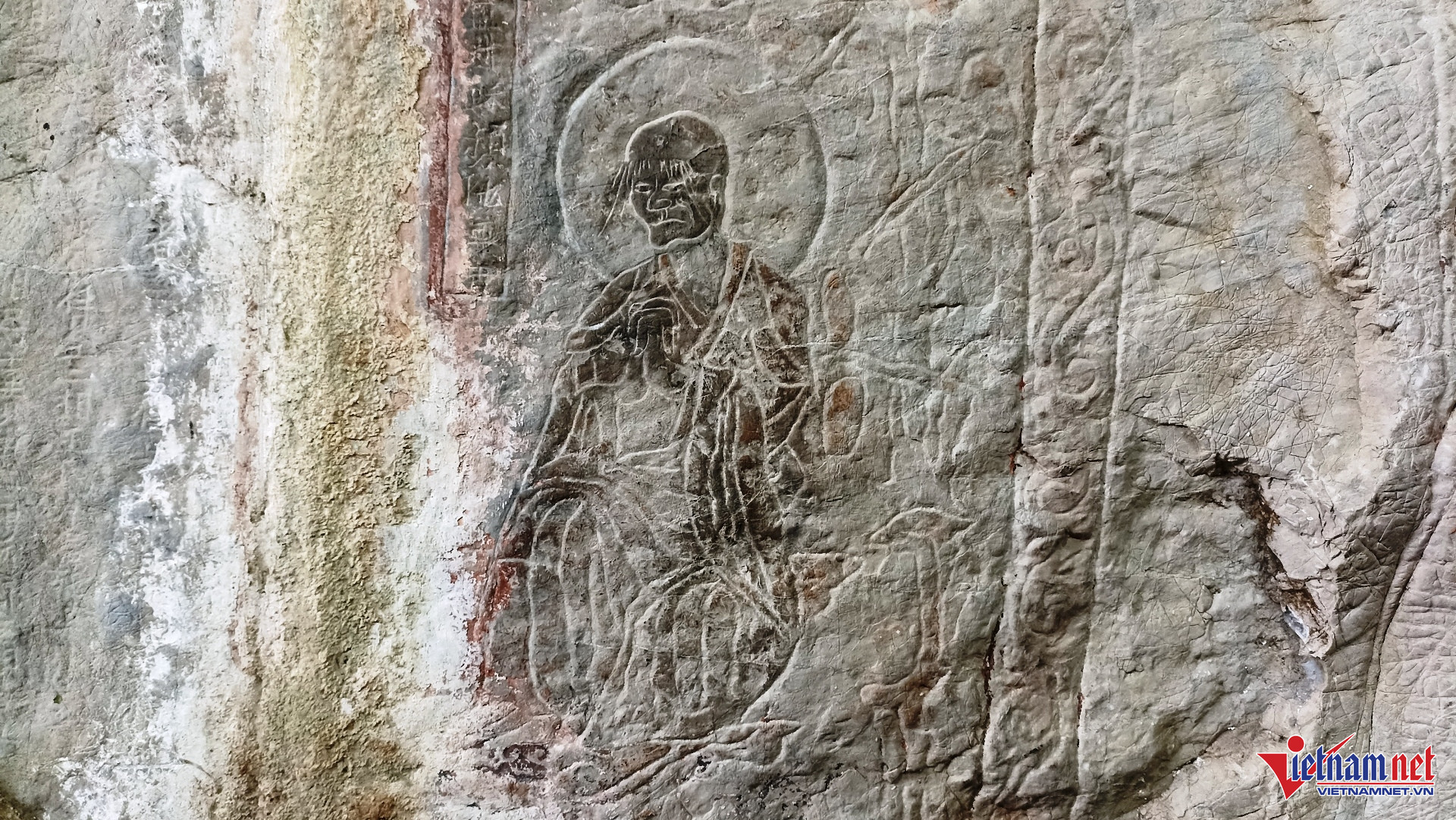
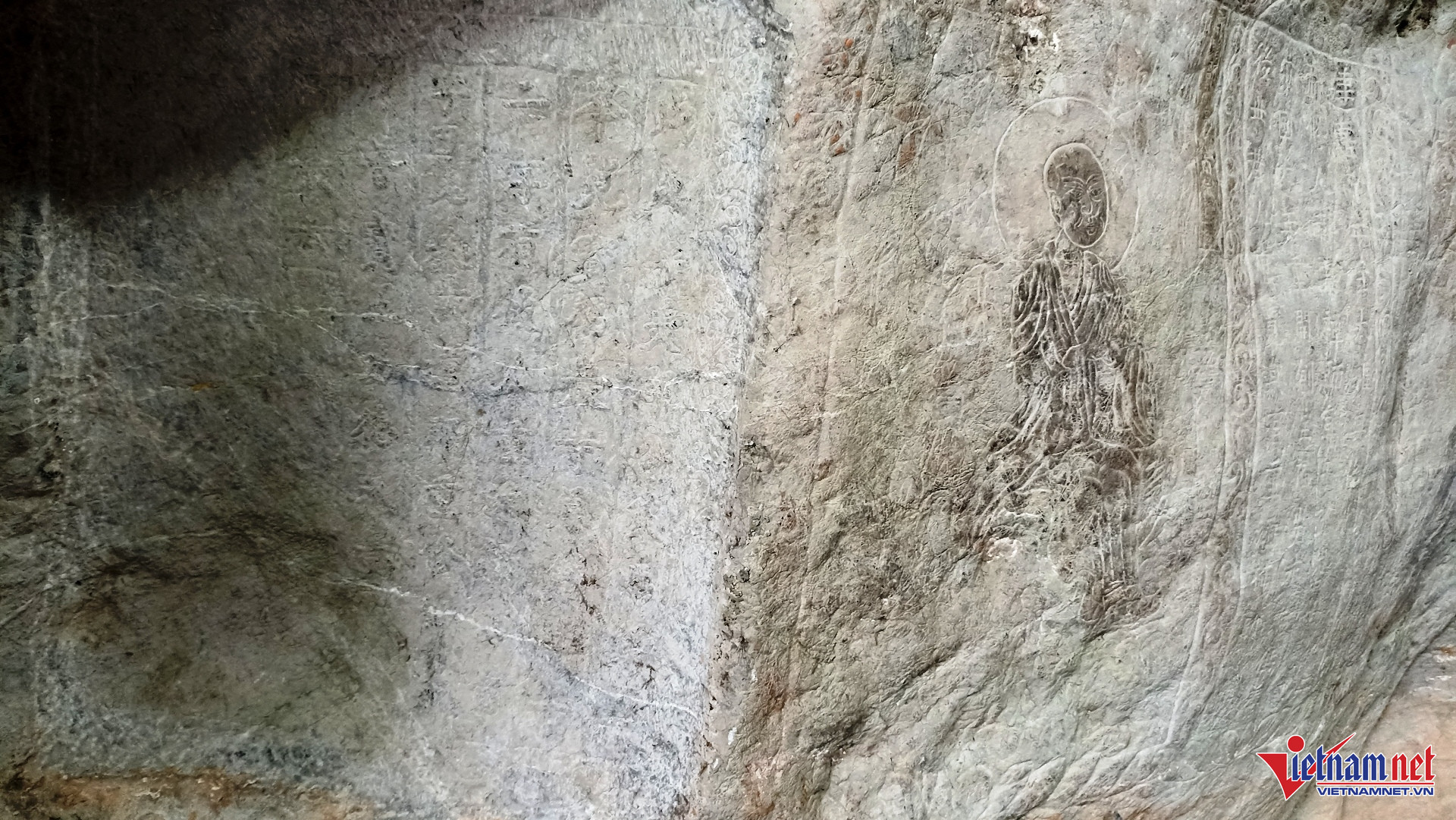
On both sides of the cave walls are carvings of 18 Arhats, nine on each side, each distinct in size and form. Every figure displays a different posture, gesture, facial expression and surrounding setting. Some sit cross-legged upon stone slabs, others hold staffs or prayer beads, while some rest their hands in meditative mudras.
Among them, the tallest carving, including lotus pedestal and base, measures 93cm, while the smallest stands at 67cm. The widest carving, measured along the outer frame edge, spans 57cm, and the narrowest measures 45cm.
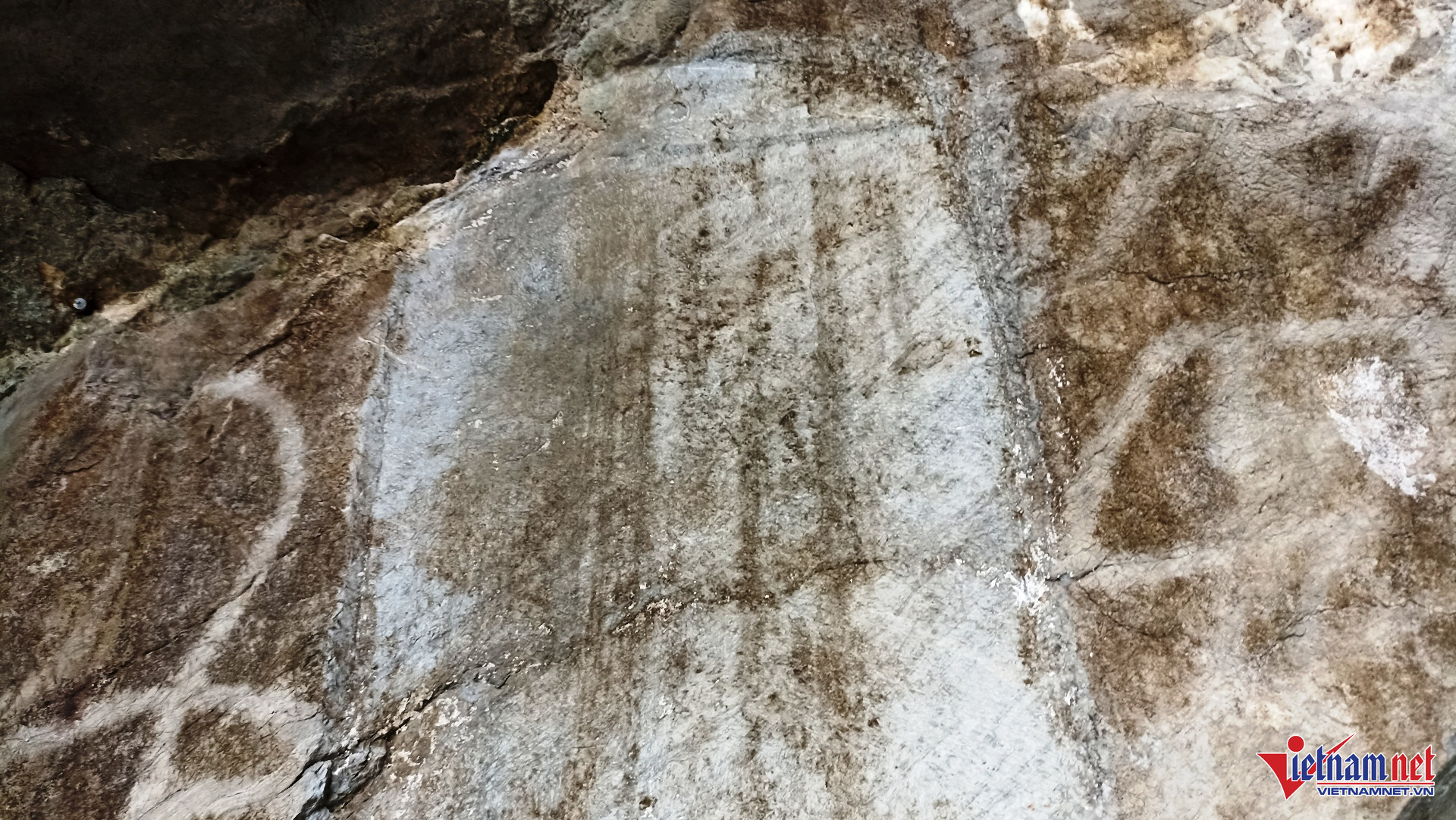
The images were carved directly into the mountain rock. Each carving is accompanied by Chinese characters identifying the Arhat depicted. However, many of these inscriptions have faded over time, with some characters worn away to the point of being partially or completely illegible.
According to a representative of the Ninh Binh Department of Culture and Sports, the set of 18 Arhat ma nhai carvings on the walls of Lien Hoa Cave, Co Phong Mountain, dates from the late Ly to the early Tran dynasty. Notably, these are the only known Arhat ma nhai carved onto a cave wall currently found in Vietnam.
The same representative emphasized that the set constitutes original and unique artifacts of the ma nhai genre, without duplication and the oldest of its kind in Vietnam. They serve as rare and valuable materials for studying Tran dynasty Buddhist art as well as the broader history and artistic development of Buddhism in Vietnam.
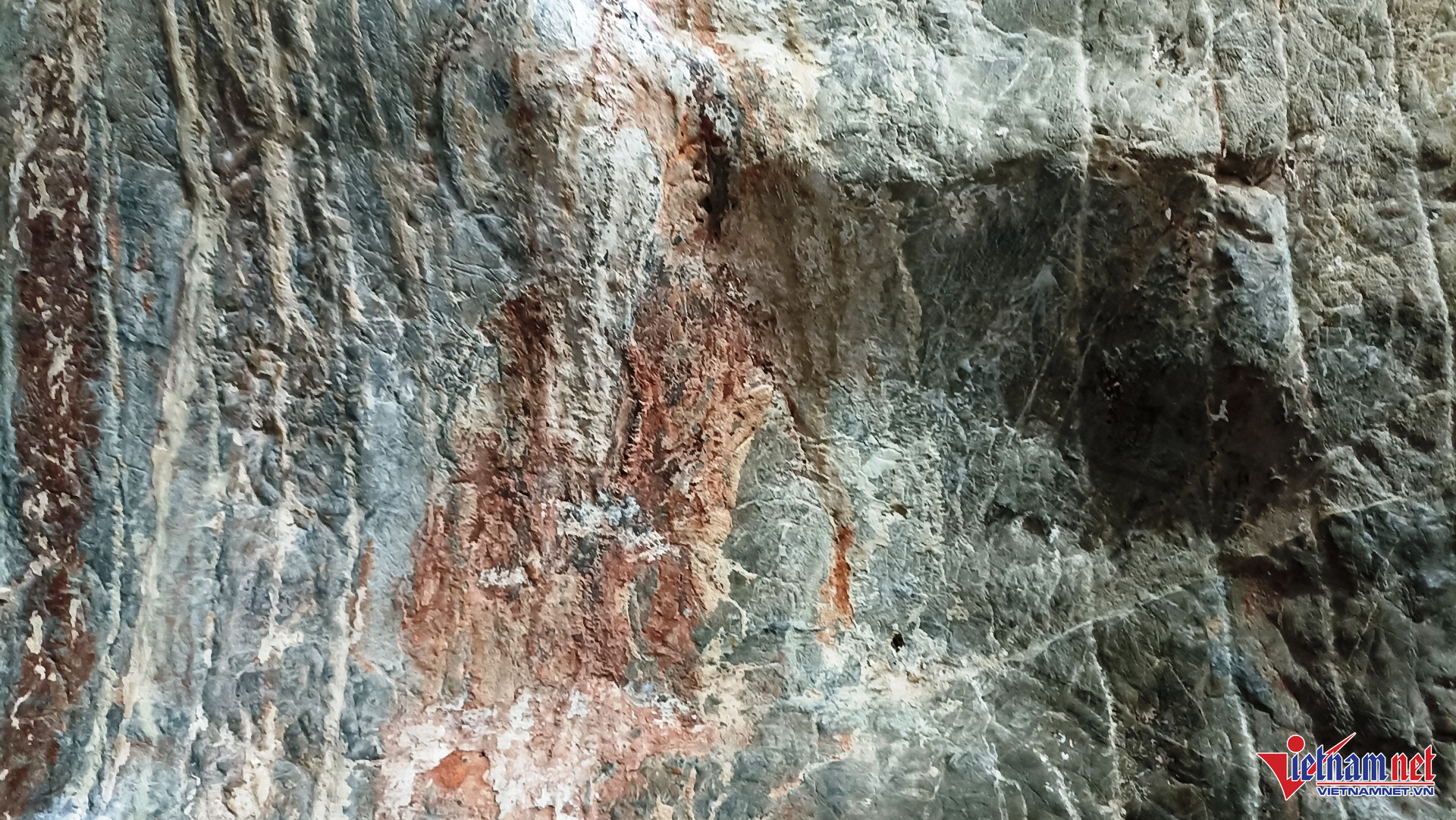
Over many centuries, carved into stone and exposed to natural elements, the reliefs have inevitably suffered weathering. The surfaces of several Arhat images show signs of erosion, scratches, fading lines and chipped details.
In early February 2026, the set of 18 Arhat ma nhai carvings at Lien Hoa Cave, Co Phong Mountain, Phong Phu Pagoda was officially recognized as a National Treasure. Phong Phu Pagoda was designated a National Historical and Cultural Relic in 1997.
.svg)
