 Vietnamnet.vn

 Podcast



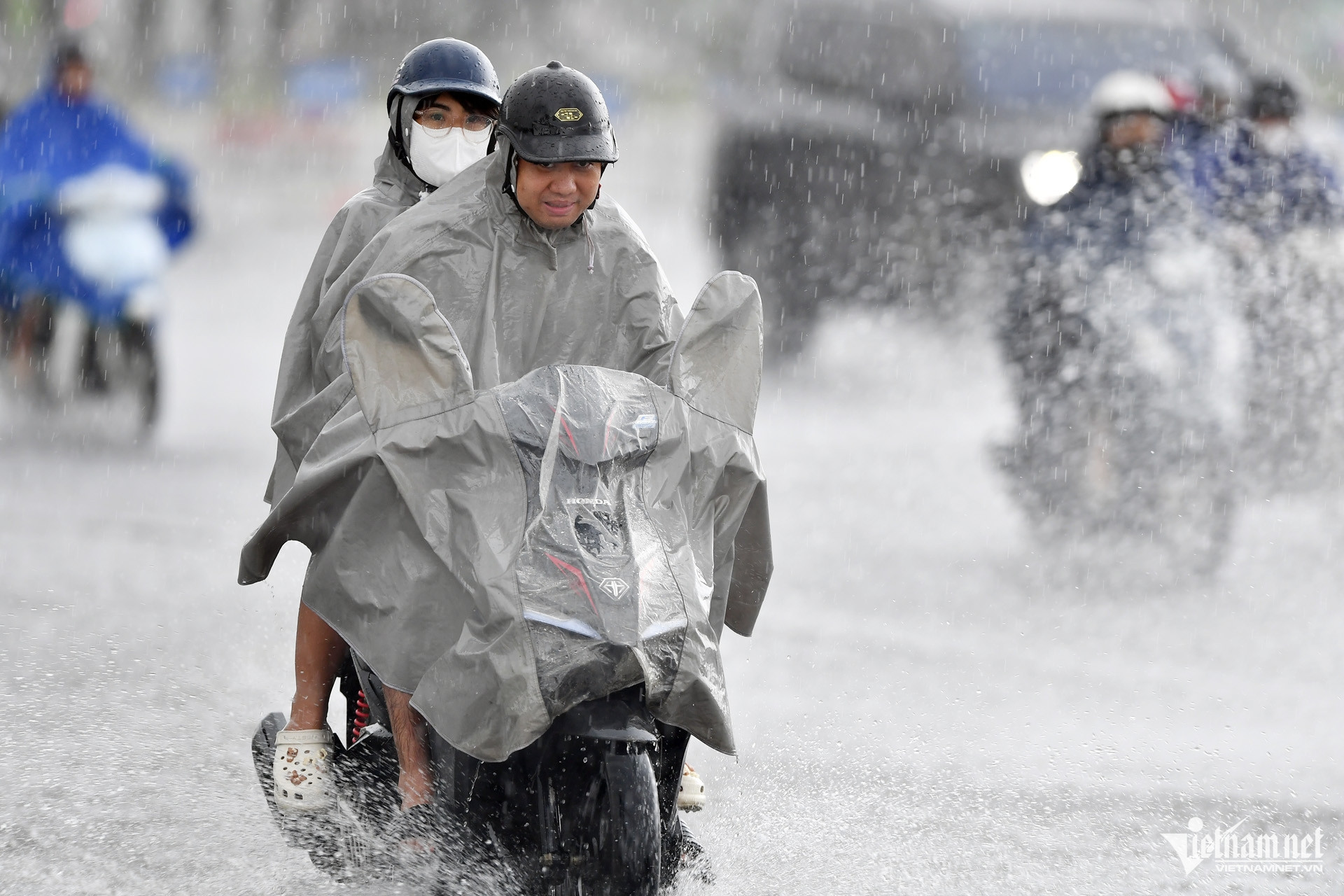
Northern Vietnam and Thanh Hoa Province are expected to experience widespread heavy rainfall from the evening of June 29 through July 1, with mountainous areas, midland provinces, Quang Ninh Province and Hai Phong City forecast to receive the heaviest downpours. Some locations could record more than 300 mm of rain, raising the risk of flooding, flash floods and landslides.
Quang Ninh and Hai Phong among the hardest-hit areas
Nguyen Thi Hue, a forecaster at the National Center for Hydro-Meteorological Forecasting, said the weather system driving the rainfall across northern Vietnam and Thanh Hoa remains active.
As a result, from the evening of June 29 until around July 1, these areas are expected to see widespread moderate to heavy rain, with some locations experiencing very heavy downpours.
Earlier on June 29, rain, moderate rain and thunderstorms had already developed across northwestern Vietnam and Quang Ninh Province, with isolated areas receiving heavy rainfall.
Between 7 a.m. and 3 p.m. on June 29, several weather stations recorded rainfall exceeding 50 mm, including Phinh Ho in Quang Ninh with 73.6 mm, Ta Phin 1 in Dien Bien with 68.6 mm, Chien Pho in Tuyen Quang with 62.8 mm, Km22 in Son La with 58.6 mm and Doan Tinh in Quang Ninh with 53.4 mm.
From the evening of June 29 through July 1, rainfall across the northern mountainous and midland regions, Quang Ninh Province and Hai Phong City is forecast to total between 70 mm and 150 mm, with isolated areas exceeding 300 mm, particularly in Tuyen Quang, Cao Bang and Thai Nguyen.
Other parts of northern Vietnam and Thanh Hoa are expected to receive between 40 mm and 100 mm of rain, with some areas recording more than 200 mm.
Most rainfall is forecast during the evening, overnight and early morning.
Meteorologists also warned of extremely intense downpours, with rainfall potentially exceeding 100 mm within three hours.
In Hanoi, moderate rain and thunderstorms are expected during the evening and overnight on June 29, with some areas likely to experience heavy to very heavy rain.
Meanwhile, during the afternoon and evening of June 29, Nghe An Province, the area from Hue City to Lam Dong Province, and southern Vietnam are forecast to experience scattered showers and thunderstorms, with rainfall generally ranging from 10 mm to 30 mm and isolated locations exceeding 80 mm.
Forecasters warned that thunderstorms could be accompanied by tornadoes, lightning, hail and strong winds. Heavy rainfall may cause flooding in low-lying areas, urban districts and industrial zones, while also increasing the risk of flash floods along small rivers and streams and landslides on steep slopes.
Heavy rain expected to continue through the night of July 1
According to the forecast, the northern mountainous and midland regions will continue to experience heavy rain on the night of July 1, with rainfall generally ranging from 20 mm to 40 mm and isolated totals exceeding 80 mm.
From July 2 onward, heavy rain across northern Vietnam is expected to gradually weaken, although scattered showers and thunderstorms will continue.
Earlier forecasts also indicated that between July 1 and July 5, the northern mountainous and midland regions would continue to experience nighttime and early morning thunderstorms, with each rainfall event expected to bring between 50 mm and 100 mm of rain and isolated totals exceeding 250 mm.
The northern plains and Thanh Hoa are expected to see scattered showers and thunderstorms during the same period.
Between July 1 and July 9, areas from Nghe An to Hue City and the eastern parts of the region stretching from Quang Ngai Province to Dak Lak Province are forecast to experience isolated showers and thunderstorms. From the night of July 1 through July 3, rainfall is expected to become more widespread, with some locations receiving heavy rain.
Beginning July 1, hot weather across central Vietnam is expected to ease, remaining only in isolated areas where temperatures may still exceed 35 degrees Celsius before ending altogether.
Meanwhile, the Central Highlands and southern Vietnam are forecast to experience moderate to heavy rain and prolonged thunderstorms through July 5 as the southwest monsoon strengthens.
The national weather agency advised local authorities and residents in affected areas to remain alert for thunderstorms, strong winds, lightning, urban flooding, flash floods and landslides in the coming days.
Bao Anh
.svg)
