 Vietnamnet.vn

 Podcast



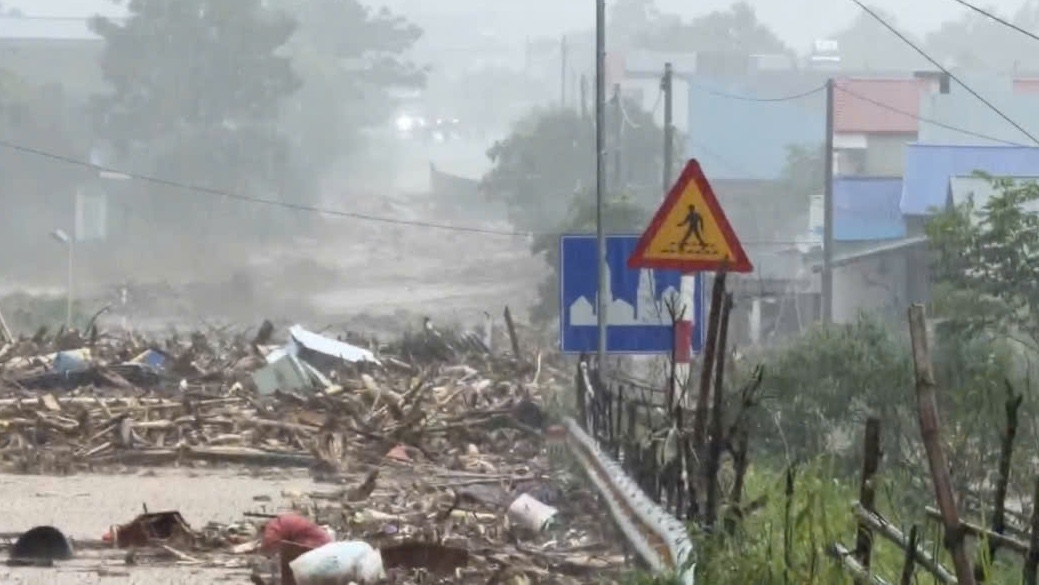
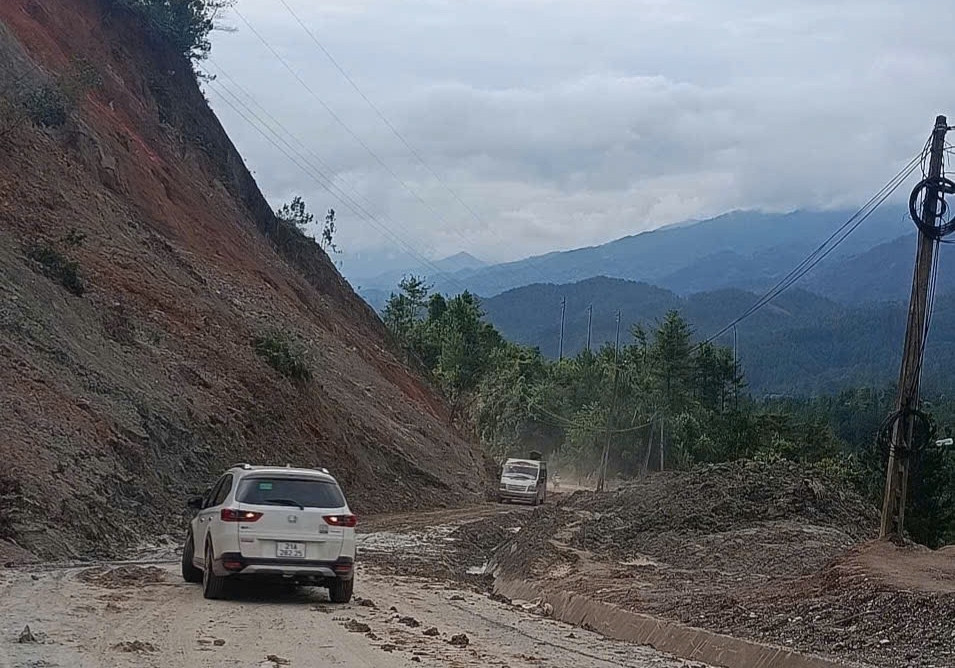
Heavy rain triggered landslides along several key transport routes throughout the region.
In Lai Chau, debris buried sections of National Highways 4H, 12, 32 and 279, as well as numerous provincial roads.
Lao Cai reported landslides on National Highways 279 and 32, together with Provincial Road 175B.
In Son La, authorities recorded 32 landslide sites along Provincial Road 109, while Dien Bien also experienced multiple landslides affecting National Highways 12 and 279, Provincial Road 143, and several local roads.
One of the most serious disruptions remains at Km139+300 on National Highway 279 in Lao Cai, where traffic has yet to resume and vehicles continue using a temporary diversion.
Although many damaged sections have been reopened to traffic, officials warn that continued rainfall could trigger further landslides.
The Vietnam Road Administration has instructed road management agencies to deploy personnel, equipment and construction materials to restore damaged roads as quickly as possible.
Authorities have also been ordered to repair road foundations, pavement, drainage systems and install additional traffic safety signs where necessary.
According to Road Management Zone I, emergency crews have already reopened the most severely damaged section of National Highway 12 to temporary traffic since July 20.
However, many national highways have only been cleared sufficiently to allow single-lane traffic, meaning they remain vulnerable to renewed landslides if heavy rain continues.
Meanwhile, Pham Duc Luan, Director General of the Department of Dyke Management and Disaster Prevention, said scattered showers and thunderstorms were forecast to continue on July 21 across the Quang Ninh - Hai Phong region, with some areas expected to receive more than 100 millimeters of rainfall.
Authorities have urged local governments to closely monitor weather developments and prepare for the continued risk of flash floods and landslides in vulnerable mountainous areas.
Vu Diep
.svg)
