 Vietnamnet.vn

 Podcast



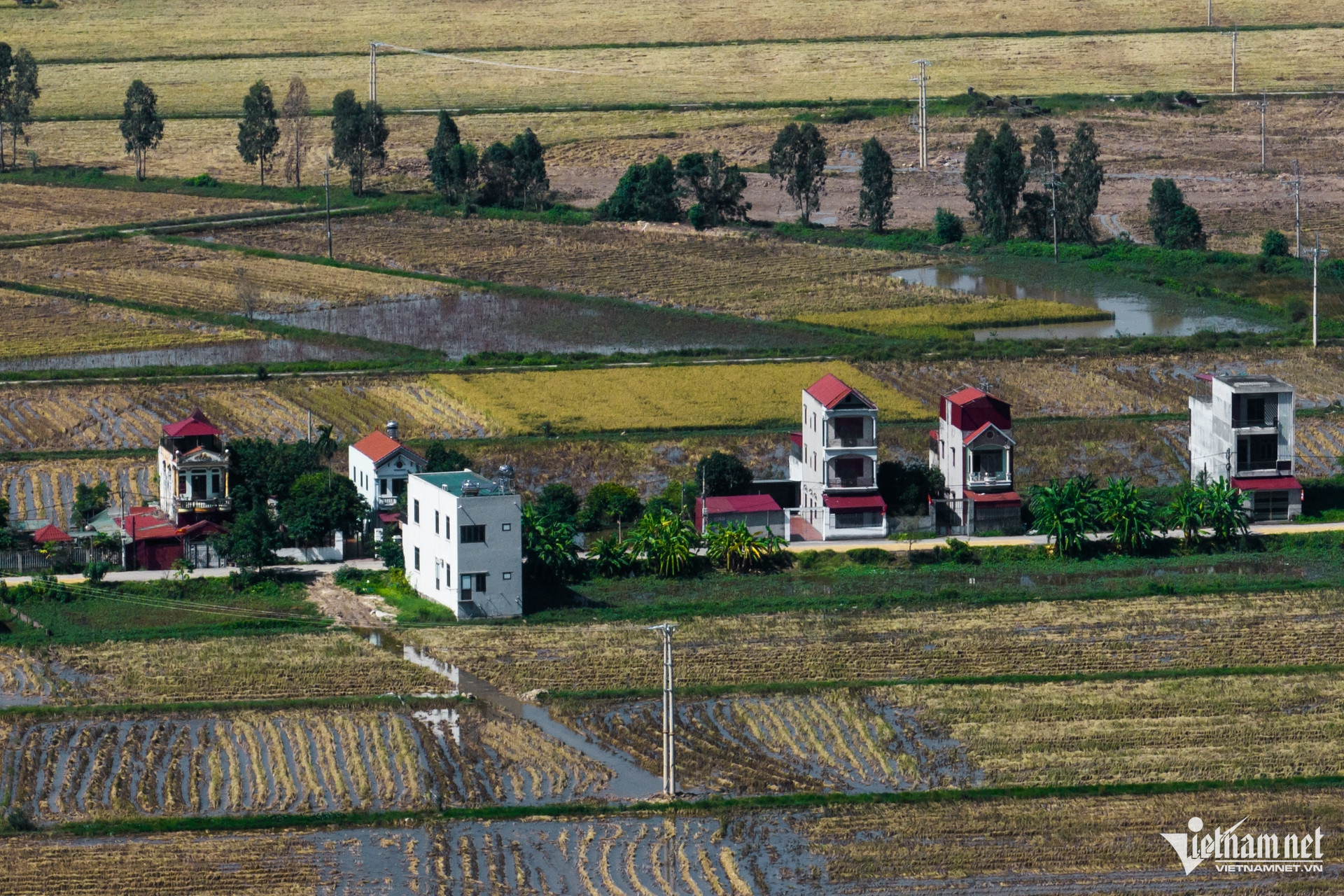
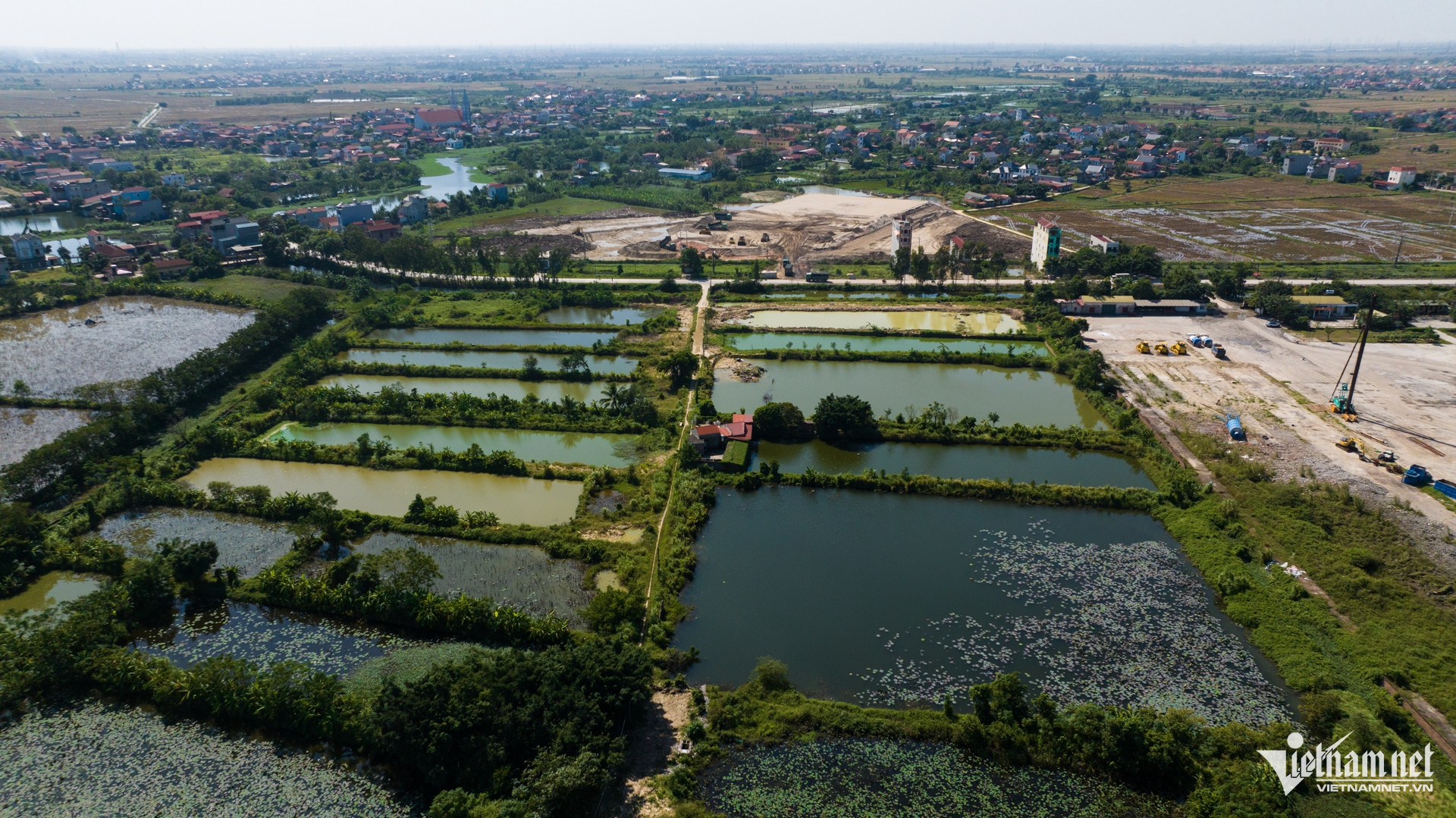
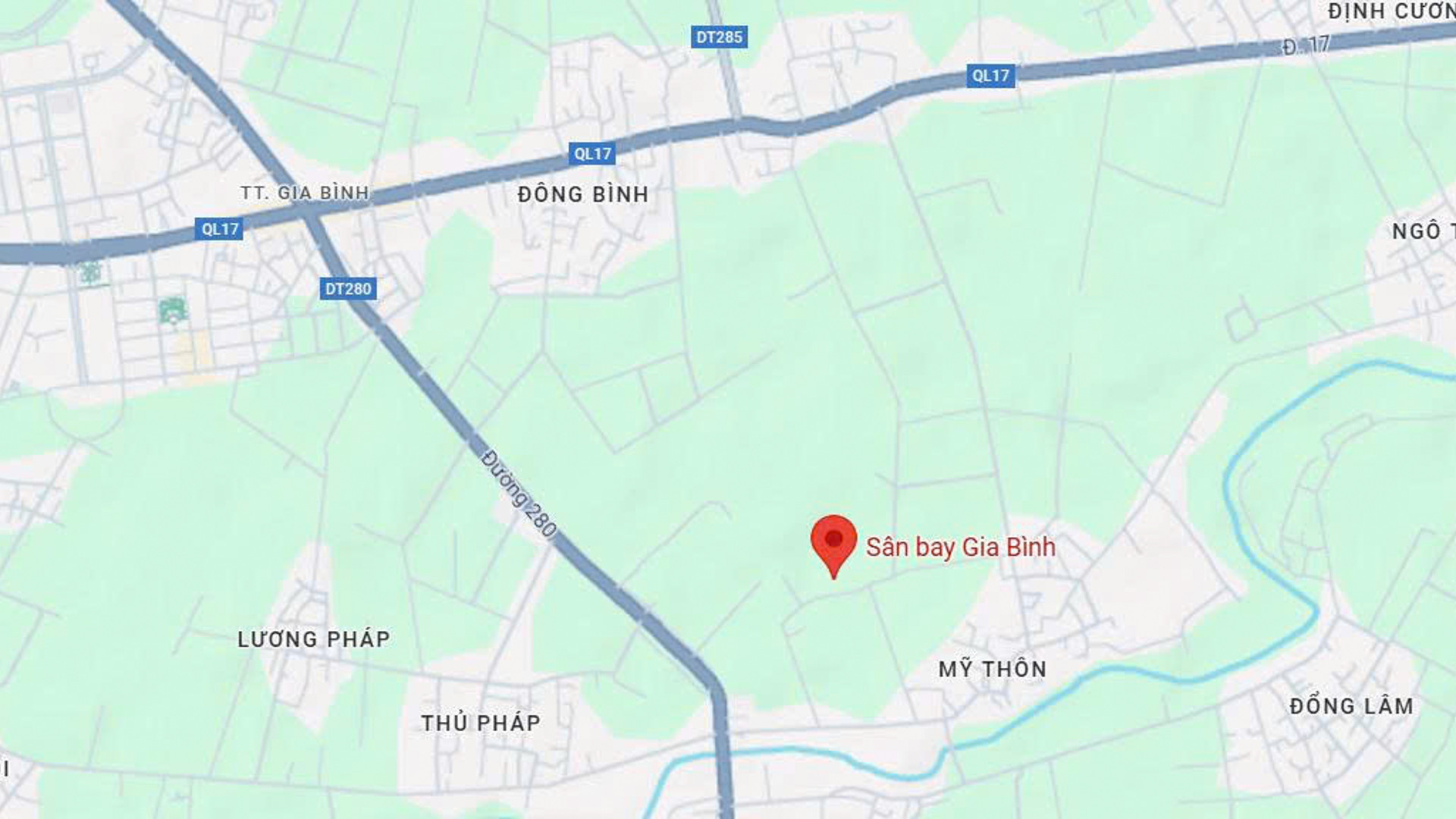
The land designated for Gia Binh Airport in Bac Ninh province lies beside National Highway 17, intersected by Route 280, and is currently surrounded by vast rice fields.
Covering nearly 2,000 hectares, with an investment of over 196 trillion VND (approximately 8 billion USD), the construction of Gia Binh Airport is underway with initial groundwork and technical infrastructure already being developed.
The area is a sprawling plain located about 40 kilometers from Hanoi’s iconic Hoan Kiem Lake.
Heavy machinery has been operating continuously in recent days to level the ground. In terms of size, Gia Binh Airport surpasses both Noi Bai and Tan Son Nhat international airports (which each span around 1,500 hectares), second only to Long Thanh Airport (about 5,000 hectares).
The master plan includes four runways - arranged in two pairs located to the north and south, separated by 1,800 meters for independent operation. The airport will be equipped with taxiways, aprons, and flight operation facilities designed to 4F standards, making it the largest airport project in northern Vietnam.
Recently, the Bac Ninh provincial government disbursed over 1.997 trillion VND (about 81 million USD) in compensation to 4,054 households across Gia Binh, Nhan Thang, and Luong Tai communes, covering over 436 hectares to accelerate site clearance.
Land clearance for agricultural plots is scheduled for completion no later than November 30, 2025, while resettlement areas are to be ready by December 15, 2025.
Gia Binh Airport is planned to serve as the main air gateway for northern Vietnam - a regional hub for passenger and cargo transportation, boosting economic development in the Red River Delta.
The airport will meet ICAO 4F standards, capable of handling new-generation wide-body, long-range aircraft.
Project timeline and infrastructure
The Gia Binh Airport project will be developed in two phases:
In the first phase (2021–2030), two runways - each 3,500 meters long and 45 meters wide, spaced 1,800 meters apart - will be constructed. The airport is expected to handle up to 30 million passengers and 1.6 million tons of cargo annually.
By 2050, nearly 53 trillion VND (around 2.1 billion USD) will be invested to expand capacity to 50 million passengers and 2.5 million tons of cargo per year. Two additional runways will be built in the southern section, meeting international aviation technical standards.
Gia Binh International Airport is planned to connect directly with expressways from Hanoi and Hai Phong, and will also feature urban rail links to Hanoi and the national railway network.
At a working session on November 12, Hanoi’s Party Committee approved the investment policy for a new road connecting Gia Binh Airport to the capital, developed under a public-private partnership (PPP) in a build-transfer (BT) model.
According to the Hanoi People’s Committee, this route will pass through Tu Son and Phu Khe in Bac Ninh and the communes of Thuan An, Phu Dong, Thu Lam, and Dong Anh in Hanoi. Infrastructure construction is expected to begin between 2025 and 2026, with a projected total investment of approximately 32.97 trillion VND (about 1.34 billion USD).
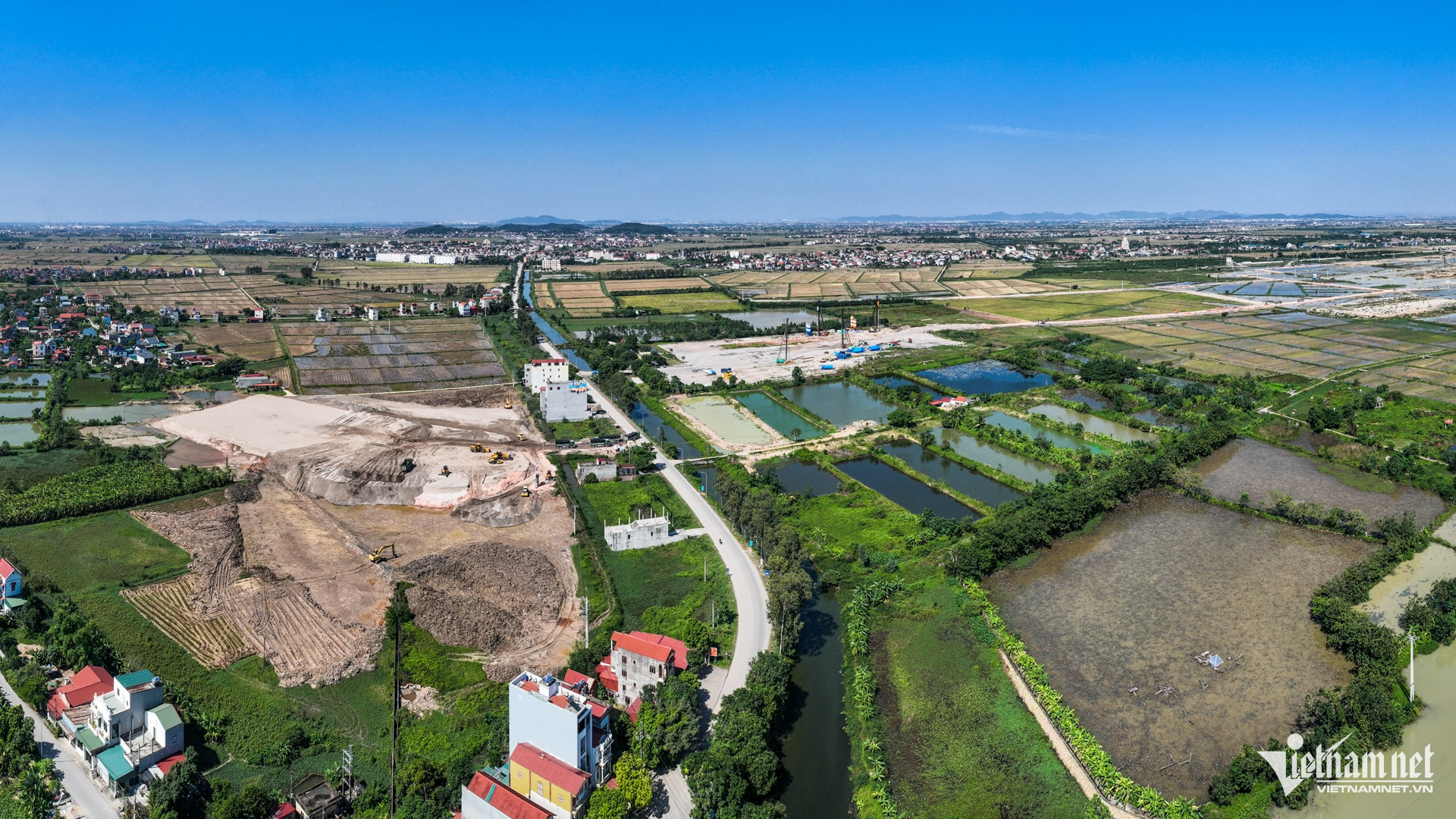
The Gia Binh Airport construction zone in Bac Ninh spans nearly 2,000 hectares. Photo: Thach Thao
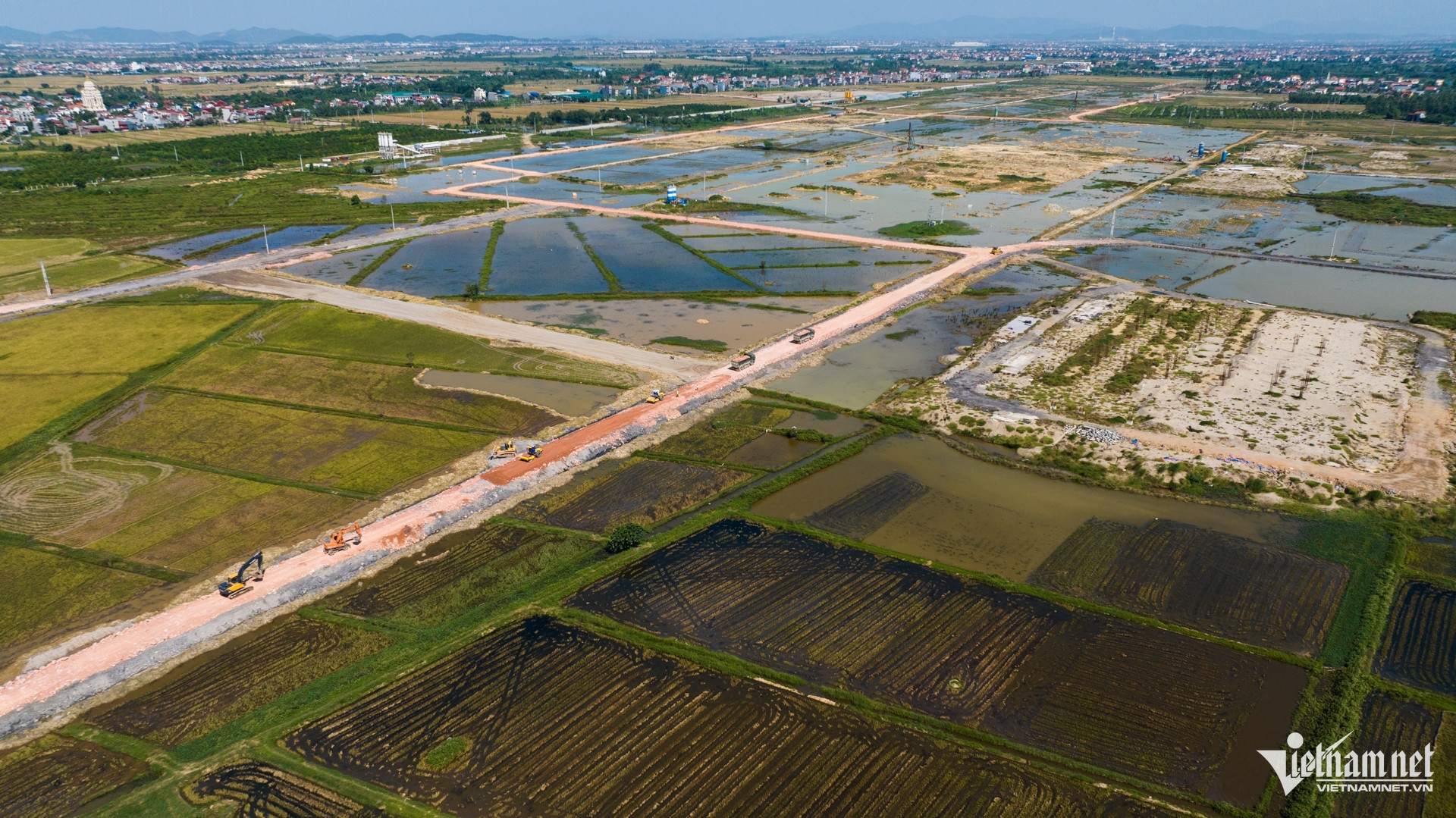
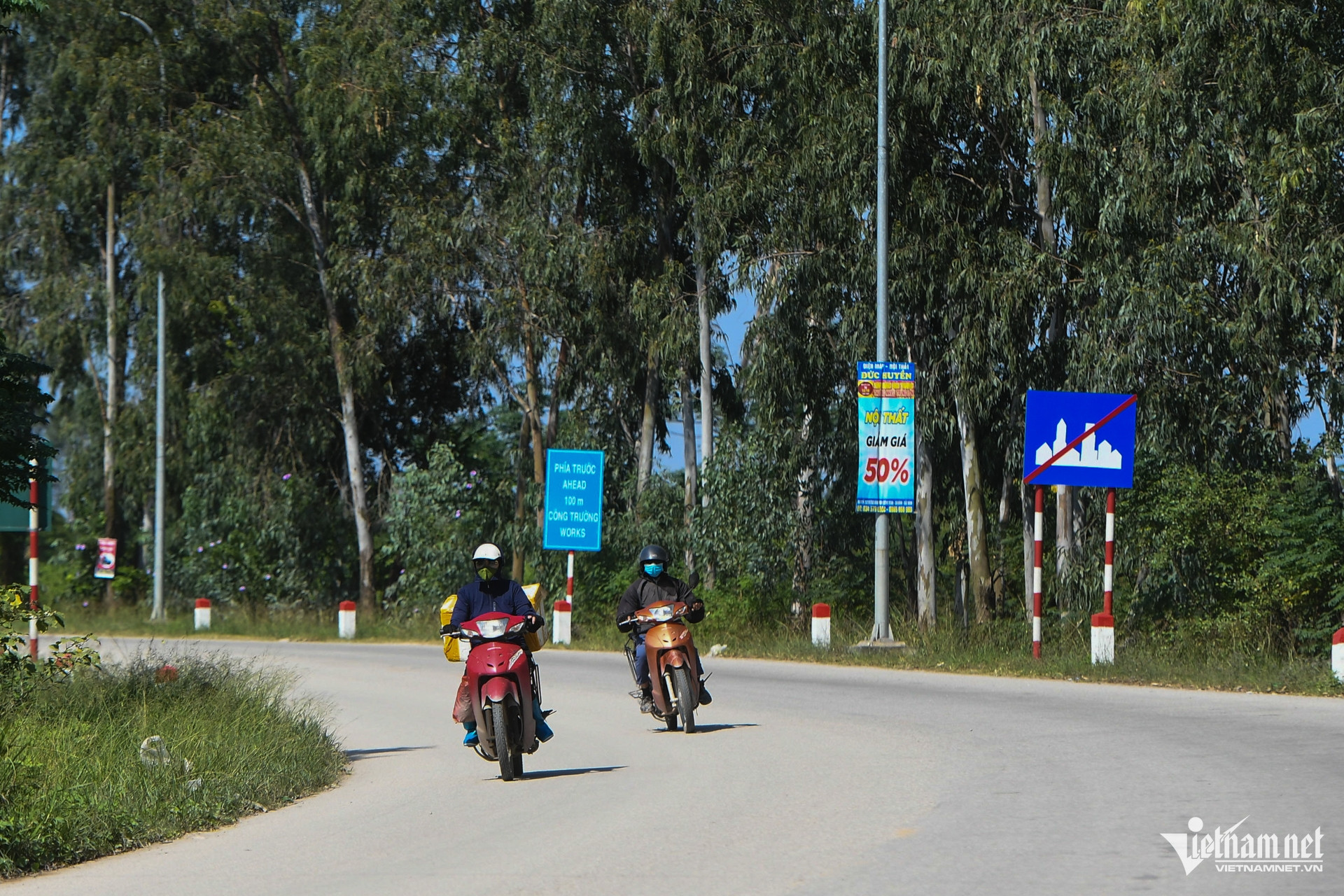
The site lies adjacent to National Highway 17, crossed by Route 280. Photo: Thach Thao
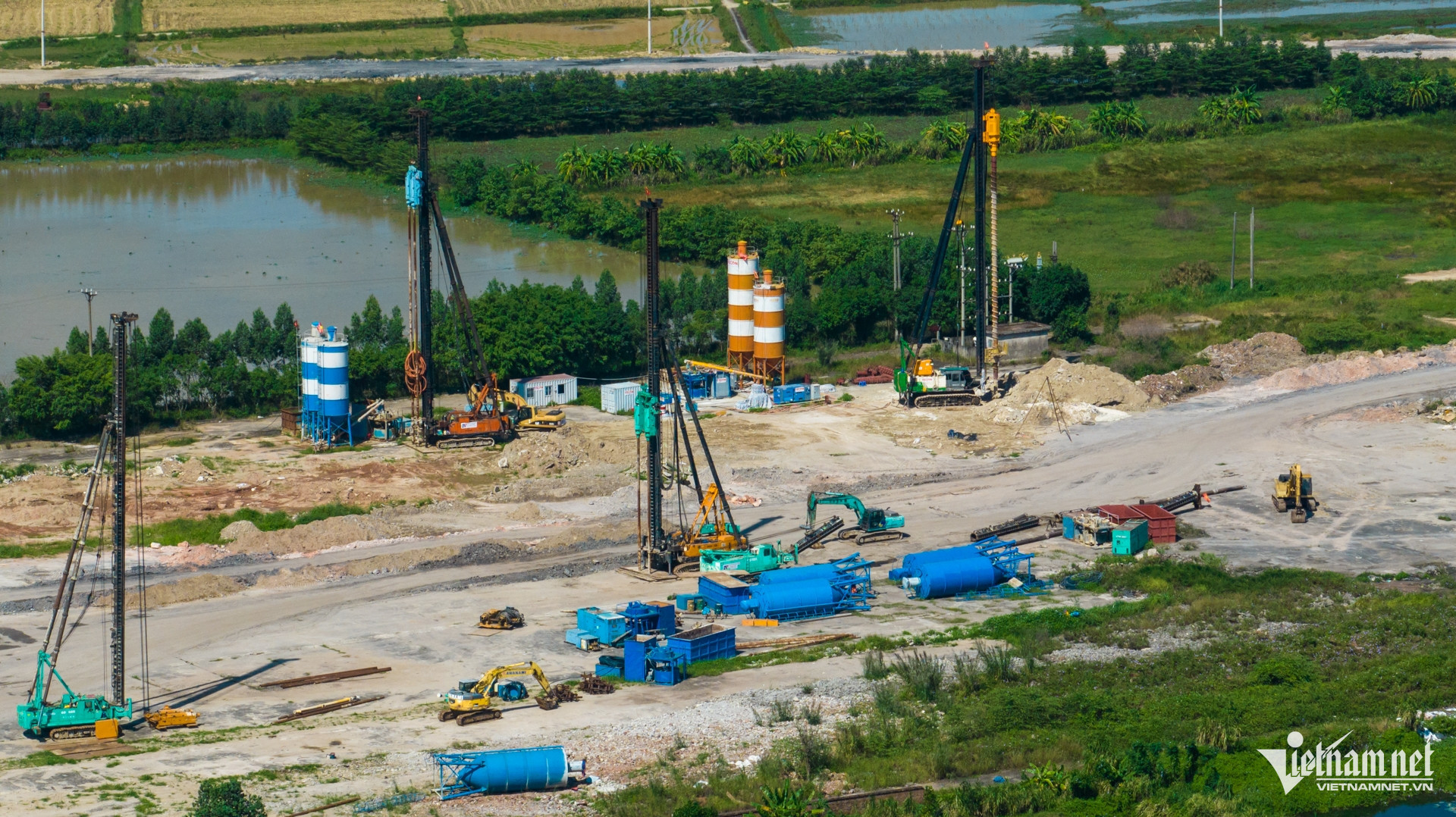
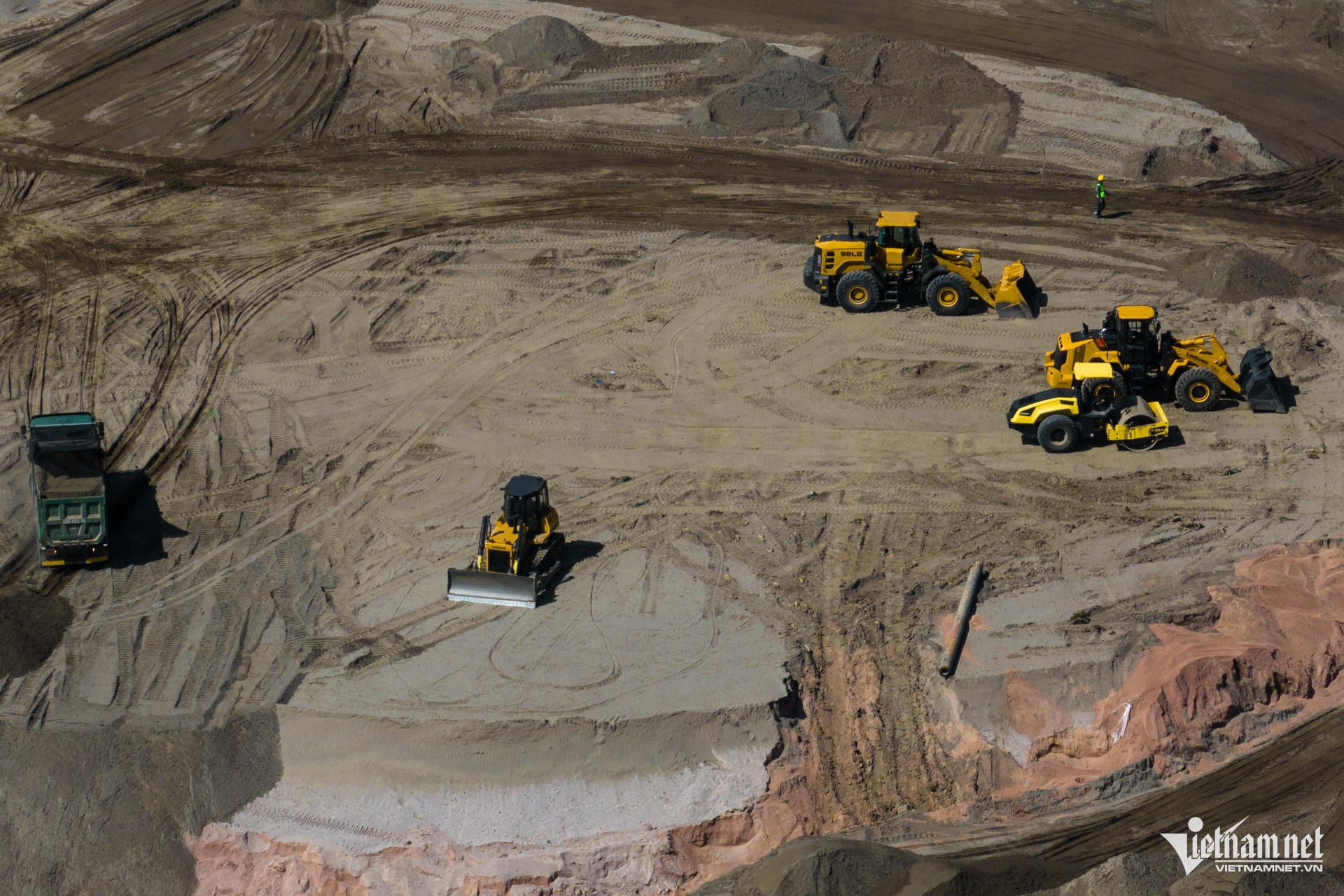
Machines operating non-stop to level the site. Photo: Thach Thao
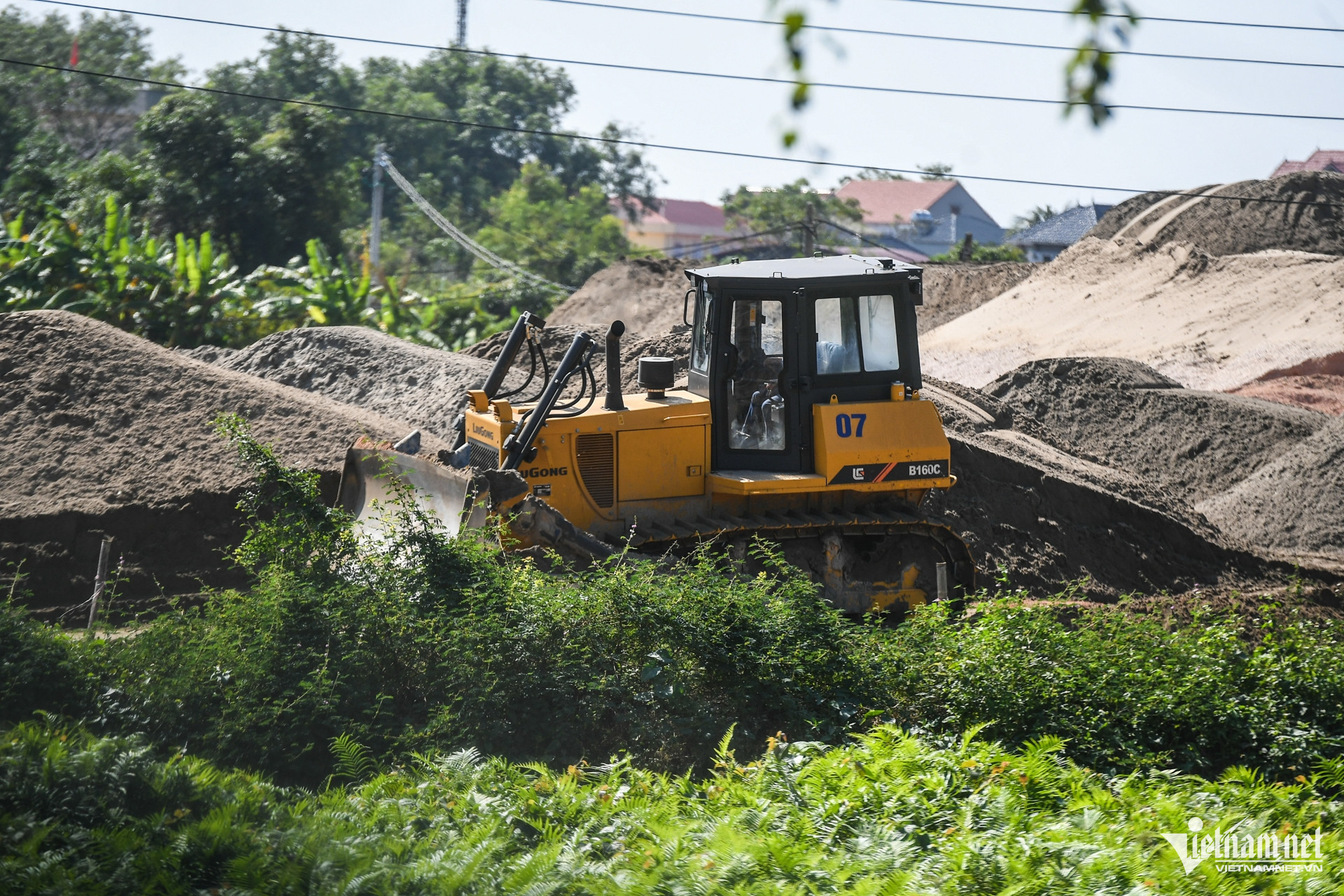
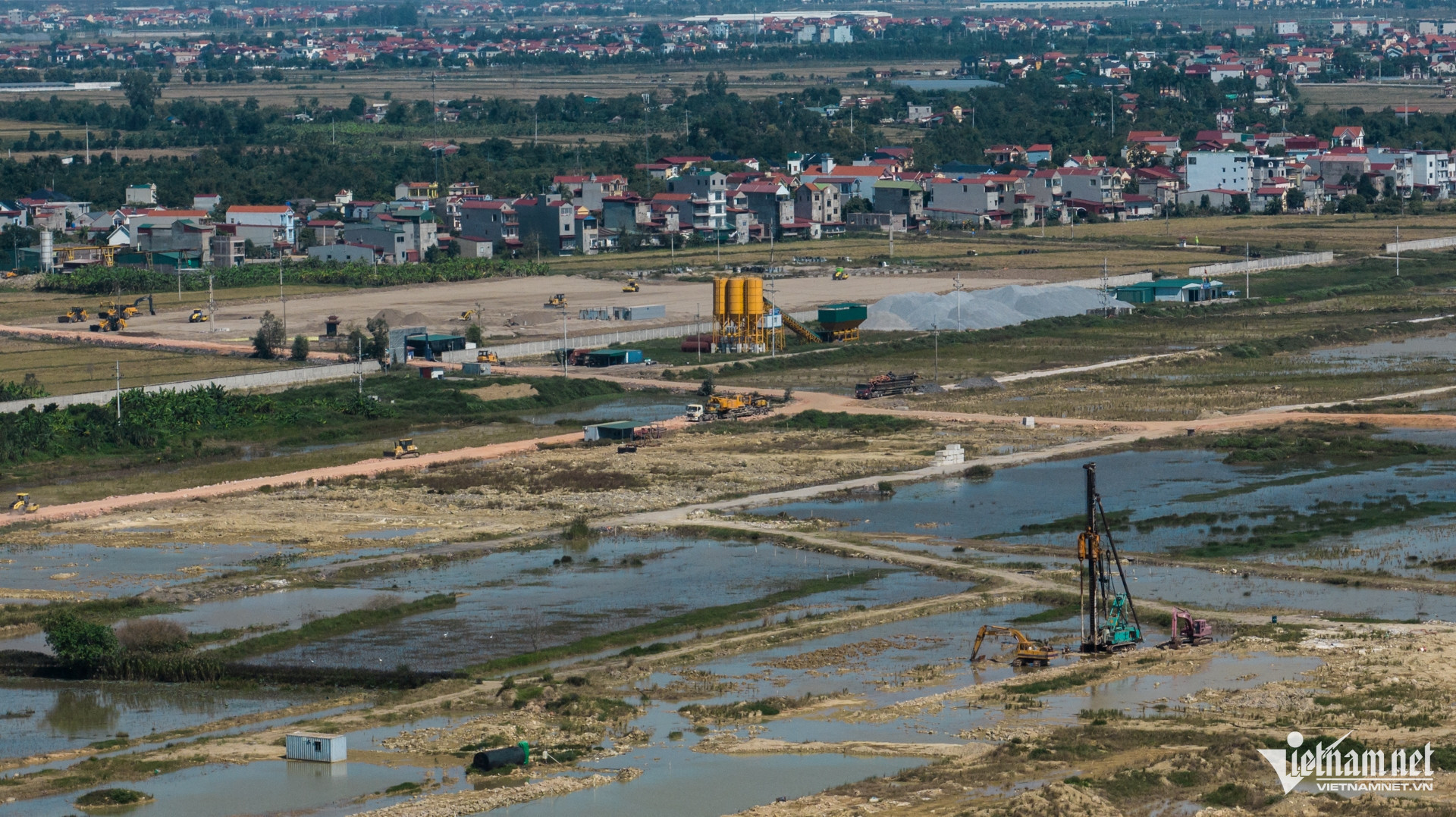
Construction site for Gia Binh Airport. Photo: Thach Thao
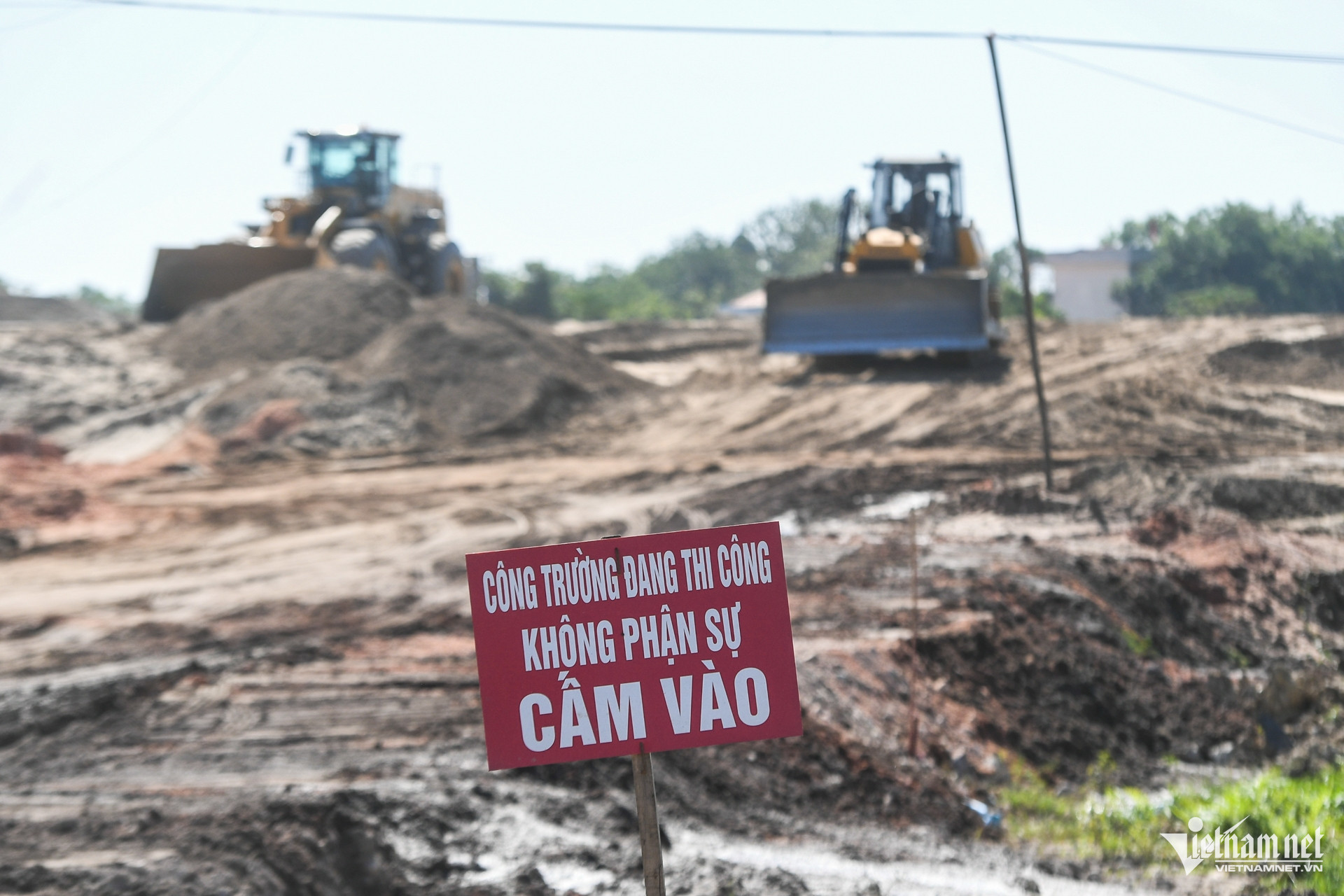
Construction zones are restricted with signage and barriers. Photo: Thach Thao
Thach Thao
.svg)
