 Vietnamnet.vn

 Podcast



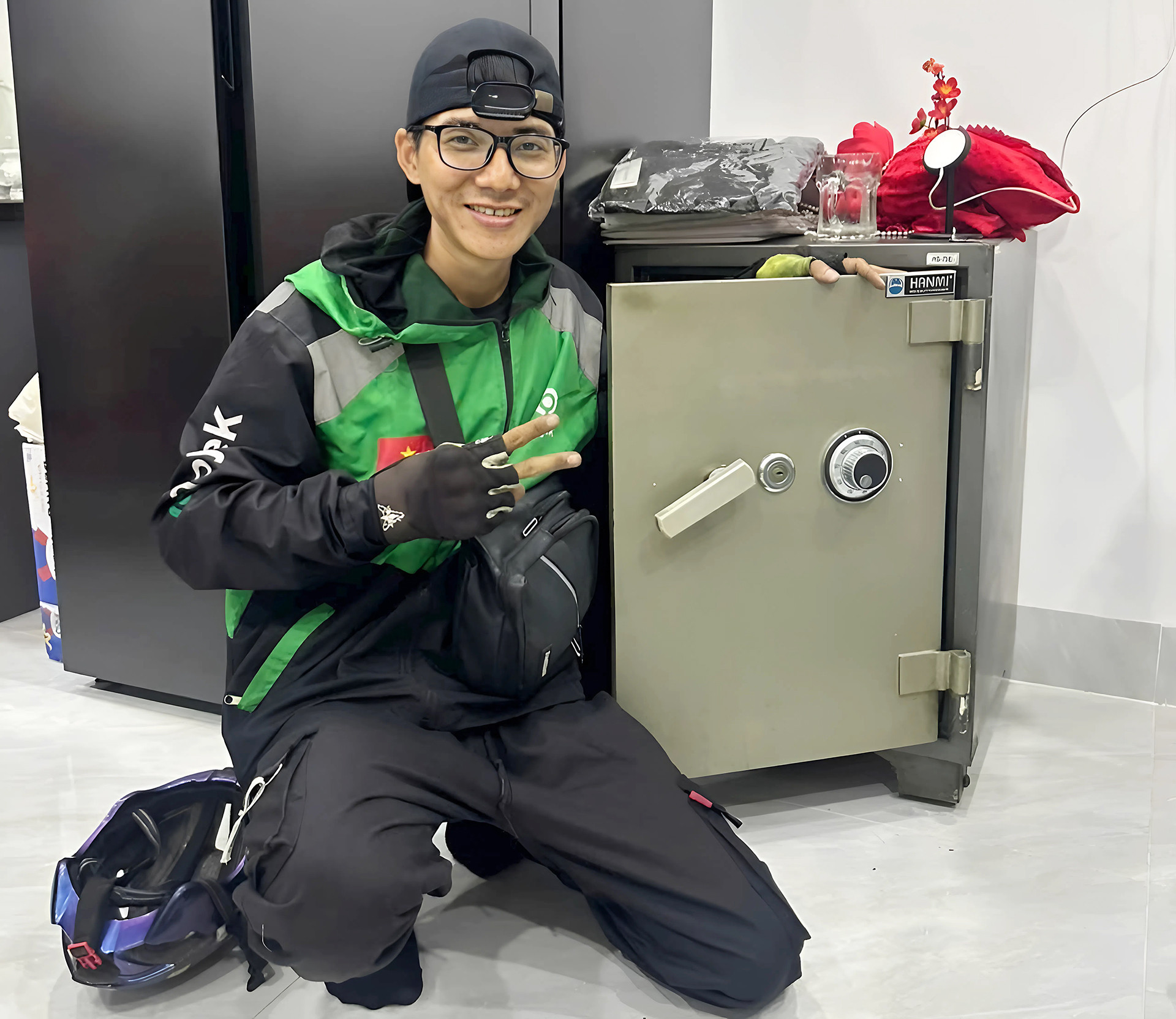
Sitting in a coffee shop, Lai, 34, a well-known locksmith in HCM City, pulled his collar aside to reveal a large L-shaped scar on his shoulder. He said it was the result of retaliation after he refused to open a lock for a group of people who showed signs of criminal intent.
Despite the event, Lai did not give up and became one of the best-known locksmiths in HCM City.
Born into a poor family in District 12 (former) in HCMC, when he was 8-9 years old Lai had to quit school. The small house in an area rife with social problems exposed him to trouble early and he became mischievous.
When that area was cleared for the construction of the Tham Luong Bridge, Lai’s family moved to the formerly Tan Phu District to live with his grandfather. It was there that Lai learned locksmithing from his uncle.
At first, he only learned to fix common types of locks. Later, Lai researched foreign materials on his own to improve his skills, from repair, installation, and making new locks to maintenance of door locks, safes, motorcycle and car locks, and even electronic locks.
According to Lai, in terms of skill, a locksmith must train the ability to “listen” with the fingertips. He explained: “Because you cannot see the deep internal structure of a lock, you have to insert into the lock with tools to try to open it.
“So, the sensation in the fingertips is very important. The locksmith can only perceive by touch,” he said.
Vibrations from the lock travel to the fingertips and then to the locksmith’s brain. From these vibrations, the locksmith recognizes the structure inside and finds the way to decode and open the lock
Today, locksmiths have to apply science and technology to handle many modern types of locks such as door locks, safes, motorcycle and car locks, or electronic locks.
Hidden dangers
After many years attached to the profession, Lai confidently can open, repair and maintain many lock types, thanks to that he has stable set of customers. However, because of this special job, he has faced many dangers.
He remembered once a woman asked him to help open the door without knowing the couple was in intense conflict. After returning from a birthday party, she was locked outside by her husband. Knowing Lai had lock opening skills, she called him for support.
While struggling to open the door, Lai suddenly saw a man from inside holding a weapon rushing out. After a few curses, the man swung and slashed straight at the position Lai was operating to open the lock.
By reflex, Lai dropped the tools, quickly backed away from the door. Seeing the tense situation, he asked for permission not to help and then left, letting the couple resolve themselves.
Another time, Lai received a call from a customer in Go Vap District, asking to open and change safe battery. During work, he required the homeowner to be present on the scene.
However, the customer said he was thirsty and went downstairs to get water. The next day, this person contacted him, saying assets in the safe were lost.
Lai proposed inviting appropriate agencies to investigate. He affirmed having video recording the entire work process. Knowing that he could not falsely accuse the locksmith, the customer went silent, then withdrew.
"To a certain extent, the lock opening profession is very sensitive, always hiding unpredictable risk situations. To protect myself, I set 3 work principles," Lai shared.
"First, customers must send images of the item to open, provide specific, accurate address before I accept the job. Second, during work, there must be at least 2-3 witnesses. Finally, I must bring with myself a camera which records the entire operation process. I will refuse the job if customers don’t accept my requests,” Lai said.
According to Lai, among the three principles above, asking the customer to send an image beforehand is the most important. Thanks to that, he can assess the type of lock, picture in advance the bad situations that might occur, and avoid inadvertently crossing the line into illegal activity.
Ha Nguyen
.svg)
