 Vietnamnet.vn

 Podcast


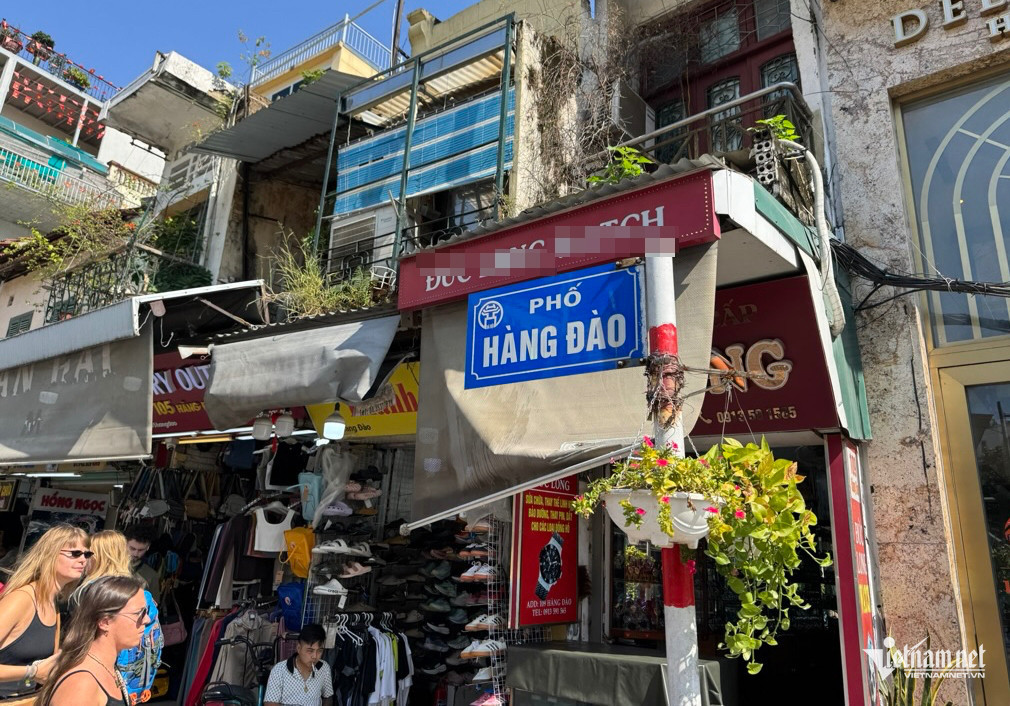
In the Old Quarter, it is not difficult to spot street-front properties that have had rental signs up for weeks, or even months, without finding tenants. On some streets, the signs appear one after another outside shops with doors firmly shut.
In the past, shophouses in the Old Quarter were highly sought after by brands. Some properties found new tenants almost immediately after previous occupants moved out. Now, even landlords with properties on busy streets have to wait for prospective tenants, and some have even lowered their asking rents.
On Hang Bong Street, a three-storey house with a floor area of 63 sqm and a 7.2-meter frontage is being offered for rent at around VND48 million a month. The premises are advertised as suitable for fashion and cosmetics stores, takeaway coffee shops or showrooms.
Rents on Hang Dao Street are considerably higher. A 40-sqm property with a three-meter frontage is listed at VND110 million a month. A larger commercial space, covering 375 sqm with an open-plan layout and a six-meter frontage, is being offered at VND220 million a month. These locations are aimed at fashion brands, souvenir shops and retail chains.
On Ta Hien Street, a 100-square-meter, three-story house boasting a 5.6-meter frontage is offered at VND320 million per month. Another commercial space on the second floor of the same street, covering 100 square meters with a 10-meter frontage, commands a monthly rent of VND38 million.
On Hang Dau Street, a 100-square-meter, four-story building with a 5.1-meter frontage is listed at VND70 million monthly. Another property along the Quan Su – Hang Bong corridor, measuring 88 square meters across 7.5 floors with a 5-meter frontage, featuring an elevator and custom layout, is priced at VND130 million per month.
These figures reflect initial asking prices; actual negotiated rates may vary based on specific location, structural condition, operational suitability, and commercial terms agreed between landlords and tenants.
Compared to other districts in Hanoi, Old Quarter street-front rentals remain among the highest. According to Cushman & Wakefield’s Main Streets Across the World 2025 report, the Trang Tien – Hang Khay commercial strip ranked 18th among the most expensive retail streets in the Asia-Pacific region. Average rental rates reached $3,360 per square meter annually, equivalent to roughly VND7.2 million per square meter monthly.
Struggling to find tenants
Pham Phuong, a commercial real estate leasing broker, noted that Hanoi’s Old Quarter shophouses were historically viewed as assets with immense business potential. Streets heavily populated by tourists, residents, and commercial activity made these spaces top choices for fashion, retail, dining, and service brands.
However, prime location is no longer the sole factor determining leaseability. Tenants are increasingly weighing revenue projections against rental overheads and actual operational potential.
A property commanding a high rental price but offering an impractical floor plan, shared entrances, dated architectural layouts, or renovation hurdles can force tenants to incur massive secondary capital investments. Functional limitations also restrict the types of business models that can occupy the space.
Particularly in food and beverage (F&B) and retail sectors, rentals constitute a substantial fixed operational cost. When consumer purchasing power remains muted, businesses tend to adopt a more conservative approach toward high-rent locations.
Another factor dampening the allure of Old Quarter properties involves infrastructure bottlenecks and operational constraints. Many streets feature narrow roadways with inadequate parking for cars and motorbikes. Stricter enforcement preventing sidewalk utilization for tables, chairs, and outdoor seating has curtailed advantages for cafes and restaurants that traditionally relied on open-air dining space.
Additionally, numerous Old Quarter structures were built decades ago, suffering from structural degradation, cramped layouts, and difficulty adapting to the operational standards of modern brands.
Business trends are shifting as well. Many retail brands no longer focus exclusively on central historic or tourism hubs, choosing instead to expand into densely populated residential areas, newly developed urban townships, and modern shopping centers.
According to Savills Vietnam, while the central core maintains an important strategic role, particularly for luxury flagships and established heritage brands, urban expansion and infrastructure developments are building vibrant new residential communities with distinct consumption demands. These emerging hubs offer retailers alternative avenues to engage consumers on a more routine basis.
Duy Anh

