 Vietnamnet.vn

 Podcast



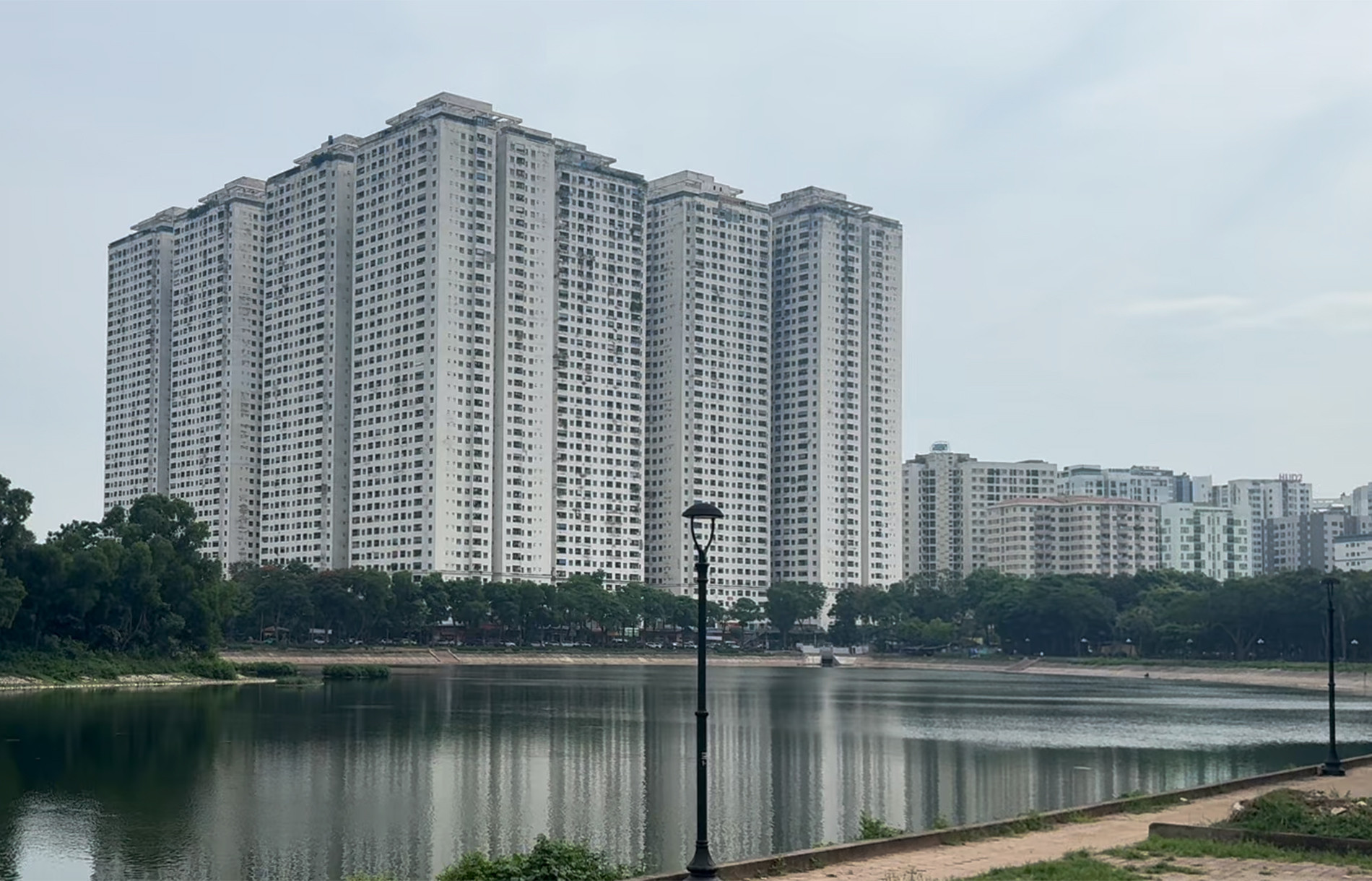
Late last year, Hanh listed her apartment in the Linh Dam urban area in Hanoi for VND95 million per sqm. At the time, several prospective buyers contacted her, so she decided to hold off on selling, expecting the price to soon reach VND100 million per sqm.
Now she needs money to deal with some family matters and has put the apartment back on the market. She lowered the asking price to around VND80 million per sqm, VND15 million per sqm below the level at the end of last year.
Hanh said apartment prices in the building had reversed course in less than a year. Previously, few units were listed for sale and many buyers were interested. Now, the number of apartments on the market has increased, but there are almost no inquiries.
"These days, I post a listing for an entire month and receive very few calls. And when people do contact me, they usually offer prices far below my asking price," she said. According to Hanh, the apartment is now worth nearly VND1 billion less than it was during the market boom.
A survey of the market shows that prices at many projects in the Linh Dam area have fallen by 5 to 15 percent from the end of last year. At HUD3 Linh Dam, for example, corner apartments that were listed at more than VND90-95 million per sqm last year are now commonly changing hands at around VND80 million per sqm.
At the HH Linh Dam complex, prices have also fallen from VND45-55 million per sqm at the end of last year to around VND38-48 million per sqm. The cooling price environment, combined with more homeowners willing to negotiate, is creating better opportunities for buyers looking for homes to live in.
Similarly, apartments at Rice City Linh Dam, which once reached VND85-92 million per sqm, have also cooled, with prices now generally ranging from VND70-80 million per sqm, equivalent to VND4.8-5.5 billion per unit depending on size.
In the Ngoc Hoi area, prices at Rose Town once exceeded VND83 million per sqm, but current asking prices are generally between VND65-78 million per sqm. Two-bedroom apartments measuring 66-71 sqm are listed at VND4.9-5.3 billion, while three-bedroom units are priced at around VND6-7 billion.
At Nam Do Complex, resale prices generally range from VND72-82 million per sqm, depending on location, floor and the quality of interior finishes. Two-bedroom apartments measuring 78-88 sqm are listed at VND6.1-6.8 billion, while three-bedroom units measuring 93-132 sqm are priced at VND7.2-9.5 billion.
At Sky Central at No176 Dinh Cong, apartment prices currently range from VND75-86 million per sqm, depending on the building, floor and level of interior completion. Two-bedroom apartments measuring 65-73 sqm are listed at VND5.2-6.1 billion.
Buyers are more cautious
According to real estate brokers, market sentiment has changed. Last year, buyers worried that prices would continue rising and were therefore willing to close deals quickly. Now, many are choosing to wait for prices to fall further.
As a result, many homeowners have had to cut asking prices by 10-20 percent and even more for properties that need to be sold quickly in an effort to attract buyers.
The older apartment projects have all been in operation for more than 10 years. Over time, construction quality and internal infrastructure have shown signs of deterioration, while their amenities no longer offer as many advantages as newer projects. With the same budget, buyers increasingly prefer newer developments with modern designs, more amenities and better management services.
Nguyen Minh Tuan, a real estate broker, said the growing supply of social housing in recent years has reduced the appeal of older apartments. With more new projects offering affordable prices, better construction quality and stronger amenity packages, some owner-occupiers have shifted toward social housing. This has weakened liquidity at many older projects.
According to Savills, Hanoi's housing market in the second quarter of 2026 saw both transactions and new supply slow in the short term as buyers became more cautious. Transactions in inner-city areas were mainly concentrated in the secondary market, particularly in neighborhoods with established infrastructure and stable residential communities.
Mortgage rates at some banks have risen sharply in recent months, at times reaching 15-16 percent a year. This has increased borrowing costs and directly affected borrowers' affordability as well as investment decisions.
Duy Anh
.svg)
