 Vietnamnet.vn

 Podcast



From LNG power and green steel to circular economy models and ecological agriculture, the green transition is unfolding vigorously across multiple sectors of Vietnam’s economy.
The inevitable path toward fulfilling the country’s commitment to net-zero emissions by 2050 also brings formidable challenges in capital, technology and institutional reform.
Comprehensive transformation to reduce emissions
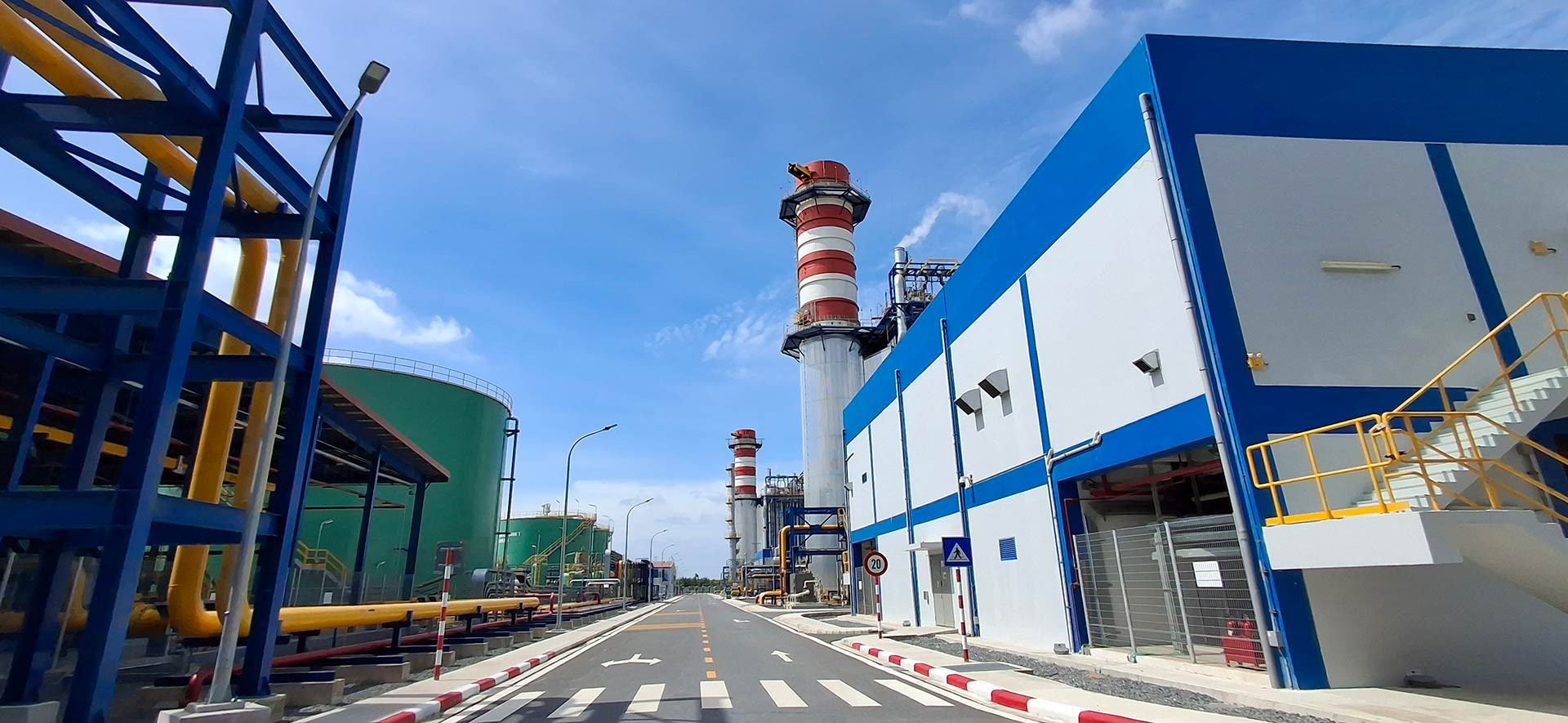
Watching the Nhon Trach 3 and 4 LNG power plants enter operation, Nguyen Duy Giang, Deputy General Director of PV Power, could not hide his pride. With a total investment of approximately US$1.4 billion, the plant has officially commenced commercial operations after more than three years of implementation.
Approved by the Government in early 2019 as a national key project, this is Vietnam’s first LNG-fired power plant. The project marks a significant energy transition milestone, materializing the Prime Minister’s commitment at COP26 in 2021 and opening a “transitional” LNG phase on the journey toward green and clean energy, and the Net Zero target by 2050.
LNG power is regarded as a critical solution for gradually replacing coal-fired generation, reducing emissions while ensuring energy security. Under Vietnam’s current power development plan, total LNG capacity is projected to exceed 22,000 MW, concentrated mainly within PV Power, Vietnam Electricity (EVN), Petrovietnam and foreign investors. To date, however, only PV Power - thanks to its own financing mechanisms - has successfully implemented the Nhon Trach 3 and 4 project.
The green shift is not confined to energy. Industries long considered environmental “hotspots” are also striving to transform toward sustainability. The circular economy is seen as one of the central solutions.
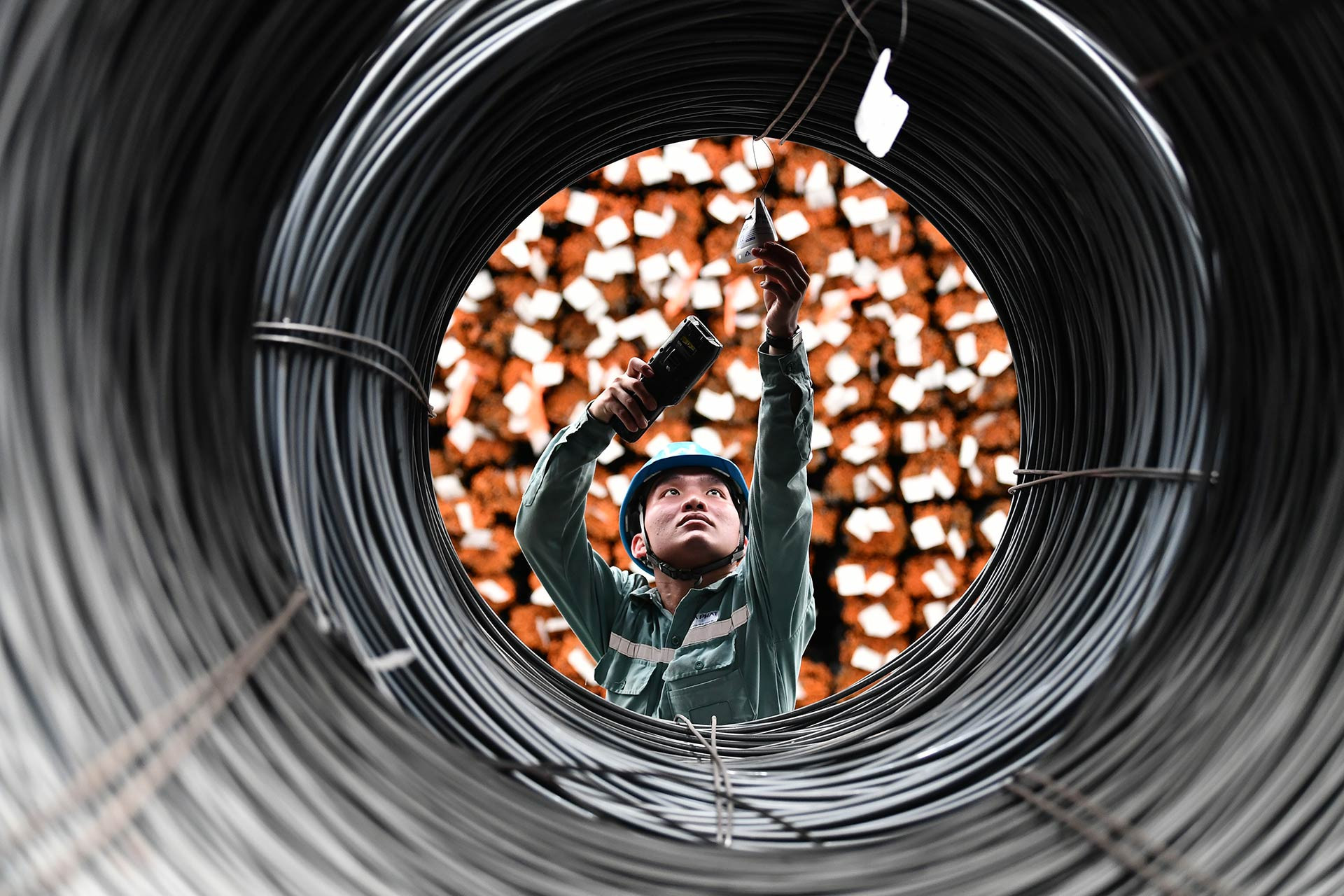
Hoa Phat Group, Vietnam’s leading steel producer, is accelerating the application of green technologies and circular models across its production chain. At the Hoa Phat Long An Steel Pipe Plant, a rooftop solar system in phase one, operational since January 2025, generated more than 2.5 million kWh in the first 11 months of the year, meeting nearly 40 percent of the plant’s electricity demand. This figure is expected to rise, covering close to 50 percent of production needs.
In parallel, Hoa Phat began deploying rooftop solar at the Dung Quat Iron and Steel Integrated Complex in mid-November 2025. Phase one has a capacity of about 6.5 million kWh, with phase two expanding to 30 million kWh. Both phases are scheduled for completion by June 2026. The system maximizes natural energy use while reducing emissions and enhancing operational efficiency. Currently, Hoa Phat is self-sufficient for roughly 90 percent of its electricity at the integrated complex through solutions such as waste heat recovery, environmentally friendly dry coke quenching and continuous casting and rolling technologies.
Nguyen Viet Thang, General Director of Hoa Phat Group, noted that green development can be divided into two main aspects, with environmental protection as the primary focus. In practice, the company’s manufacturing plants have invested heavily in this area. Typically, more than 30 percent of total project investment is allocated to environmental protection components.
The steel industry is among the highest CO2-emitting sectors in global industry. Although some green steel technologies have emerged worldwide, investment costs remain extremely high. With global steel output at around 1.8 billion tons per year, converting existing facilities could require approximately US$1 billion for every one million tons of steel capacity - a staggering figure for any economy.
Moreover, current relatively “green” technologies raise production costs by about 40 percent compared to conventional steel. “Therefore, the green transition must follow a clear technological roadmap and a pathway to gradually reduce costs,” the Hoa Phat leader emphasized. The company has opted for an ESG roadmap - Environment, Social and Governance - aligned with the State’s emission reduction strategy, committing to phased investments and gradual emission cuts through 2050.
Foreign-invested enterprises in Vietnam are also advancing their green agendas. SCG of Thailand and its subsidiaries are building a green solutions ecosystem beginning with their own production processes. SCG has invested over US$200 million to redefine “green processes,” from pioneering SO2 emission treatment systems in ceramic tile production and optimizing fly ash and slag use in cement manufacturing, to switching to alternative fuels such as biomass and RDF, installing 40 MW of rooftop solar power and operating waste heat recovery systems. In 2024 alone, three subsidiaries reduced approximately 305,000 tons of CO2 emissions - equivalent to planting about 14 million trees or 20 hectares of forest.
Many challenges ahead
Experts identify the circular economy as a key driver of green transformation in the digital era, closely linked to science and technology development, innovation and digital transformation. Yet the transition faces multiple obstacles.
Even in energy, despite completing the first LNG power plant, PV Power confronts mounting pressure. According to Nguyen Duy Giang, Vietnam needs at least seven to eight LNG projects to become operational by 2030. However, under current mechanisms and amid global equipment shortages, ensuring projects meet schedule poses a formidable challenge.
Le Cong Thanh, Deputy Minister of Agriculture and Environment, observed that while “greenizing” production and consumption is spreading, Vietnam’s transition still encounters barriers - from entrenched production habits and low adoption of sustainability standards to imbalanced green investment structures. To accelerate progress, the ministry identifies strategic breakthroughs centered on institutional reform, removal of administrative bottlenecks and the creation of legal frameworks for new markets such as carbon trading and biodiversity credits. Spending on environmental protection and green transition, he stressed, must be regarded as investment in long-term development.
Speaking at the high-level plenary session of the Vietnam Economic Forum 2025, Outlook 2026, Prime Minister Pham Minh Chinh underscored that green transformation in the digital era is an inevitable and irreversible trend. Vietnam has clearly defined the “double transition” - greening and digitalizing - as an objective requirement, a strategic choice and a top priority. It serves both as a foundation and as a driver for rapid and sustainable development.
The Prime Minister reflected that agriculture helped Vietnam escape poverty after a devastating war, while industry elevated the country to upper-middle-income status. In the coming period, science and technology, innovation, digital transformation and green transition will propel Vietnam toward fast, sustainable growth and the ambition of becoming a high-income developed nation.
Agriculture lifted Vietnam out of poverty after war. Industry raised it to middle-income status. The next chapter, leaders believe, will be written by science, innovation, digitalization and green transformation.
Bach Han - Luong Bang
.svg)
