 Vietnamnet.vn

 Podcast



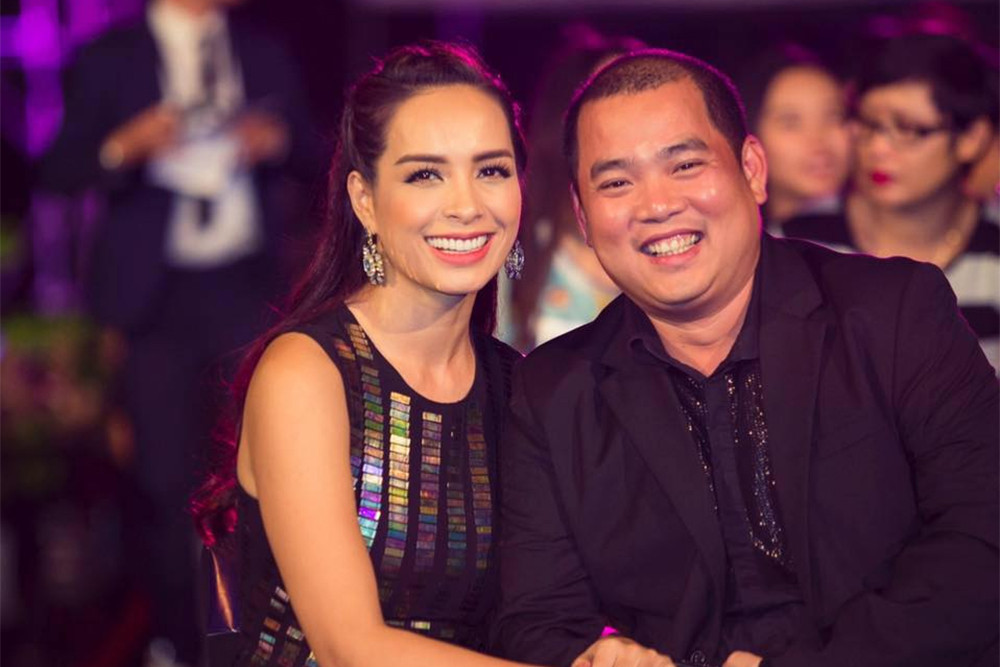
The Vietnamese show business industry has repeatedly witnessed regrettable acts of “self-damage” by insiders themselves. Just one statement—uncontrolled, offensive, insulting, or going against cultural norms, is enough to make an image built over many years collapse in the eyes of the public.
The hottest controversy in recent days involves Minh Khang, as social media circulated a clip showing the musician in a tense argument with a Grab taxi driver, accompanied by inappropriate remarks. What surprised the public was that Minh Khang had long been seen as gentle and composed, especially through the show “Bo oi, minh di dau the?” (Dad! Where Are We Going?) previously aired on Vietnam Television (VTV).
The keyword “nhac si Minh Khang” (musician Minh Khang) saw a surge in searches, increasing 300 percent on March 11, according to Google Trends data. After several days of silence, on the morning of March 18, Minh Khang spoke up, admitting the incident and apologizing. He confessed to drinking heavily and losing control of his speech, leading to improper behavior toward the driver.
Earlier, in early January 2026, singer Le Quyen’s response to the account pharry_288 with derogatory language also stirred public outrage. Prior to that, she faced controversy over her online behavior. When attacked or criticized, she tended to belittle others’ appearance, social status, and assets, using phrases such as “living at the bottom of society” or “never touched a luxury bag.”
Stains not easily erased
Vulgarity among artists is not a new topic. In 2021, Meritorious Artist Duc Hai caused outrage after posting a status with obscene and insulting content on social media. Despite explanations, claiming his account was hacked, he was ultimately dismissed from his position as Vice Principal of the Saigon College of Culture, Arts, and Tourism.
Singer Duy Manh is another frequent name on this list. In August 2020, the HCMC Department of Information and Communications fined him VND7.5 million for statements inconsistent with national customs. Other artists like Dam Vinh Hung have also been noted for using harsh language to confront negative comments.
Most artists justify their behavior with similar reasons: being attacked first, acting in self-defense, or simply a "slip of the tongue." Le Quyen argued that she just responded to vulgar comments from some people.
However, frustration does not equate to the right to use vulgar language, insult, or demean others with uncultured expressions. Experts also view this as a systemic issue. When artists lack self-awareness, whether in real life or on social media, every uncontrolled action and statement can have very serious consequences.
Not just a personal story
On the afternoon of March 18, a representative of Grab Vietnam confirmed that the company had permanently disabled the driver’s access to the Grab app for “not removing the clip (recording Khang’s behaviors)” and violating internal policies on information dissemination.
The driver, who recorded the incident to protect himself from insulting remarks, suddenly lost his job and main source of income.
This is not the first time such a phenomenon has occurred. When a celebrity files a complaint, whether justified or not, service companies often react very quickly and strongly due to fear of public backlash and brand damage. Any ride-hailing platform depends on an image of “safety, friendliness, customer protection.”
“A negative post from a celebrity can reach millions of views within hours, triggering boycotts and attacks, even affecting stock prices or partners. The voice of a driver with no status is almost drowned out,” said journalist Vu Manh Cuong.
Legal pressure and internal policies also play a role. The musician cited “violation of privacy” when the video was posted publicly. Grab may consider this a contract violation (dashcam footage is meant for protection, not distribution). However, the issue lies in the fact that the driver was not the one who initiated the conflict; he merely recorded and shared it to defend himself. Platforms prioritizing "celebrity image protection" over objective investigation sets a worrying precedent, according to Cuong.
The clearest consequences fall on the vulnerable: ride-hailing drivers. They are freelance workers without formal labor contracts or full unemployment insurance, and their livelihoods depend entirely on the app. Losing a Grab account means losing tens of millions of VND per month, directly affecting their children’s education, debts, and even mental health.
Mi Le
.svg)
