 Vietnamnet.vn

 Podcast


Online pagodas are replacing TikTok scrolling for young Vietnamese. A Mekong Delta practitioner spends over 2 hours daily chanting, meditating and praying on a temple app.
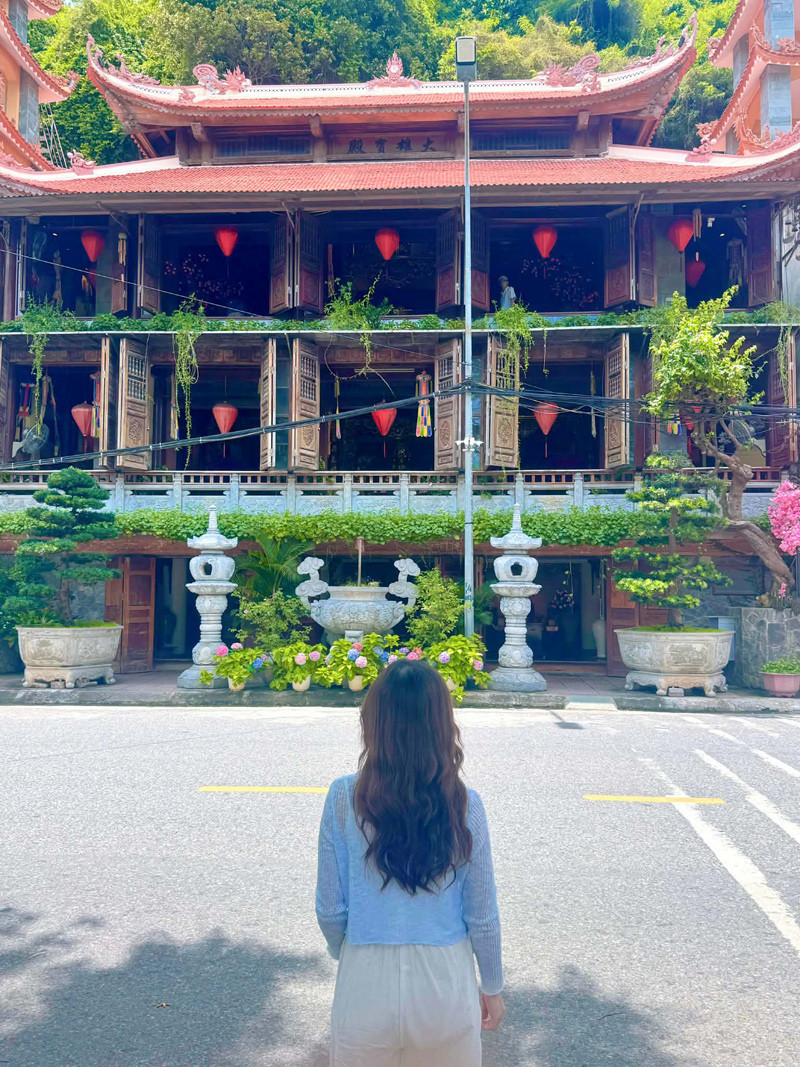
Diem P., 30, from Vinh Long Province, has practiced Buddhism for 15 years. Previously, when schedule permitted, she regularly attended retreat courses or visited temples to offer incense and chant sutras.
Over the past few years, family commitments restricted her visits to the 1st and 15th days of the lunar month. Though yearning to enjoy serene pagoda spaces, her busy schedule prevented frequent trips.
Recently, while scrolling TikTok, P. discovered the concept of "online pagoda visits." She registered on a temple app developed by Vietnamese creators to test the experience, quickly becoming fascinated.
Creating a free account, she customized her avatar and entered a simulated temple complex complete with a three-arched gate, main hall, lotus pond, and gardens.
“When logging into the virtual temple app, I usually draw fortune sticks, request blessings, and complete suggested daily tasks: meditating, striking the wooden fish, reading four sutras, and turning prayer beads. These take 5 to 6 minutes.
"Afterward, I stroll around to admire the virtual scenery or log off. Some users play mini-games or adopt virtual spiritual pets,” P. said.
Virtual worship became an essential daily routine. Each morning, P. logs in to center her mind before work.
During free moments throughout the day, she opens her phone to visit the virtual temple instead of scrolling through TikTok or e-commerce platforms.
“I spend over two hours daily on this. The virtual temple app records my daily chanted sutras and recited prayer beads, which feels rewarding.
"I invite friends to join, chatting with fellow practitioners along the way,” P. said.
Occasionally, high user traffic creates "full capacity" delays, requiring her to wait before entering the main hall to burn virtual incense and chant.
Focusing strictly on spiritual practice, P. avoids getting distracted by gamified features like purchasing virtual incense upgrades or buying gems.
Using technology to explore temples
Cam Van, 45, chief accountant at a Hanoi real estate firm, discovered the online temple trend on TikTok. Curiosity soon turned into a daily routine.
Van said that her workload causes intense pressure, especially during year-end tax settlements.
Working past 10 PM on busy days leaves little time for physical temple visits despite her strong faith.
“Fortunately, I discovered the virtual temple app and found a reliable spiritual anchor,” Van said.
Every morning, she logs in to light virtual incense, recite prayers, and meditate. This routine grounds her mind, starting the day with clarity and peace.
She checks the app during short breaks and spends more time on weekends.
“When stressed, I express my wishes through virtual worship, gaining motivation to overcome life's difficulties,” she added.
Initially, her family worried about potential scams. After her explanation, they grew reassured while advising caution regarding online platforms.
Van said sincere faith matters most, making physical or digital delivery secondary.
However, users must maintain respect, avoiding turning spiritual spaces into playful or excessive praying arenas.
Meanwhile, Nguyen Thi Hoai Linh, 20, from Nghe An Province, uses the temple app with a different purpose. Passionate about history and culture, Linh uses the digital platform to explore real-world temples.
She initially logged in to locate nearby historical pagodas, subsequently visiting them in person using embedded maps and check-in features.
“Each pagoda features unique records on the application. Upon visiting physically, I check in and receive digital stamps to archive my journey,” Linh said.
Beside real-life trips, Linh spends 20 to 30 minutes daily chanting, reciting prayers, or listening to meditation music on the app.
Choosing spiritual activities over social media scrolling helped her live mindfully, stay calm during challenges, and prioritize mental health over two months.
Choosing spiritual activities over social media scrolling helped her live mindfully, stay calm during challenges, and prioritize mental health over two months.
While technology helps young people access cultural and spiritual values easily, Linh notes it cannot fully replace physical temple visits.
“Spiritual practice must stem from the heart. I disagree with platforms requiring mandatory donations to unlock features, as that distorts the true meaning of worship,” Linh said.
According to folklorist Nguyen Hung Vi, online spiritual practice in the form of games has become popular thanks to the internet. It allows practitioners to choose the time, content, and method that suit their personal circumstances, while also saving costs and the effort of traveling.
Thanh Minh - Thu Hien

