 Vietnamnet.vn

 Podcast



Following three reports on controversial performances involving Vo Thuy Dung - niece of Vu Linh - alongside a growing trend of pharmacists, online personalities and self-styled singers taking the stage, readers have shared a wide spectrum of opinions with VietNamNet.
From frustration over artistic quality to more open-minded views on non-traditional performers, and even concrete proposals for regulation, public sentiment suggests the issue extends far beyond any single individual. It reflects a broader question about the current performance environment.
Calls for tighter control
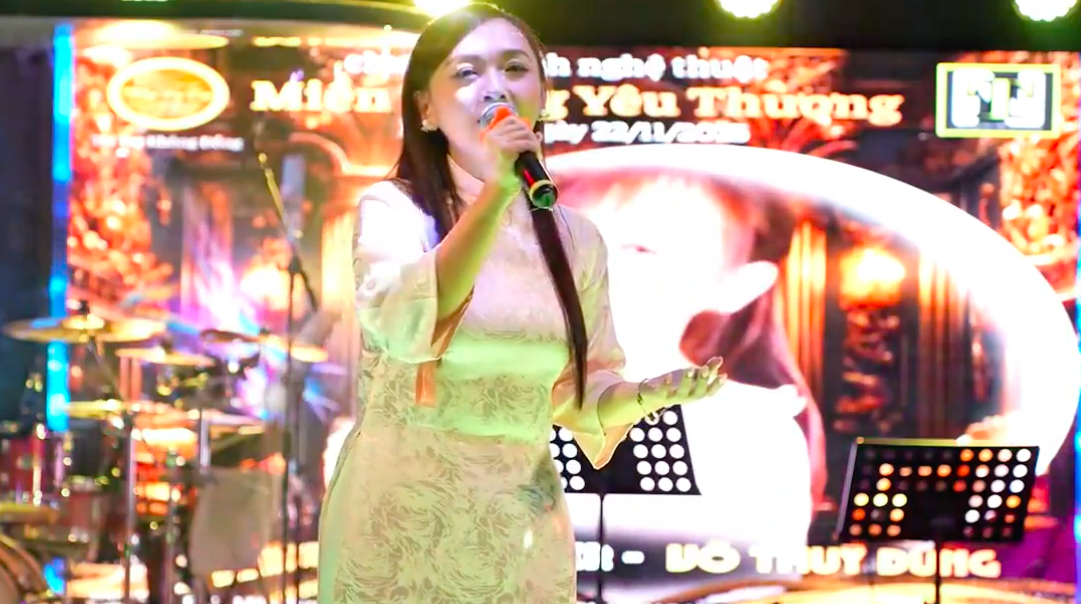
A segment of readers strongly agrees that performance activities need to be better regulated, arguing that the stage cannot become a space where anyone can simply step in. To them, the phenomenon of untrained performers singing or staging exaggerated acts is a worrying signal.
Reader Bich Anh proposed a clear framework: those who sell tickets or receive performance fees should meet defined professional standards, while informal or entertainment performances should be clearly labeled so audiences are not misled.
Sharing this concern, Do Hoang questioned the practice of placing veteran artists alongside those without formal training, warning that it risks diminishing the value of the profession.
Others emphasized cultural responsibility. “Freedom does not mean doing anything without limits. Once on stage, performers must take responsibility for their content and image,” one reader noted.
The perceived erosion of standards has also raised anxiety. If anyone can perform regardless of skill, some fear professionally trained artists may struggle to find their place.
Let the market decide
On the other hand, many readers argue against excessive restrictions, noting that the arts require openness.
Some point out that not all successful performers come from formal training. What matters, they say, is seriousness, effort and respect for the craft.
Others frame the issue through market logic. If there is demand, there will be supply. In this view, the presence of unconventional performers simply reflects audience choice.
Several readers stress that the ultimate authority lies with the audience. If a show fails to meet expectations, it will naturally be rejected. “If it’s not good, people won’t buy tickets. That’s how the market works,” one comment suggested.
Personal experiences echo this sentiment, with some audience members choosing to avoid shows featuring controversial performers, reinforcing the idea that viewers are becoming more discerning.
Finding balance between freedom and standards
Amid diverging opinions, many readers propose solutions that seek balance rather than extremes.
Transparency is a recurring suggestion. Audiences should be clearly informed about performers, whether shows are live or playback, allowing them to make informed choices.
Accountability for organizers is also emphasized. If inappropriate performances, lip-syncing or offensive content occur, the responsibility should rest primarily with those who host the events.
Others advocate stronger post-event inspection and penalties. Programs may proceed, but violations should face strict consequences, including possible suspension of organizers.
Some readers note that existing regulations already provide sufficient tools. The issue lies not in creating new rules, but in enforcing current ones effectively.
The role of the audience is also seen as crucial. Lenient tastes may enable low-quality performances, while higher expectations can gradually raise standards.
There are also calls for more responsive feedback mechanisms, enabling audiences to report concerns quickly and ensuring timely handling of inappropriate performances.
Beyond one controversy
What began as a specific incident has evolved into a broader conversation involving performers, organizers, regulators and audiences alike.
Despite differing perspectives, there is a shared desire for a performance environment that is transparent, maintains standards and still preserves creative space.
In an era where showbiz is increasingly shaped by social media and market dynamics, the question is no longer just who gets to step onto the stage, but how they do so - and what responsibility they carry before the public.
PV
.svg)
