 Vietnamnet.vn

 Podcast



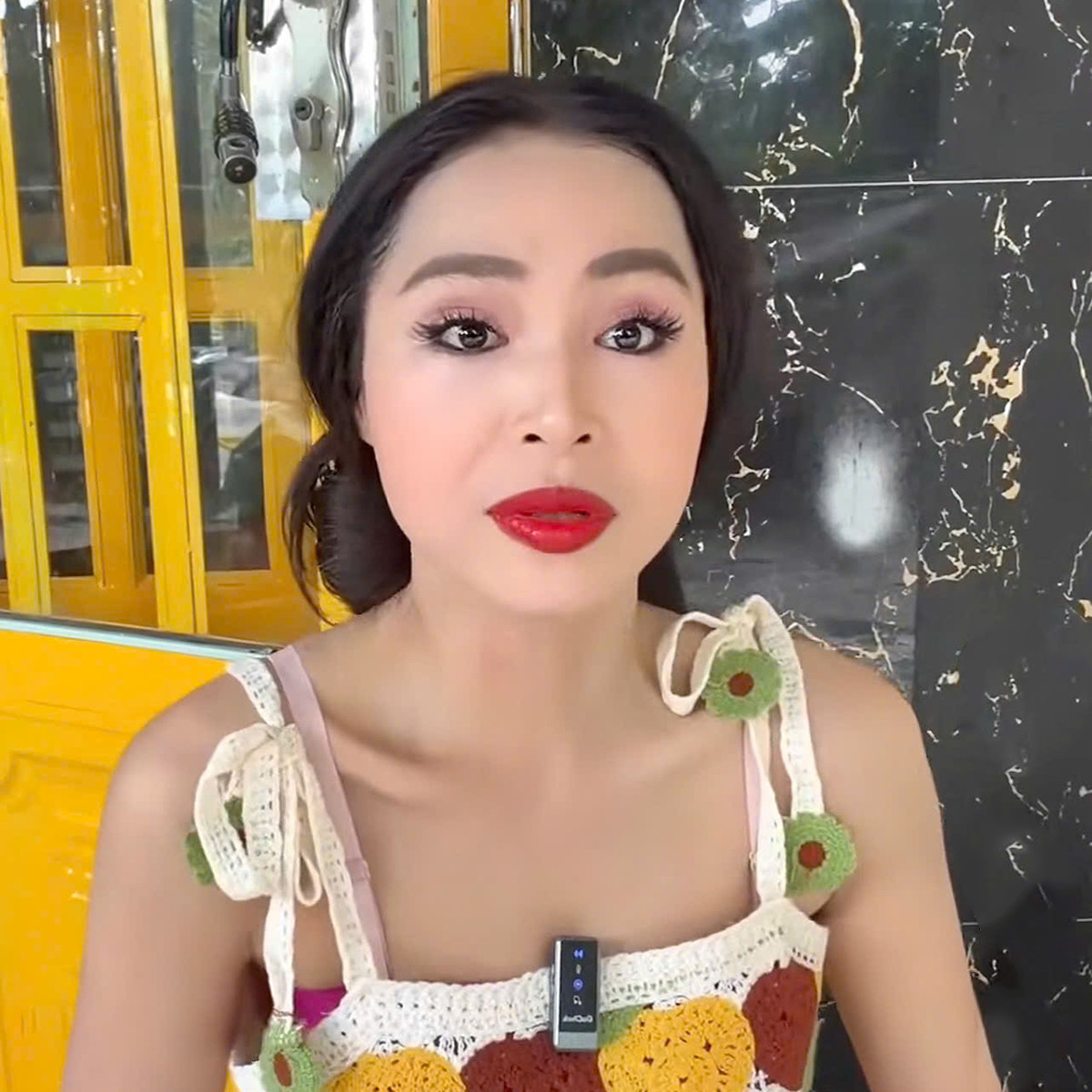
“I believe the more famous an artist becomes, the more aware they should be that social reputation is a form of ‘cultural asset’ built over a long period. But it is capable of being damaged within just a few minutes of losing control,” Assoc. Prof. Dr. Bui Hoai Son has said.
The explosive growth of social media and e-commerce has turned livestreaming into a lucrative business tool. For artists and celebrities, livestreams are not only a way to interact with audiences but also a fertile channel for boosting income through product sales and brand partnerships.
However, some have inadvertently or deliberately shed the standards expected of public figures, engaging in offensive behavior and showing disrespect toward customers. Their conduct has raised concerns about standards of behavior in the online environment.
Lack of emotional control offers lesson of professionalism
Livestreaming is an unscripted environment that requires constant interaction and quick improvisation. Yet that very spontaneity can become a double-edged sword, exposing an artist’s ability to control emotions and their standards of conduct.
Actress Quynh Luong’s behavior during a sales livestream on August 17 was a clear example. Her uncontrolled actions, including throwing objects, using profanity and showing irritation during a disagreement with another member of the sales team on a live broadcast, were seen as disrespectful toward viewers.
Although she later explained that she had been experiencing postpartum emotional instability and was upset with a staff member, she continued to face criticism from viewers.
Once an artist accepts a fee to appear before thousands of people, they need professionalism to separate personal emotions from their work responsibilities. Her lapse in professionalism at that moment significantly affected the public image she had built.
More serious are cases that cross the line into behavior so inappropriate that they raise broader concerns, such as actress Bich Tram. In recent livestreams, her behavior, including glaring, shouting, rolling around on the floor and verbally attacking individuals with harsh language, went beyond simply “expressing an opinion.”
Such conduct has become disruptive to standards of online culture, prompting cultural authorities to intervene.
Beyond momentary lapses in self-control, the permissive nature of social media has also drawn some artists into heated exchanges with viewers, with verbal aggression becoming an easy response. Several celebrities have faced strong backlash after losing their temper, using vulgar language to respond to or challenge viewers during livestreams.
The responsibility that comes with being an artist
All organizations and individuals must comply with Vietnamese law in general, including legal regulations governing the provision of information in cyberspace.
Additionally, individuals working in the arts (such as "artists," who are considered public figures within the "influencer" category) must adhere to specific separate regulations when participating in digital activities, alongside general requirements (Clause 8, Article 5 of the Code of Conduct in Digital Environments).
At the same time, arts practitioners are required to comply with the Code of Conduct for Artists, which includes specific rules regarding conduct in the press, media, and on digital platforms (Article 8 of the Code).
Deviations in livestreaming ethics carry harmful consequences. Individually, artists strip away public respect and tarnish their titles. Socially, verbal violence and profanity pollute the digital space, negatively impacting the mindsets of youth who readily emulate their idols.
The Ministry of Culture, Sports, and Tourism has issued a Code of Conduct requiring artists to maintain moral standards in digital spaces. However, the most potent deterrent lies in the public's soft power. Audiences must become more demanding, rejecting trash content and withdrawing support from individuals who exploit artistic status for financial gain through offensive stunts.
Associate Professor Dr. Bui Hoai Son, Permanent Member of the National Assembly's Committee for Culture and Education, noted that while artists are citizens first, they carry social influence. Every statement and action during widely viewed livestreams shapes public perception, tastes, and behaviors, especially among the younger demographic.
The main concern regarding offensive livestreams lies not just in isolated vulgarity, but in normalising bad behavior. When coarse language, attacks, insults, or shocking conduct become tools for views, digital environments risk rewarding inappropriate actions with attention.
"The more famous artists become, the more they must realize that social reputation is a form of 'cultural capital' built over a long time, but easily damaged within minutes of losing self-control. Digital space offers immediacy and intimacy, but that does not mean it lacks boundaries," Son said.
Livestreaming is an unscripted environment that requires constant interaction and quick improvisation. Yet that very spontaneity can become a double-edged sword, exposing an artist’s ability to control emotions and their standards of conduct.
Tinh Le
.svg)
