 Vietnamnet.vn

 Podcast



Vietnam and the United States have recently upgraded their ties to a Comprehensive Strategic Partnership, with tourism identified as a vital bridge. From your perspective, why does tourism play such a special role in the bilateral relationship?
If we look back at the 30-year journey of U.S.–Vietnam relations since 1995, we can see that our starting point was quite modest. At that time, people-to-people exchanges, trade, and investment between the two countries were still very limited.
However, over the past three decades, our relationship has achieved comprehensive progress across nearly every sector - trade, economy, health, education, science and technology, as well as security and defense. And the most critical foundation behind these achievements is mutual understanding and trust.
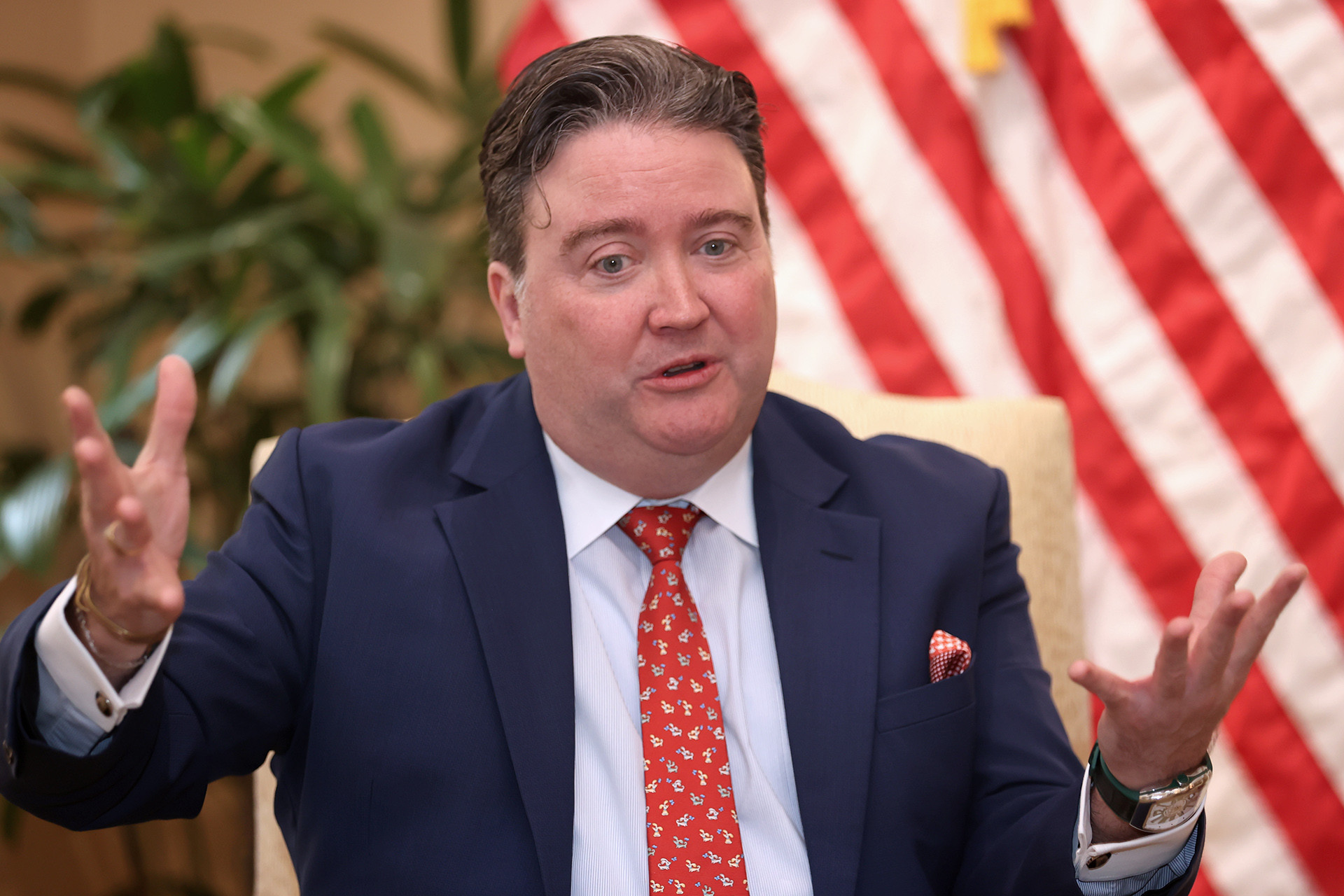
Tourism plays a crucial role in building that foundation. It’s not just through education programs or official visits, but through natural, enduring people-to-people engagement enabled by two-way tourism.
Through tourism, citizens of both countries have the opportunity to directly experience one another’s history, culture, cuisine, arts, and way of life. That direct interaction is essential for fostering understanding, mutual respect, and trust - all of which serve as the bedrock for any effective bilateral cooperation within the framework of a Comprehensive Strategic Partnership.
More and more Americans are discovering and appreciating Vietnam - a friendly, welcoming country rich in cultural identity. I believe this trend will continue and strongly drive two-way tourism in the years to come.
If you were to introduce Phu Quoc to an American visitor who has never been to Vietnam, what would you emphasize?
I’ve visited Phu Quoc three times, and every visit left me genuinely in awe of the island’s beauty.
Phu Quoc offers not only breathtaking natural landscapes but also clearly demonstrates Vietnam’s effort to develop the island into an international tourism destination, with a strong emphasis on environmental preservation.
The United States has partnered with Vietnam on various marine conservation programs in Phu Quoc, including efforts to protect coral reefs and biodiversity from development pressure. We’ve also worked actively with local authorities and civil society organizations to help preserve the island’s unique natural habitats.
The U.S. is currently among the top 10 international markets for inbound tourism to Vietnam. In your view, what makes Vietnam in general, and Phu Quoc in particular, increasingly attractive to American tourists?
American tourists, when traveling, are not just seeking beautiful beaches. They’re also looking for exceptional cuisine, engaging activities, and high-quality resort experiences. Phu Quoc delivers all of these.
It’s a particularly appealing destination for swimming, diving, golf, and luxury beach retreats. These are precisely the types of offerings that align well with the preferences of American travelers.
In addition, the fact that Phu Quoc will host APEC 2027 will help further elevate its profile among the international community - including among American tourists - and create new momentum for the island’s tourism industry.
Phu Quoc is also launching a new airline focused on seamless travel. How do you see this development affecting the island’s appeal and competitiveness?
For American travelers, convenience of access is key.
The launch of a new airline, along with expanded routes from existing carriers, will make it significantly easier to travel to Phu Quoc. American tourists often explore multiple destinations across Asia, so having direct or well-connected flights will strongly encourage them to include Phu Quoc in their travel plans.
This past November, I had the opportunity to witness first-hand the progress being made on Phu Quoc’s infrastructure ahead of APEC 2027. That includes airport expansion, runway upgrades, a new convention and exhibition center, and several high-end resorts. Once these developments are completed, Phu Quoc will become even more accessible and welcoming to international tourists - including those who may not be familiar with Vietnam or speak the Vietnamese language.
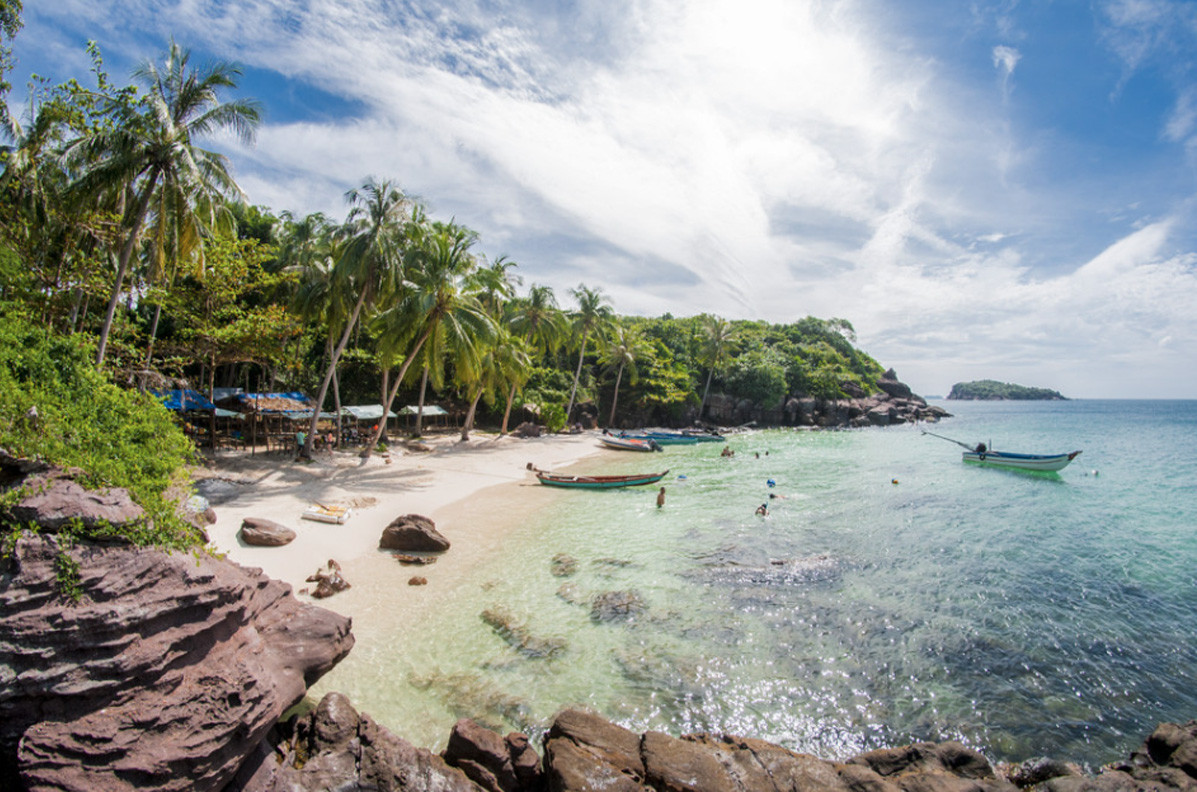
Phu Quoc is especially appealing for activities such as swimming, diving, golf, and luxury beachfront retreats- experiences that align well with the preferences of American travelers. Photo: Wanderlust.
The U.S. Embassy recently hosted a U.S.–Vietnam Aviation Cooperation Dialogue with the participation of 15 major corporations. What does this say about how the U.S. views Vietnam’s potential in aviation and tourism?
Vietnam is now one of the fastest-growing aviation markets in the world - in terms of both domestic and international passenger volume, as well as the demand for aircraft and aviation infrastructure.
The participation of 15 leading American corporations in aviation, technology, and finance reflects their strong interest in Vietnam - not just in air transport but also in areas like airport development, infrastructure management, aviation security, sustainable fuel, and eco-friendly aviation technology.
American businesses are eager to be part of Vietnam’s aviation and tourism growth story. They’re looking to form close partnerships with local stakeholders to help bring this vision to life.
Phu Quoc is set to host APEC 2027. What opportunities do you think this event will unlock for the island?
If we look at previous examples - APEC 2006 in Hanoi and APEC 2017 in Da Nang - we can see that these events provided a huge boost not only to tourism but also to other sectors such as high technology, manufacturing, services, and investment.
Da Nang, following APEC 2017, grew into a regional hub for tourism, events, and innovation. I’m confident that Phu Quoc will have a similar opportunity to shine on the global stage.
Hosting APEC 2027 will raise Phu Quoc’s profile - as well as that of Vietnam - as a destination fully capable of organizing major international events. It will create momentum for long-term, sustainable development.
Thai An
.svg)
