 Vietnamnet.vn

 Podcast



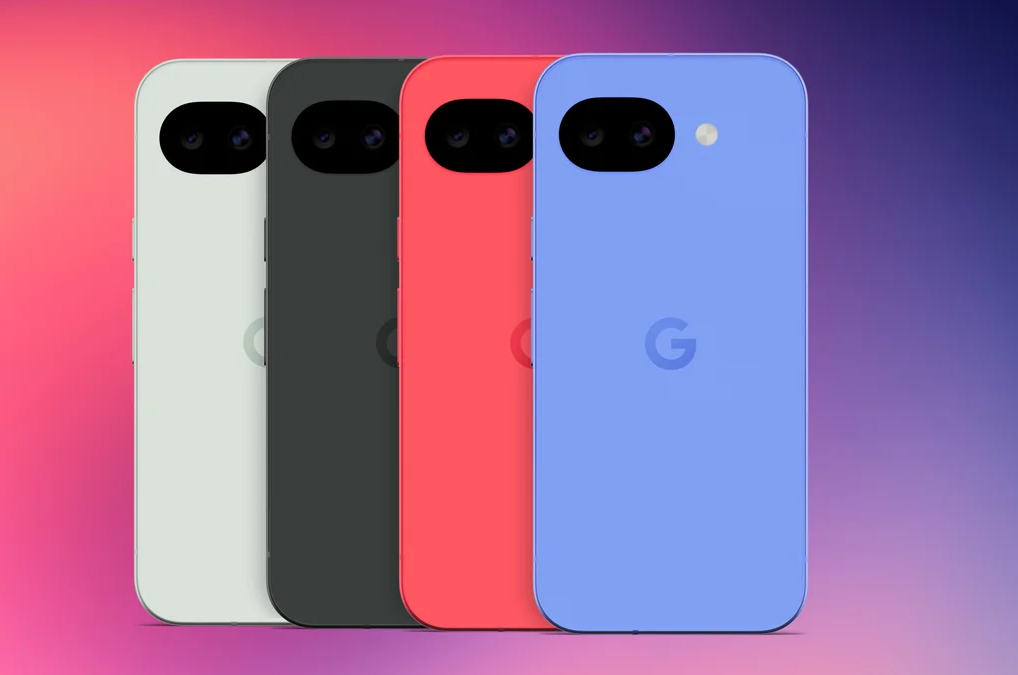
Google’s Pixel 10a has officially arrived, staying true to the spirit of the A-series by delivering exceptional value for its price.
This time, however, the Pixel 10a brings enough surprises to make users pause and reconsider whether a far more expensive flagship is truly necessary.
Powerful performance and impressive battery life
Beneath its compact design lies notably capable hardware. The Pixel 10a runs on the same processor found in higher-end Pixel devices, delivering strong performance within the mid-range segment.
The phone is powered by the Tensor G4 chip alongside the Titan M2 security processor, paired with 8GB of RAM and a 6.3-inch Actua display featuring a 120Hz refresh rate. The screen’s standout feature is its peak brightness of up to 3,000 nits, an exceptionally high figure even compared to many current flagship smartphones.
Its camera system includes a 48MP main sensor with an f/1.7 aperture, a 13MP ultra-wide camera offering a 120-degree field of view, and a 13MP front-facing camera. The device carries an IP68 rating for water and dust resistance and is protected by Gorilla Glass 7i for improved durability against drops and scratches.
A 5,100mAh battery delivers up to 30 hours of regular use and can stretch to as much as 120 hours with Extreme Battery Saver enabled. The phone supports wired charging up to 30W, along with wireless charging capability.
Long-term software commitment and comprehensive AI power
One of the Pixel 10a’s most compelling advantages is the so-called “Pixel promise” on software longevity. The device ships with Android 16 and is guaranteed to receive operating system upgrades, security patches and Pixel Drop feature updates for seven years, extending through 2033. Such long-term support remains rare at this price point.
The handset also comes fully integrated with Gemini, offering a wide range of advanced AI capabilities. Users can engage in natural conversations through Gemini Live or receive real-time photography guidance via Camera Coach, an AI-powered tool designed to help frame shots more precisely.
For the first time in the A-series, the Pixel 10a introduces Satellite SOS, enabling emergency communication via satellite even in areas without cellular or Wi-Fi coverage - a meaningful addition with real-world impact.
Refined design and user experience upgrades
The most noticeable change is the new “bumpless” design - a completely flat back with a horizontally aligned camera module that no longer protrudes. This allows the device to rest evenly on a table and slide more easily into a pocket.
The upgraded Actua display reaches 3,000 nits of peak brightness and 2,000 nits in HDR mode. The new-generation protective glass further enhances scratch resistance and drop protection.
AI camera tools have also been improved, with Camera Coach and Auto Best Take automatically selecting the most flattering expressions or seamlessly merging faces in group photos.
Extreme Battery Saver now extends usage to up to 120 hours. Wireless charging reaches 10W, and the device supports the latest Bluetooth 6 standard. Additionally, Quick Share offers AirDrop-compatible file sharing between Android devices and supported iPhones.
Storage options and color choices
The Pixel 10a is available in 128GB and 256GB storage variants, offered in Lavender, Berry, Fog and Obsidian.
It is also the most environmentally friendly A-series device to date. The phone uses a fully recycled aluminum frame and incorporates recycled cobalt in its battery, marking a clear step forward in reducing environmental impact.
Price unchanged, direct competition in the mid-range
Despite the various upgrades over its predecessor, the Pixel 10a maintains a starting price of US$499 - a strong competitive move against other mid-range rivals.
Compared to the Pixel 9a, the display is around 11 percent brighter, the protective glass has been upgraded, charging is faster, the camera design is fully flat, and satellite emergency connectivity has been added - tangible improvements in everyday experience.
Pre-orders for the Pixel 10a begin today, with official availability starting March 5.
On paper, the Pixel 10a may well be the most refined A-series phone yet. The inclusion of a 3,000-nit display removes one of the biggest reasons users previously felt compelled to spend hundreds of dollars more on a flagship model.
The fully flat design gives it a more modern appearance. Some may still question the continued use of the Tensor G4 chip, a capable processor that first appeared two years ago.
Even so, for those seeking full access to Google’s AI ecosystem, including Gemini Live and Magic Editor, without paying a premium, the choice is almost obvious. The A-series has long been considered “good enough,” but with a seven-year update commitment and improved durability thanks to Corning’s new-generation glass, the Pixel 10a no longer feels like a compromise.
More detailed evaluations, particularly of camera performance, will require hands-on testing. For now, though, the Pixel 10a clearly signals its ambition: to bring a premium smartphone experience to a mainstream price - and to do so convincingly.
Hai Phong
.svg)
