 Vietnamnet.vn

 Podcast



Prime Minister Pham Minh Chinh has distilled Vietnam’s cultural development philosophy into 32 defining words: competitive institutions, modern infrastructure, intelligent people, global connectivity, shining achievements, streamlined apparatus, public enjoyment, and international admiration.
He delivered this message on December 27 at the National Conference on Culture, Sports and Tourism 2025, organized by the Ministry of Culture, Sports and Tourism (MCST) and connected online to 34 locations nationwide with over 2,200 delegates in attendance.
Deputy Prime Minister Mai Van Chinh, Minister Nguyen Van Hung, and Vice Ministers Le Hai Binh and Trinh Thi Thuy also co-chaired the event.
A transformative five-year term
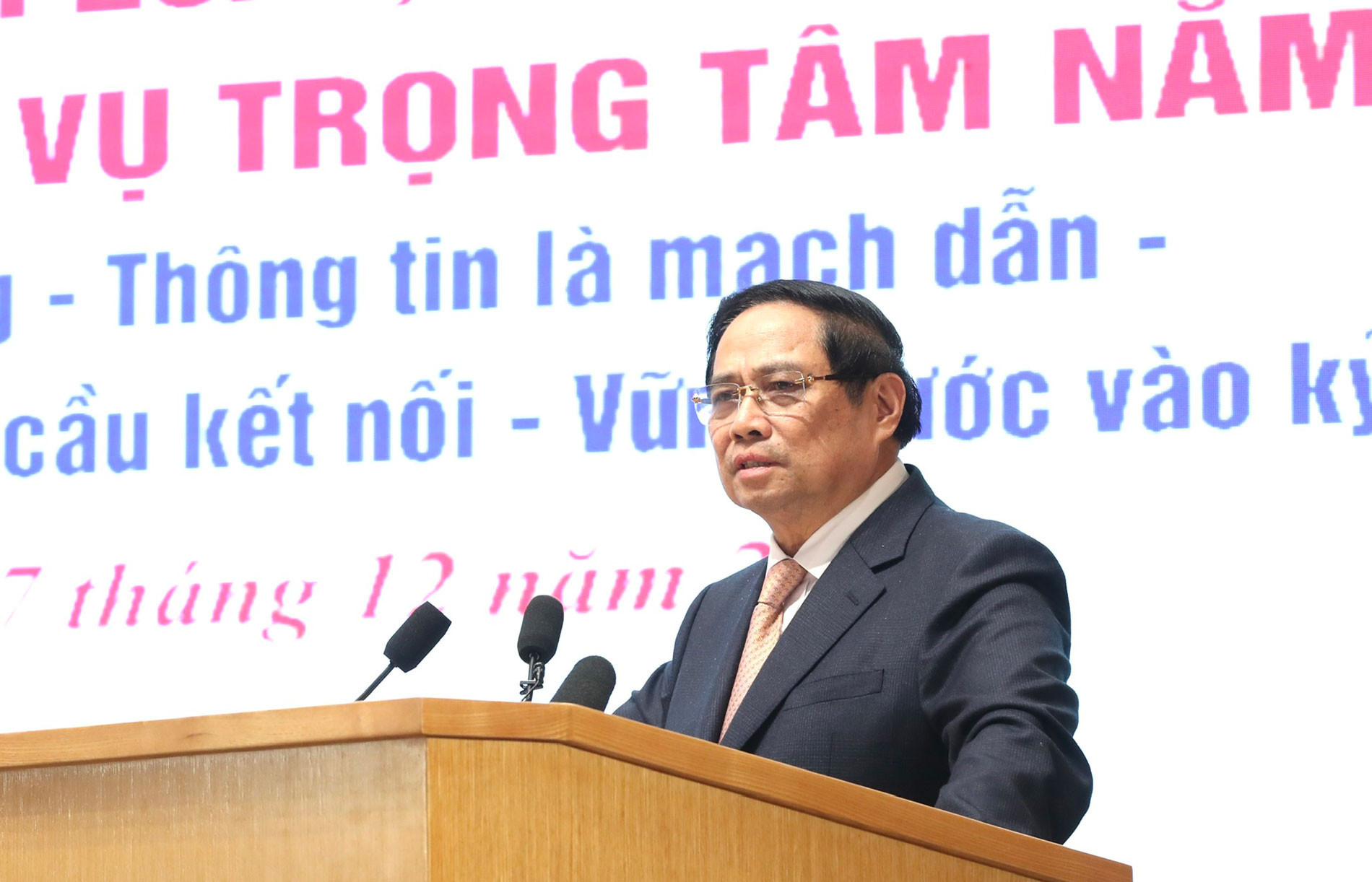
The 2021–2025 term has been one of the most challenging yet transformative periods for Vietnam’s cultural, sports, and tourism sectors.
Despite the severe impact of the pandemic, the ministry has laid down essential foundations for sustainable, long-term cultural development.
Minister Nguyen Van Hung emphasized that this era marked a shift in mindset - from merely “doing culture” to “governing culture through law and policy.”
“The sector has moved from exploiting cultural resources to promoting cultural values; from spontaneous campaigns to structured, evidence-based policymaking,” he said.
A healthier cultural environment has taken shape nationwide, while Vietnam’s cultural heritage continues to be protected, revitalized, and celebrated.
At the grassroots level, community-based cultural models have flourished, with people placed at the heart of every initiative.
The minister noted that these efforts lay the groundwork for building Vietnamese citizens who are confident, resilient, self-reliant, and proud of their national identity.
Throughout 2025, the ministry successfully organized major national celebrations, including the 50th anniversary of Reunification Day and the 80th anniversary of the August Revolution and National Day, alongside a vibrant array of festivals and artistic events.
Cultural industries, digital culture, and creative economy ecosystems have begun to take form.
Meanwhile, high-performance sports achieved notable progress, community sports expanded widely, and tourism continued to shine as a key economic driver enhancing Vietnam’s international standing.
Investing in culture is investing in the future
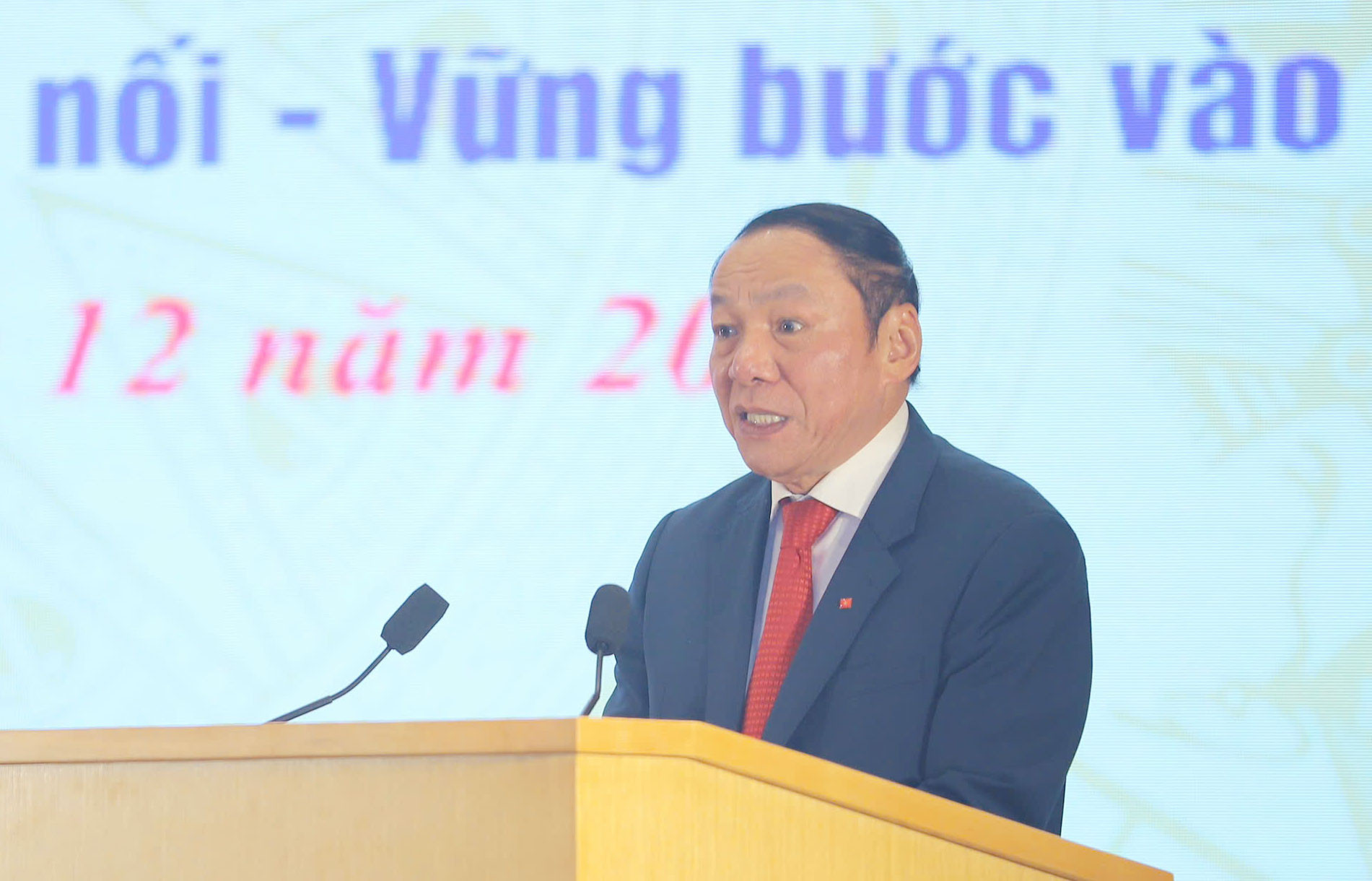
During discussions, Tran The Thuan, Director of the Ho Chi Minh City Department of Culture and Sports, reiterated that investing in culture means investing in the nation’s future, positioning it as a pillar equal to economic growth.
Representatives from Ninh Binh highlighted the concept of a “heritage economy”, treating heritage as a strategic asset for livelihoods and competitiveness.
From Hanoi, Pham Tuan Long, Director of the Department of Culture, shared experiences in international cultural integration - spreading Vietnamese values and identity amid intensifying global soft-power competition.
Meanwhile, Le Quang Tu Do, Director of the Department of Broadcasting, Television and Electronic Information, emphasized the importance of building a healthy cultural environment in cyberspace, now considered society’s “second cultural space.”
The Prime Minister’s directive
In his closing remarks, Prime Minister Pham Minh Chinh praised the ministry’s achievements in 2025 and the 2021–2025 term.
He highlighted nine outstanding results, including the shift from cultural activity to cultural governance, the elevation of culture alongside politics, economics, and society, and the recognition of culture as both a spiritual foundation and internal strength for national progress.
The Prime Minister also commended major initiatives such as the National Target Program on Cultural Development (2025–2035) and the Cultural Industries Strategy to 2030, vision 2045, along with nationwide exhibitions, national concerts, and programs that broaden access to cultural enjoyment.
Summarizing the sector’s achievements, he used vivid imagery:
“Culture is deep and radiant; sports are focused and strong; tourism accelerates and breaks through; communication spreads widely; internal unity brings love and support; achievements rise in rank and stature.”
Looking ahead to 2026 - a pivotal year marking the start of a new development phase aligned with the 14th National Party Congress Resolution - the Prime Minister called on the cultural sector to renew its mindset and act decisively to implement Party resolutions and the National Cultural Program effectively.
He encapsulated his directive in the now-iconic 32-word motto:
“Competitive institutions, modern infrastructure, intelligent people, global connectivity, shining achievements, streamlined apparatus, public enjoyment, and international admiration.”
Minister Nguyen Van Hung affirmed the ministry’s commitment to turning the Prime Minister’s words into practical programs with clear goals, responsibilities, and timelines.
He pledged that the culture, sports, and tourism sector will act decisively to contribute meaningfully to the country’s sustainable development and to make Vietnamese culture a true source of national strength and pride.
Tinh Le
.svg)
