 Vietnamnet.vn

 Podcast



T. Rowe Price is the more prominent of the two names. Founded in Baltimore in 1937, the U.S. investment group managed around $1.867 trillion in assets as of the end of July 2026. It is one of the world’s major asset managers, known for an approach built heavily around fundamental research, active investing and a long-term perspective.
Against that backdrop, the T. Rowe Price-linked investors’ decision to acquire millions more PNJ shares after such a steep decline may be more than a short-term speculative trade.
More importantly, T. Rowe Price already has a history of investing in PNJ and has adjusted its exposure in the past. Its decision to buy aggressively again after the stock’s sharp fall suggests it may see PNJ’s long-term fundamental value as considerably higher than the price the market had assigned to it.
T. Rowe Price has also invested in several major Vietnamese companies, including HPG, FPT and VCB. This suggests PNJ is not an isolated bet on a small company, but fits a broader strategy of seeking fundamentally strong businesses with growth potential in emerging markets.
Sprucegrove has a different story. The Canadian independent investment manager focuses on international and global equities. Its funds became major PNJ shareholders in 2023 after raising their combined ownership above 5%. Their stake fell below 5% in April 2025, but in August 2026 the group unexpectedly bought approximately 1.63 million shares, once again becoming a major shareholder.
What the two institutions have in common is that neither is new to PNJ. They have followed the company through different stages, understand its business model and have accumulated data with which to assess the real impact of the crisis.
So what exactly are they betting on?
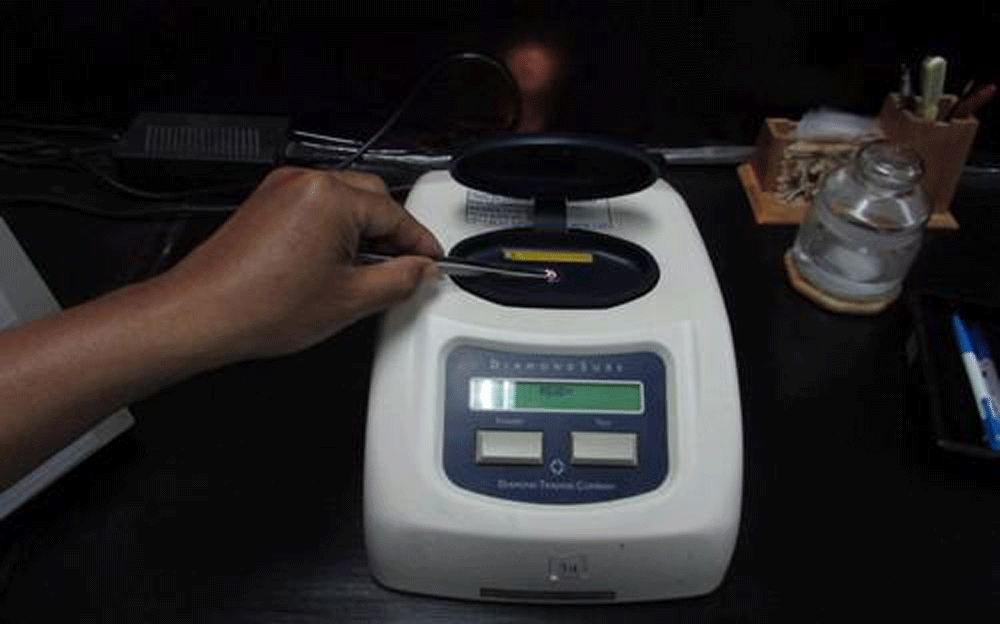
The first possibility is that the two investors view the diamond shock as a short-term risk, while PNJ’s most important assets remain intact: its brand, retail network and customer base built by a company that had long prospered in Vietnam’s jewelry market.
The second possibility is that the market overreacted to the VND865.5 billion ($32.9 million) provision. If authorities determine that PNJ’s business operations were separate from the alleged misconduct of the former PNJ-LAB director, future provisioning pressure could fall significantly. In that scenario, the record second-quarter loss may prove to have been an exceptional event rather than a reflection of the company’s long-term earnings capacity.
The third factor is valuation. A stock that once traded around VND85,000 ($3.23) before falling to approximately VND30,000 ($1.14) could offer a substantial margin of safety if the biggest risks are brought under control. For long-term investors, a crisis can sometimes create an opportunity to buy a quality asset at a deeply discounted price.
Most striking of all is the timing. Both investor groups bought when market sentiment toward PNJ was extremely weak. Soon afterward, information from investigators eased some of the legal concerns that had weighed on the stock. It appears the funds assessed PNJ’s risks as substantially lower than the level previously reflected in its share price.
That is why the PNJ story is no longer simply about a stock that has climbed more than 40% from its bottom. It is also becoming a test of whether investors can distinguish between a crisis that fundamentally changes a company’s value and a temporary shock that pushes its shares far below that value.
If the second scenario proves correct, the “sharks” that bought while the market was fearful could be sitting on a significant advantage. But if jewelry demand continues to weaken, core earnings fail to recover and further risks emerge in connection with the former PNJ-LAB director, PNJ’s more than 40% rally may turn out to be little more than a technical rebound.
The question for the market, then, is not simply how much further PNJ can rise. It is whether the bets made by these two long-term foreign investors will ultimately be vindicated by a genuine recovery in earnings over the coming quarters.
Manh Ha
.svg)
