 Vietnamnet.vn

 Podcast



A pollution hotspot: Toxic metals exceed safe limits many times over
Established in the 1970s, Dong Mai Village (now part of Lac Dao Commune, Hung Yen Province) once housed hundreds of households engaged in lead-acid battery recycling. The entire process - from dismantling, smelting, to metal separation - was done directly in home courtyards, ponds, and rice fields. As a result, massive quantities of lead dust and smoke were released into the environment, severely contaminating the soil, water, and air. The village became one of the most heavily polluted areas in the province.
Studies conducted by organizations such as the Blacksmith Institute in 2013 and Vietnam’s General Department of Environment (now the Department of Environment) in 2019 revealed high concentrations of toxic metals, particularly lead (Pb), copper (Cu), and zinc (Zn), far exceeding national safety thresholds.
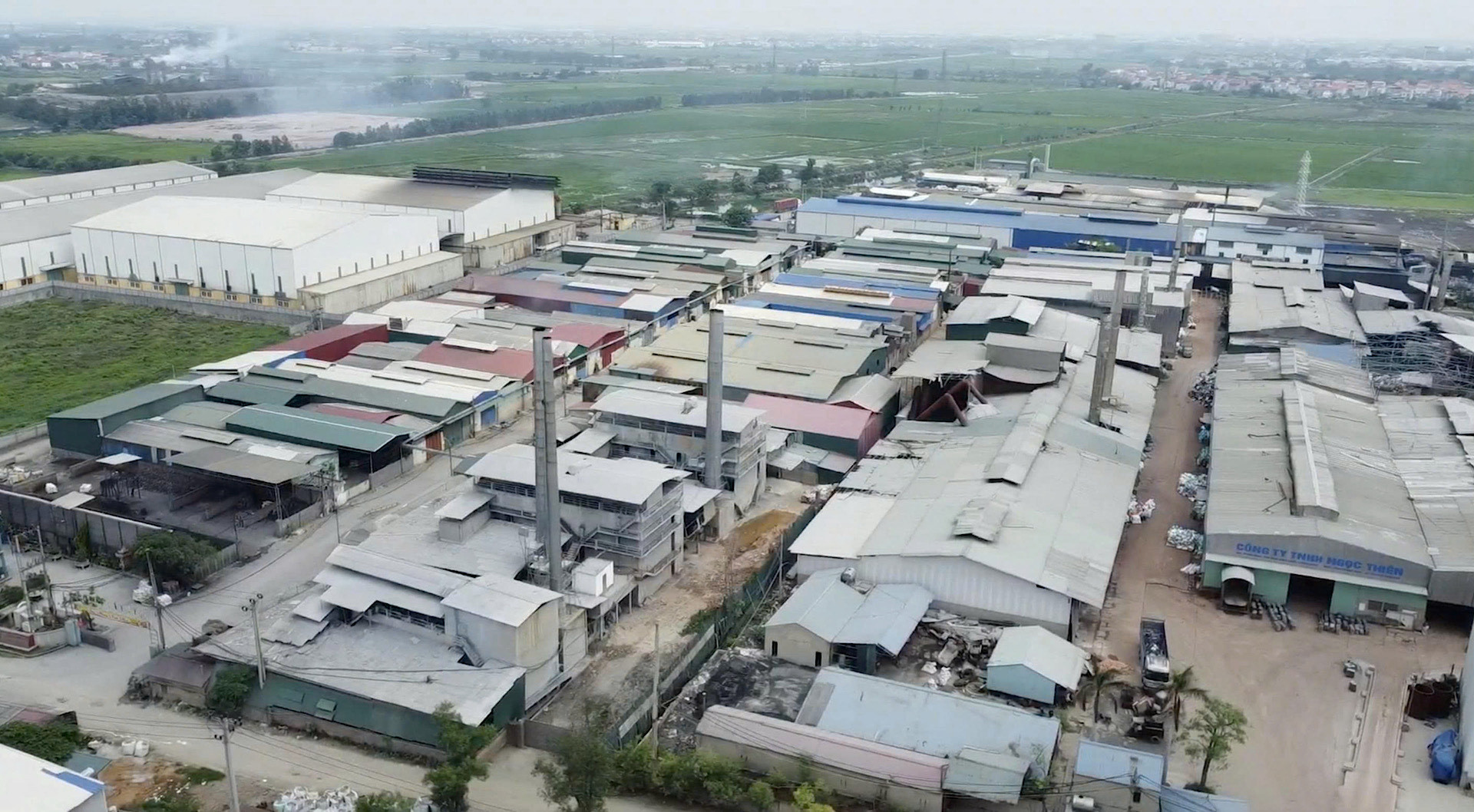
These pollutants seeped into the soil, water, and air, entering the food chain and severely affecting public health - especially among the elderly and children. Reports show alarming consequences: around 80% of residents suffer from gastrointestinal, respiratory, or eye diseases. According to the Ministry of Health’s Institute of Occupational and Environmental Health, many villagers had blood lead levels exceeding safety limits, prompting urgent detoxification recommendations.
Rescuing the poisoned land
Over the years, local authorities and relevant agencies have prioritized efforts to address this pollution hotspot. In 2010, the Hung Yen Provincial People’s Committee approved the construction of the “Chi Dao Commune Industrial Cluster” to relocate lead recycling activities out of Dong Mai. Several initiatives were undertaken to improve soil, water, and air quality - but contamination persisted.
As part of the “Mainstreaming Climate Change Resilience and Environmental Protection for Green Urban Development” project by the Department of Environment, experts launched a pilot project to rehabilitate the contaminated soil in the area.
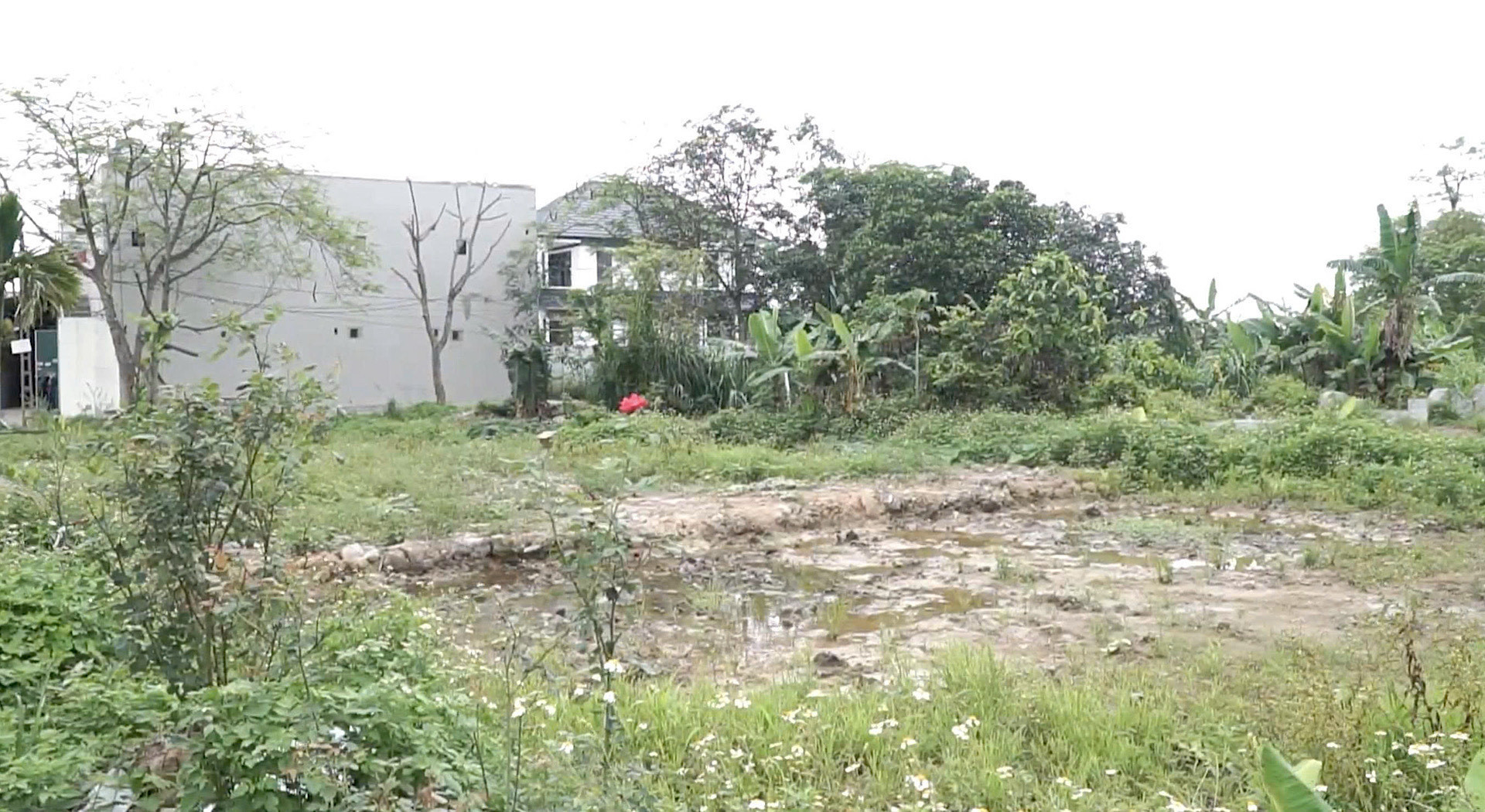
Due to the severity and duration of heavy metal contamination, the expert team proposed a soil-washing method using ferric chloride (FeCl3) - a solution proven to rapidly reduce concentrations of heavy metals like lead and zinc.
After more than a year of implementation, monitoring results in the pilot zone showed that levels of arsenic (As), chromium (Cr), copper (Cu), lead (Pb), cadmium (Cd), and zinc (Zn) had all dropped below permissible limits under Vietnam’s National Technical Regulation. Most notably, levels of lead, copper, and zinc - previously the most heavily concentrated - declined significantly, proving the method’s effectiveness in removing long-accumulated toxic metals from the soil.
Post-treatment, the area was further rehabilitated by adding fresh soil, lime, and organic bio-fertilizer to improve fertility and pH balance. This helped restore local ecosystems, increase vegetation coverage, and enhance air quality and landscape aesthetics.
According to Duong Quynh Thai, a chemical pollutant analyst on the project, although the pilot was small in scale, the results demonstrate the potential for rehabilitating other areas contaminated by heavy metals. Compared to other soil treatment methods - such as chemical washing, chemical mixing, or phytoremediation - the ferric chloride washing method offers several advantages. It quickly reduces toxic metal levels without destroying the soil, preserves the mineral clay structure, and minimally disrupts soil quality. After treatment, the soil can be amended with lime and organic fertilizer to enable future cultivation.
The National Environmental Report for 2016-2020 from the General Department of Environment noted that many areas near traditional craft villages and industrial zones in Vietnam are at high risk of heavy metal pollution. Monitoring data from places like Phu Ta Industrial Zone (Binh Dinh), Lien Chieu (Da Nang), several communes in old Lam Thao District (Phu Tho), District 12 (Ho Chi Minh City), and Dai Dang (Binh Duong) revealed metal concentrations exceeding safe limits.
Therefore, the results of this pilot project are highly significant. The ferric chloride soil-washing technology could be scaled up to other heavily polluted areas - particularly former craft villages, landfills, and aging industrial zones.
The "Mainstreaming Climate Change Resilience and Environmental Protection for Green Urban Development" project helps reduce the risk of heavy metal exposure for vulnerable groups like the elderly and children. Gradually, it is transforming one of northern Vietnam’s most notorious pollution hotspots into a greener, cleaner, and safer place.
Tue Minh
.svg)
