 Vietnamnet.vn

 Podcast



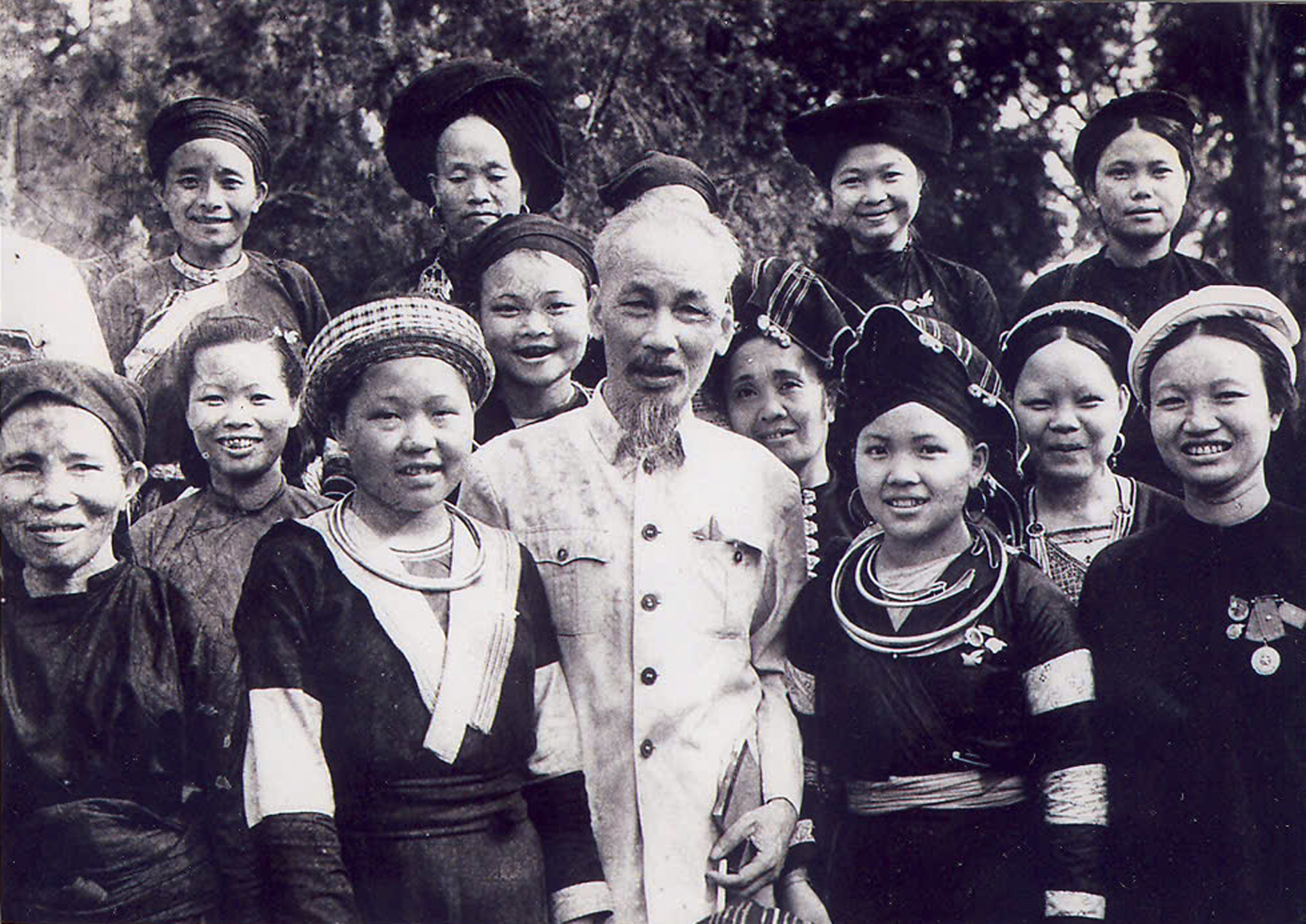
President Ho Chi Minh with ethnic minority communities. Photo: Archives
President Ho Chi Minh concluded that for colonized nations, nationalism was a powerful driving force.
Therefore, national unity built upon the alliance of workers, farmers and intellectuals became both a strategy and a source of tremendous strength leading Vietnam’s revolution to victory.
Throughout his leadership of the Vietnamese revolution, President Ho Chi Minh paid close attention to shaping and implementing ethnic policies.
He creatively applied the three principles of Marxism-Leninism - “solidarity, equality and mutual support.”
He once said: “Ethnic communities must unite closely and love and support one another like brothers in one family.”
He also stressed that Party organizations at all levels must correctly implement ethnic policies and ensure solidarity, equality and mutual assistance among all ethnic groups.
Rooted in the long-standing tradition of unity forged throughout Vietnam’s history of nation-building and national defense, where communities stood shoulder to shoulder against foreign invaders and natural disasters, President Ho Chi Minh consistently emphasized national solidarity.
Even while facing both internal and external threats, especially as French forces approached the border, the Congress of Southern Ethnic Minorities was still organized in Pleiku on April 19, 1946, with more than 1,000 participants.
In a letter sent to the congress, President Ho Chi Minh wrote:
“Whether Kinh or Tho, Muong or Man, Gia Rai or E De, Xe Dang or Ba Na, and other ethnic minorities, all are descendants of Vietnam and brothers of the same family. We live and die together, share hardships and happiness, and help one another in times of hunger and difficulty... Our country and government belong to all of us. Therefore, all ethnic groups must unite closely to protect our nation... Rivers may dry up, mountains may erode, but our solidarity will never diminish.”
Alongside solidarity, equality was also a key principle in President Ho Chi Minh’s thinking on ethnic affairs.
It originated from fundamental human rights expressed in Vietnam’s Declaration of Independence: “All nations in the world are born equal; every nation has the right to live, to be happy and to be free.”
From compassion to the principle of mutual support
Drawing from traditions of solidarity, compassion and mutual care among Vietnam’s ethnic groups, as well as from profound humanitarian values, President Ho Chi Minh elevated mutual support into a guiding principle.
This became one of the most distinctive features of his thinking on ethnic affairs.
He affirmed that building a strong and prosperous nation first required equality among ethnic groups.
He also emphasized that equality must be reflected across economic, political and cultural fields.
To achieve equality, communities needed to improve both material and spiritual living standards, understand their rights and responsibilities, and support one another in reaching genuine equality.
In speeches and writings, President Ho Chi Minh constantly reminded the Party and government officials to care for the people’s interests.
He also urged both majority and minority ethnic groups to treat each other as brothers and sisters who shared hardships and prosperity together.
Understanding the strategic importance of ethnic minority and mountain regions
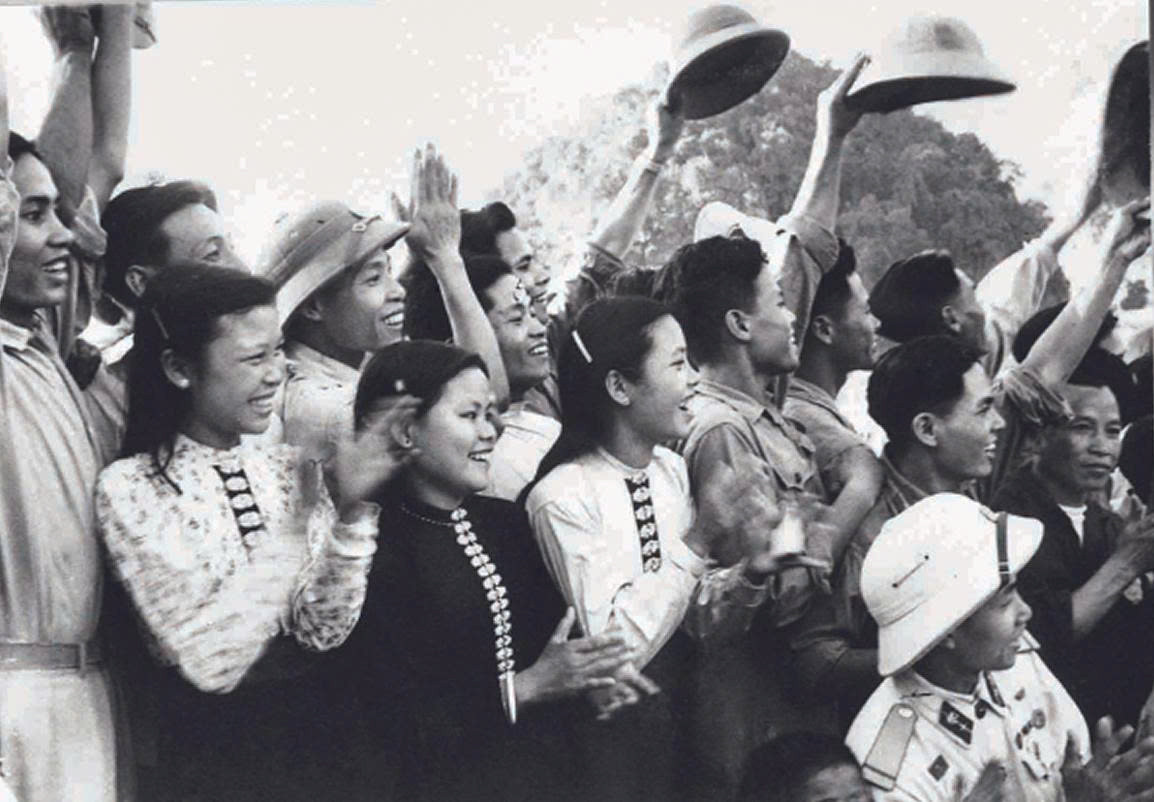
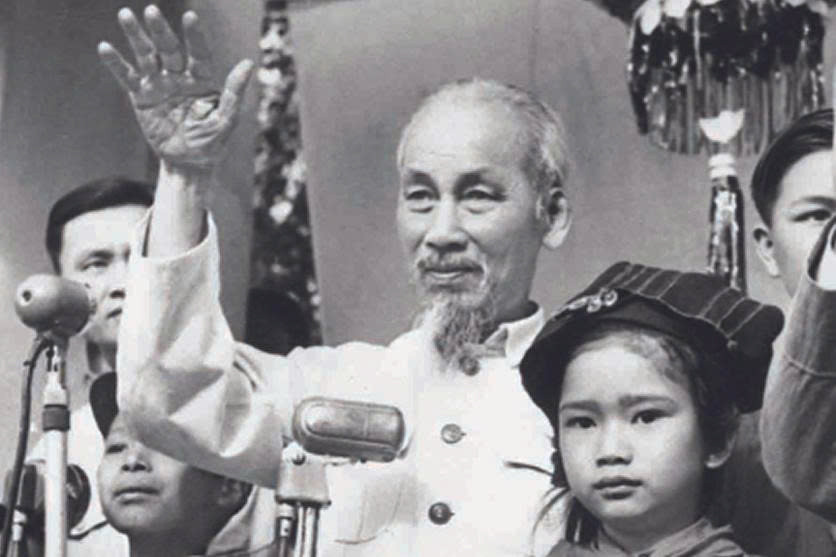
President Ho Chi Minh attended and delivered a speech at a rally held by ethnic communities in the Northwest region in Son La Town to mark the fifth anniversary of the Dien Bien Phu Victory on May 7, 1959. Photo: VNA Archives/Ethnic and Mountainous Regions Newspaper
President Ho Chi Minh’s thoughts on ethnic minorities were also shaped by his deep understanding of the strategic importance of mountainous and ethnic minority regions.
He once stated:
“Mountain communities account for one-fifth of our population. Mountainous regions cover two-thirds of the country’s territory and stretch across more than 3,000 kilometers of border areas. There is a saying: forests are gold and seas are silver. That saying is absolutely true. Mountain regions possess abundant natural resources and great potential for developing agriculture and industry. These facts show that mountainous regions hold an extremely important position in the country’s economy, politics and national defense.”
During visits to border provinces and island regions, Ho Chi Minh frequently highlighted their role as “revolutionary bases,” “multi-ethnic areas” and “regions bordering neighboring countries.”
He stressed their political importance as places representing Vietnam’s foreign policy, sovereignty and ethnic unity.
Economically, he viewed mountain regions as resource-rich areas with strong potential for agriculture, processing industries, mining, hydropower and forest development to maintain ecological balance.
From a defense perspective, they served as strategic frontlines and revolutionary strongholds.
Vietnam’s history of national liberation, nation-building and defense has repeatedly demonstrated the accuracy of President Ho Chi Minh’s strategic vision regarding the role of ethnic minority and mountainous regions in national security and revolutionary movements.
These regions became strongholds supplying manpower and resources for major battlefronts and launching points for historic military campaigns.
Respect for the qualities of ethnic minority communities
President Ho Chi Minh deeply respected the loyalty, honesty and dedication of ethnic minority communities and held profound affection for them.
Throughout his revolutionary life, he spent many years living and working among ethnic minority groups, especially during the most difficult and dangerous periods of the revolution.
The communities’ loyalty, resilience, sacrifice and sincerity strengthened his emotional bond with them.
On November 23, 1945, while meeting delegates from Tuyen Quang Province, President Ho Chi Minh said:
“Before our country gained independence, the people there wholeheartedly loved the nation and worked hard to support Viet Minh activities in the liberation movement. I personally traveled through your regions and saw that Tho and Man communities alike shared the same aspiration for national independence and hatred toward invading enemies... Please tell the people there that Kinh people and the Government deeply care for them.”
President Ho Chi Minh constantly reminded government officials to remember the contributions of ethnic minority communities.
After each military victory, he regularly sent letters praising their contributions and affirming that the Government would never forget their sacrifices.
On February 26, 1947, in a letter addressed to upland communities, he wrote:
“In this resistance war to save the nation, ethnic minority communities have demonstrated deep patriotism... On behalf of the Government, I thank you and solemnly promise that once the resistance succeeds, the nation and Government will forever remember your contributions.”
At the National Congress of Vietnam’s Ethnic Minorities held in Hanoi on December 3, 1945, President Ho Chi Minh declared:
“Our ethnic minority brothers and sisters will enjoy: First, ethnic equality. The Government will abolish outdated customs and correct past inequalities. Second, the Government will strive to support ethnic minority communities in all aspects: economically by expanding agriculture, and culturally by improving educational opportunities. Ethnic communities will have the freedom to express their aspirations and must work together to achieve complete independence, freedom and peace.”
Paying special attention to training ethnic minority officials
To prepare for the long-term revolutionary movement, President Ho Chi Minh placed strong trust in the honesty and sincerity of ethnic minority communities.
He selected outstanding young people from ethnic groups in Cao Bang and Lang Son to receive training in China before assigning them to build revolutionary bases inside Vietnam.
Among them were Hoang Dinh Dong and Hoang Van Thu.
In 1927, both joined the Vietnam Revolutionary Youth League.
The first Communist Party cell in the region was established in Lang Son in 1929 with three ethnic minority Party members: Hoang Dinh Dong, Hoang Van Thu and Hoang Nhu.
The movement later expanded to include many more local Party members.
On December 22, 1944, the Vietnam Propaganda Liberation Army was established in the Tran Hung Dao forest in Cao Bang.
Among its first 34 soldiers, 29 were ethnic minority fighters.
They later became key contributors to the development of Vietnam’s armed forces.
Many ethnic minority officials were discovered, trained and nurtured under Ho Chi Minh’s guidance, including Chu Van Tan, Le Quang Ba, Dam Van Nguy, Y Ngong N’ Dam, Hoang Van Phung, Y Wang Mlo Duon Du, Hong Tien, Nhi Quy, Lam Phai and Cu Hoa Van.
President Ho Chi Minh also left valuable lessons on mobilizing intellectuals, respected figures and community leaders among ethnic minority groups, including figures such as Vuong Chi Sinh and Vu Chong Pao.
When handling complicated security and social issues in ethnic minority regions, President Ho Chi Minh always prioritized education and persuasion, guided by compassion, tolerance and profound humanity.
Hoang Xuan Luong
.svg)
