 Vietnamnet.vn

 Podcast



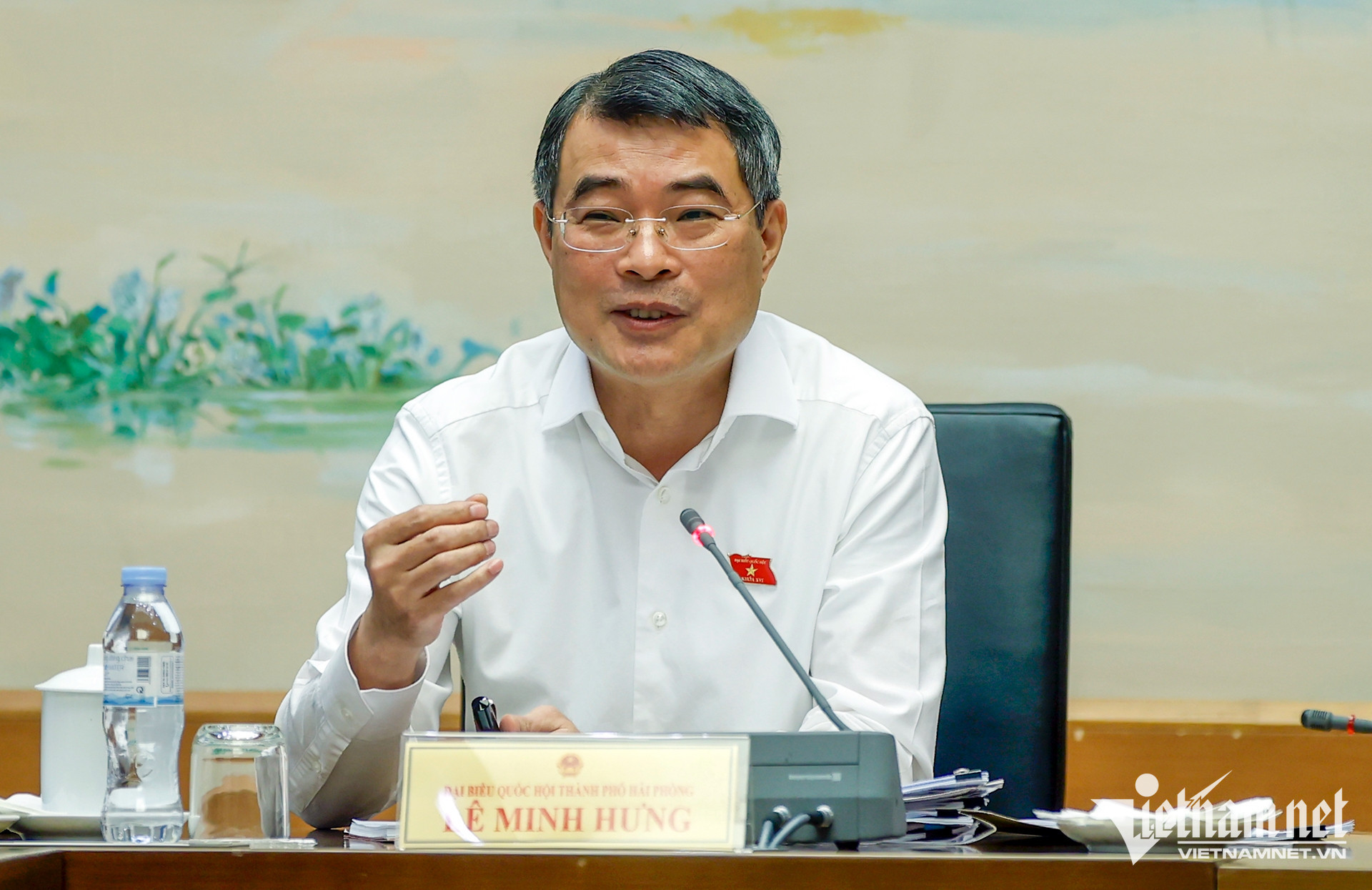
Speaking on the afternoon of April 21 during a National Assembly group discussion, the Prime Minister said the proposal was based on a report by the Ministry of Finance. The plan would exempt business households with annual revenues below this threshold from paying personal income tax and value-added tax.
The discussion took place as lawmakers reviewed draft amendments to several key tax laws, including those governing personal income tax, value-added tax, corporate income tax and special consumption tax.
Under the current framework, established in December 2025, the tax-free revenue threshold for business households is set at VND500 million per year (US$20,500). However, recent economic developments - including fluctuations in fuel prices and regional uncertainties - have created new challenges, particularly for small and medium-sized enterprises and household businesses.
In response, the government has moved quickly to instruct the Ministry of Finance to develop revised proposals. The direction of reform focuses on raising the taxable revenue threshold while ensuring fairness between business households and small enterprises.
Le Minh Hung emphasized that while support measures are necessary, policy adjustments must remain balanced. “We must ensure fairness with small and medium-sized enterprises, while also addressing the difficulties faced by business households,” he said.
The Prime Minister also underscored the need for flexibility in policymaking. Instead of fixing specific revenue thresholds in law, the revised approach would authorize the government to determine appropriate levels, guided by clear principles set by the National Assembly to prevent revenue losses or loopholes.
If approved, the government is expected to issue a decree promptly to implement the new regulations.
Beyond tax reform, the Prime Minister addressed ongoing efforts to resolve bottlenecks in delayed projects. Despite previous resolutions by the National Assembly, including Resolution 170, local authorities continue to report obstacles during implementation.
He noted that the government has already taken swift steps, including meetings held on April 9 and subsequent reports submitted to the Politburo. By April 13, the Politburo had issued Conclusion No. 24, providing a basis for further action.
Building on this, the government has submitted proposals to the National Assembly aimed at introducing additional measures to unlock stalled projects - resources that could significantly contribute to economic growth, state budget revenues and job creation.
Le Minh Hung stressed that once the new resolution is passed, it will provide a crucial legal foundation for local authorities to act with greater confidence.
“Local governments will feel more secure, more willing to act decisively and take responsibility when resolving project bottlenecks,” he said.
He added that each project involves unique and complex issues, but with clear guidance from the Politburo and the National Assembly, implementation can move forward more effectively.
In this context, the proposed tax reforms and project resolutions reflect a broader effort to mobilize resources, support the private sector and sustain economic growth amid evolving challenges.
Tran Thuong
.svg)
