 Vietnamnet.vn

 Podcast



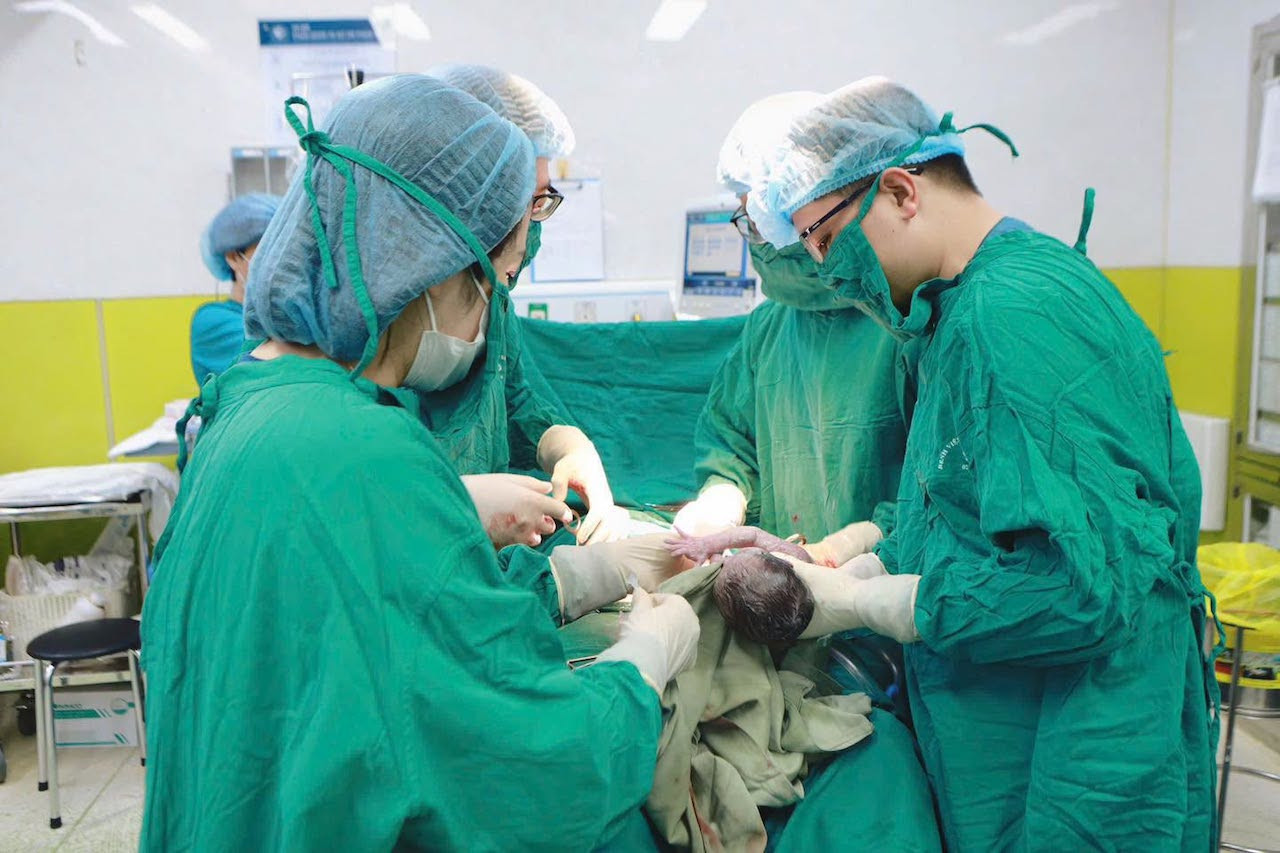
The 28-year-old Hanoi resident, pregnant for the first time, was carrying an exceptionally rare triplet pregnancy involving one placenta and three amniotic sacs.
Such pregnancies are considered extremely high risk, with potential complications including preterm labor, fetal growth restriction and preeclampsia, all of which can threaten the lives of both the mother and the babies.
For that reason, the pregnancy was closely monitored by a multidisciplinary medical team, as even a minor complication could have had serious consequences.
The mother received continuous care throughout her pregnancy at the Fetal Intervention Center of Hanoi Obstetrics and Gynecology Hospital.
At 16 weeks of pregnancy, after identifying a high risk of premature pregnancy loss, doctors performed a cervical cerclage to help prolong the pregnancy.
On June 1, when she developed abdominal pain and uterine contractions, she was admitted to the hospital's High-Risk Pregnancy Department (A4) for treatment to prevent premature delivery.
During her hospitalization, the increased nutritional demands of carrying triplets led to signs of anemia at 31 weeks, prompting doctors to adjust her nutritional care and prescribe iron supplementation.
After weeks of intensive efforts to prolong the pregnancy, doctors decided to perform a planned cesarean section at 31 weeks and six days when signs of labor appeared, ensuring the safest possible outcome for both mother and babies.
The operation was successful, and the three babies were delivered safely, weighing 1.7 kilograms, 1.6 kilograms and 1.5 kilograms, respectively, bringing joy to both their family and the medical team.
Following the surgery, the mother's condition remained stable.
Because they were born prematurely, the newborns were transferred to the hospital's Neonatal Department for specialized monitoring and care.
All three babies have since recovered well and have been discharged from the hospital.
N. Huyen
.svg)
