 Vietnamnet.vn

 Podcast



Reconstructed garments like áo trực lĩnh, áo chẽn, nhật bình, and outfits once worn by crown princes and princesses are now on display at the Ho Chi Minh City Museum through December 22.
In celebration of the 20th anniversary of Vietnam Cultural Heritage Day (November 23, 2005 – November 23, 2025), the HCMC Museum is hosting an exhibition titled "Nam diện – Vietnamese attire through three centuries." The display showcases popular garments from the 17th to 20th centuries, reconstructed from old paintings, photographs, and surviving artifacts. The exhibition runs from November 22 to December 22.
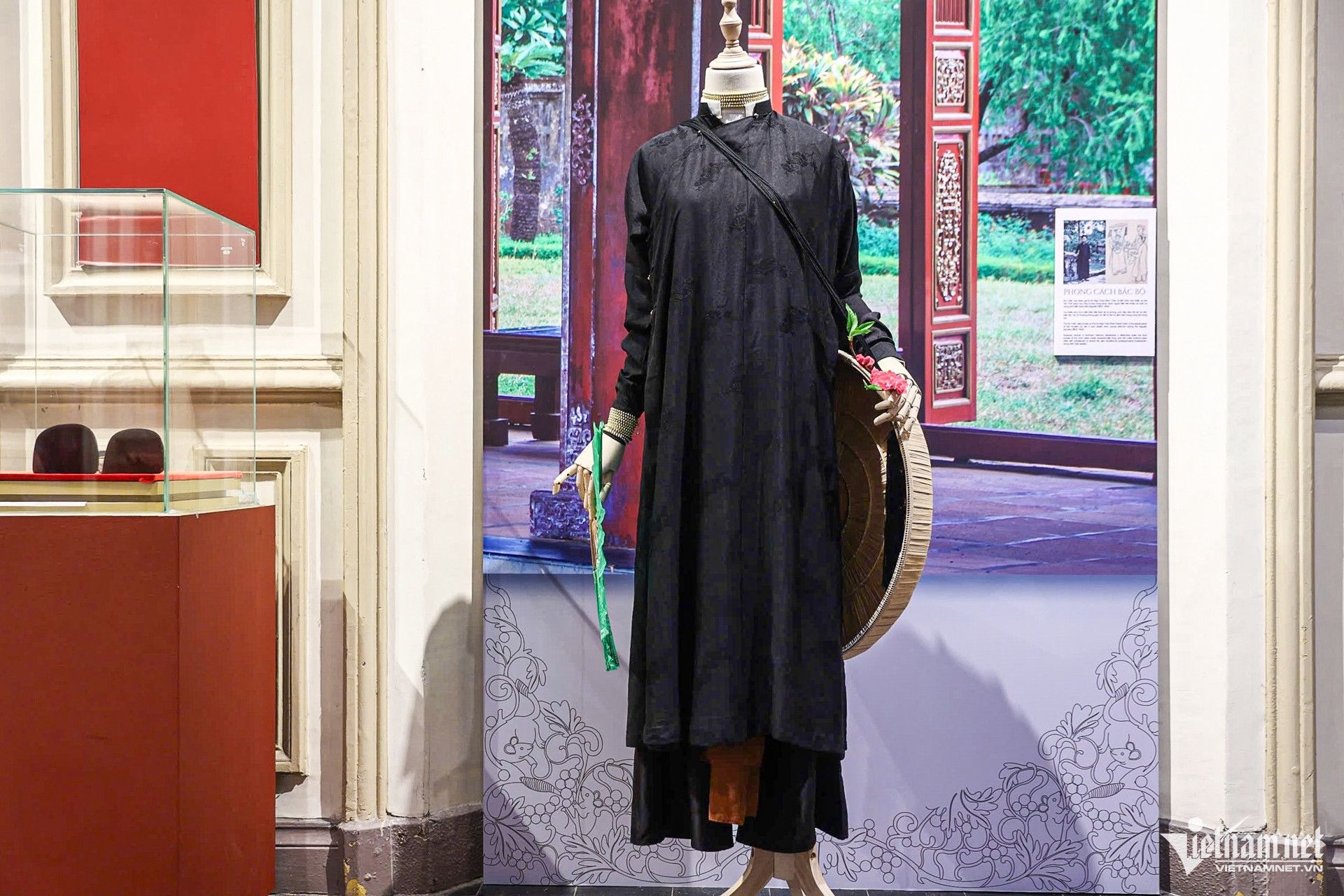
Áo trực lĩnh - a straight-collared robe - was a common basic garment in the Lê dynasty, widely documented in 17th–18th century historical records. The design features a vertical front opening from collar to hem and was paired with trousers or skirts depending on gender and status.
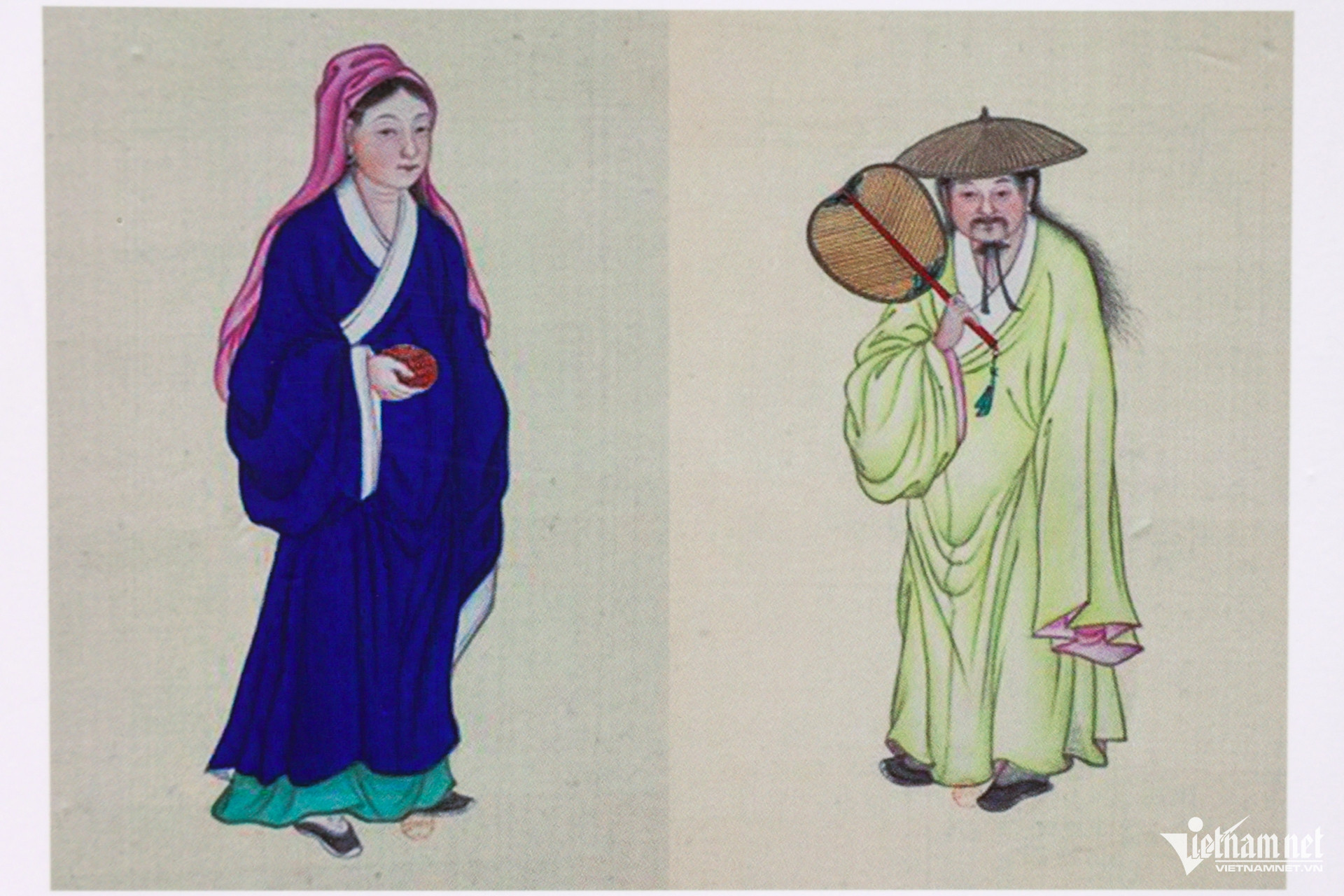
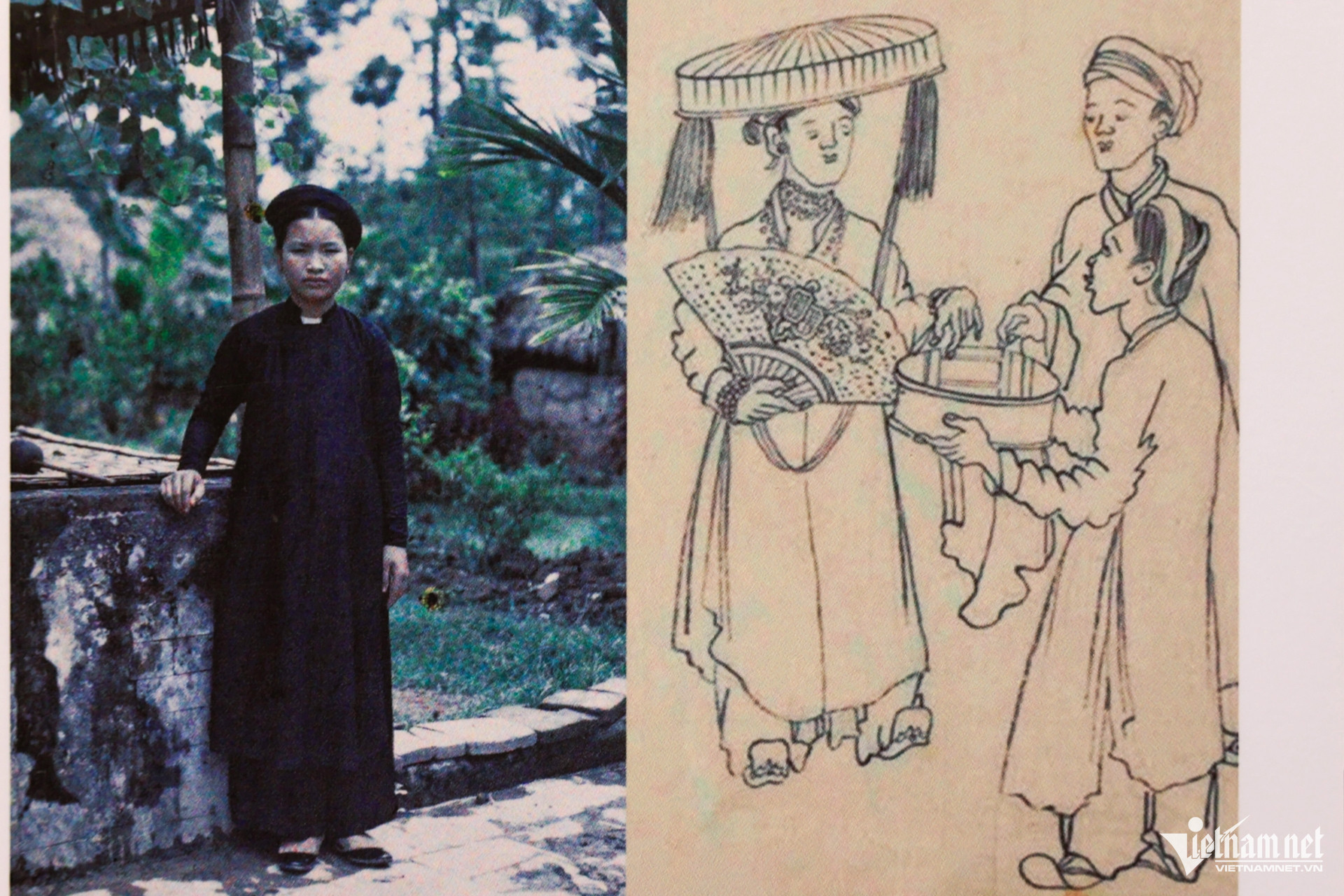
One áo trực lĩnh on display was recreated based on the Japanese scroll "Bankoku Jinbutsu Zu" (“Portraits of People from All Nations”), one of the few remaining visual records from the era of trade and diplomacy.
Another version was reconstructed from the Qing Dynasty scroll "Huang Qing Zhigong Tu", combined with sewing techniques from the Lê dynasty.
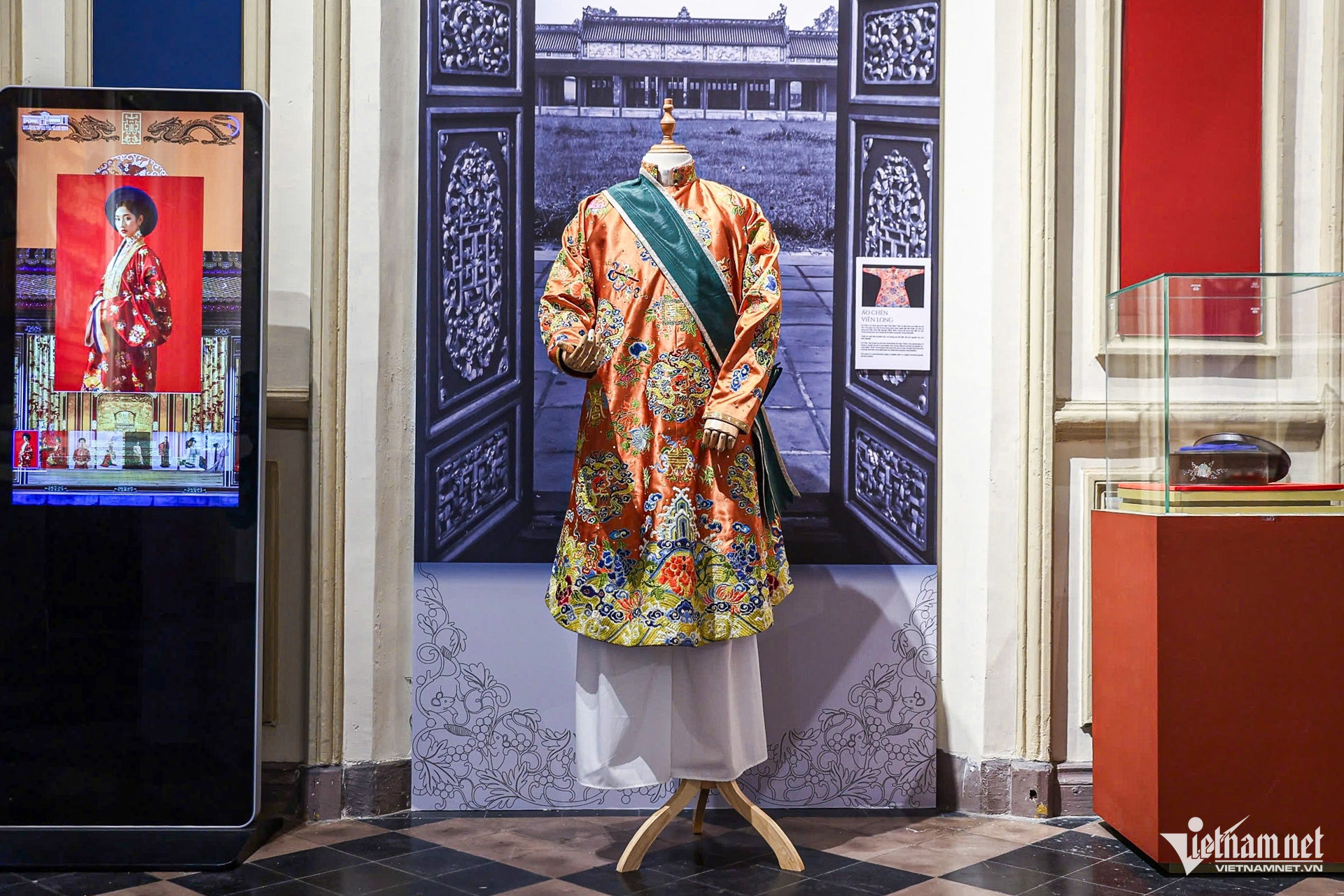
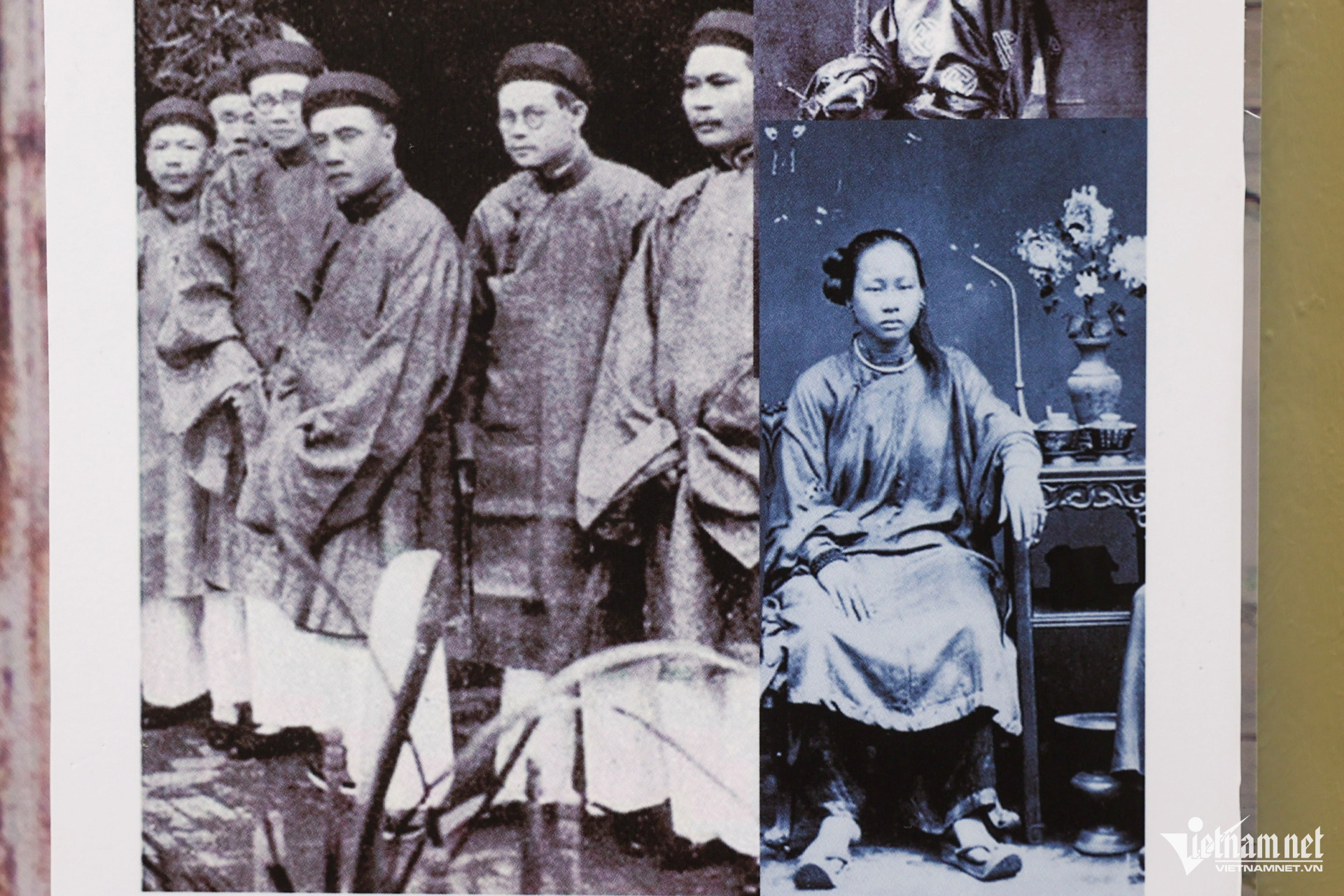
Also featured is the áo chẽn, a Northern-style five-paneled tunic that preceded the modern áo dài. Popular during the Nguyễn dynasty (1802–1945), this design for women typically had long flaps and an open collar that revealed inner garments and jewelry.
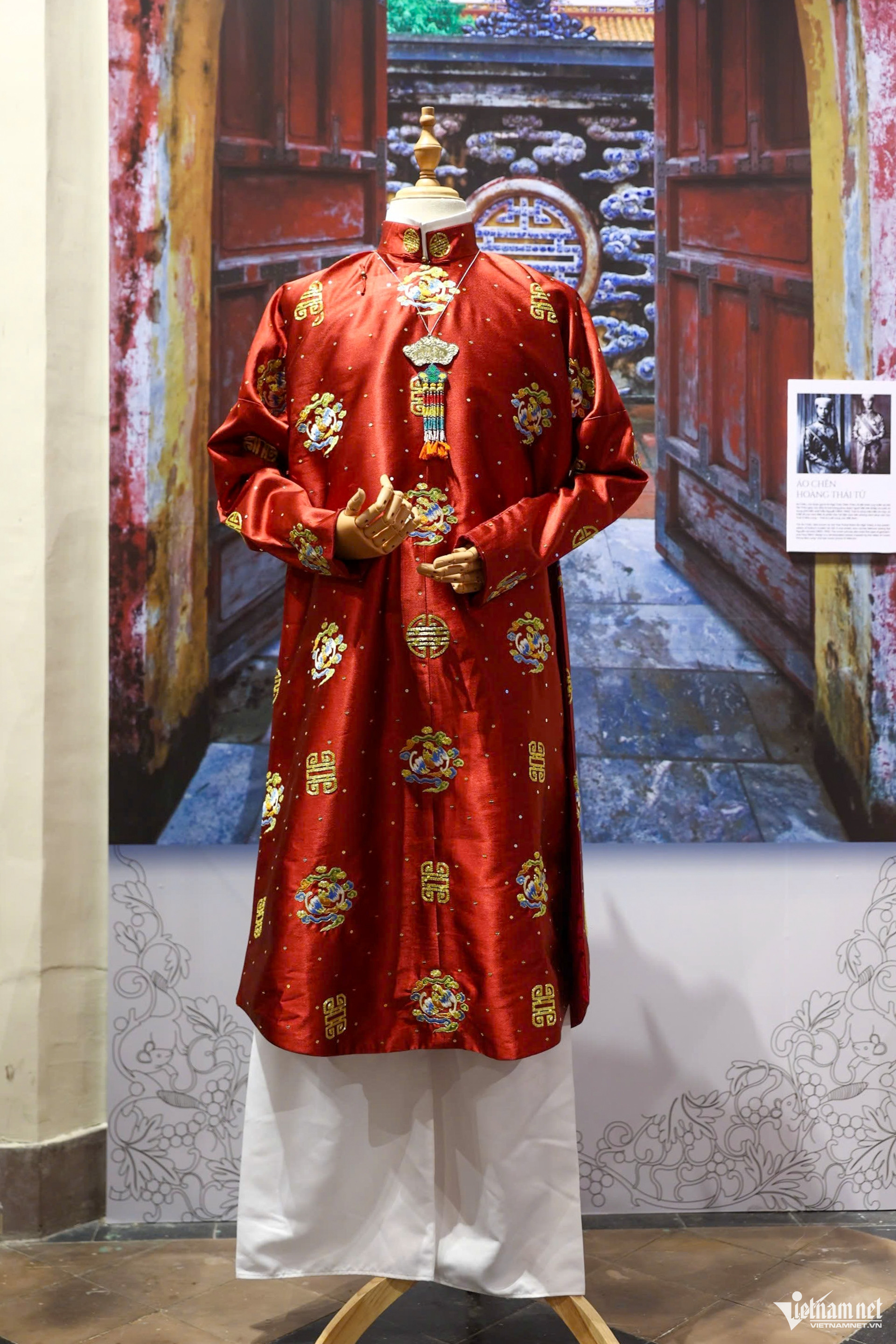
One áo chẽn replica was modeled on royal attire from the Nguyễn court. Although worn by emperors, it was adapted with distinct styling. Another featured recreation is the attire of Crown Prince Bao Long, son of Emperor Bao Dai - the last crown prince of Vietnam.
Visitors can also view ceremonial gowns - called áo thụng, tấc, thượng, tế, or lễ - along with related accessories and historical references. These five-paneled robes resemble áo chẽn but are designed with wide sleeves and larger underarm openings, reserved for important rites and formal occasions.
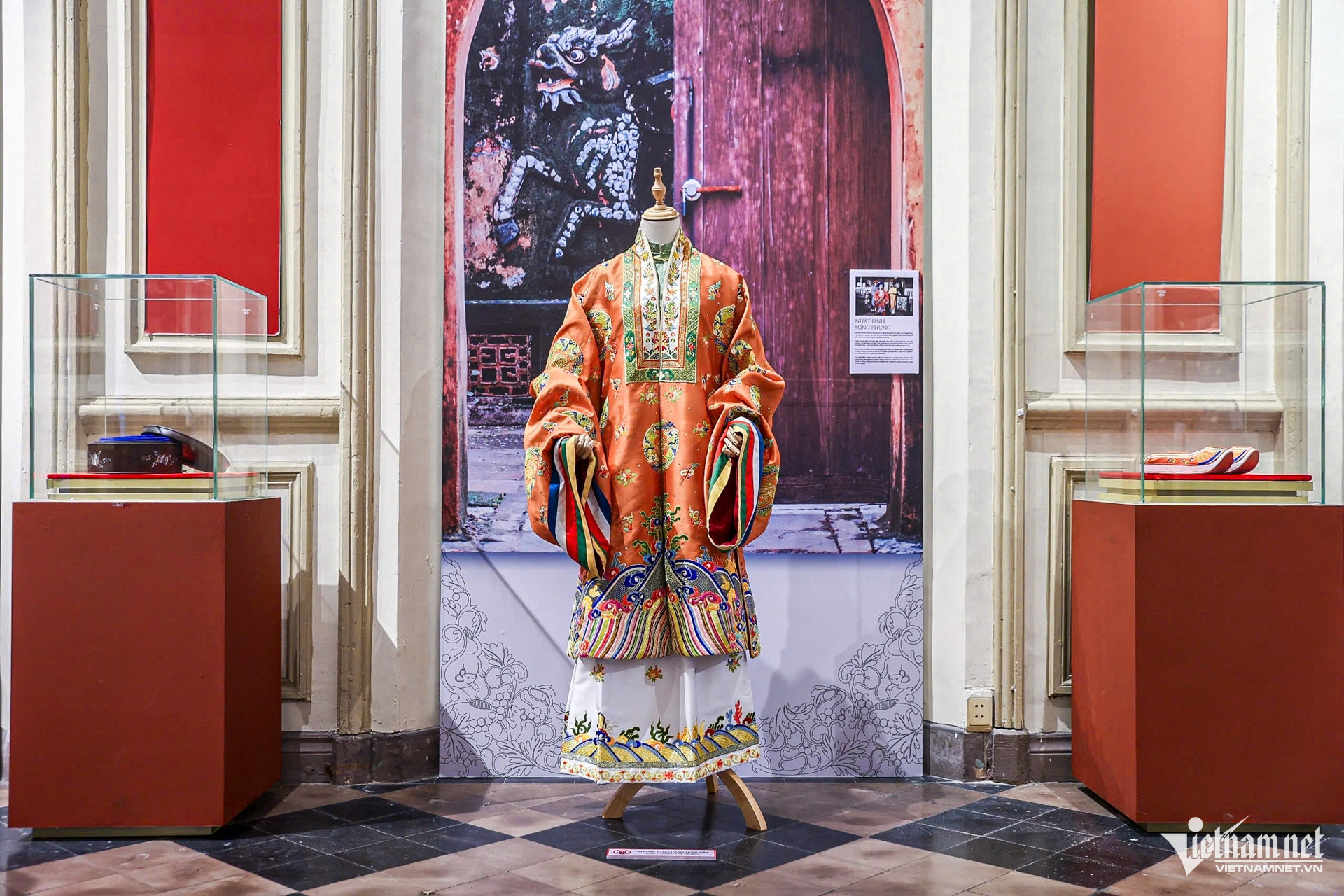
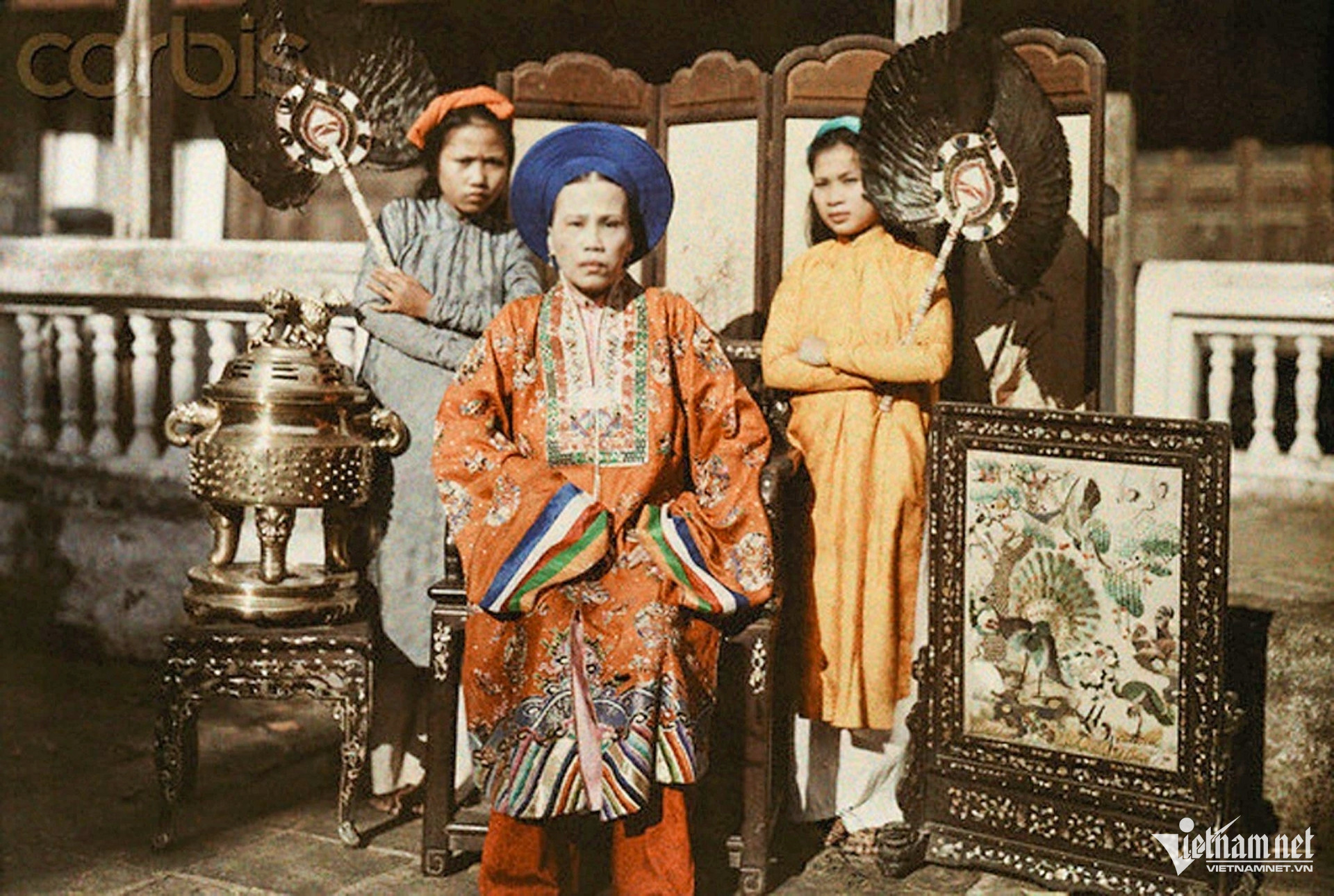
Among the reconstructed women’s clothing, the standout is the nhật bình - a ceremonial robe for imperial women and high-ranking officials’ wives during the Nguyễn dynasty. The version on display is inspired by a famous photograph of Princess My Luong, sister of Emperor Thanh Thai. It was recreated using multiple sources to capture the spirit of the iconic portrait.
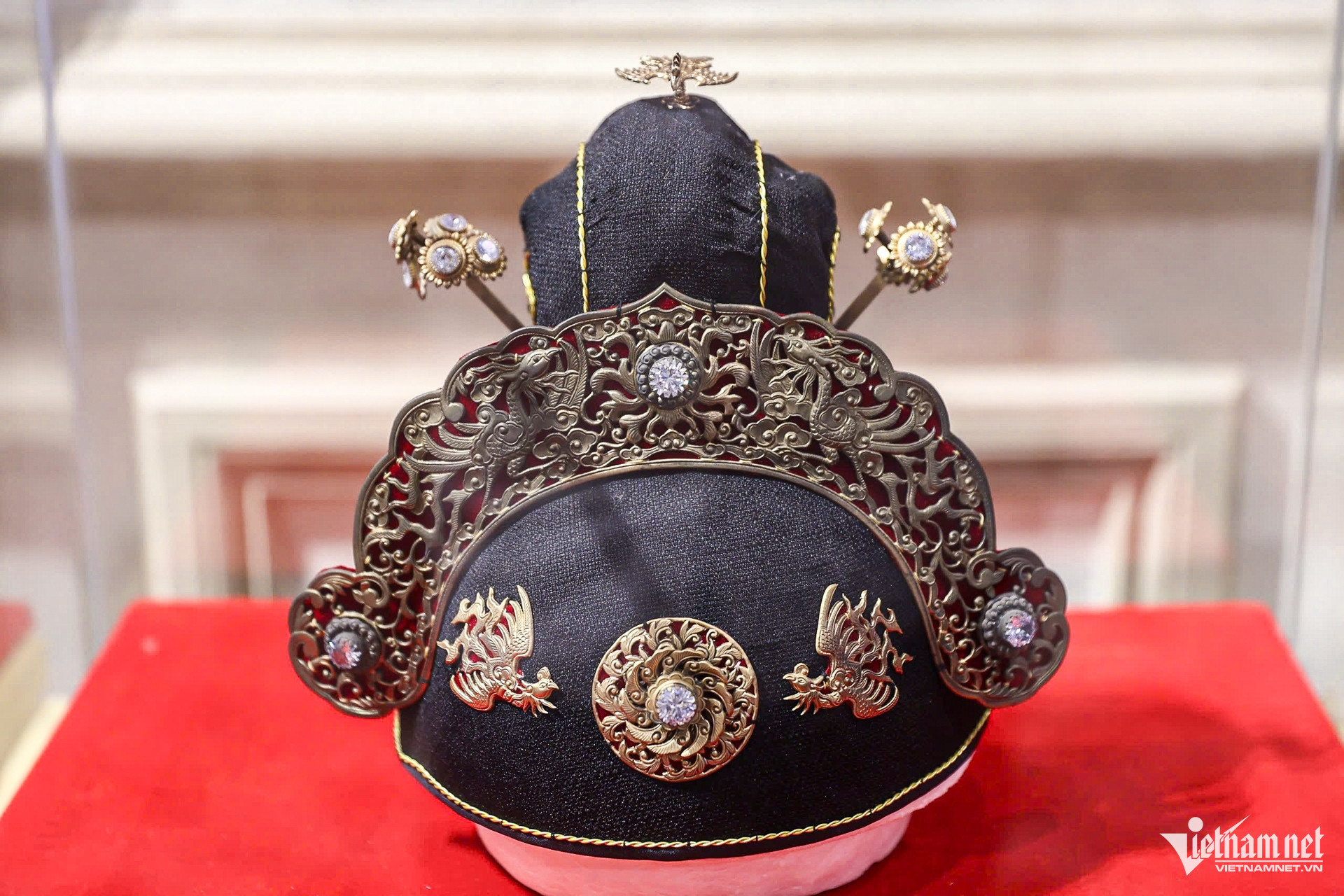
The exhibition also includes jewelry, ornaments, identification plaques, and headgear - presented alongside the garments to give visitors a comprehensive look at Vietnam’s traditional attire.
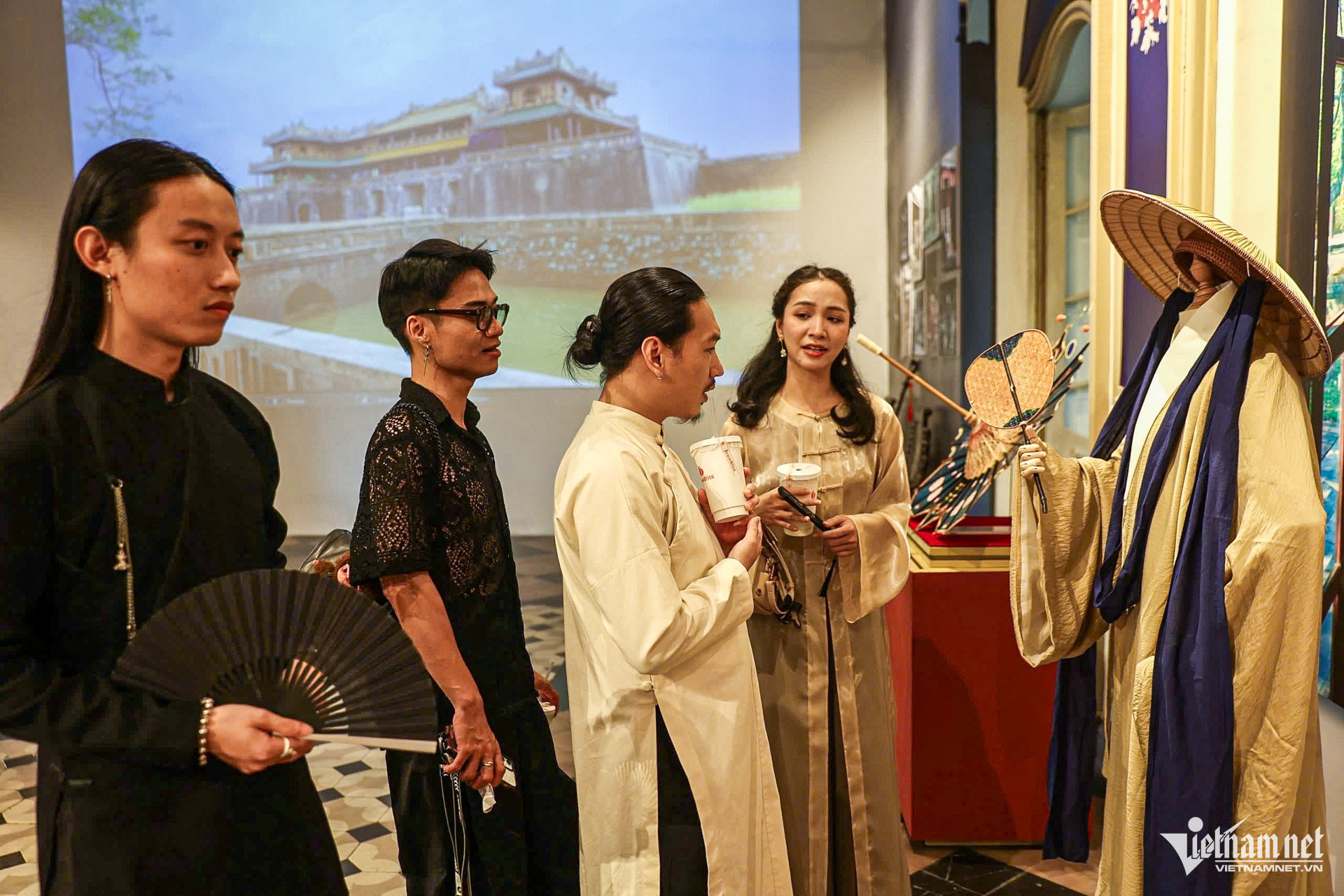
Recreated áo trực lĩnh, áo chẽn, nhật bình, and ceremonial robes on display at the HCMC Museum through December 22.
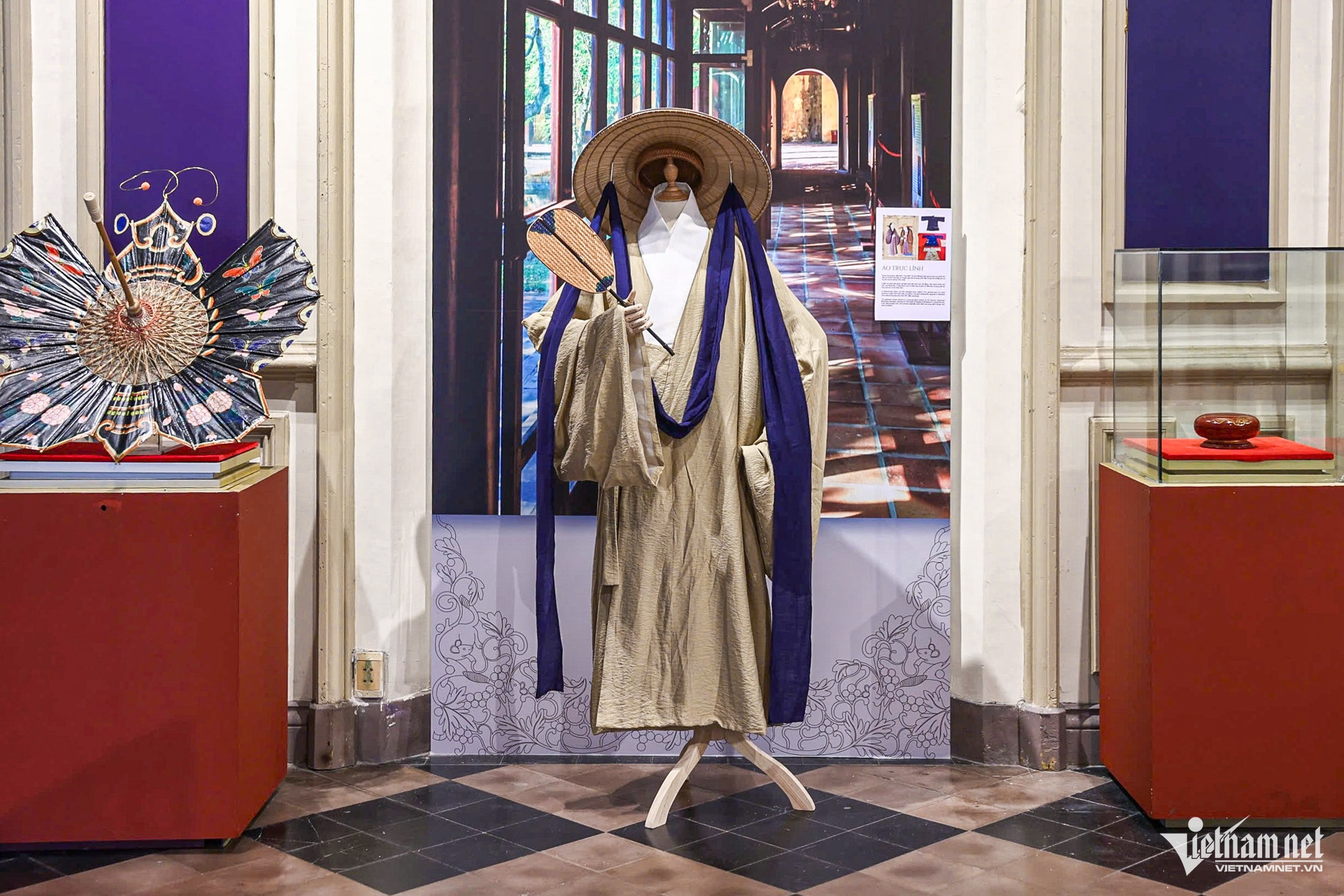
Áo trực lĩnh - a straight-collared robe - was a common basic garment in the Lê dynasty, widely documented in 17th–18th century historical records.
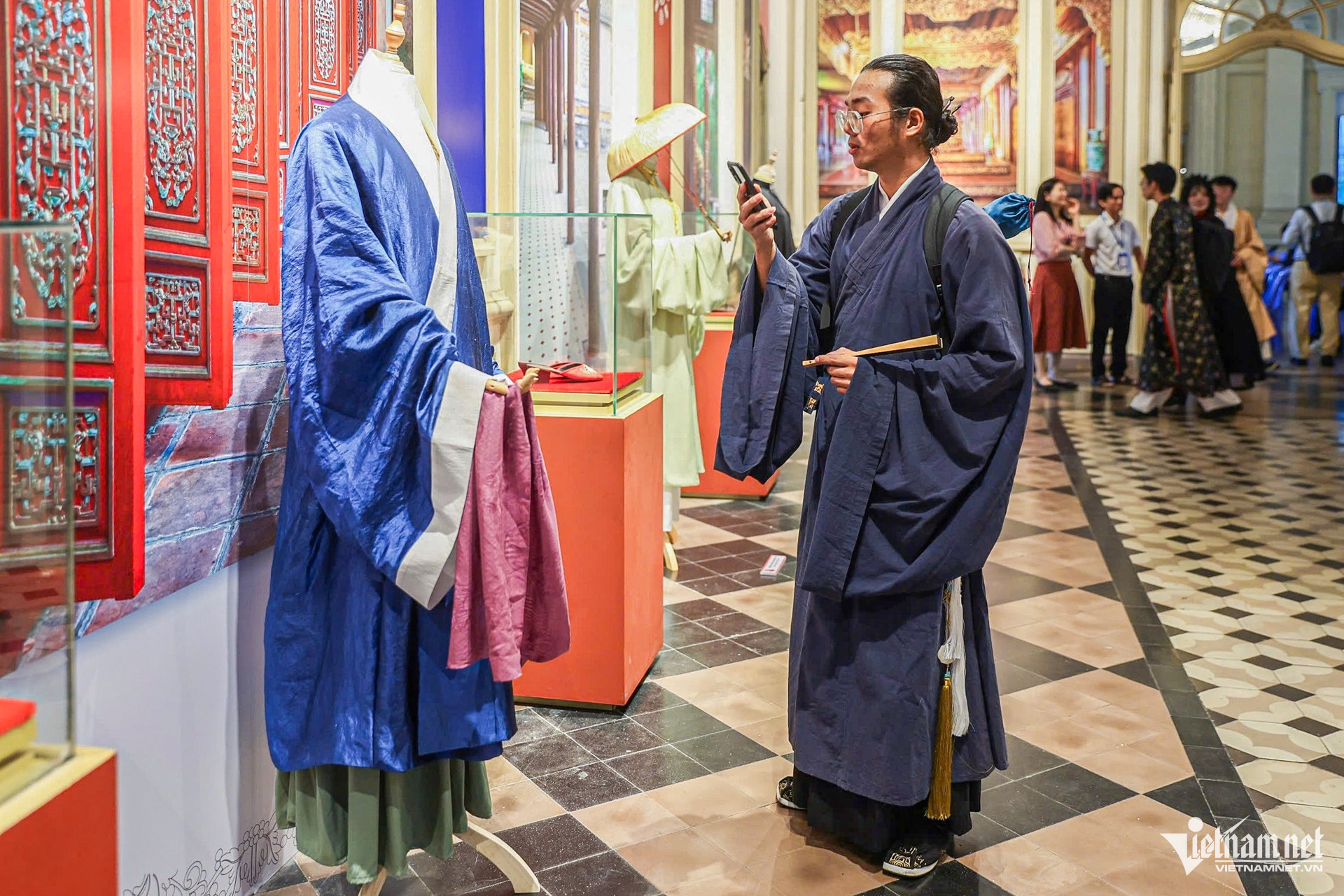
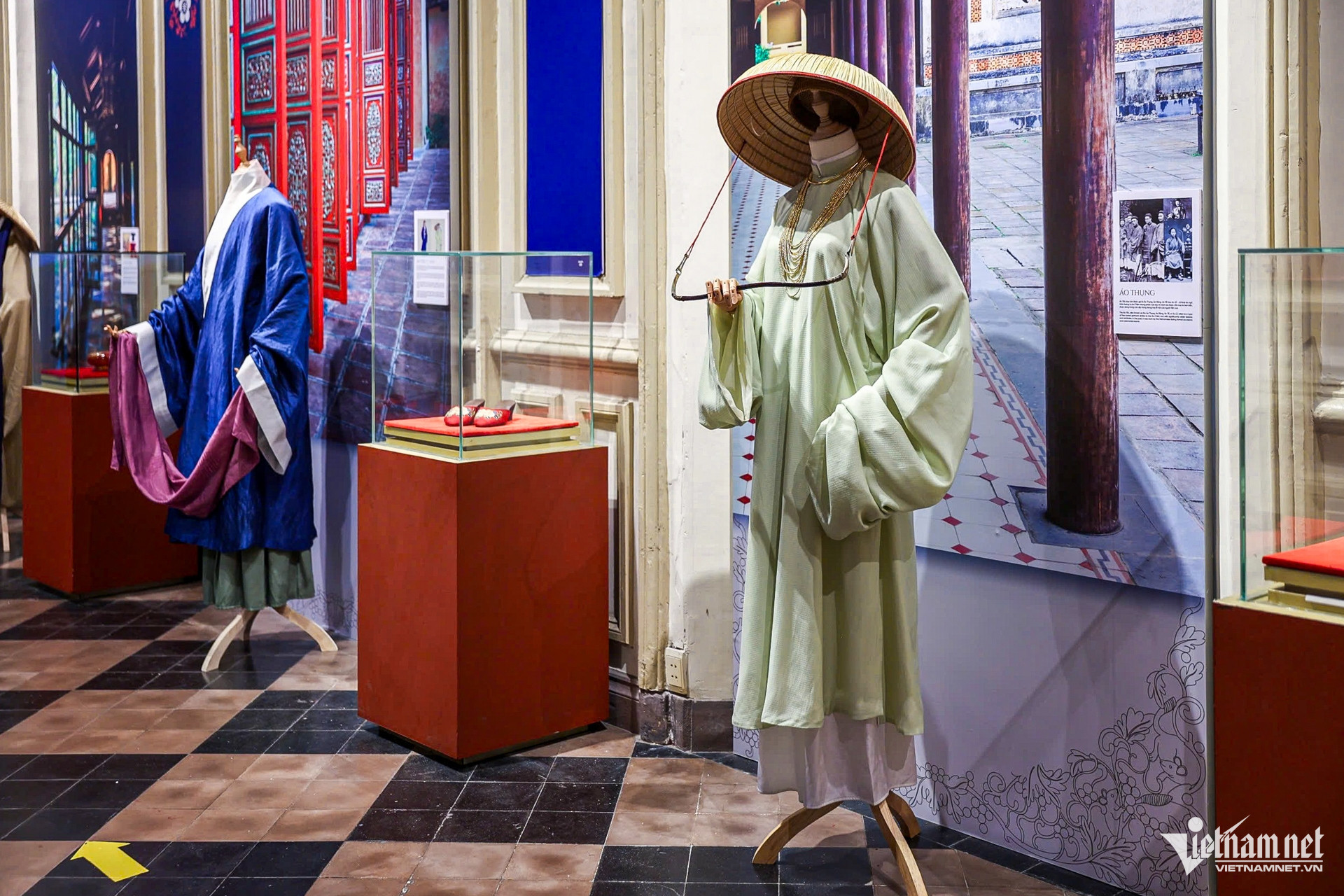
Ceremonial áo thụng and accessories add depth to the showcase.
Nguyen Hue
.svg)
