 Vietnamnet.vn

 Podcast



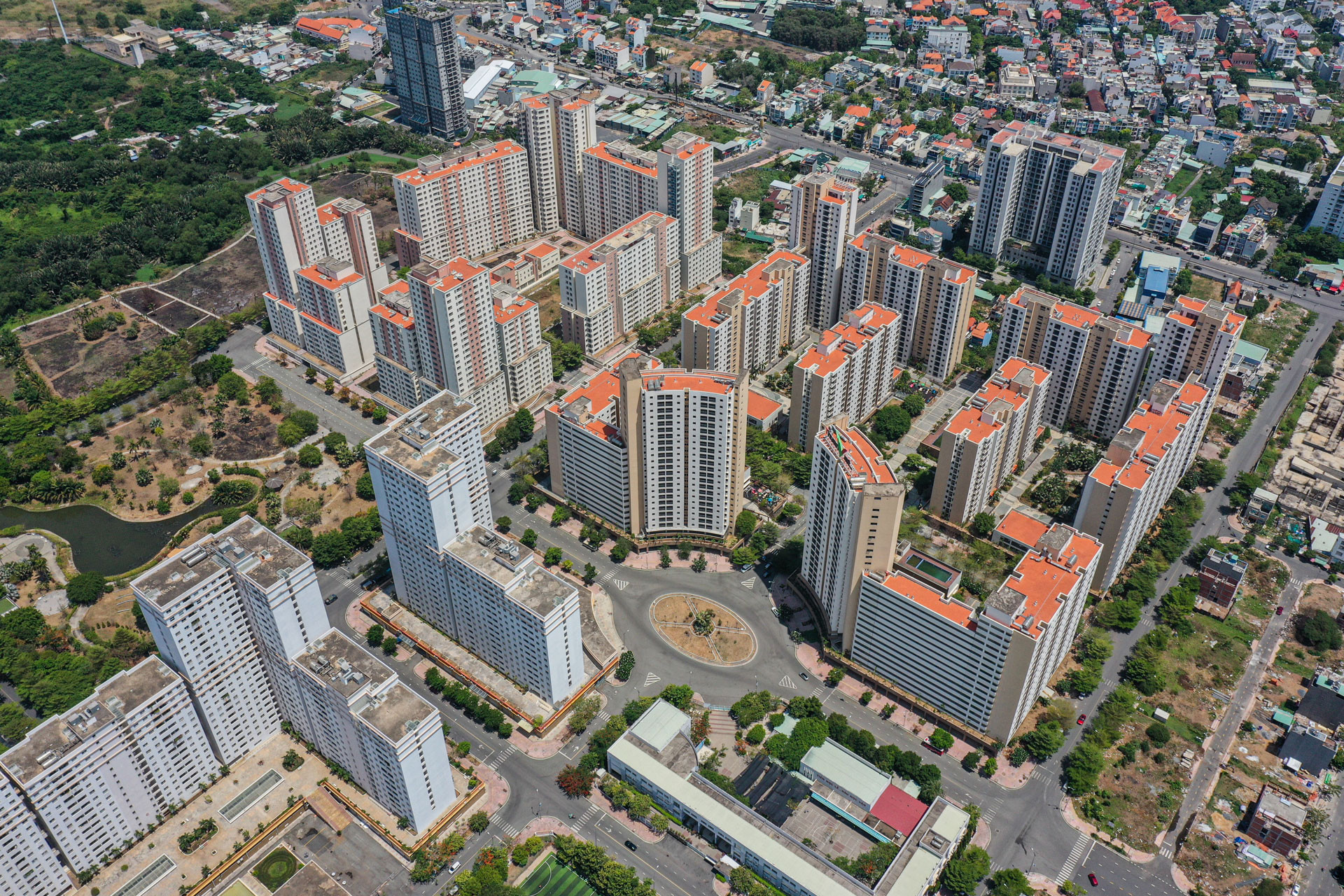
This is seen as a reasonable solution at a time when housing prices in major cities have risen to levels that many studies say would require families to save for decades before they can afford an apartment. For many young people, the dream of homeownership is becoming out of reach.
However, building rental housing is only the first step. The bigger challenge is ensuring that the model can operate sustainably under market principles rather than relying solely on policy support.
For that to happen, tenants must be able to afford the rent, developers must see a viable return, banks must be willing to provide long-term financing, and the government must help reduce costs that the market cannot efficiently address on its own.
How much can tenants afford?
A young couple in Hanoi or HCMC can currently earn an average combined monthly income of around VND24 million.
According to a benchmark commonly used by housing experts, housing costs should not exceed 25 percent of household income. That means a reasonable rent would be about VND6 million per month.
This also reflects the actual affordability level of most young families seeking housing in major cities. If rents rise significantly above this threshold, the market will struggle to expand.
In other words, VND6 million per month is the starting point of the entire equation because beyond that level, households have little room left for other living expenses.
The profitability challenge for developers
On the other side of the equation lies a very different story. Suppose a family rents a 50-square-meter apartment.
According to construction cost benchmarks published by Vietnam’s Ministry of Construction, the cost of building a high-rise apartment building currently ranges from about VND14 million to VND16 million per sqm of floor area.
Converted according to the actual construction area that a 50-square-meter apartment must bear, the construction and equipment costs alone can be at a level of around 900 million VND to more than 1 billion VND.
According to real estate developers, land costs account for approximately 20 percent of the total development cost. As a result, the 50-sqm apartment could carry a total development cost of around VND1.2 billion.
That is not to mention other costs such as interest rates, procedure processing time, and so on.
Meanwhile, a rent level of 6 million VND per month only generates around 72 million VND in revenue per year, equivalent to a gross yield of around 6 percent before deducting operating costs, maintenance, taxes, and periods when the apartment has no renters.
In other words, the rent level that many young families consider relatively high is not necessarily a level that brings attractive profits to investors.
That is why many enterprises state that rental housing projects need up to 30 to 40 years to recover capital, while a housing project for sale can recover the majority of capital after just a few years.
In a market economy, capital flows will naturally tend to go to places that bring higher efficiency and faster turnover.
State responsibility
The State is the most important, decisive link. According to social housing development enterprises, land costs currently can account for around 20 percent of the apartment cost price. That indicates land policies can create a massive difference for the financial efficiency of a rental project.
If the State waives land use fees or offers land incentives, the cost of developing rental housing can decrease significantly, thereby creating conditions to form lower rent levels.
In the rental housing model, the role of the State is to reduce costs that the market finds difficult to solve on its own, from land, infrastructure, and procedures to the financial framework, so that renters, enterprises, and banks can meet each other at a reasonable price.
Bank loans
While the State solves the land problem, banks solve the capital problem.
A rental housing project with a capital recovery period of 30 to 40 years is a very different type of asset compared to real estate projects for sale. Meanwhile, the Vietnamese financial system currently still relies mainly on short and medium-term capital sources.
To put it simply, the financial system must be able to provide long-term loans with a stable interest rate of around 4 to 5 percent throughout the project lifecycle.
Tu Giang
.svg)
