 Vietnamnet.vn

 Podcast



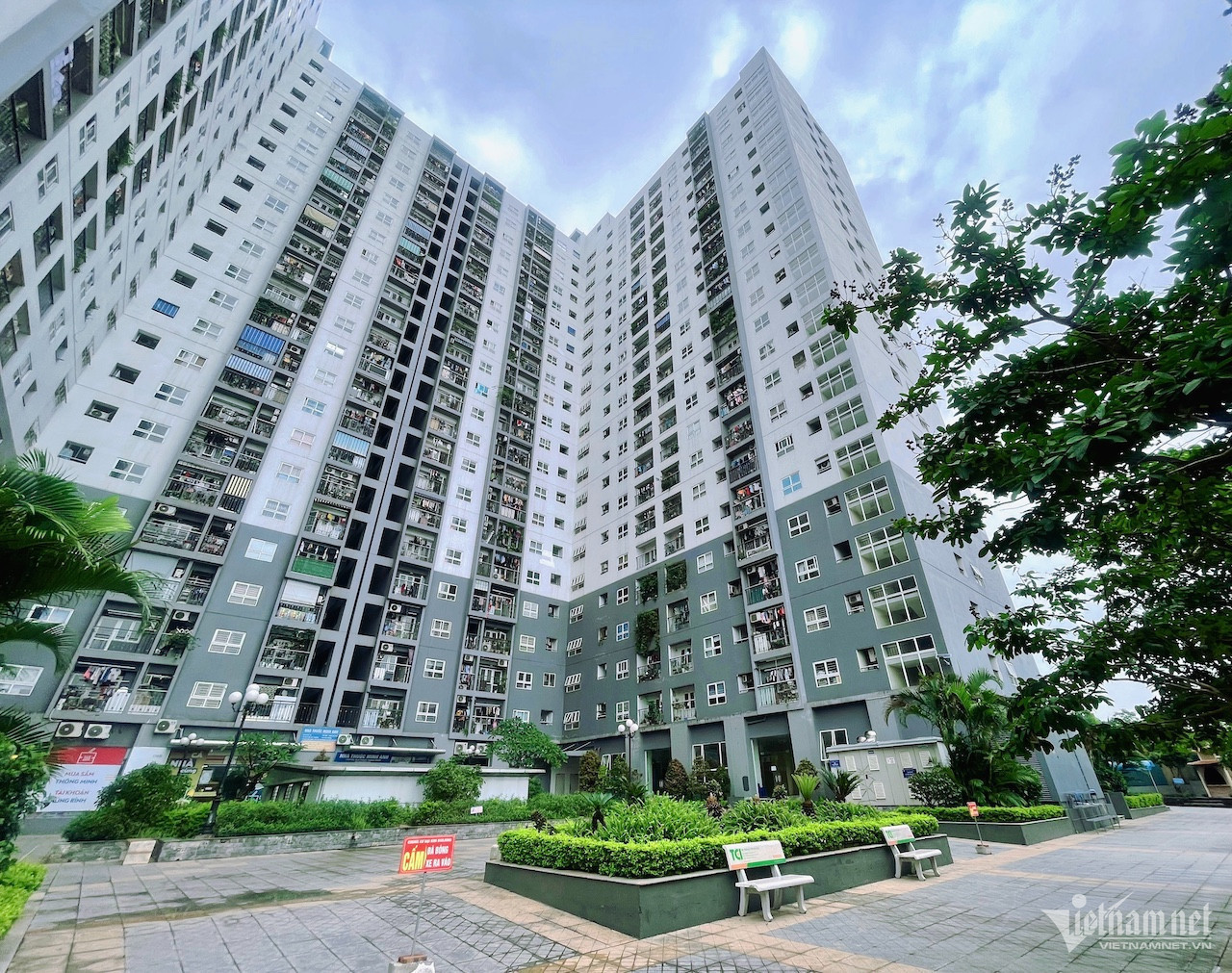
Prime Minister Le Minh Hung recently issued a series of directives aimed at driving large-scale rental housing development in Hanoi. This represents far more than a mere real estate policy; it is a matter of social welfare, workforce stability, and the future of urban development.
However, without private sector participation, this model is highly susceptible to capital shortages, rapid deterioration, and operational inefficiencies.
When housing becomes speculative tool
Following the 2008 financial crisis, many nations realized the severe consequences of allowing housing to turn into a speculative vehicle. In the US and Europe, lax lending practices combined with speculative capital inflows created massive real estate bubbles. When these bubbles burst, millions lost their homes, financial systems reeled, and economies plunged into prolonged recessions.
In light of those lessons, many countries began shifting their mindset. Housing must no longer be treated merely as a commodity bought and sold for profit; it must return to its core function of serving residential needs.
Singapore stands as a prime example. The city-state levies heavy taxes to curb speculation.
Similarly, Australia, Canada, and New Zealand have drastically tightened regulations on foreign homebuyers while imposing steep taxes on vacant, abandoned properties. The ultimate goal is to force real estate into productive use rather than letting it be hoarded for price appreciation.
These experiences offer deep food for thought for Vietnam.
Rental housing is not just for the poor. Many developed countries treat rental housing as a normal part of the urban system, not a temporary solution for low-income people.
In Germany, approximately 60 percent of the population rents. In France, the social housing system serves both low-income earners and the middle class. Rental housing is seen as part of urban development and long-term social security policy.
The common denominator among most successful global models is synergy between the State and private enterprises. The State usually takes on the hardest parts: planning, land, infrastructure, legal frameworks, and long-term financial support. Meanwhile, private developers take charge of construction, operations, and project maintenance.
Relying solely on the public budget makes it incredibly difficult to generate hundreds of thousands of high-quality rental units that operate sustainably over decades. Conversely, leaving the market entirely to its own devices prompts developers to prioritize profit, leaving low-income groups neglected. Thus, the public-private partnership (PPP) model emerges as the ideal solution to balance interests.
Many countries have applied a fairly effective approach: the State provides clean land, long-term credit support, or tax incentives, and businesses invest in construction and professional management. Some places also allow developers to sell part of the commercial units to offset costs for the low-cost rental housing fund.
The Government’s policy to develop rental housing is opening a big opportunity for Hanoi to restructure its urban space. But if done without careful calculation, the city could easily repeat the mistakes of other countries.
The biggest thing to avoid is locating all low-cost housing far from the city center, where public transport and jobs are lacking. When workers must travel very far each day, real living costs rise and quality of life drops sharply.
Instead, projects should be tied to metro lines, industrial parks, universities, and major job centers. Rental housing must be seen as part of transport planning and economic development, not just a construction project.
Regarding housing design, it’s not necessary to build oversized, expensive apartments. Models of small, functional units with reasonable shared spaces like those in Japan may be more suitable for young people and migrant workers.
Speculation must be controlled
A highly likely paradox is that while the State exerts great effort to develop rental housing, idle capital in society continues to flow aggressively into property speculation. This trend will permanently drive market prices upward. Therefore, expanding rental housing must go hand in hand with stringent anti-speculation measures.
Vietnam needs to study progressive taxation on multi-property owners, tax vacant homes, and ensure transparency in land ownership data. It is also necessary to establish long-term investment funds to mobilize public capital into professional rental projects rather than short-term land flipping. These funds should be exempted from corporate income tax if they invest directly in social housing, thereby creating a stable, financing channel.
The State Bank of Vietnam needs to design long-term credit packages with stable interest rates for this sector. Rental housing cannot thrive on short-term capital and highly volatile interest rates. Experiences from Brazil and South Africa show that 20-to-30-year fixed-rate loans are a prerequisite for successful PPP projects.
Hong Khanh
.svg)
