 Vietnamnet.vn

 Podcast



The 25-year-old Hanoi native chose this nostalgic rail experience to mark her birthday, craving a fresh way to see her hometown and explore the rich traditions of the ancient Kinh Bac region.
“I rode the train with my mom years ago, but I hardly remember it,” Duong shared. “This autumn, I wanted to see Hanoi in a different light, then travel to a peaceful, historic destination. The 45-minute ride was totally worth it.”
A cultural train ride through time
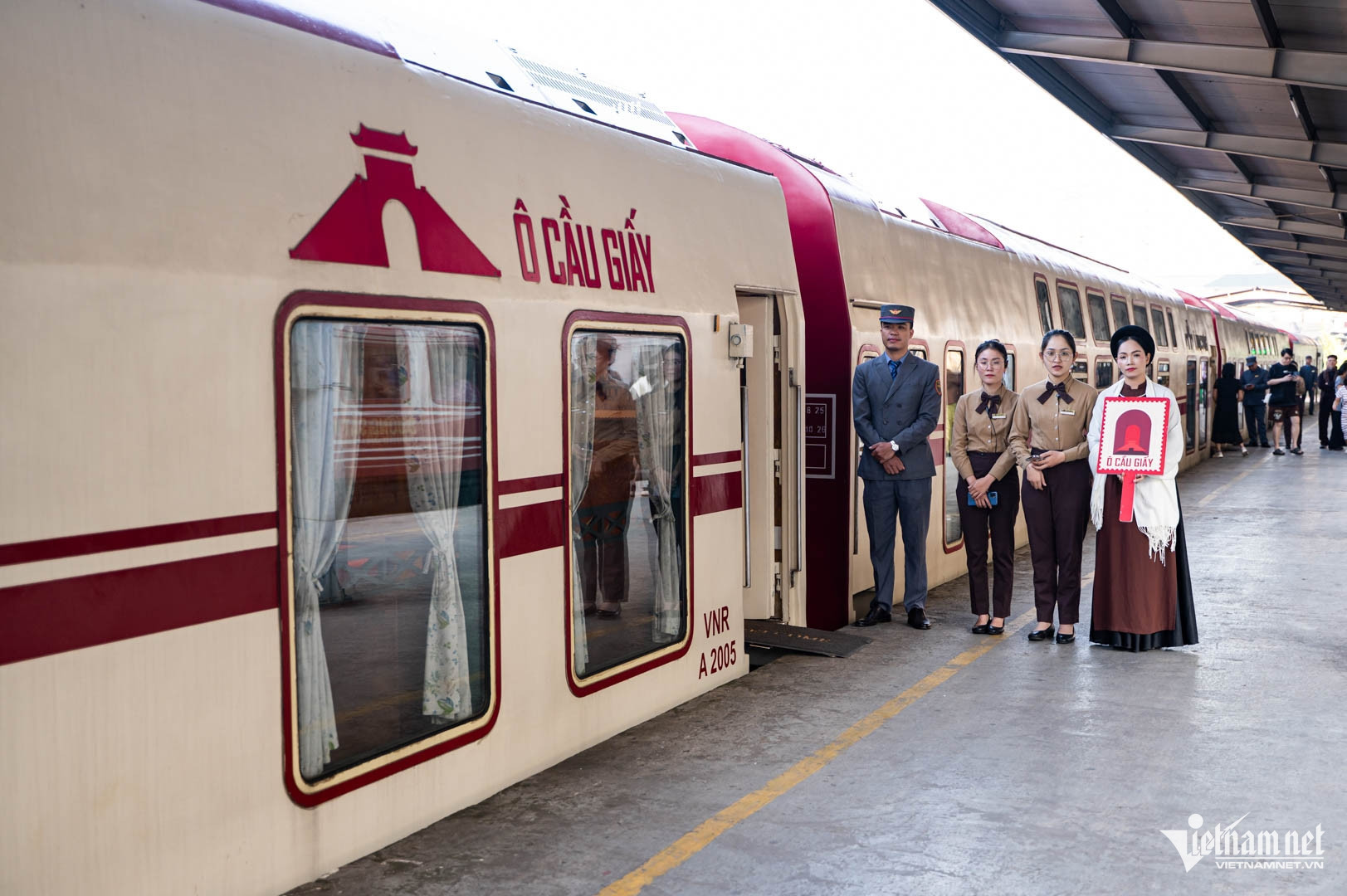
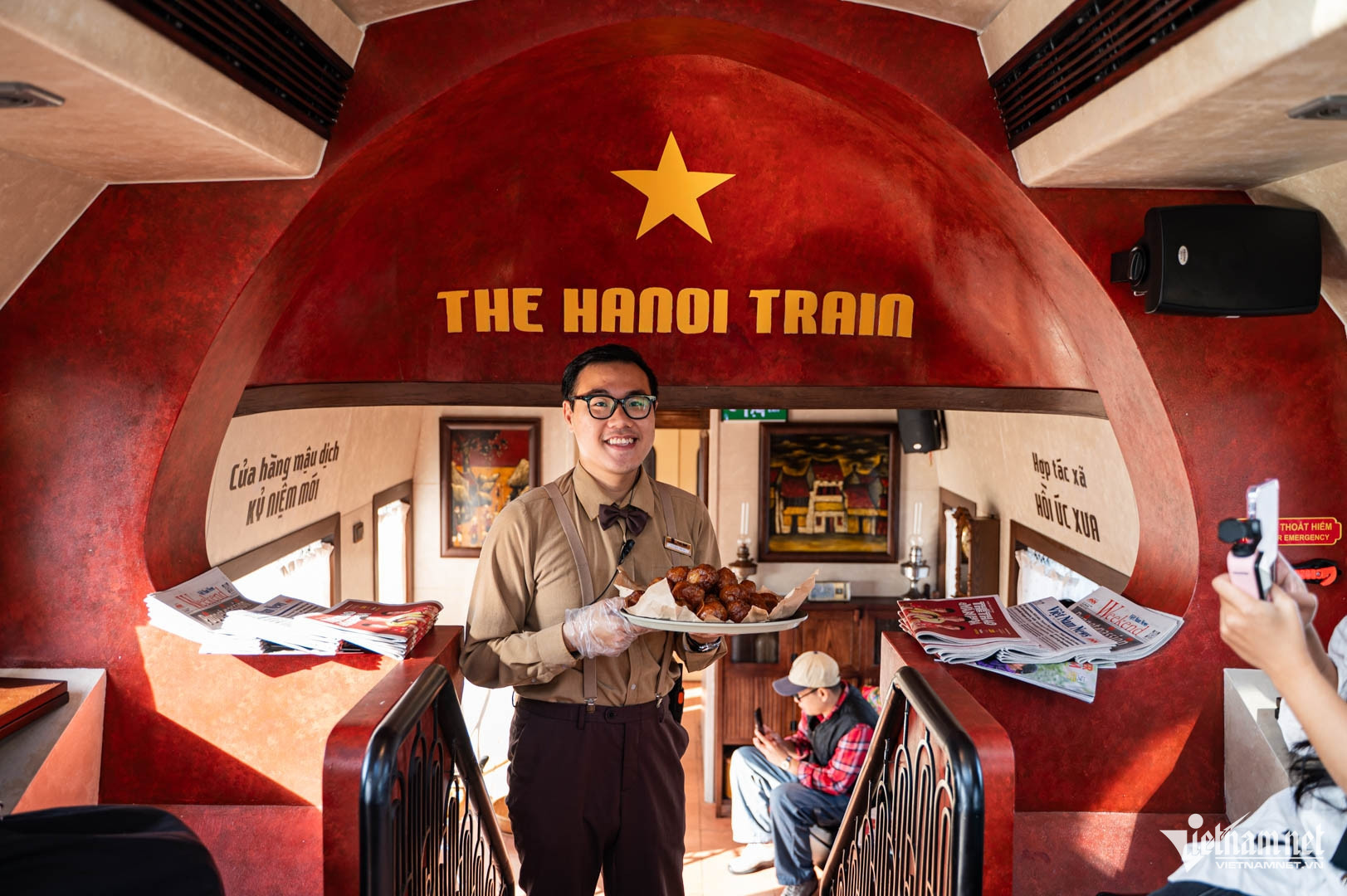
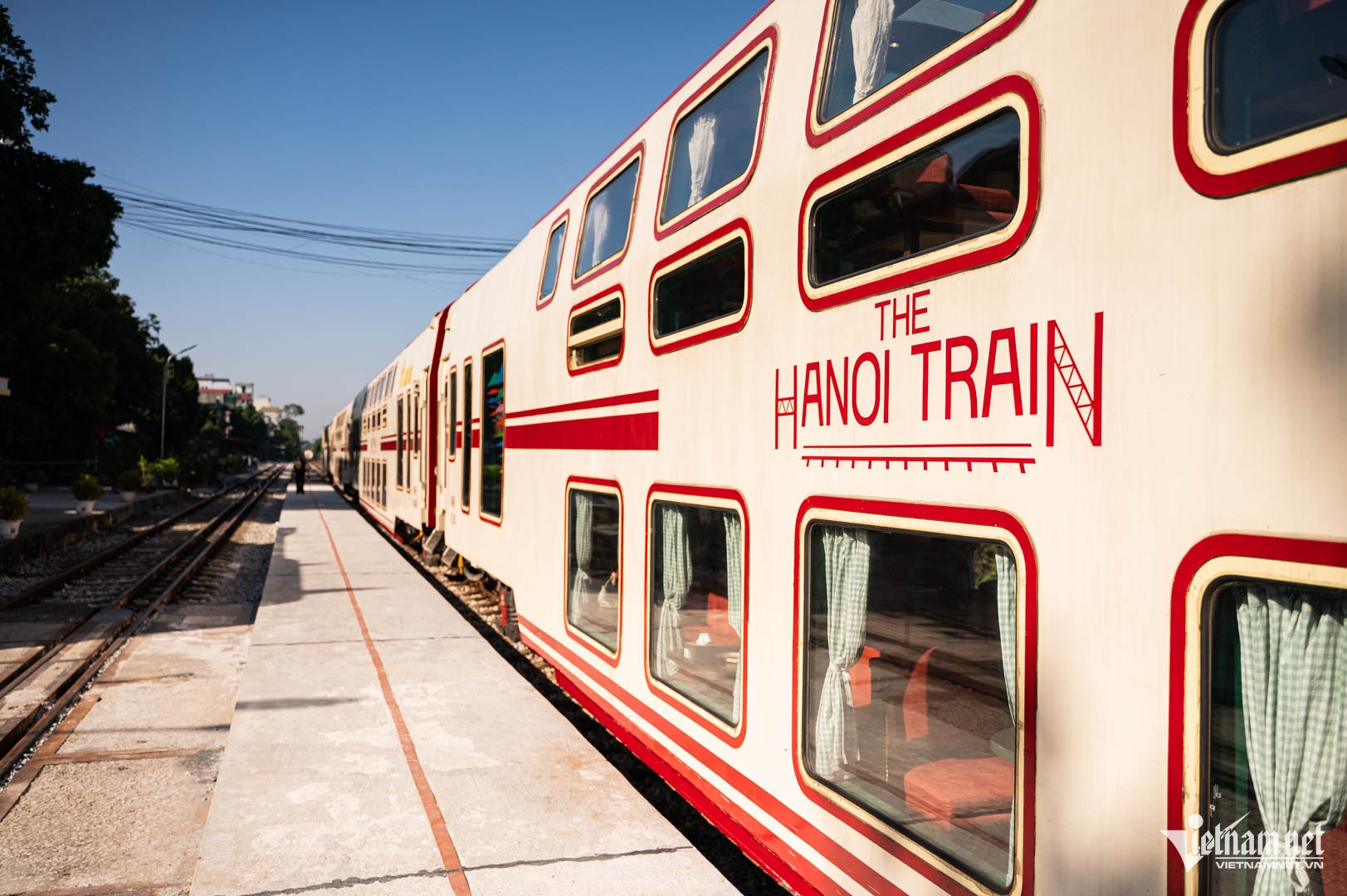
Inspired by Thang Long's old citadel gates - O Quan Chuong, O Cau Den, O Cau Giay, O Cho Dua, and O Dong Mac - the train revives a bygone era with modern flair. In just over two months since its launch, the line has attracted a steady stream of local and international tourists.
The train departs daily at 8:00 and 13:30, offering a short but immersive journey from Hanoi’s bustling center to the quieter streets of Tu Son.
Round-trip ticket prices range from 550,000 VND to 750,000 VND (USD 22–30), depending on seat location and train car. Children under six ride free, while kids aged 6–9 receive a 10% discount.
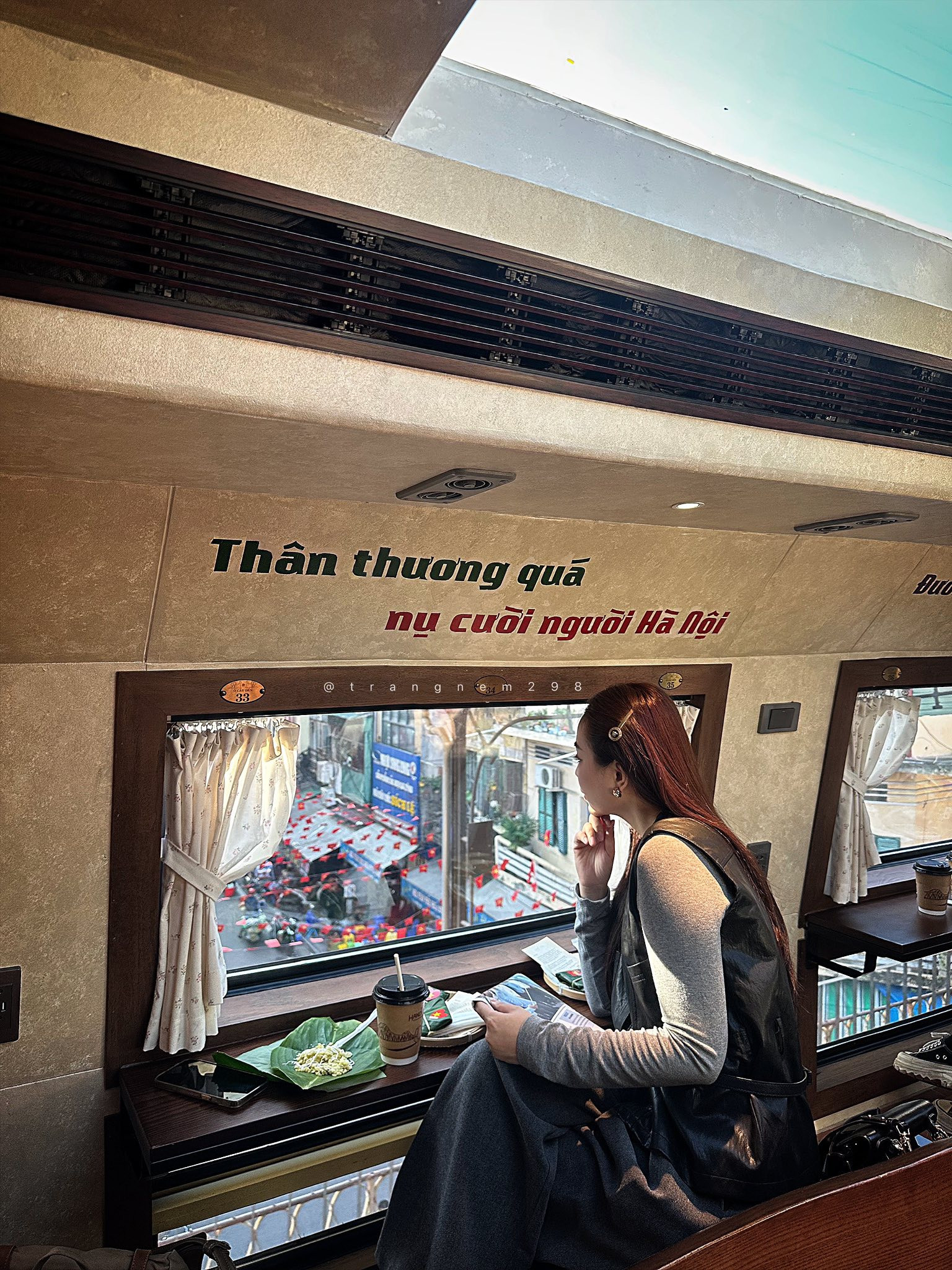
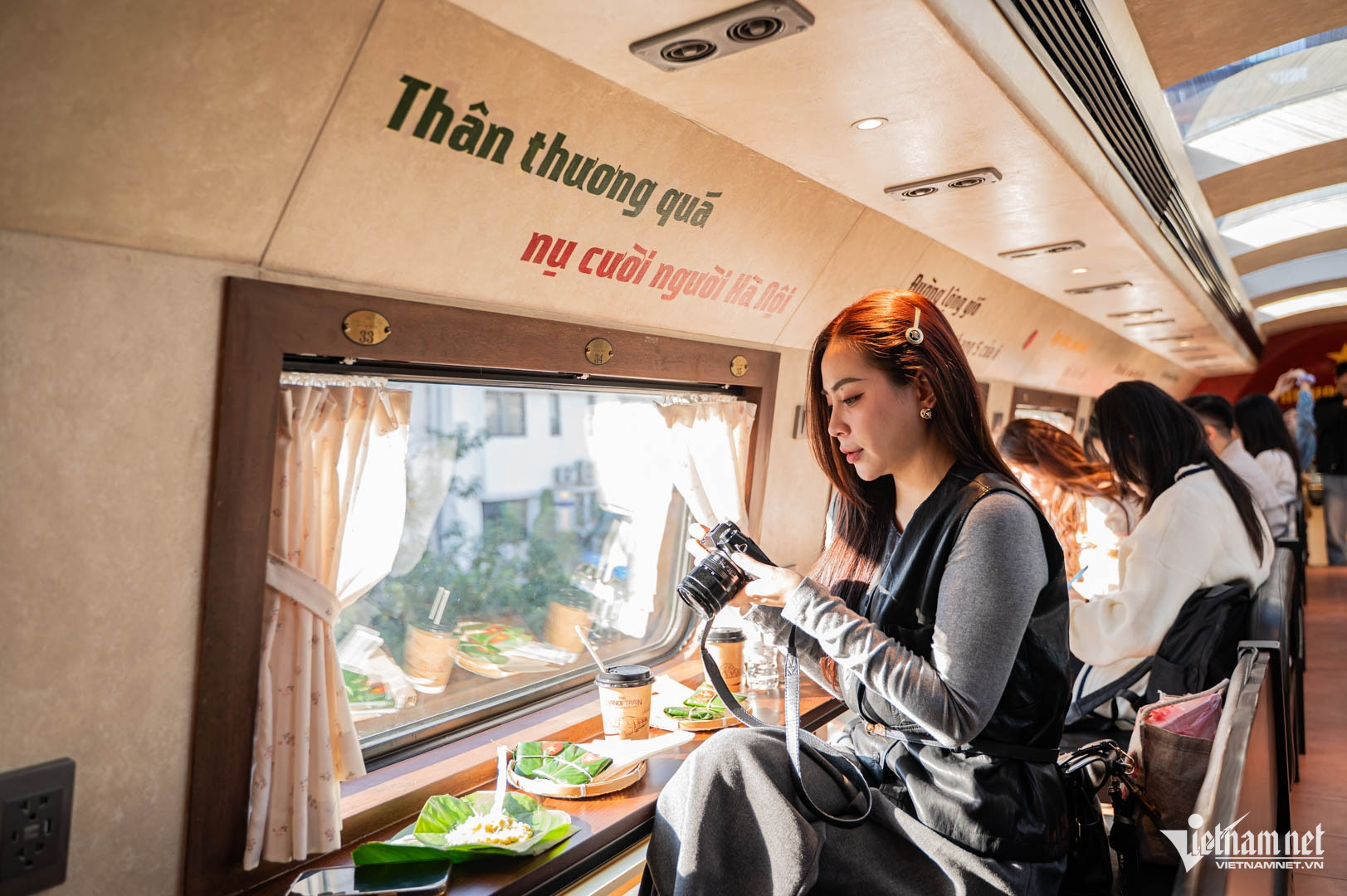
Duong chose the Ô Cầu Dền car and wore a traditional áo dài for a classic, photogenic look. All seats are placed next to windows, allowing passengers to take in uninterrupted views of Hanoi’s changing scenes - from chaotic intersections to quiet riverside streets.
“It’s surreal to glide through the heart of the city without worrying about traffic or red lights,” she said.
Vintage vibes and folk melodies
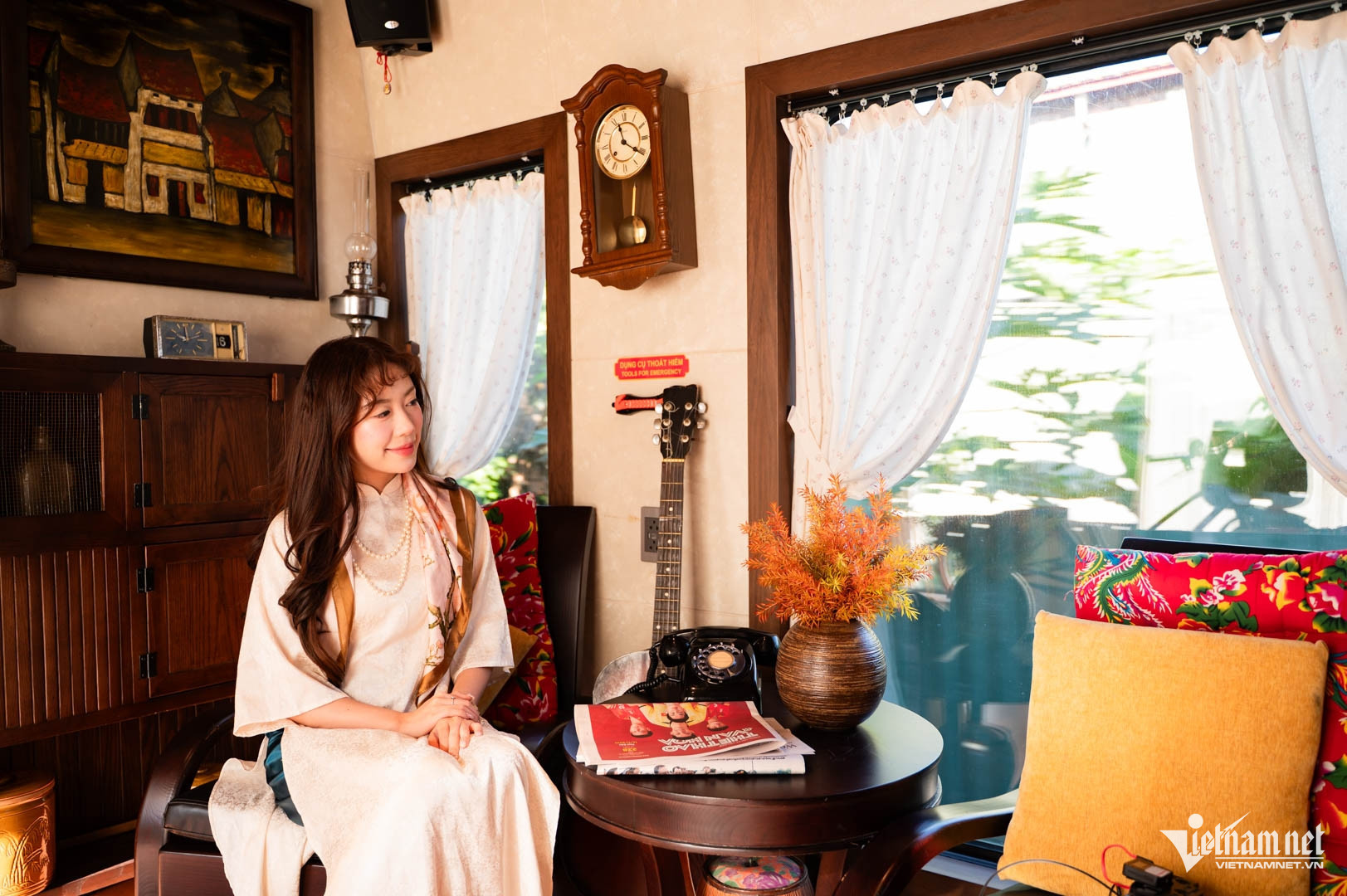
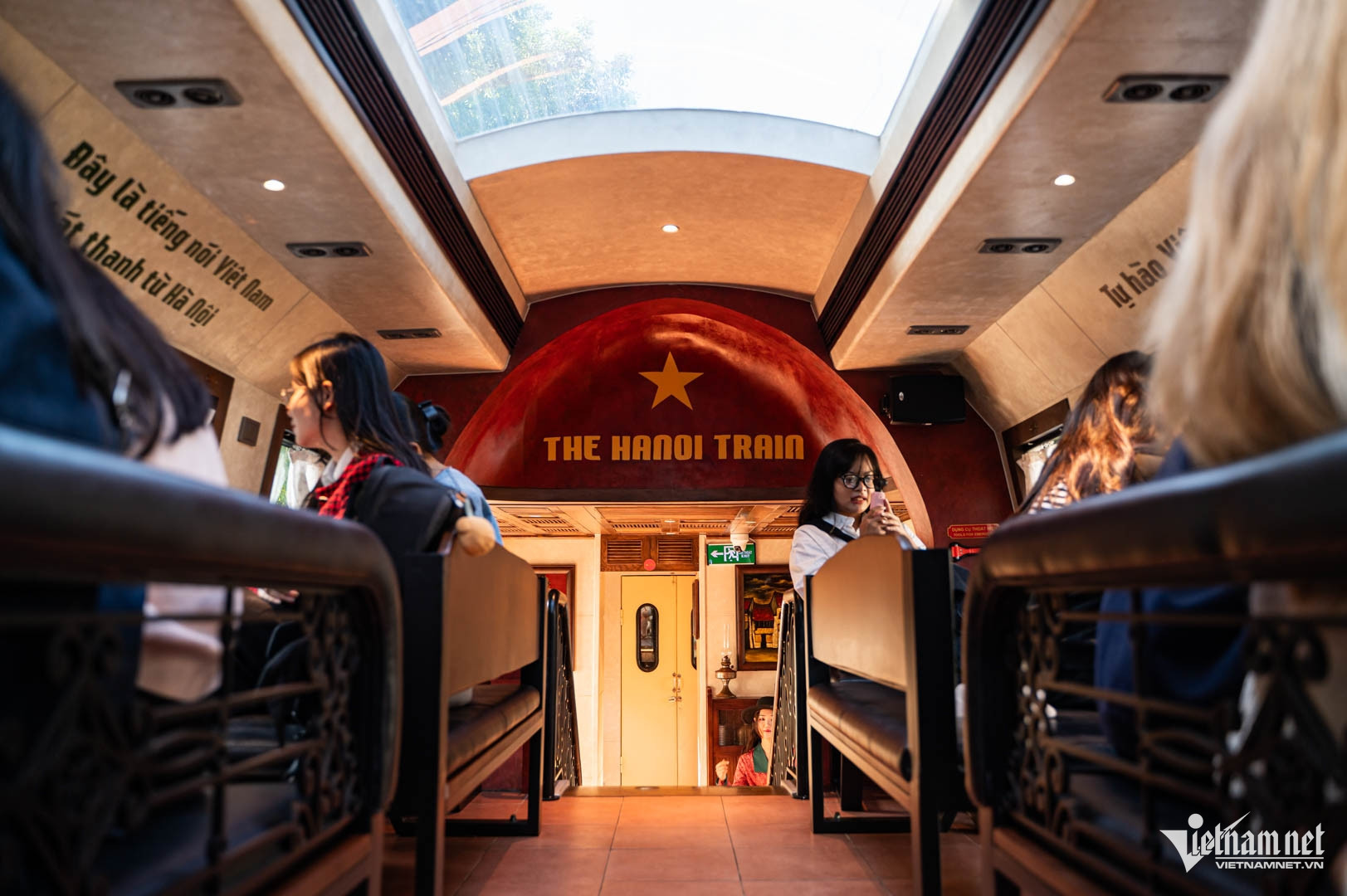
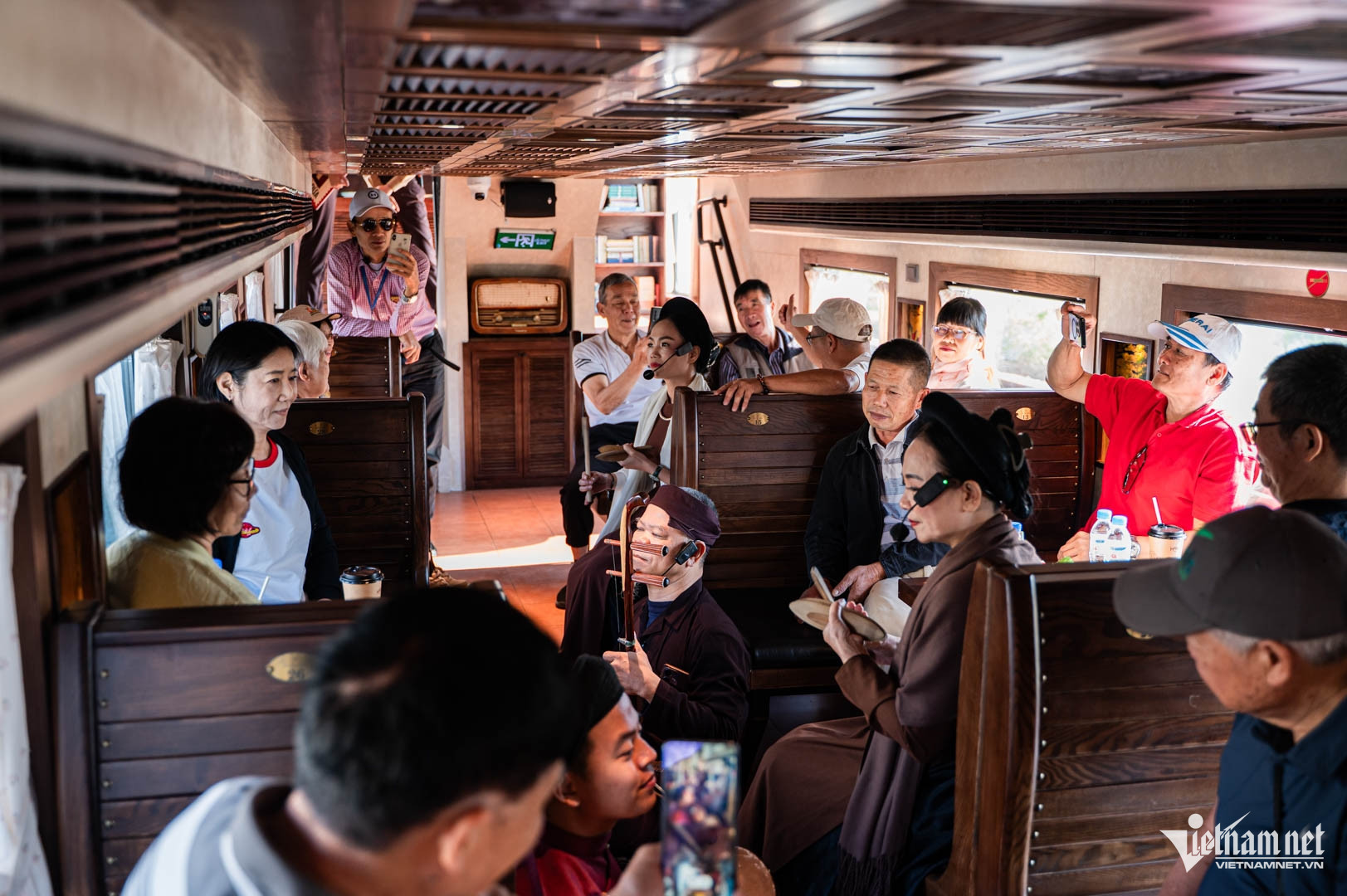
Each train car features vintage wood interiors with soft lighting and retro-inspired décor, creating a warm atmosphere that feels like stepping back in time.
Large, unobstructed windows frame Hanoi’s textured landscape: rust-tinted rooftops, lively markets, and glimpses of the gentle Red River.
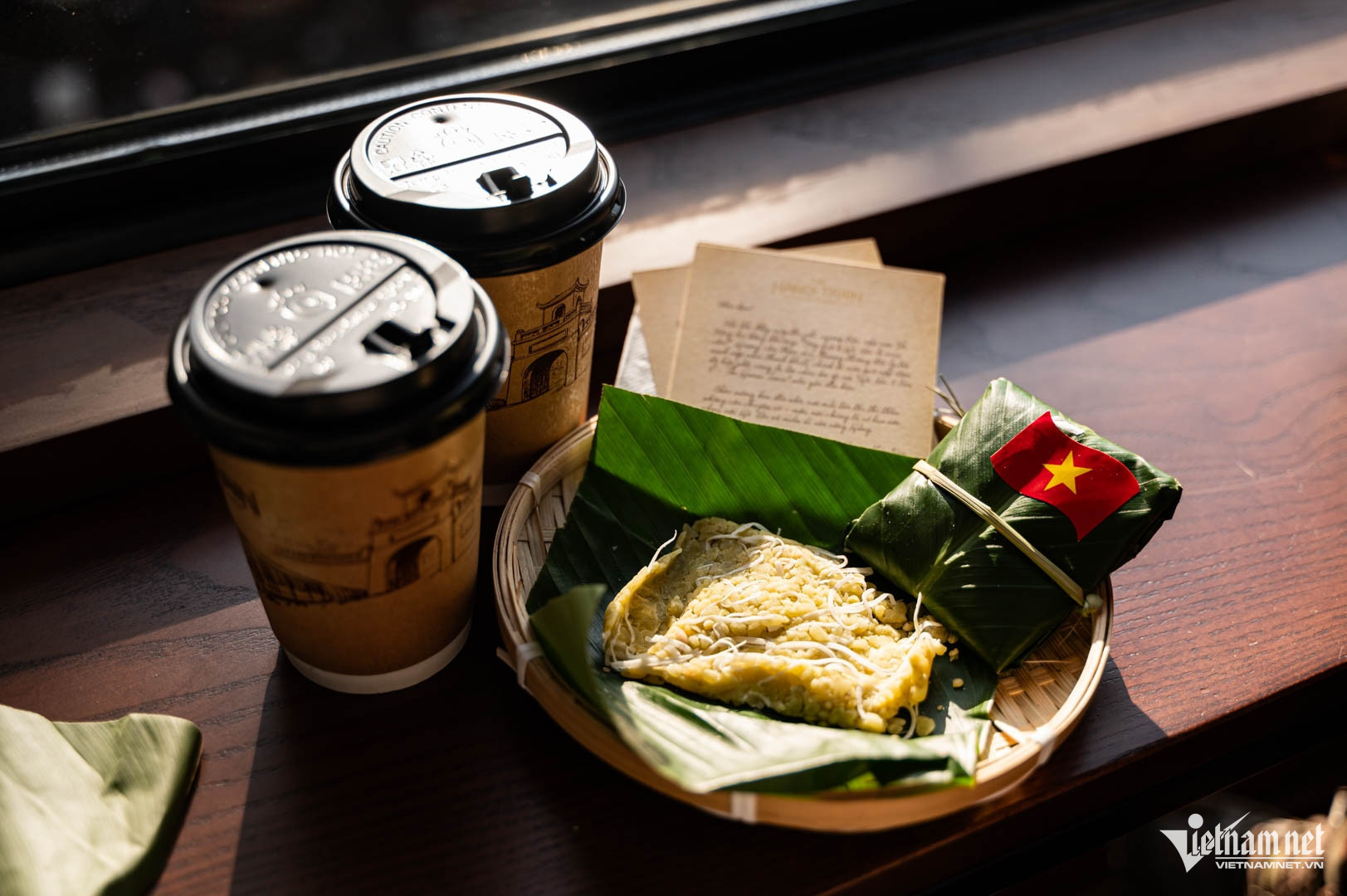
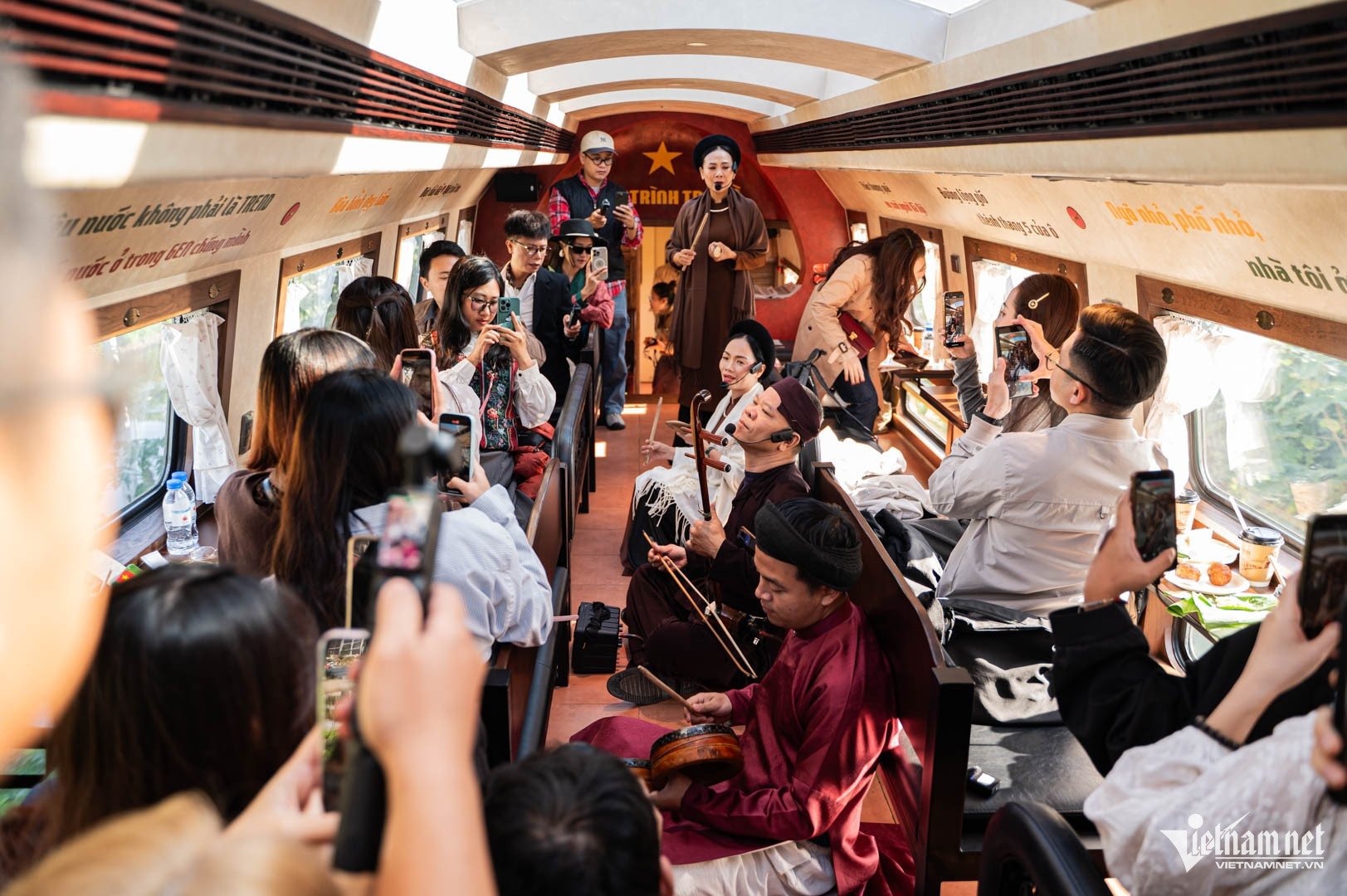
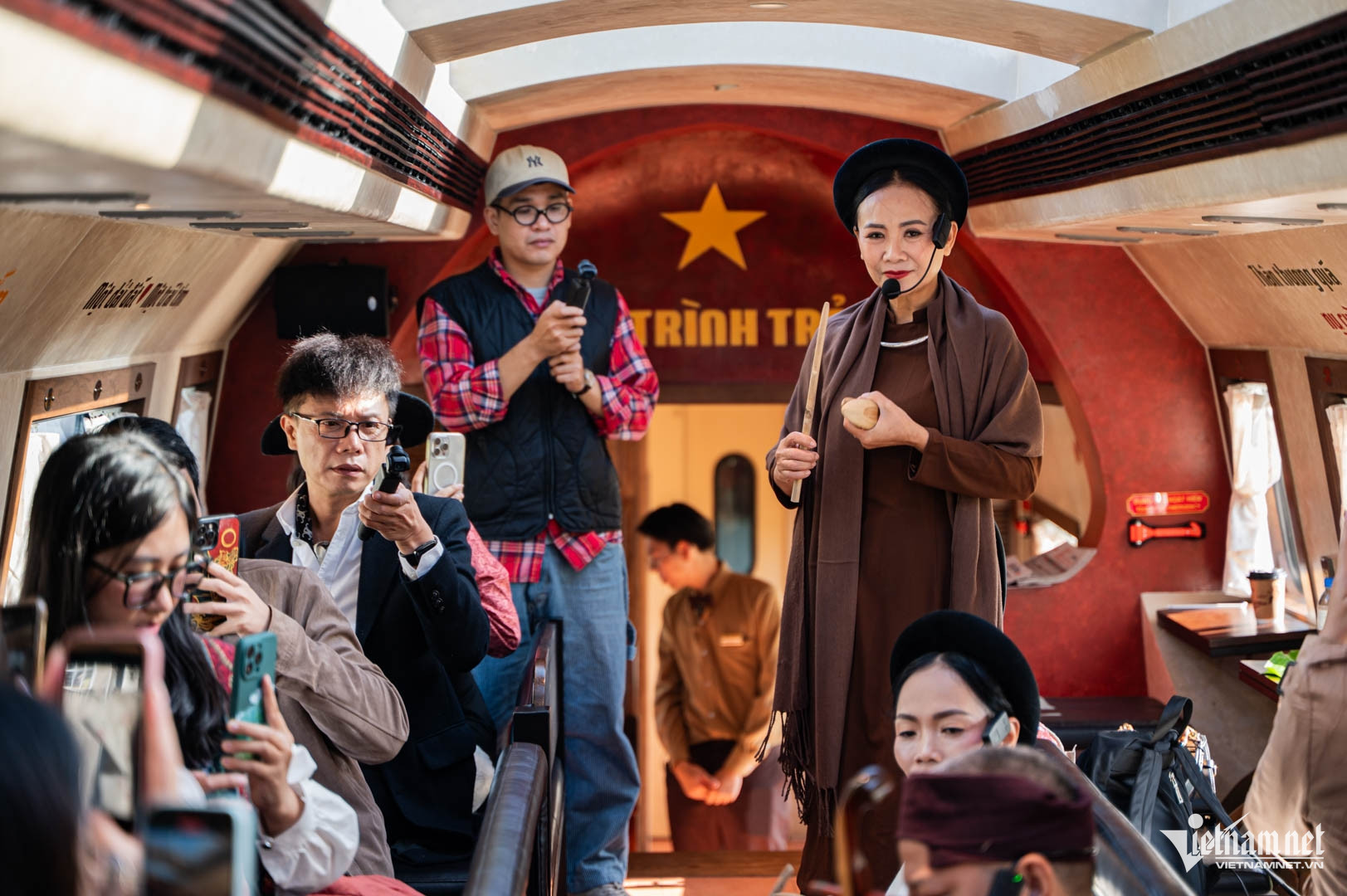
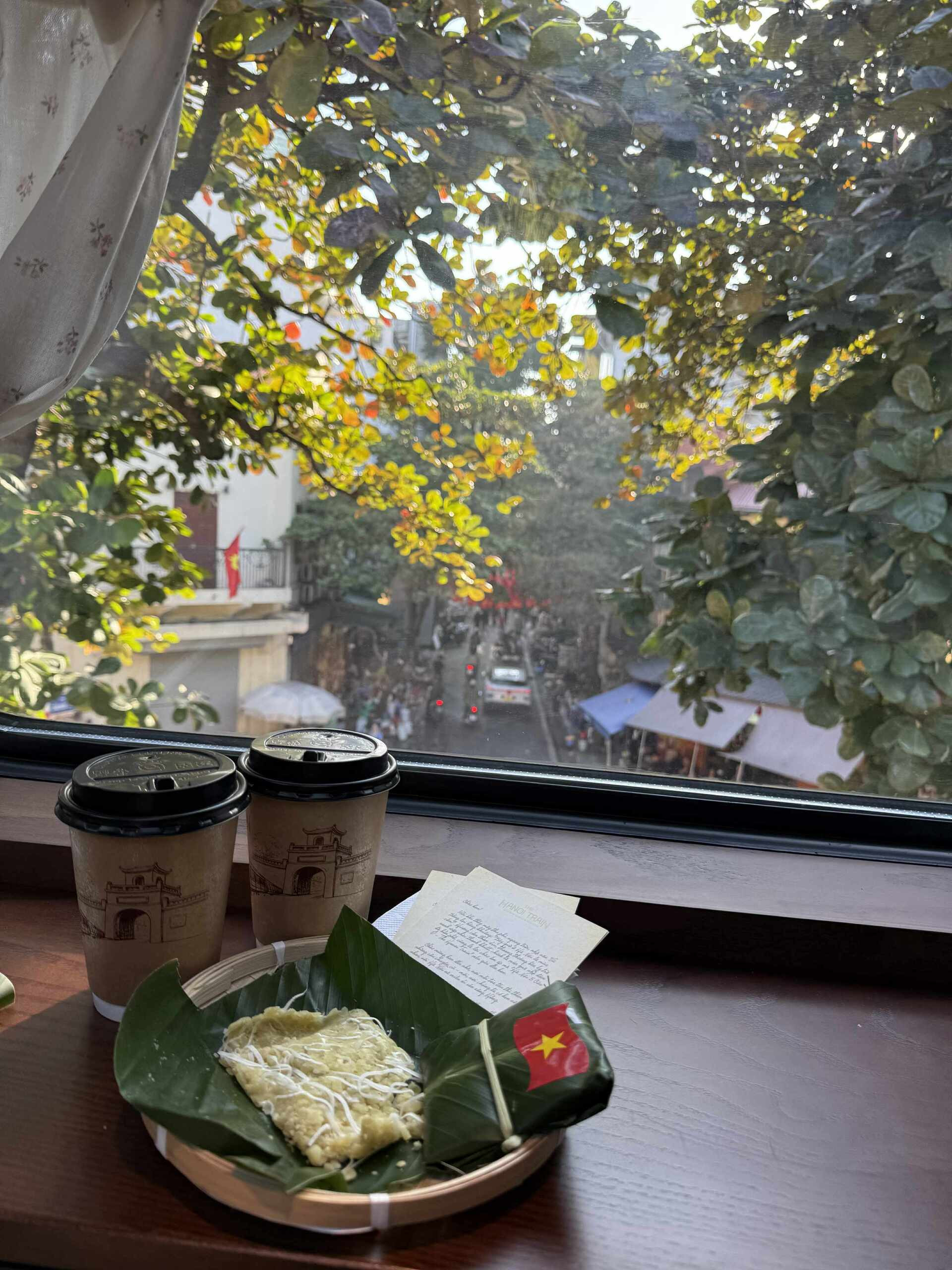
On board, guests are served traditional snacks like green rice sticky rice, sweet doughnuts, and longan blossom tea. But beyond refreshments, the real treat is cultural: passengers are serenaded with live performances of quan ho, ca tru, cheo, and hat xam - age-old folk genres performed right on the train.
“I’ve taken trains across the world,” said Nguyen Hong Thu Trang, another Hanoi resident, “but this was special. From the architecture to the music, every detail reflects Hanoi’s soul.”
She praised the train’s onboard narration, which blends humor with historical anecdotes, making the ride informative and entertaining.
Trang plans to recommend the experience to visiting friends and tourists, calling it “a perfect mix of history, art, and emotion.”
A sacred stop in Kinh Bac
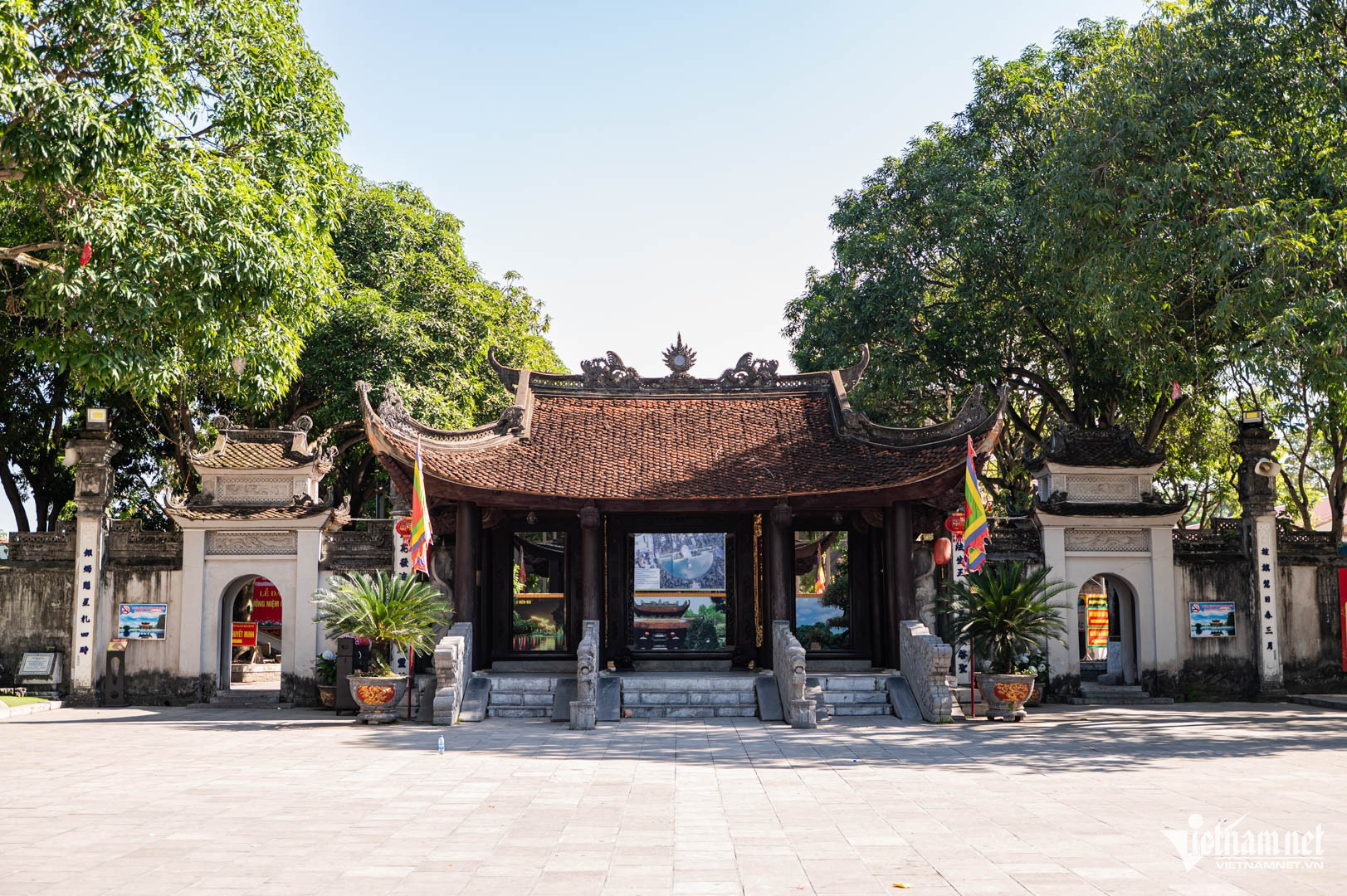
The journey’s highlight is a stop at Den Do, a national heritage site that honors eight emperors of the Ly Dynasty. Located in Bac Ninh, the temple is surrounded by lush trees, serene lakes, and traditional Northern-style gardens - a peaceful counterpoint to Hanoi’s urban energy.
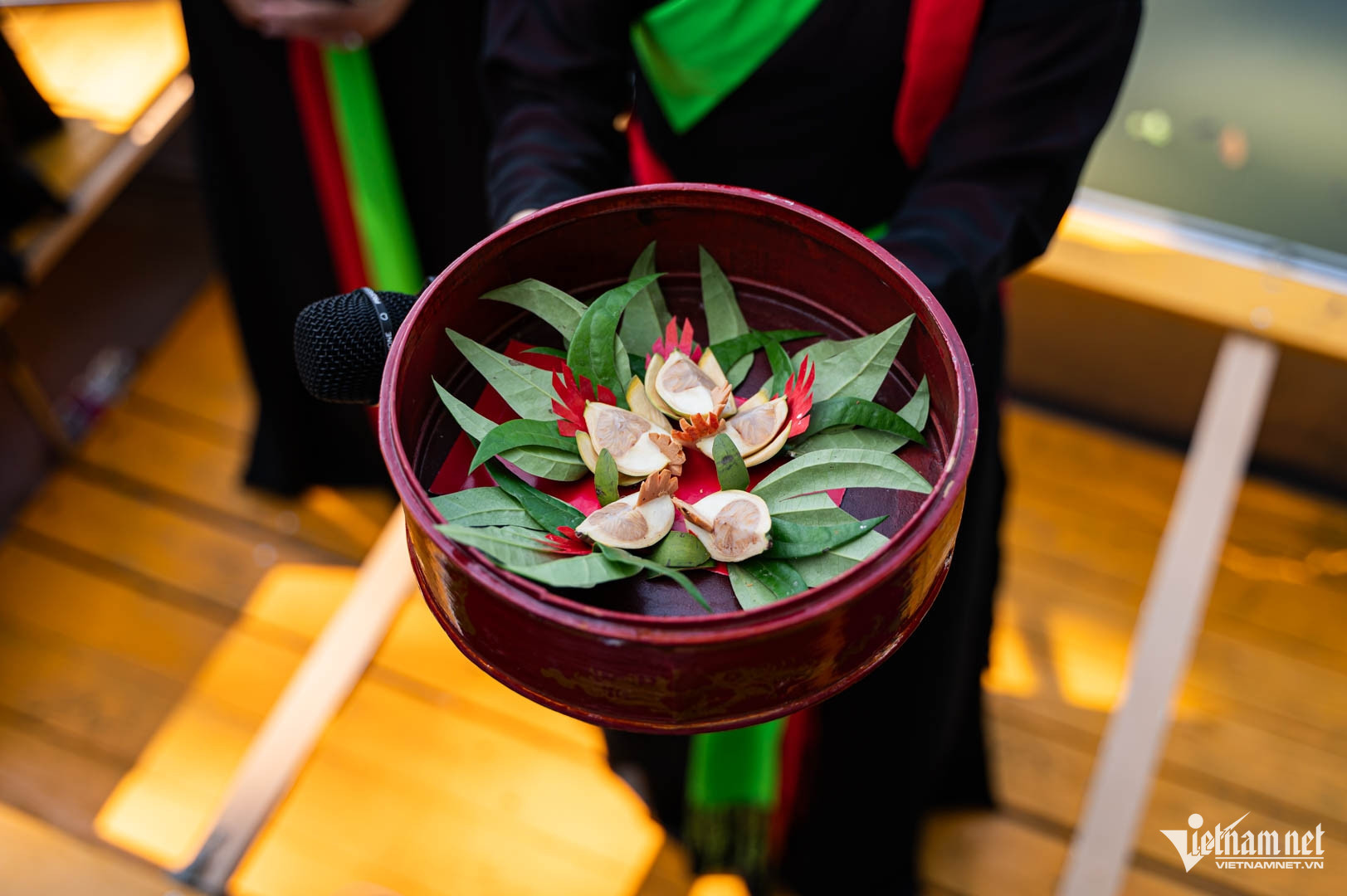
After offering incense in the main shrine, tourists listen to stories about the Ly kings’ legacy and the region’s cultural importance to the Thang Long–Kinh Bac connection.
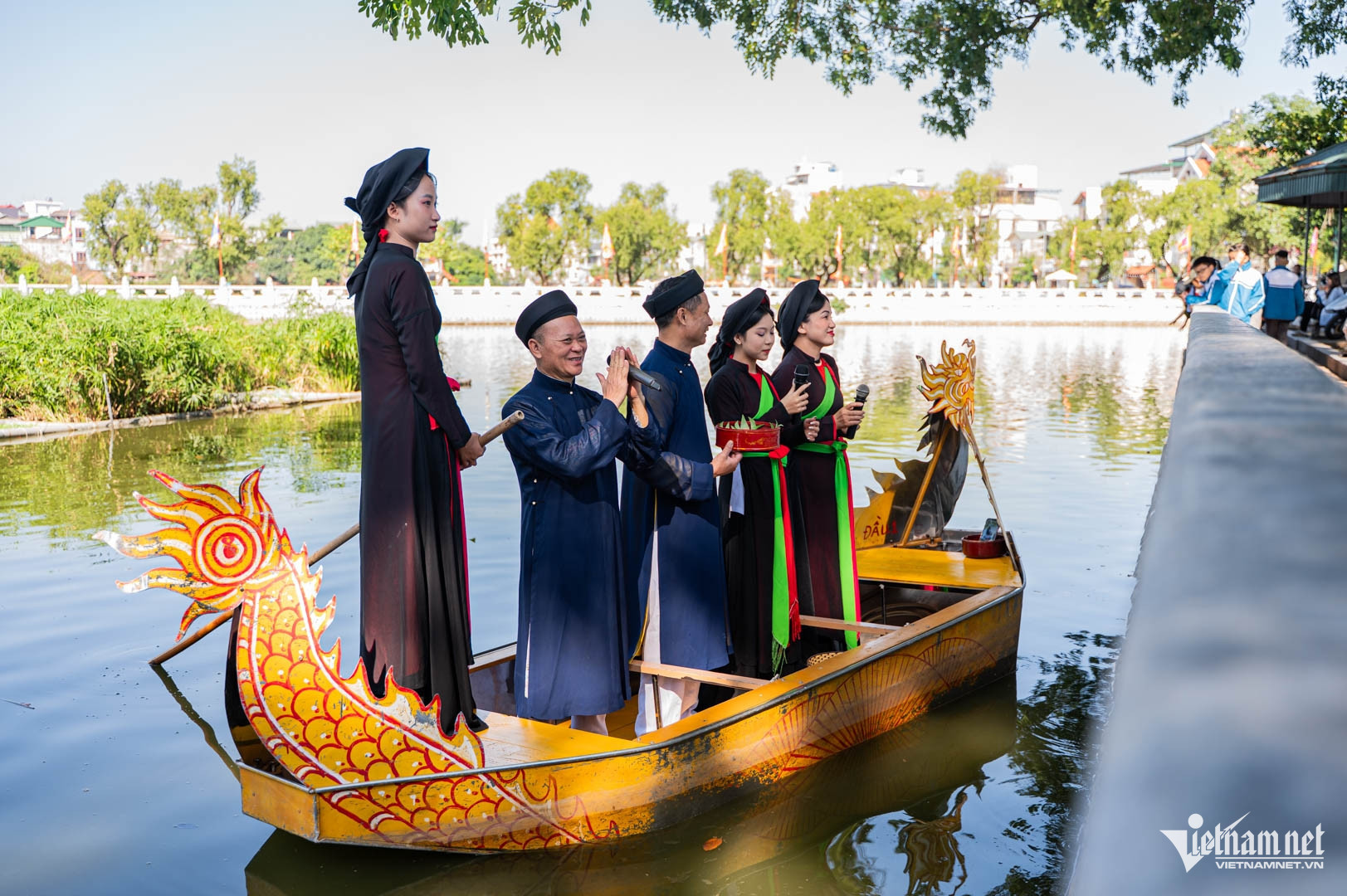
Before boarding the return train, visitors are treated to a live quan ho performance at the lakeside thuy dinh (water pavilion), performed by local artisans in traditional dress - a moving tribute to Vietnam’s intangible heritage.
More than a novelty
According to Dr. Nguyen Van Dap, Deputy Director of Bac Ninh’s Department of Culture, Sports and Tourism, the “Hanoi 5 Gates – The Hanoi Train” is not just a one-off attraction. The province hopes to establish it as a signature tourism product - one that showcases Kinh Bac culture, appeals to young travelers, and promises sustainable growth beyond its initial buzz.
In November 2025, Bac Ninh launched the digital campaign “Go to Bac Ninh”, aiming to amplify its cultural offerings through online platforms and attract a wider audience.
As travelers increasingly seek meaningful, story-rich journeys, the Hanoi–Bac Ninh train may just be the ticket to Vietnam’s next tourism breakthrough - one that runs not just through space, but through time.
Linh Trang & Nguyen Huy
.svg)
