 Vietnamnet.vn

 Podcast


Sacred traditions at risk of losing their spiritual meaning
Across the culturally diverse highlands of northern Vietnam, folk beliefs have quietly shaped family life, clan traditions and village communities for generations, existing alongside formally organized religions.
Yet many of these spiritual practices remain inadequately documented and are not fully reflected in official administrative statistics.
They include beliefs associated with village spirits, territorial guardians, forest spirits and household spirits, as well as the work of traditional ritual specialists known locally as mo, then, tao and cot, who preserve and perform indigenous ceremonies.
Dr. Vi Van An, an ethnologist, pointed to a distinctive practice among the Thai ethnic community to illustrate why such traditions require a deeper and more comprehensive understanding.
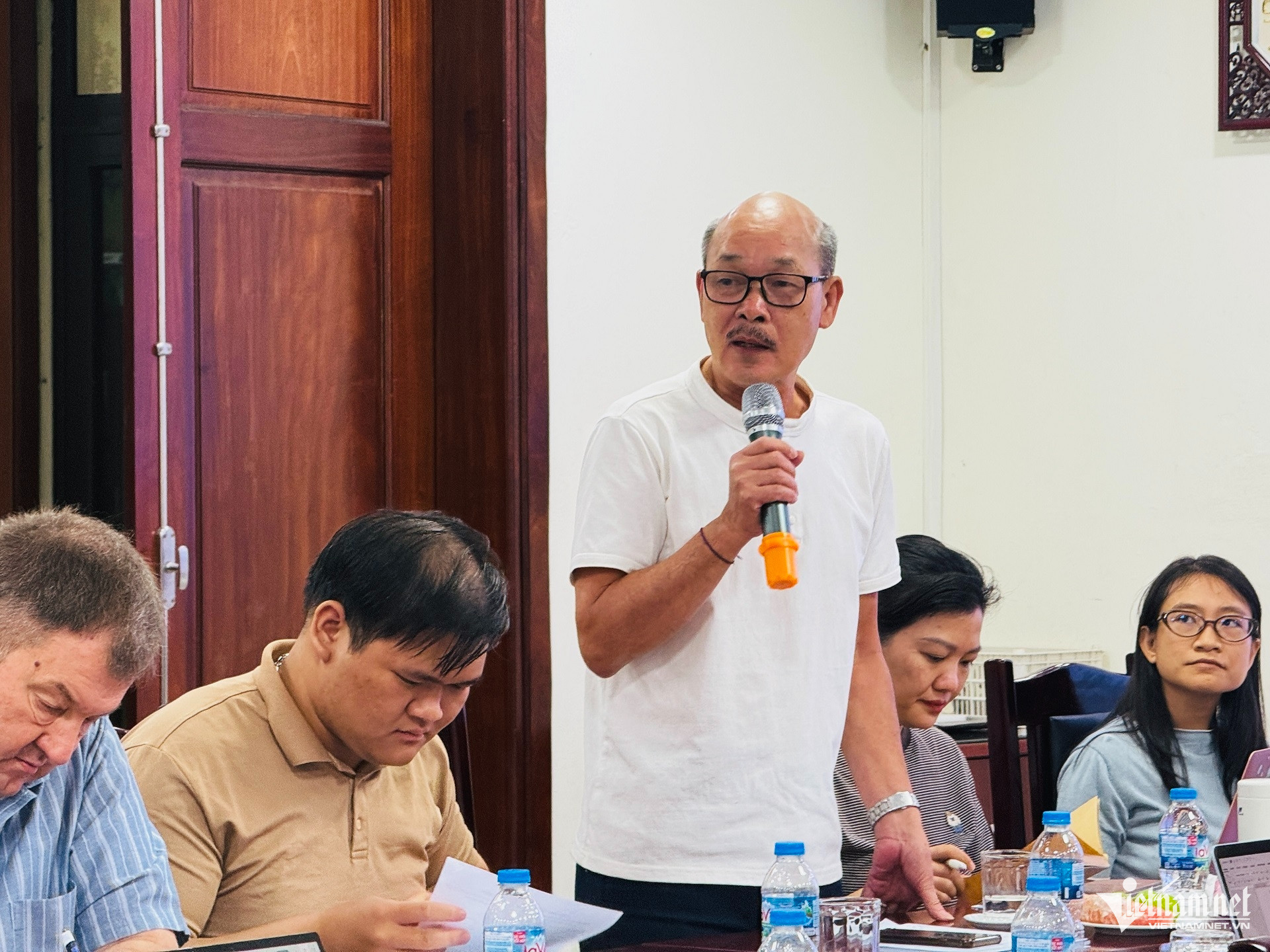
"Unlike the Kinh majority, Thai people do not maintain openly displayed ancestral altars. Instead, they worship household spirits in a corner of the home, where only a plate and a chipped cup are kept throughout the year. Only the head of the household is permitted to approach this sacred space," An explained.
He noted that each ethnic minority community has its own distinctive festivals and spiritual practices.
The Dao people perform the Cap sac initiation ceremony, while the Mong observe the Nao song ritual. The Tay celebrate the Long tong festival, traditionally associated with agricultural life.
Among the Thai communities in Nghe An province, important ceremonies include Xang khan and Xen ban, while Thai communities in the northwest maintain the Xen lau no tradition.
The Ha Nhi people also preserve rituals such as Ga ma thu, Ga tu tu, and ceremonies honoring water and forest deities.
However, this rich cultural heritage is increasingly vulnerable to distortion under the pressure of commercialization.
Associate Professor Dr. Nguyen Truong Giang, head of the Faculty of Anthropology and Religious Studies at the University of Social Sciences and Humanities, Vietnam National University, Hanoi, warned that many spiritual practices are deeply private and traditionally restricted to particular families, clans or villages.
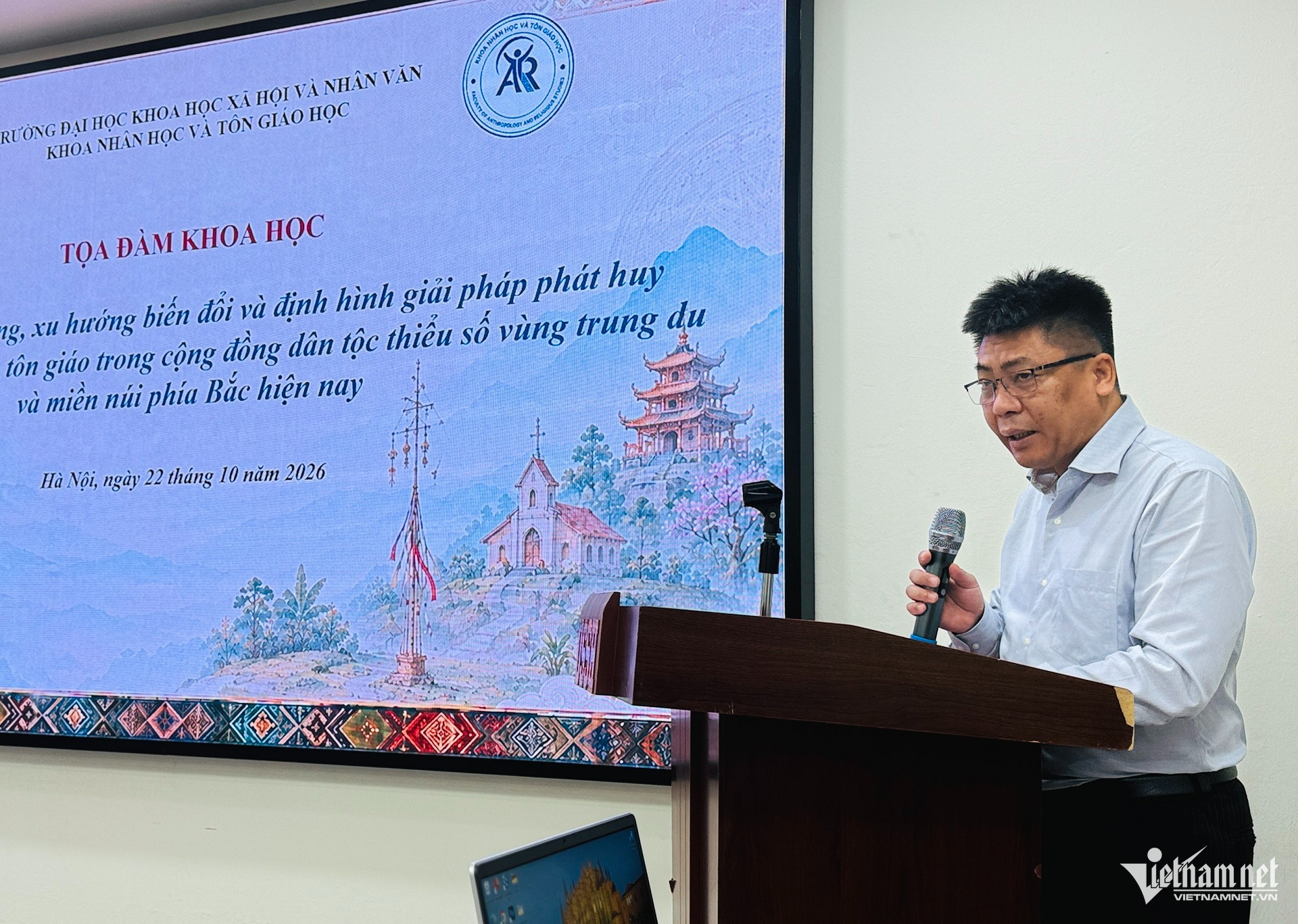
Examples include the Mong community's ma ga rituals and ceremonies dedicated to ancestral spirits, which are intended only for those directly involved.
"A ritual may be fascinating to tourists, but above all, it is a sacred part of a community's spiritual life. Not every cultural practice can be turned into a commercial performance, and not every sacred space should be opened to visitors," Giang emphasized.
He warned that outsiders who judge ethnic minority traditions through their own subjective perspectives risk misunderstanding or misrepresenting them, potentially leading to inappropriate interventions and unintended consequences.
Respect for communities' cultural ownership and their voluntary participation must therefore remain the overriding principle.
Dr. Nguyen Huu Thu, also from the Faculty of Anthropology and Religious Studies, highlighted another troubling trend.
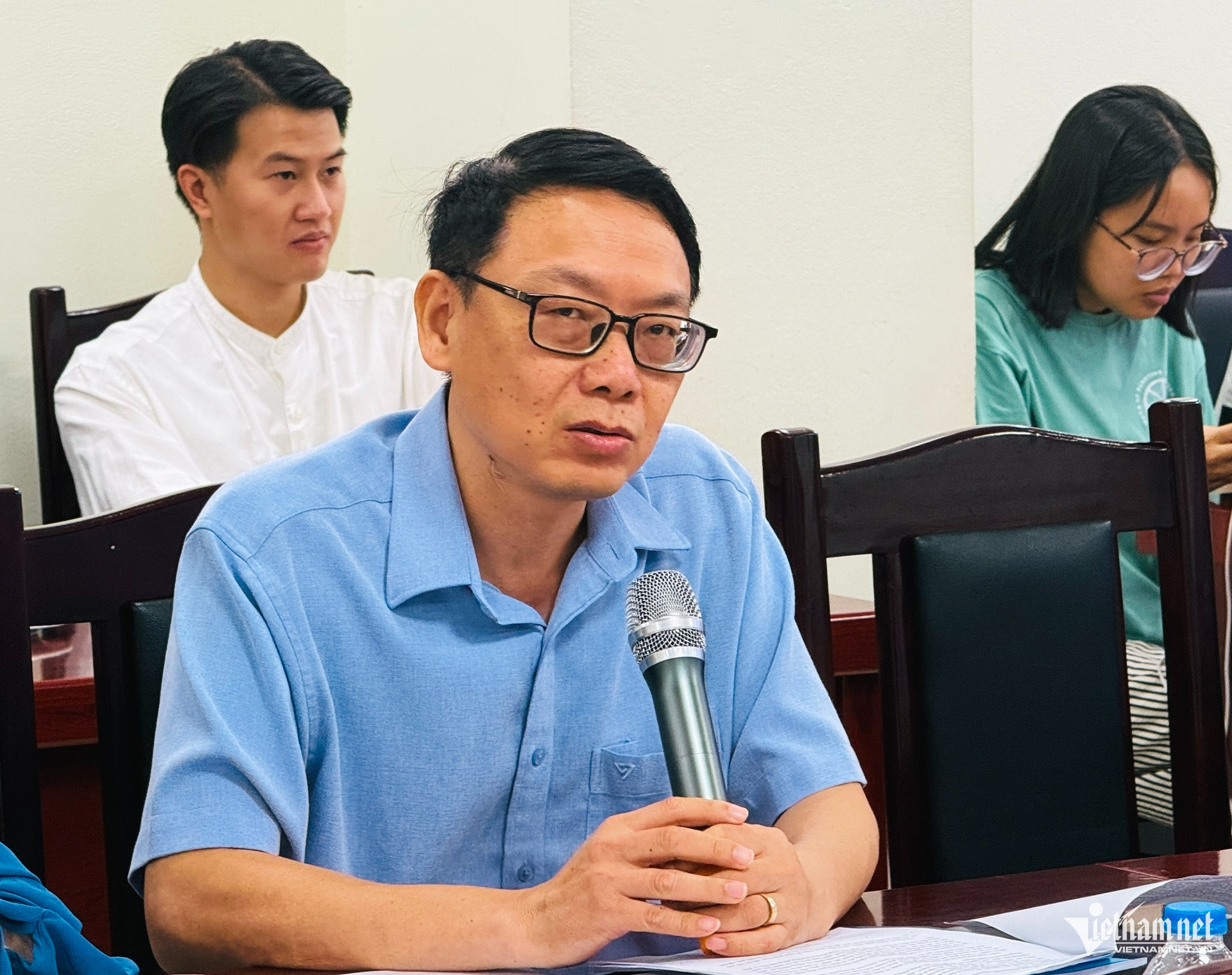
In some localities, traditional ceremonies have been reorganized as tourist performances, taking place outside their original sacred settings and customary times.
Such practices, he said, can distort rituals and gradually strip them of their traditional cultural significance.
Experts also expressed concern about the widespread staging of folk festivals for commercial purposes.
Copying festival formats from one locality to another may generate short-term tourism revenue, but it can undermine local cultural identities and eventually disappoint visitors seeking authentic experiences.
Fading traditions and the challenge of preserving ancient ritual texts
Commercialization is not the only threat facing folk beliefs in Vietnam's northern highlands.
An equally serious concern is the growing disconnect between generations, as younger people become less familiar with their communities' languages, customs and spiritual knowledge.
Drawing on extensive fieldwork, Thu shared several stories that illustrate the difficulties of cultural transmission.
In one case, the grandchild of a recognized ethnic minority artisan failed an entrance examination for a provincial radio and television broadcaster simply because the applicant could not speak their own ethnic language.
Another story involved an elderly Mong man in Cao Bang province who spoke sadly about his efforts to preserve traditional culture.
Despite traveling widely to teach others how to play the khen, a traditional bamboo mouth organ, and pass on customary knowledge known as ly, he could not persuade his own grandchildren to speak Mong.
They insisted on speaking Vietnamese instead.
For Thu, these experiences reveal a fundamental problem: preserving cultural objects alone is not enough to keep a tradition alive.
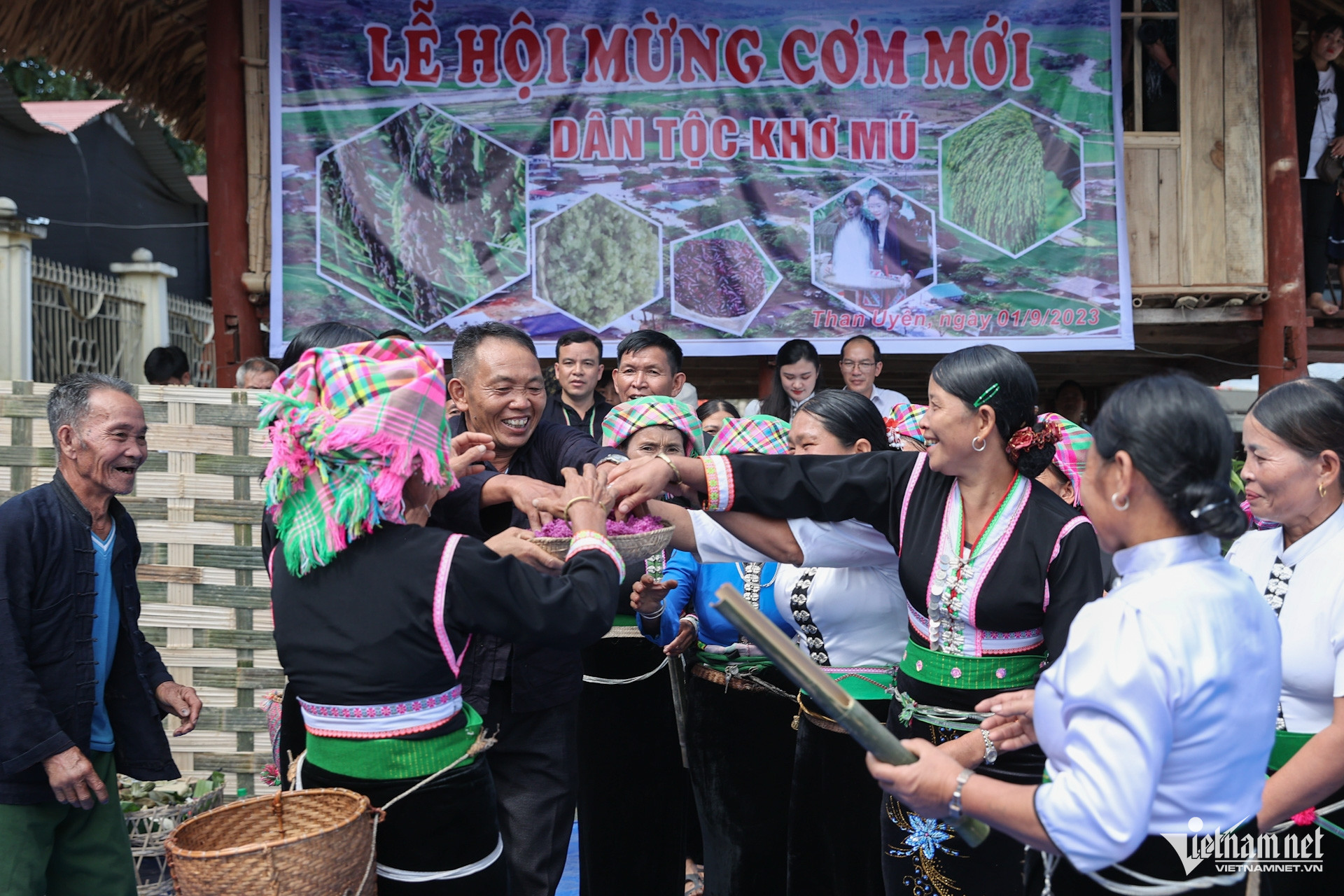
Ancient ritual manuscripts, religious paintings, ceremonial flags and ritual instruments retain their deeper significance only when people still know how to read, interpret and use them.
"A sacred space such as a sacred forest remains meaningful only when the community's relationship with it is maintained. If the forest disappears, it can no longer function as a sacred forest," he explained. "We cannot preserve heritage simply by gathering young people together, displaying traditional objects and ordering them to learn. That approach relies too heavily on external intervention and administrative commands."
Thu argued that meaningful preservation must begin by strengthening ethnic communities' confidence in their own cultural identities.
People need to recognize the distinctive value of their traditions, develop pride in that heritage and feel a genuine desire to pass it on voluntarily.
Rather than imposing preservation programs from outside, authorities should create conditions that allow communities themselves to sustain their spiritual and cultural practices.
An offered a practical example from the implementation of a national target program in local communities.
Under the initiative, local authorities conducted surveys and provided direct financial support to artisans and respected village elders with extensive traditional knowledge.
The assistance focused on three main activities: teaching traditional folk songs to community members, passing on techniques for making ethnic musical instruments, and systematically documenting, printing and recording ancient ritual chants and texts for use in teaching younger generations.
These efforts demonstrate how cultural preservation can be rooted in the everyday lives of the communities that created and sustained the traditions.
Combining direct transmission between generations with modern technology to digitize cultural heritage could help safeguard folk beliefs and ensure their continued relevance.
Such an approach would allow Vietnam's northern highland communities to preserve not only the physical traces of their spiritual heritage, but also the knowledge, relationships and living traditions that give it meaning.
Binh Minh

