 Vietnamnet.vn

 Podcast



Du Lam
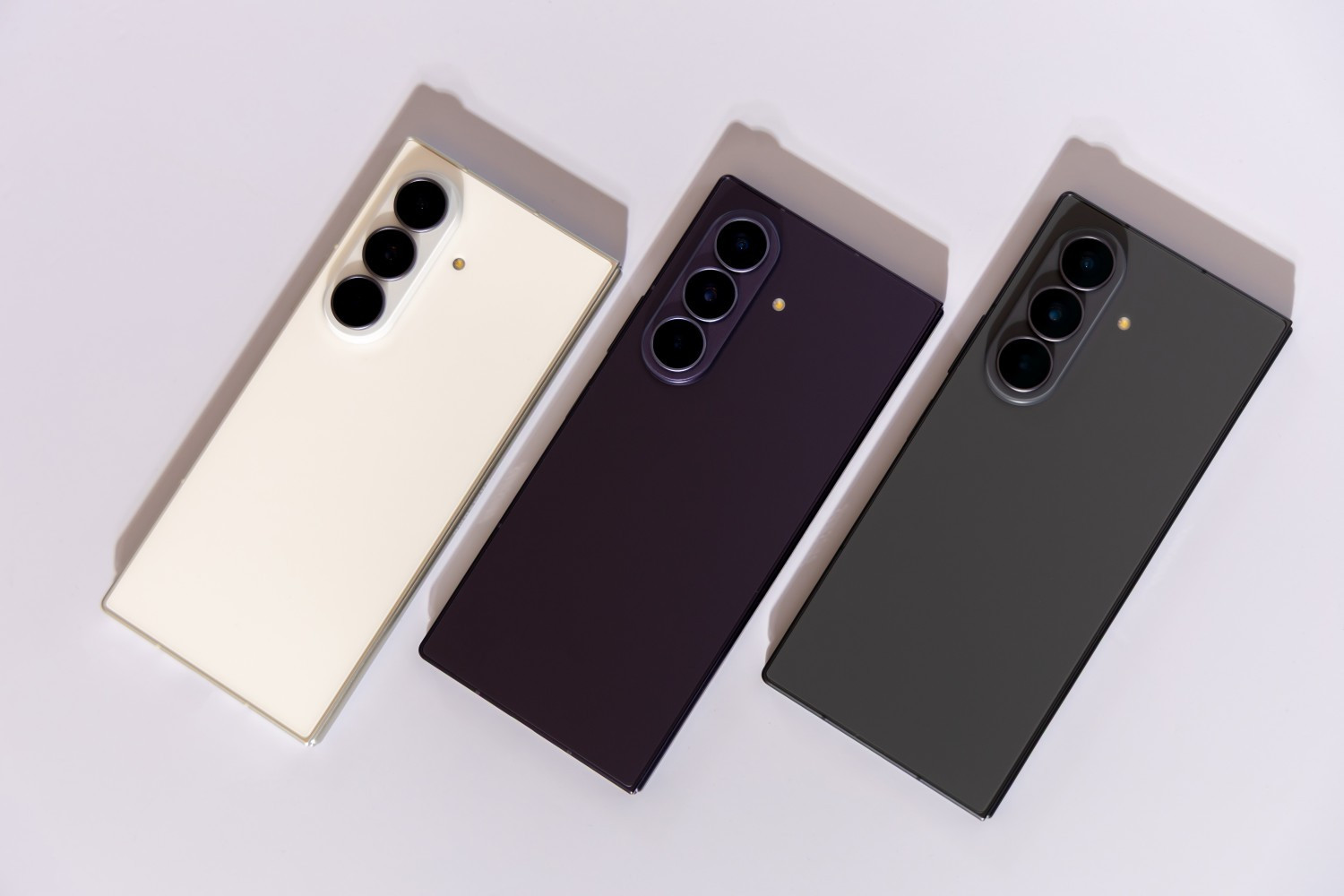
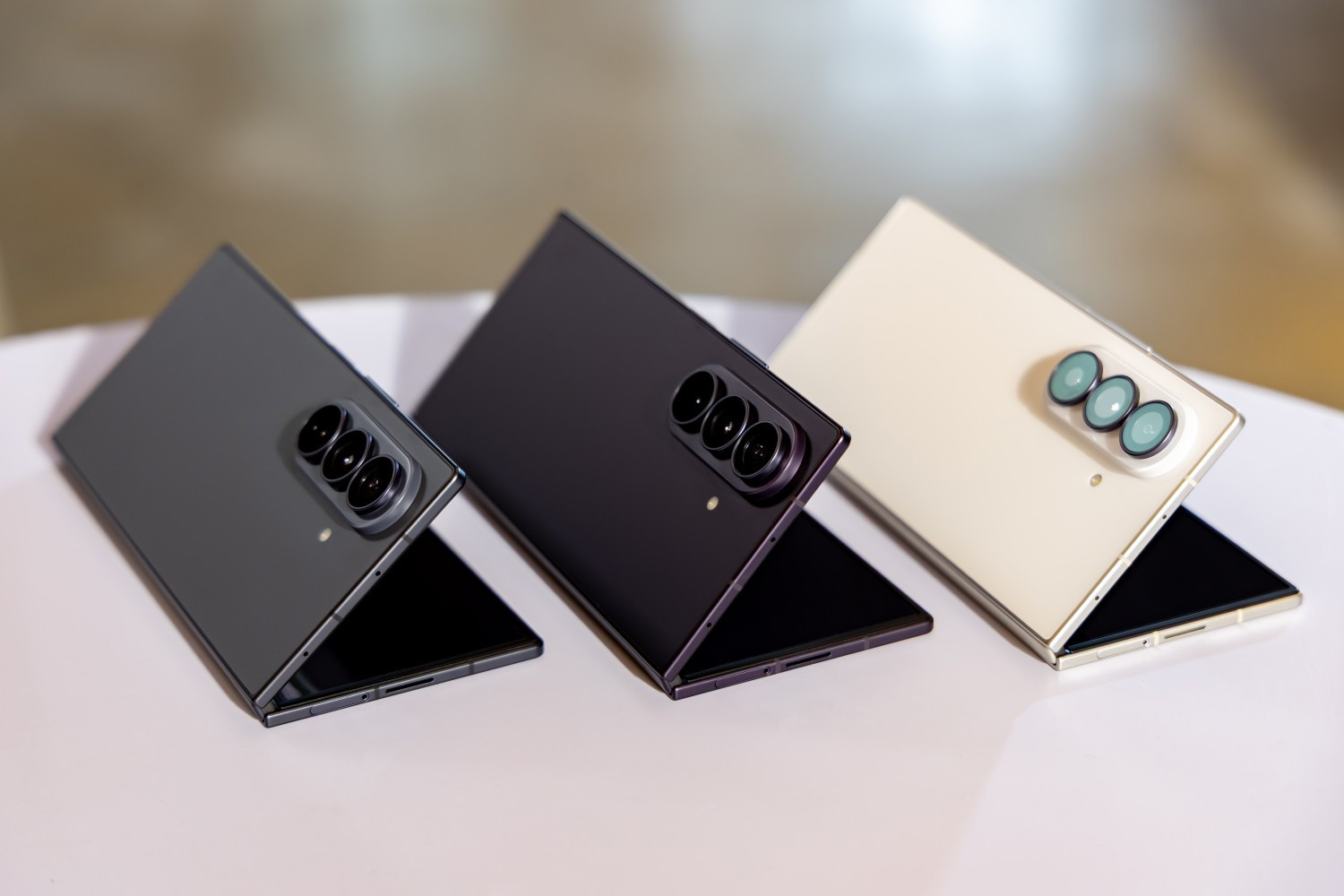
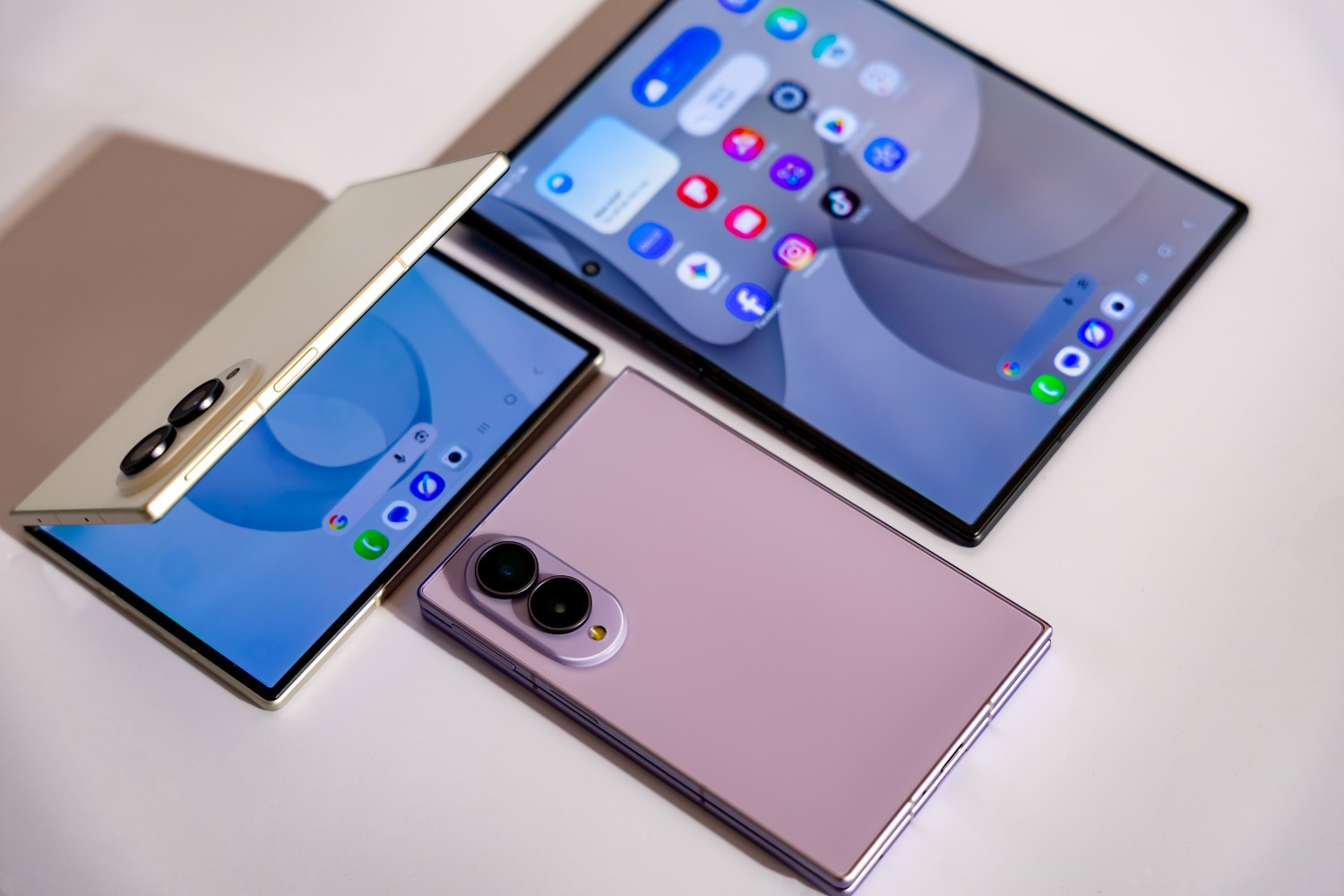
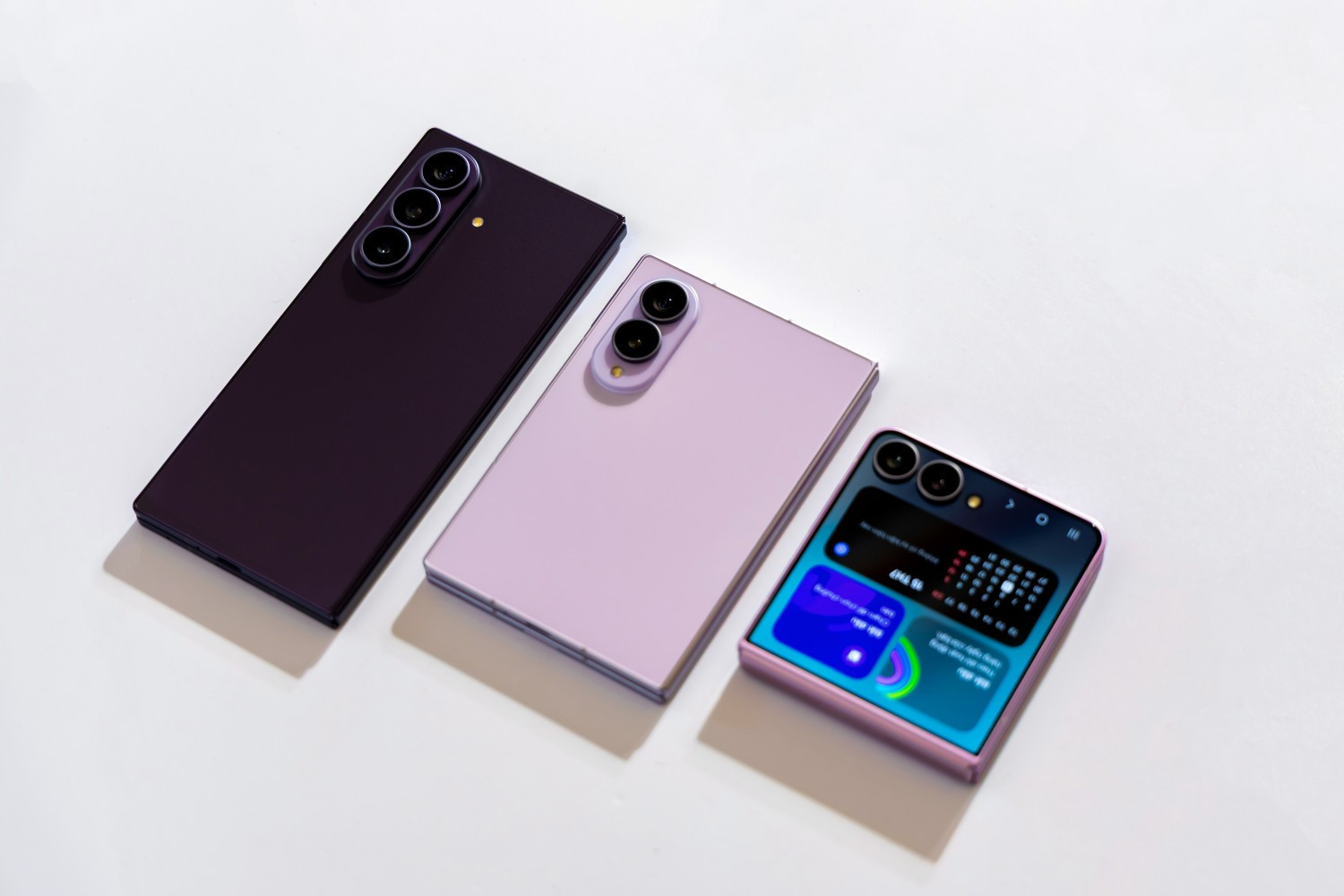
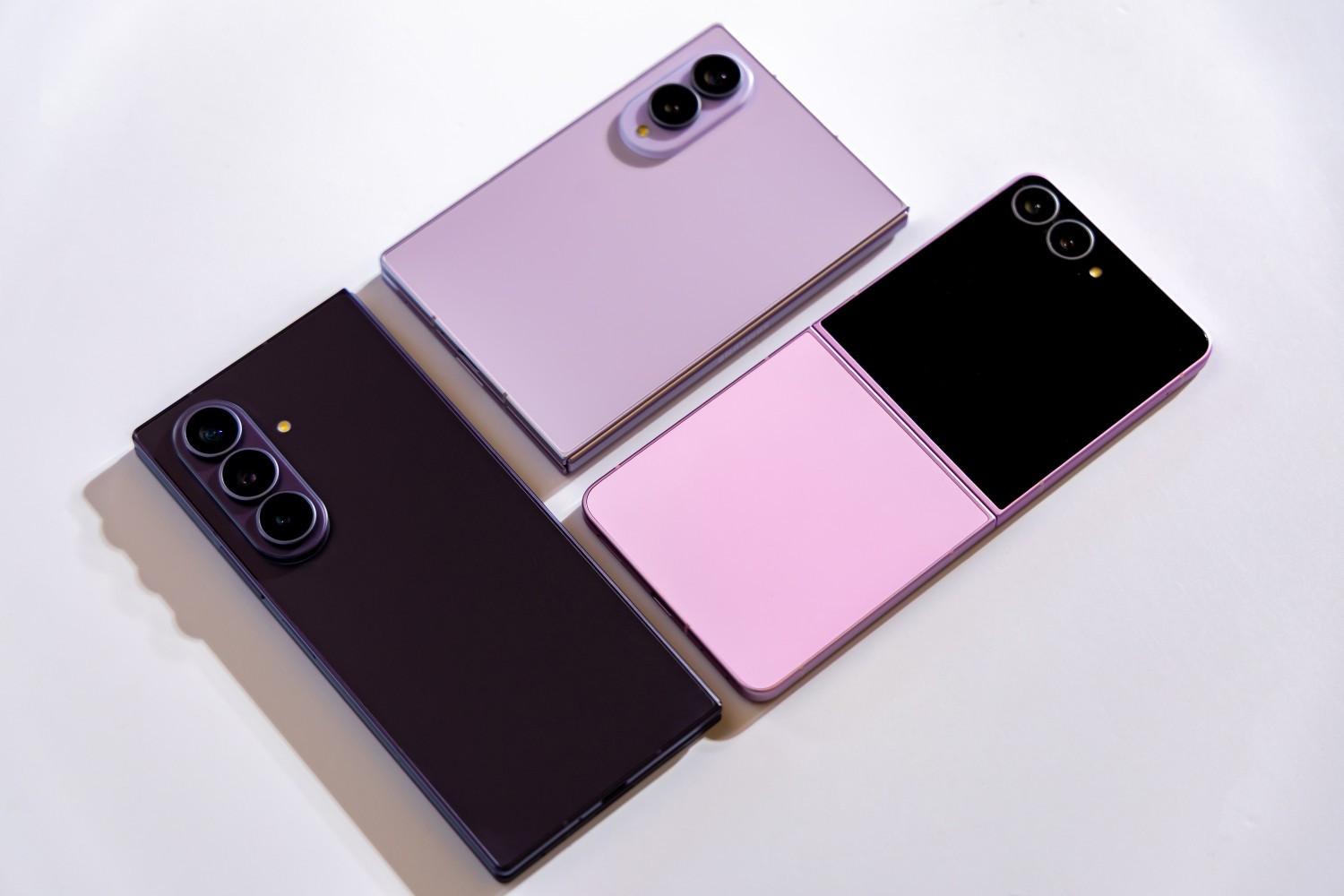
The flagship of the lineup is the Galaxy Z Fold 8 Ultra, the direct successor to the Galaxy Z Fold 7.
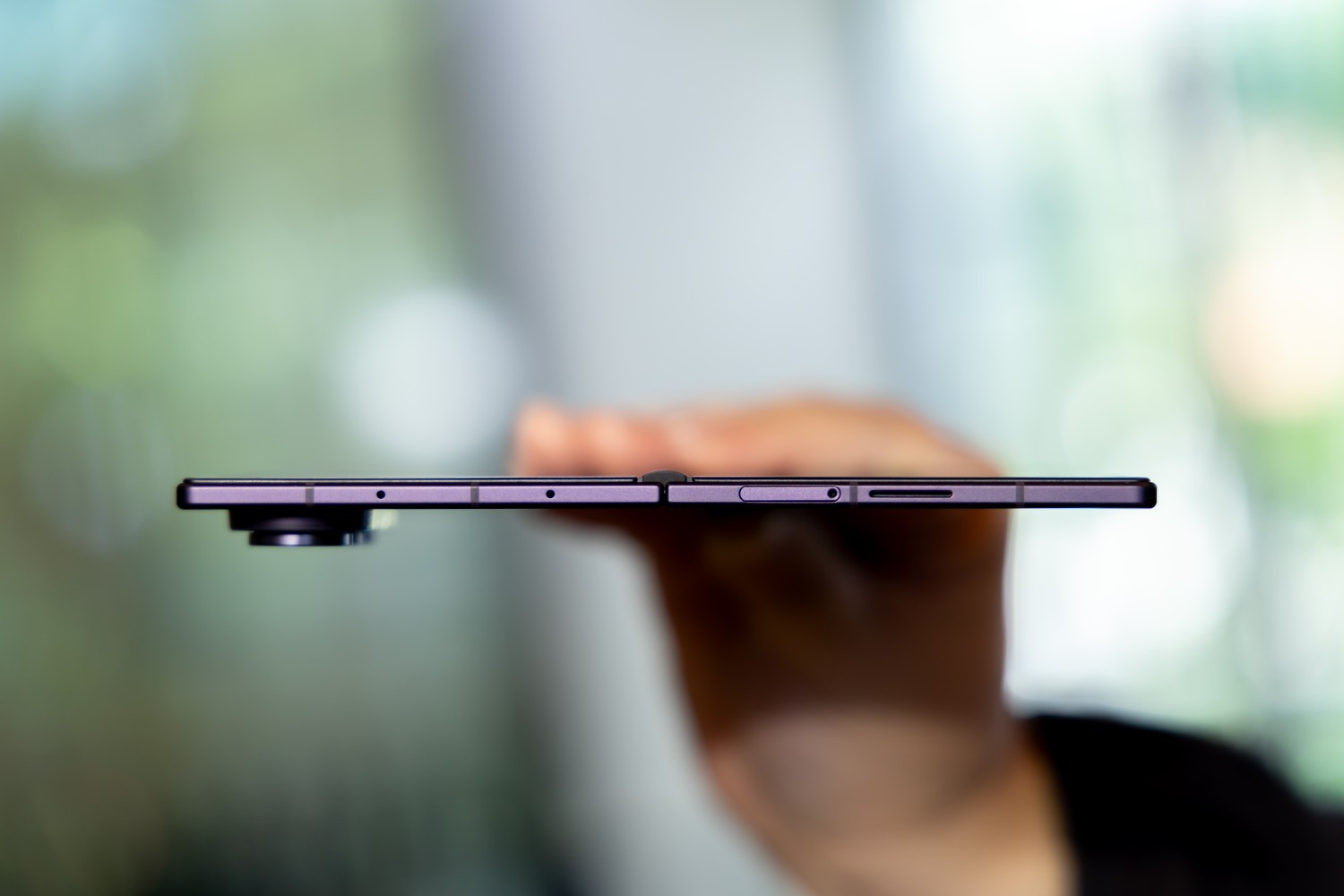
The device's most notable upgrade is its ultra-slim design, measuring just 4.1 mm thick when unfolded and weighing 215 grams, making it lighter than some conventional flagship smartphones, including the iPhone 17 Pro Max.
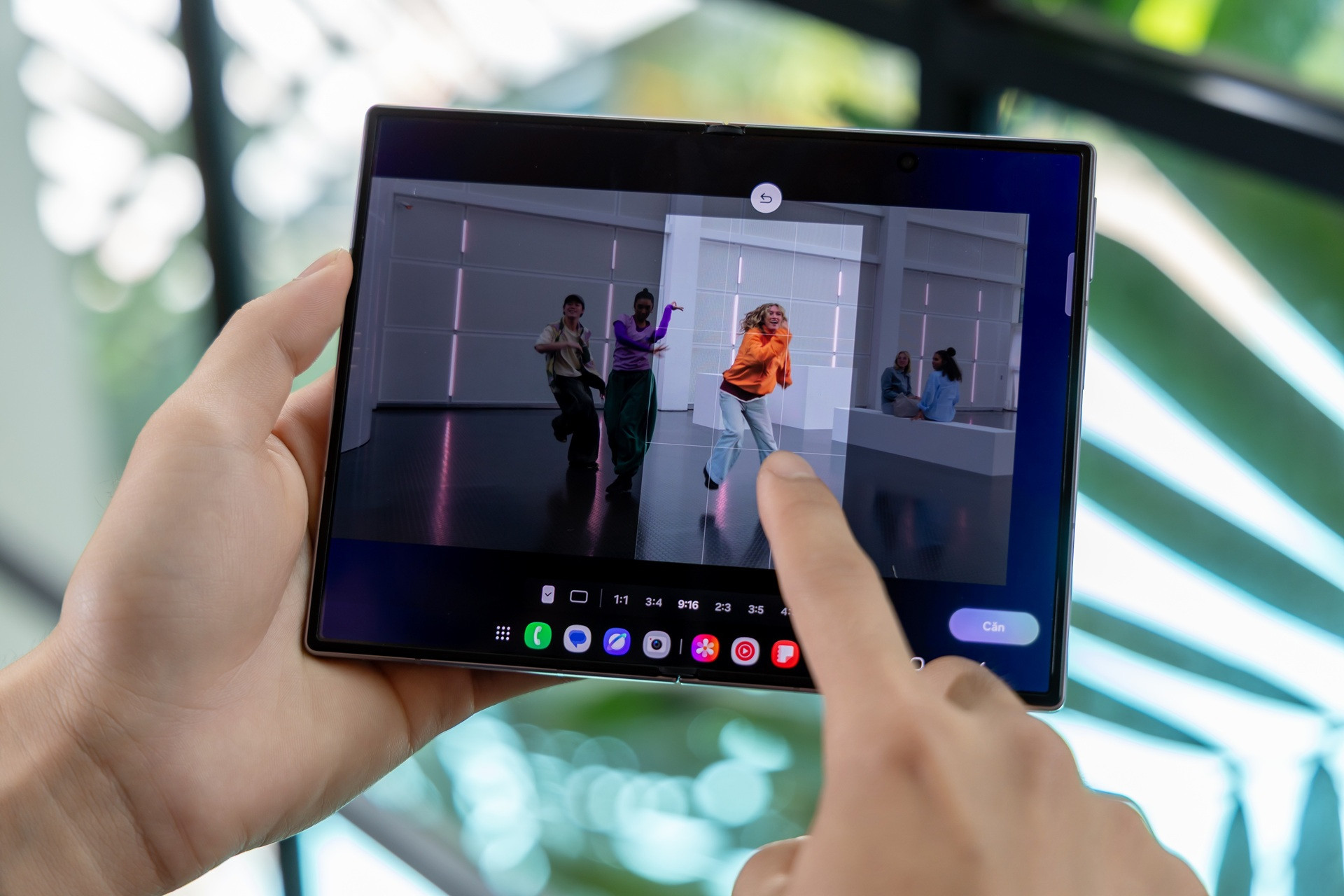
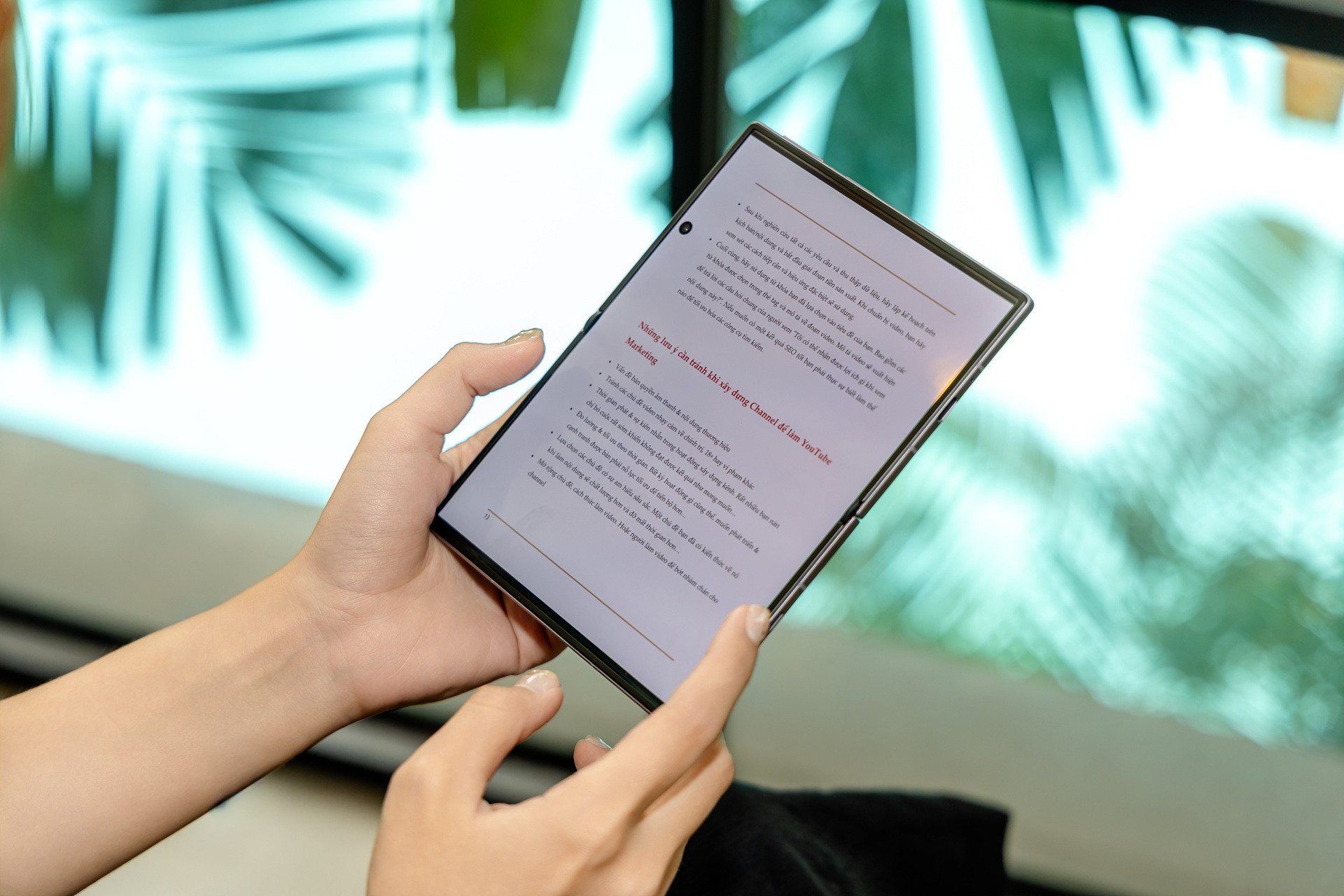
It features an 8-inch main display and a 6.5-inch cover screen. Both use Dynamic AMOLED panels with a 422 ppi pixel density and an adaptive 120Hz refresh rate.
Inside, the Galaxy Z Fold 8 Ultra is powered by the Snapdragon 8 Elite Gen 5 for Galaxy processor.
The device is equipped with a 5,000 mAh battery and a 45W dual-path charging system, allowing it to recharge to nearly 70% in 30 minutes.
Samsung has also significantly upgraded the camera system.
The phone features five cameras, including a 200-megapixel main sensor with optical image stabilization (OIS), a 50-megapixel ultra-wide camera and a 10-megapixel telephoto lens.
It supports 8K APV video recording and includes Cine LUT, allowing users to perform cinema-style color grading directly on the device.
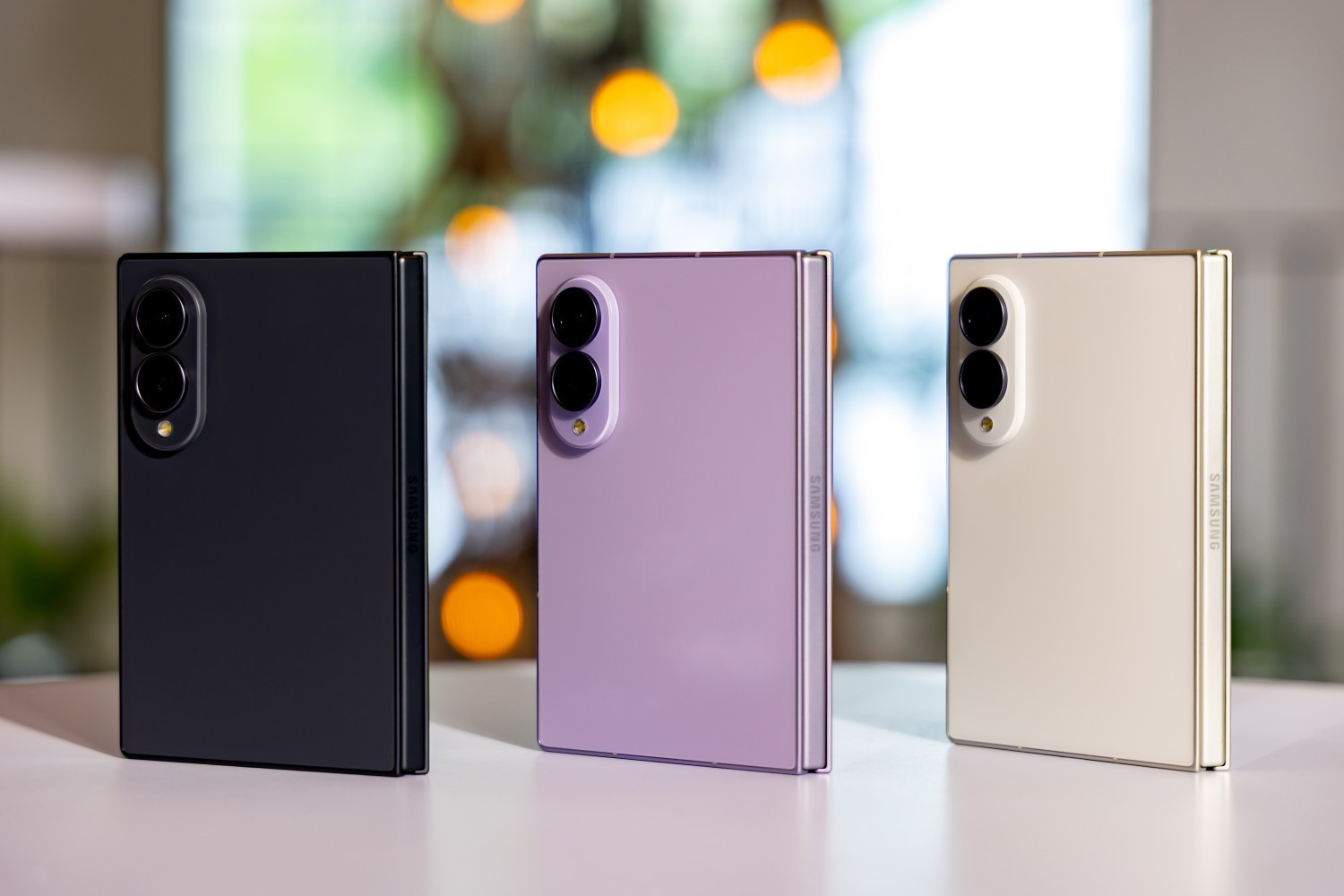
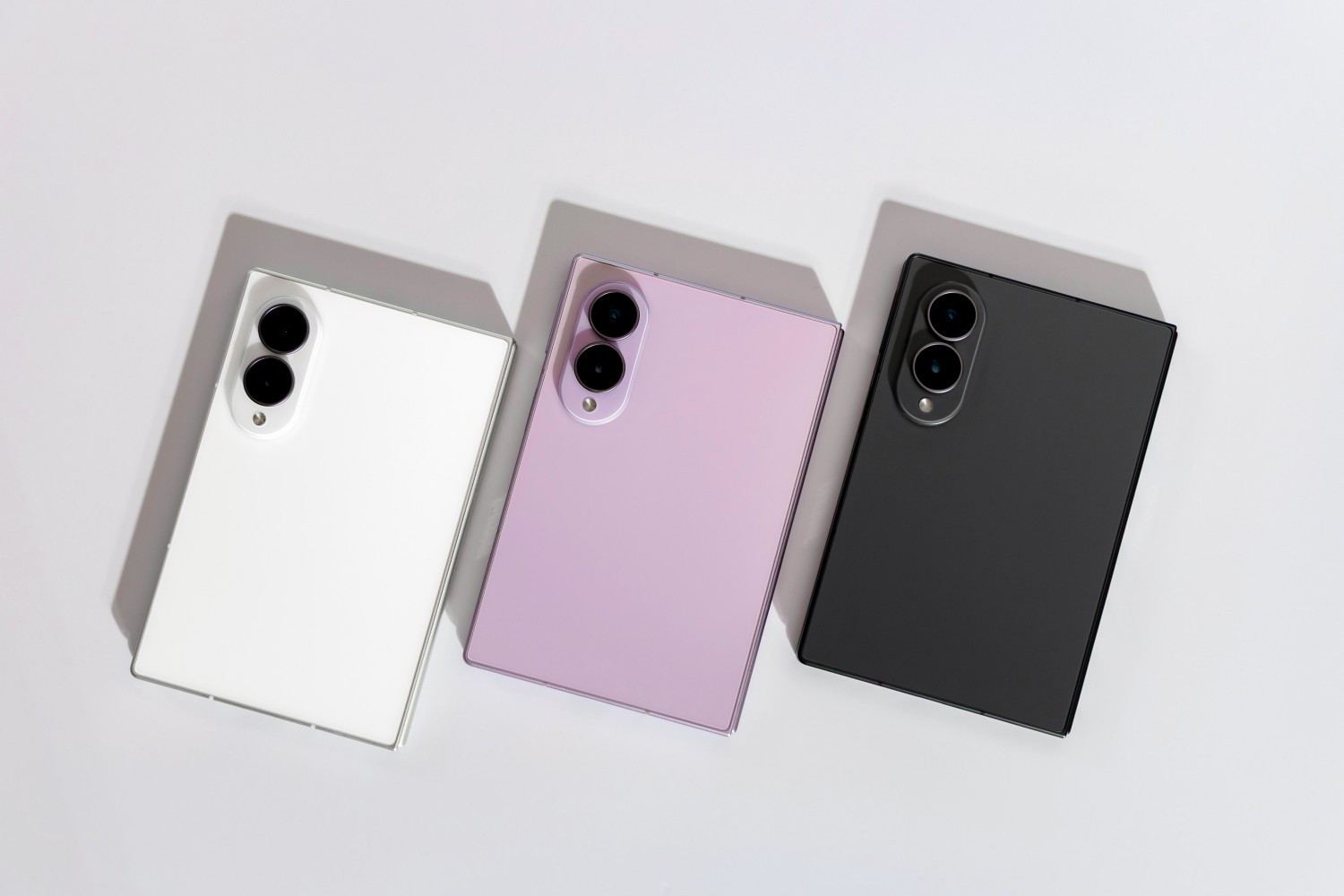
Alongside the Ultra model, Samsung also introduced the standard Galaxy Z Fold 8, featuring a major redesign of its display proportions.
The cover display now adopts a 16:10 aspect ratio, while the inner display uses a 4:3 format.
According to Samsung, the new layout provides a more practical viewing experience for videos, gaming and document reading than the previous square-like design.
The Galaxy Z Fold 8 measures 4.5 mm thick when unfolded and 9.7 mm when folded, while weighing 201 grams.
It carries an IP48 rating for water and dust resistance.
A new Flex Titanium hinge made from titanium alloy is designed to make the center crease less noticeable.
Like the Ultra model, the Fold 8 is powered by the Snapdragon 8 Elite Gen 5, although its rear camera system uses dual 50-megapixel sensors.
The device starts at US$1,899.
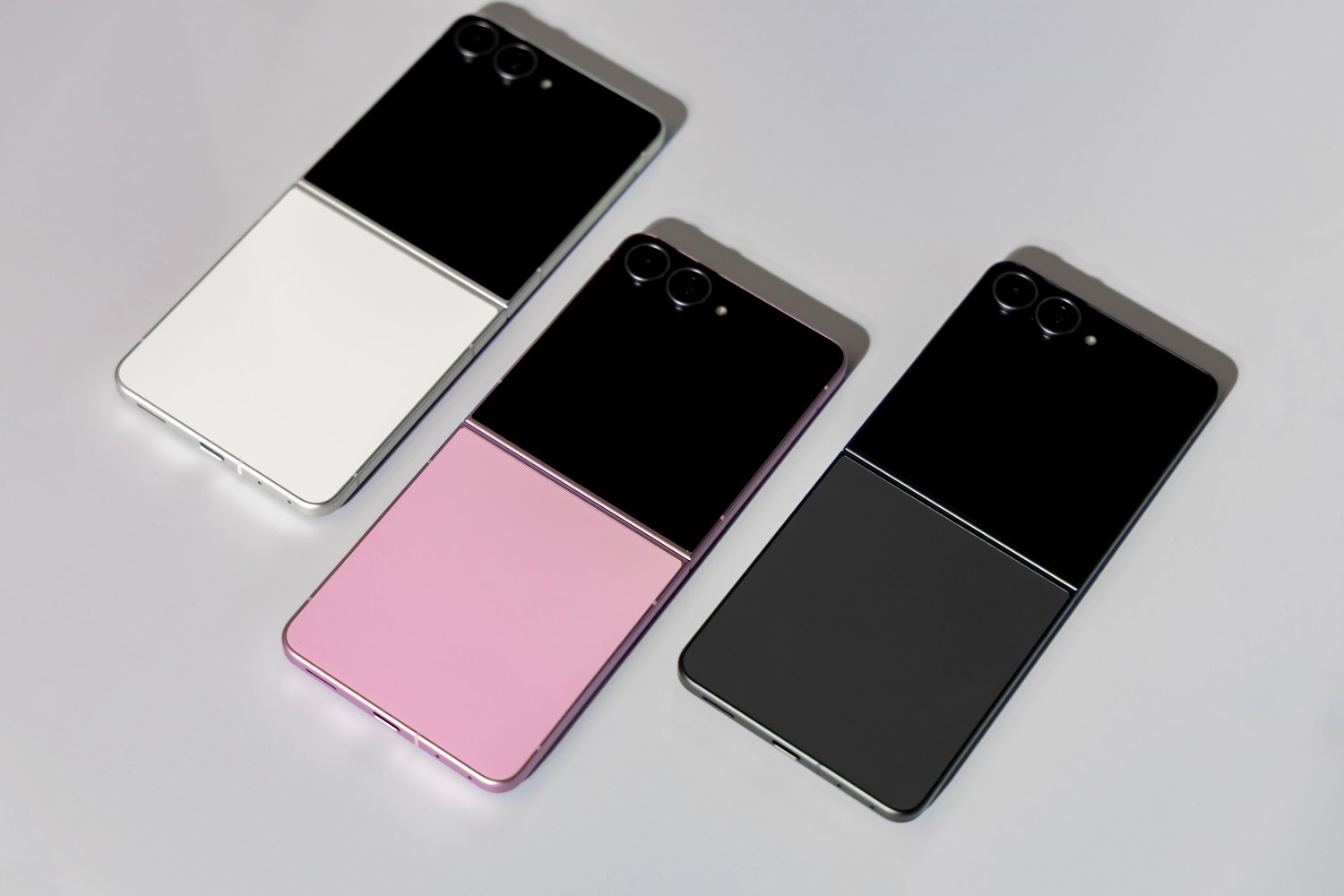
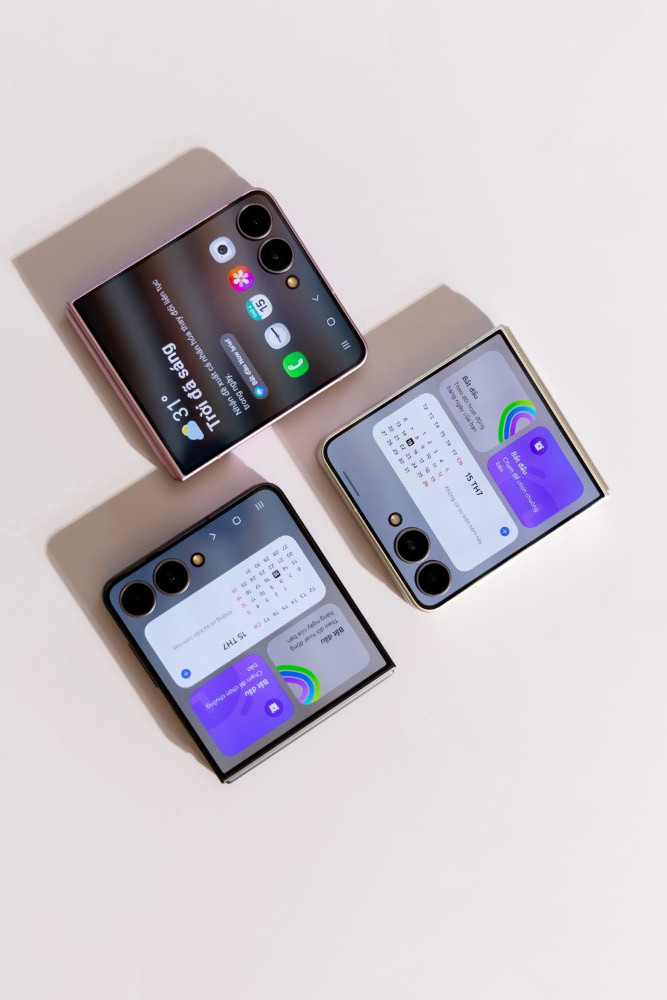
In the clamshell foldable segment, Samsung introduced the Galaxy Z Flip 8, describing it as the thinnest and lightest Flip device the company has ever produced.
The phone measures 6.1 mm thick and weighs 180 grams.
Its Flex Titanium construction reinforces both the 6.9-inch main display and the 4.1-inch external screen while helping reduce the appearance of the display crease over extended use.
Unlike the Fold series, the Galaxy Z Flip 8 is powered by Samsung's Exynos 2600 processor, manufactured using a 2-nanometer process.
It comes with a 4,300 mAh battery.
The dual-camera system consists of a 50-megapixel primary camera and a 12-megapixel ultra-wide camera.
Samsung has also introduced a new Horizontal Lock feature designed to improve image stabilization and keep the horizon level while recording video.
On the software side, all three devices ship with One UI 9 based on Android 17.
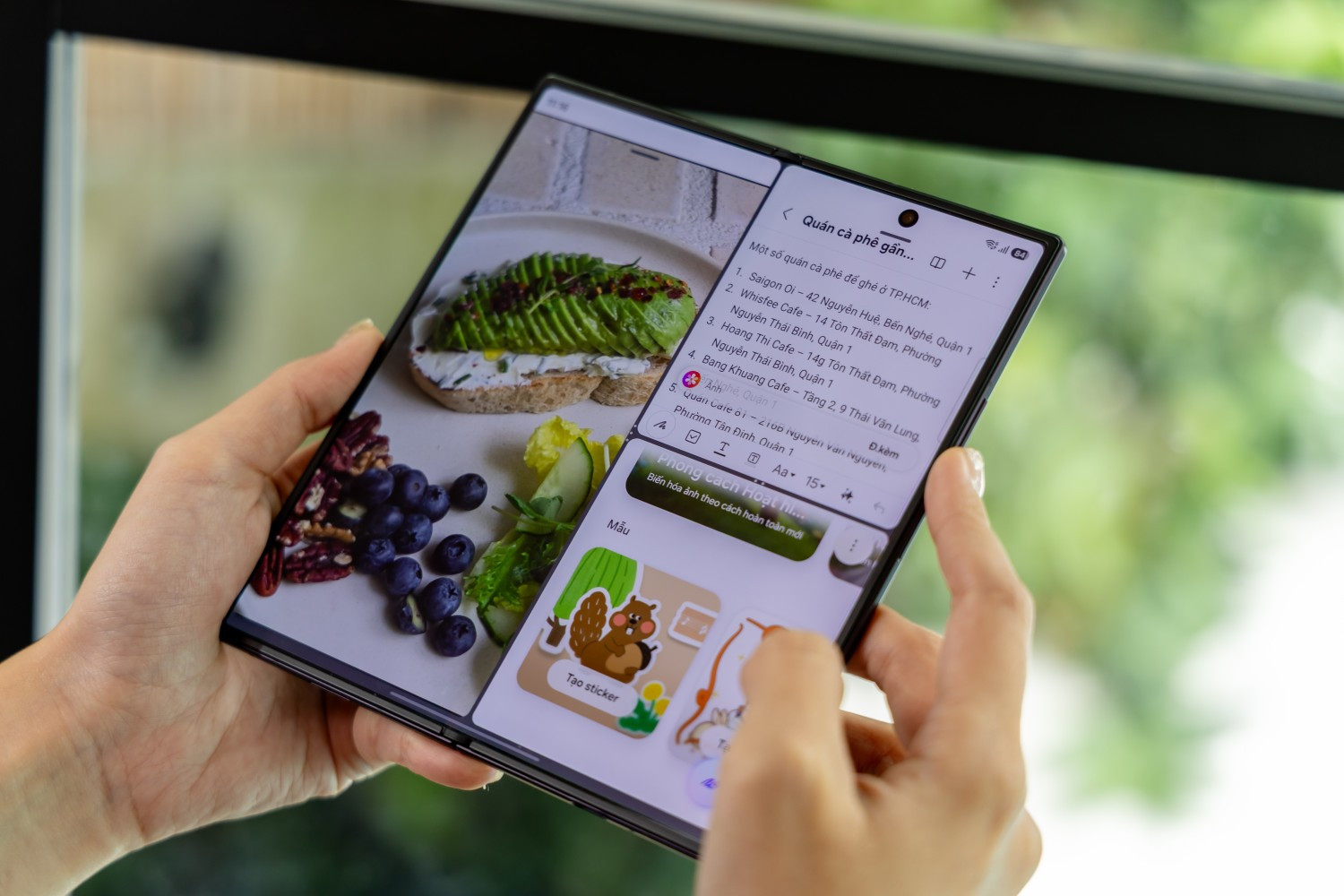
Samsung says its Galaxy AI suite has been further optimized for foldable displays, introducing features such as Now Brief, which provides security-focused summaries, and Now Nudge, which offers proactive smart suggestions.
The integrated Gemini AI system works across more than 40 applications, allowing users to interact with the external display using natural language.
TM Roh, President and Head of Samsung's Mobile eXperience Business, said: "As AI becomes increasingly proactive, mobile devices will become the most personalized touchpoint for understanding and adapting to each user. By setting a new standard for foldable smartphones, we are opening a new era of intelligence for more people."
In Vietnam, the new devices are available for pre-order from July 22 to August 17, with deliveries beginning on August 8, 2026.
Suggested retail prices for the 256GB versions are:
Galaxy Z Flip 8: approximately US$1,220 (VND 31.99 million)
Galaxy Z Fold 8: approximately US$1,790 (VND 46.99 million)
Galaxy Z Fold 8 Ultra: approximately US$2,020 (VND 52.99 million)
.svg)
