 Vietnamnet.vn

 Podcast



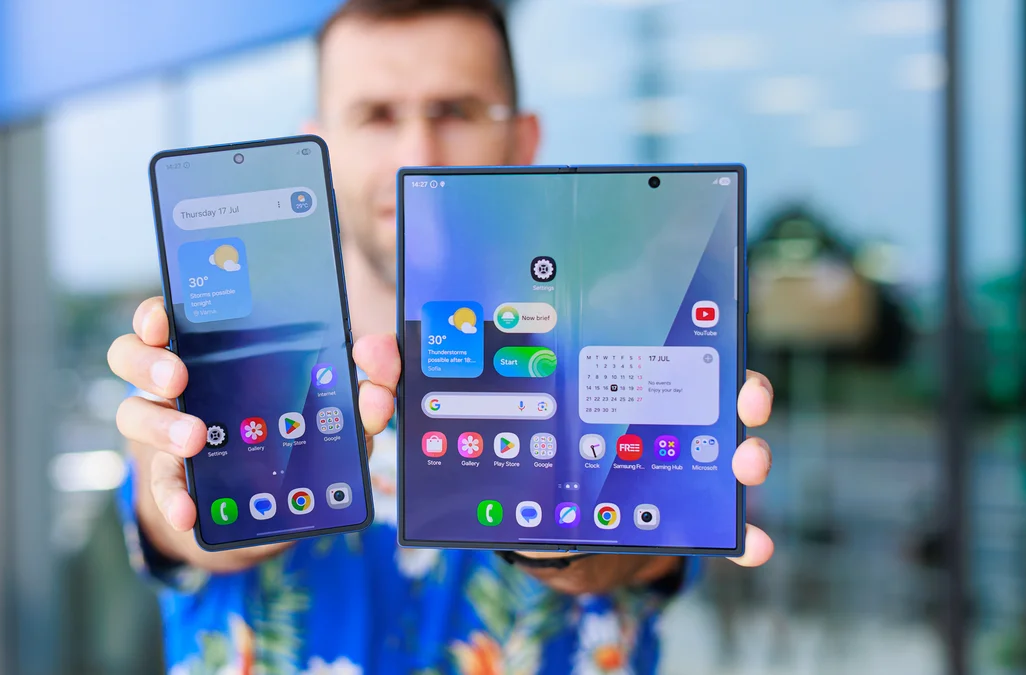
A cost-cutting approach may explain why Samsung is unlikely to introduce major upgrades to its next generation of foldables this year. According to multiple industry sources, this decision could directly affect display performance on upcoming devices, while helping the company maintain more accessible pricing amid intensifying competition.
The 2026 foldable lineup is expected to include the Galaxy Z Fold 8, Galaxy Z Flip 8, and a completely new device that could be branded as the Galaxy Z Wide Fold. However, instead of adopting the latest display technology, Samsung is reportedly sticking with an older OLED platform.
A report from ET News indicates that all three models will use panels produced by Samsung Display based on M13 organic materials - a technology that has already been in use for several years. This stands in contrast to bar-type flagship devices such as the Galaxy S26 Ultra, which have transitioned to the more advanced M14 materials.
If confirmed, this would mark the third consecutive year Samsung has relied on M13 for its foldable lineup. The material first appeared on the Galaxy Z Fold 6 and Galaxy Z Flip 6, launched in 2024.
The gap between M13 and M14 is far from negligible. M14 delivers up to 30% higher brightness, improved energy efficiency, and around 20% longer display lifespan. Retaining M13 means Samsung’s new foldables are unlikely to see significant gains in brightness or power performance compared to newer flagship devices.
One of the primary reasons behind this decision appears to be cost control. Foldable smartphones are already priced significantly higher than conventional devices, and adopting newer display materials could push prices even further.
In a market where consumers are increasingly price-sensitive, Samsung may be opting for stability in order to avoid steep price increases. This approach aligns with strategies the company has used before to maintain competitiveness.
The foldable display supply chain also remains complex and expensive. Transitioning to new materials would not only increase component costs but also require adjustments to design, manufacturing processes, and hinge durability - already one of the most challenging aspects of foldable devices.
Despite using the same M13 material, the Galaxy Z Fold 8 and Z Flip 8 are still expected to receive incremental improvements. These may include more accurate color reproduction, better power optimization, and enhanced brightness under certain conditions.
Notably, Samsung is reportedly working to significantly reduce the visible crease on the Galaxy Z Fold 8 - long considered a key weakness of foldable smartphones. A new hinge mechanism and improved display layering could make the screen appear nearly crease-free when fully unfolded.
However, sources suggest there will be no major leap in overall brightness, meaning outdoor visibility may not improve substantially over previous generations.
The year 2026 could prove pivotal for the foldable smartphone market. For the first time, Samsung is facing mounting pressure on multiple fronts.
Apple is widely expected to introduce its first foldable iPhone in the fall, a move that could significantly accelerate adoption, particularly in the US market.
Meanwhile, Android competitors are rapidly advancing. Devices like the Honor Magic V6 and Oppo Find N6 are gaining traction globally with thinner and lighter designs. In China, Huawei continues to lead, supported by a strong ecosystem and advanced hinge technology.
Against this backdrop, the lack of a major display upgrade could make it harder for Samsung to maintain its historical advantage. Consumers increasingly expect meaningful year-over-year improvements in foldable devices.
Even so, the real-world impact may be less significant than it appears. Samsung already produces some of the best smartphone displays on the market. Even with M13, display quality remains exceptionally high, with differences that are difficult to detect with the naked eye.
For most users, factors such as slimmer design, improved hinge durability, and better battery life may ultimately matter more than incremental gains in brightness. As a result, Samsung’s decision to retain existing display technology may not significantly diminish the appeal of the Galaxy Z Fold 8 and Galaxy Z Flip 8.
Hai Phong
.svg)
