 Vietnamnet.vn

 Podcast



Private museums in Hanoi continue to face severe shortages of facilities, personnel and funding, while Ho Chi Minh City is encouraging public museums to shift from an object-centered approach toward serving audiences more directly.
On May 28, the Hanoi Department of Culture and Sports hosted a meeting with private museums across the capital and introduced the 2026 Creative Design Festival.
"We fear ticket sales would not even cover the cost of printing tickets"
Vietnam currently has around 218 museums, including 81 privately operated institutions. Yet the reality behind their operations reveals a number of troubling challenges.
According to a report presented by Ngoc Hoa, Director of the Hanoi Creative Activities Coordination Center, history and culture museums account for 60% of private museums, followed by art museums at 24% and science or specialized museums at 16%.
Visitor numbers remain modest. About 43.3% of museums welcome fewer than 5,000 visitors annually. In terms of technology adoption, 52% still manage collections manually, while only 9% use advanced technologies such as virtual reality or 3D scanning. As many as 65.2% reported receiving no specific support programs from the State.
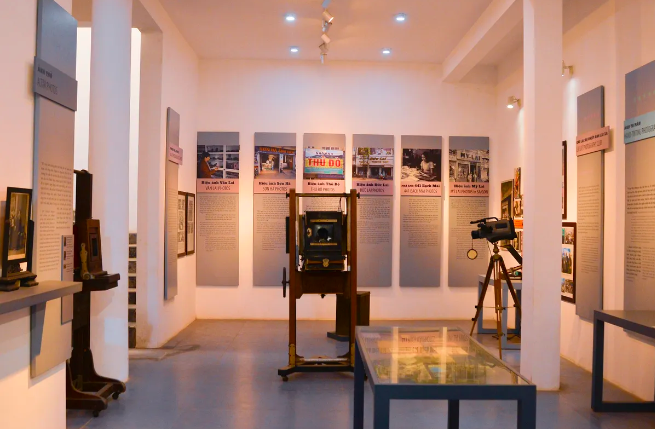
These figures are reflected in the experience of Lai Xa Photography Museum, which has become a symbol of the difficulties facing many private museums.
Despite preserving a unique collection of photographic heritage, the museum has suffered significant deterioration after years of operation. Without heat-control systems, high temperatures have caused display cases to crack. Seasonal expansion and contraction of the concrete roof has led to leaks during the rainy season, forcing staff to place buckets around the building to protect fragile paper artifacts. Basic equipment such as lighting systems and air conditioners has also fallen into disrepair.
For nearly a decade, the museum has operated largely on volunteer dedication, without salaries or benefits. As a result, it has been unable to attract younger staff. Its youngest team member is now approaching 60 years old, and the institution lacks the capacity to undertake digitization work.
A representative of the museum likened their role to that of a caretaker guarding a temple, simply opening the doors and watching over the collection. Requests for assistance have often been met with the response that the museum does not fall within local budget allocations.
Without funding for repairs or visitor-oriented improvements, the museum fears for its future.
"For nearly 10 years, we have not sold tickets. We worry that the number of tickets sold would not even cover the cost of printing them," a representative said.
Nguyen The Hung, Vice Chairman and Secretary General of the Vietnam Cultural Heritage Association, stressed that private museums play an important role in preserving heritage and serving communities alongside public museums.
He noted that running a museum is a demanding undertaking. Around the world, many private museums begin as personal collections built through passion, but long-term sustainability requires dedicated operating funds and the ability to engage businesses and communities for support.
Hung also pointed to weaknesses within Vietnam's museum sector, particularly in technology adoption and digital transformation.
"Digitization begins with digitizing collections and building complete databases. Without that foundation, using software is little more than inventory management and does not create meaningful interaction with audiences," he explained.
Even many public museums with stronger resources have struggled in this area, making the challenge even greater for private institutions.
He expressed hope that Hanoi would soon introduce dedicated policies to support private museums, especially as the revised Capital Law provides the city with additional mechanisms to promote cultural development.
Digitization and stronger partnerships
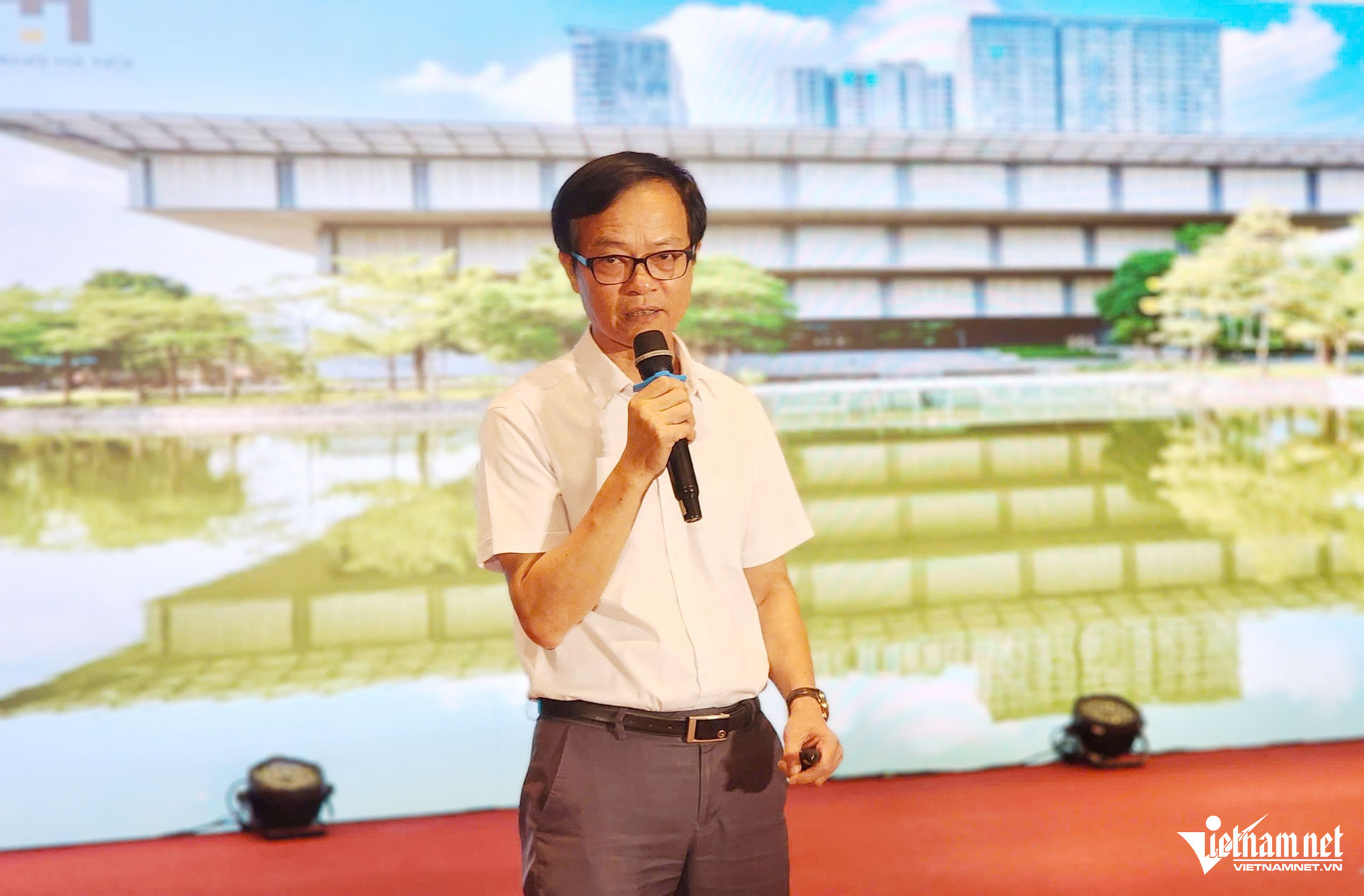
Seeking to turn recommendations into action, Hanoi Museum Director Nguyen Tien Da outlined several practical commitments aimed at sharing resources and strengthening cooperation with private museums.
The first initiative involves creating a digital map of private museums integrated into Hanoi Museum's platform and the Creative City website, making it easier for visitors to locate museums and learn about their activities. Digital data collection is expected to be completed before July, allowing integration into the city's broader application system.
Hanoi Museum also plans to provide hands-on professional support by sending specialists directly to private museums to assist with collection inventories, artifact preservation and exhibition improvements.
Another anticipated boost could come from policy reforms currently under development by the Hanoi Department of Culture and Sports. Three major resolutions covering the nighttime economy, heritage conservation and investment attraction are being drafted.
Da compared these future policies to a major highway, with museums serving as the vehicles that will travel and grow along it.
He also proposed the creation of awards recognizing innovative exhibition design concepts as a way to encourage new approaches to public engagement.
Ho Chi Minh City embraces audience-centered museums
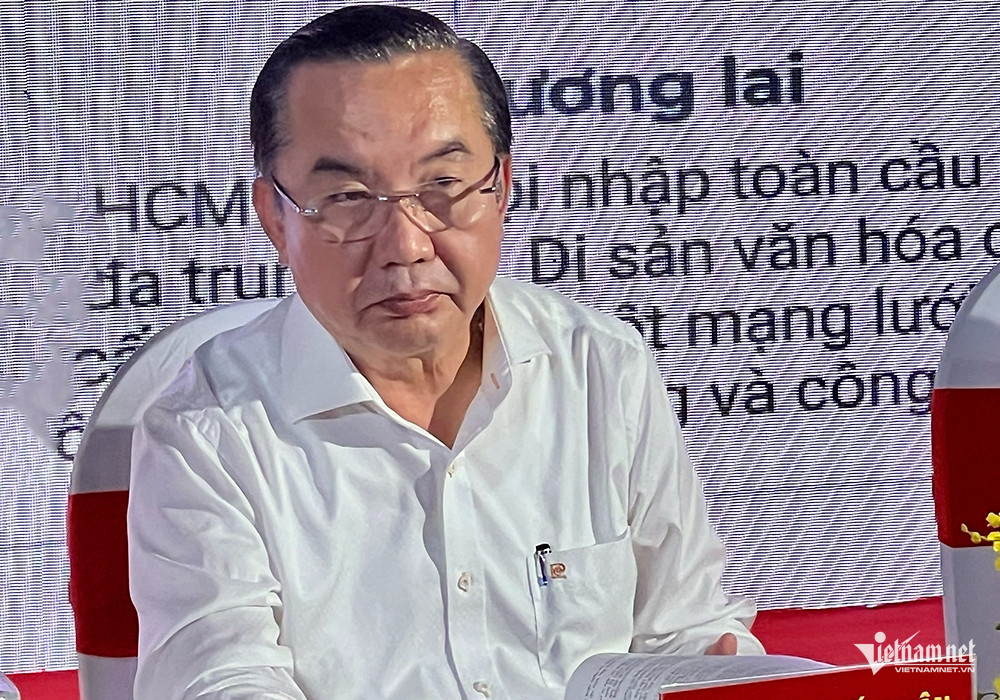
On May 29, the Ho Chi Minh City Department of Culture and Sports held a conference on the current state and future development of the city's museum system.
Participants included Pham Dinh Phong, Deputy Director of the Department of Cultural Heritage under the Ministry of Culture, Sports and Tourism; Tran The Thuan, Director of the Ho Chi Minh City Department of Culture and Sports; along with museum professionals, researchers and experts.
Delegates discussed both challenges and opportunities facing museums in the city.
Some museums, they noted, have yet to develop distinctive products capable of generating broader public interest or fully capitalize on heritage resources linked to cultural industries and creative tourism.
Nevertheless, Ho Chi Minh City enjoys significant advantages as one of Vietnam's leading economic and cultural centers, with strong potential in social investment, international cooperation, technology adoption and visitor numbers.
These strengths position the city to become a national leader in modern, smart and internationally connected museum development.
In his concluding remarks, Tran The Thuan said the conference produced thoughtful and constructive discussions, supported by 41 presentations examining both current challenges and future directions for the museum system.
He emphasized that Ho Chi Minh City is encouraging public museums to move away from a focus on displaying artifacts and toward serving audiences.
Museums should shift from simply presenting information to telling heritage stories, and from functioning as viewing spaces to becoming environments for experience, participation and creativity.
According to Thuan, this reflects the defining trend of contemporary museums around the world.
"This transformation will help museums become more vibrant cultural spaces and strengthen their connection with the public," he said.
Tinh Le - Tuan Chieu
.svg)
