 Vietnamnet.vn

 Podcast



On January 12, the Ministry of Health issued an urgent directive to the Director of the Ho Chi Minh City Department of Health, calling for intensified efforts to prevent and control the spread of dengue fever and hand, foot, and mouth disease (HFMD) in the city.
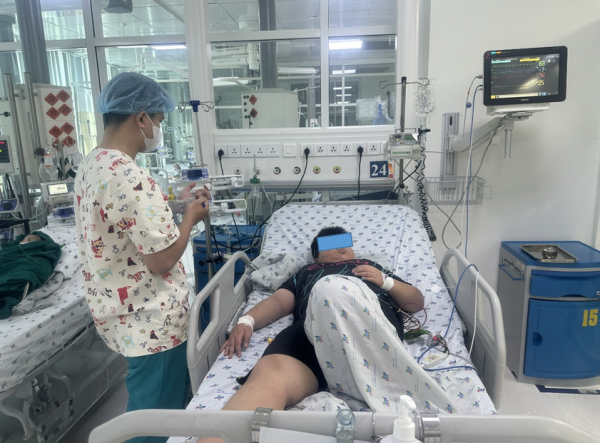
According to the Department of Preventive Medicine, both diseases remain a public health concern in Ho Chi Minh City. While the number of dengue cases is gradually declining, the rate of severe cases remains alarmingly high. Meanwhile, HFMD continues to spread, with a growing number of patients requiring hospitalization in critical condition.
In light of this, the Ministry requested city health authorities to closely monitor disease trends, thoroughly eliminate existing outbreak hotspots, and quickly detect and contain any newly emerging clusters. Surveillance should be heightened in high-risk areas, supported by widespread public health communication campaigns, environmental sanitation drives, and larvicide measures to destroy mosquito breeding grounds.
Dengue fever is an acute viral infection transmitted by Aedes mosquitoes, especially Aedes aegypti. In contrast, HFMD spreads from person to person through gastrointestinal and contact transmission routes, caused by viruses from the Enterovirus genus. Both diseases are common in Vietnam and can escalate into life-threatening conditions if not detected and treated promptly.
In 2025, Vietnam recorded 190,040 dengue fever cases - a 28.4% increase from 2024 - and 107,249 HFMD cases, up 28.9% year-on-year. In the closing months of 2025 and early 2026, national case numbers have shown a downward trend. However, from December 29, 2025 to January 4, 2026, Ho Chi Minh City still recorded 1,866 dengue infections, down 17.5% compared to the four-week average - but with many patients in serious or critical condition. Treatment remains costly and complex, with a high risk of long-term complications. Officials attribute this largely to delayed hospital visits, as patients often seek care only when symptoms have worsened.
The Ministry of Health noted that the persistence of dengue is linked to shifting weather patterns and rapid urbanization, which create breeding sites for mosquitoes in residential neighborhoods, construction zones, boarding houses, and manufacturing areas. In some localities, coordination between the public and relevant agencies in outbreak prevention remains weak.
For HFMD, poor personal hygiene, lack of environmental sanitation, and inadequate disinfection of surfaces continue to drive transmission, especially in households and childcare settings.
The Ministry emphasized that both diseases are preventable through proper hygiene and proactive community measures. People are advised to cover all water containers, regularly eliminate standing water and mosquito larvae, sleep under mosquito nets, wear long clothing, and seek medical attention immediately when experiencing a fever. Self-treatment at home is discouraged.
To prevent HFMD, individuals should adhere to the “three cleans” principle: clean food and drink, clean living environment, and clean hands. Toys and children’s belongings must be disinfected regularly. Proper handwashing with soap is essential, as is safe disposal of waste. Children showing symptoms - such as fever or blisters on the hands, feet, or mouth - should be kept home and promptly taken to a medical facility to prevent further transmission.
The Ministry called on citizens to raise their awareness and actively cooperate with public health efforts to contain the outbreaks and protect community well-being.
Phuong Thuy
.svg)
