 Vietnamnet.vn

 Podcast



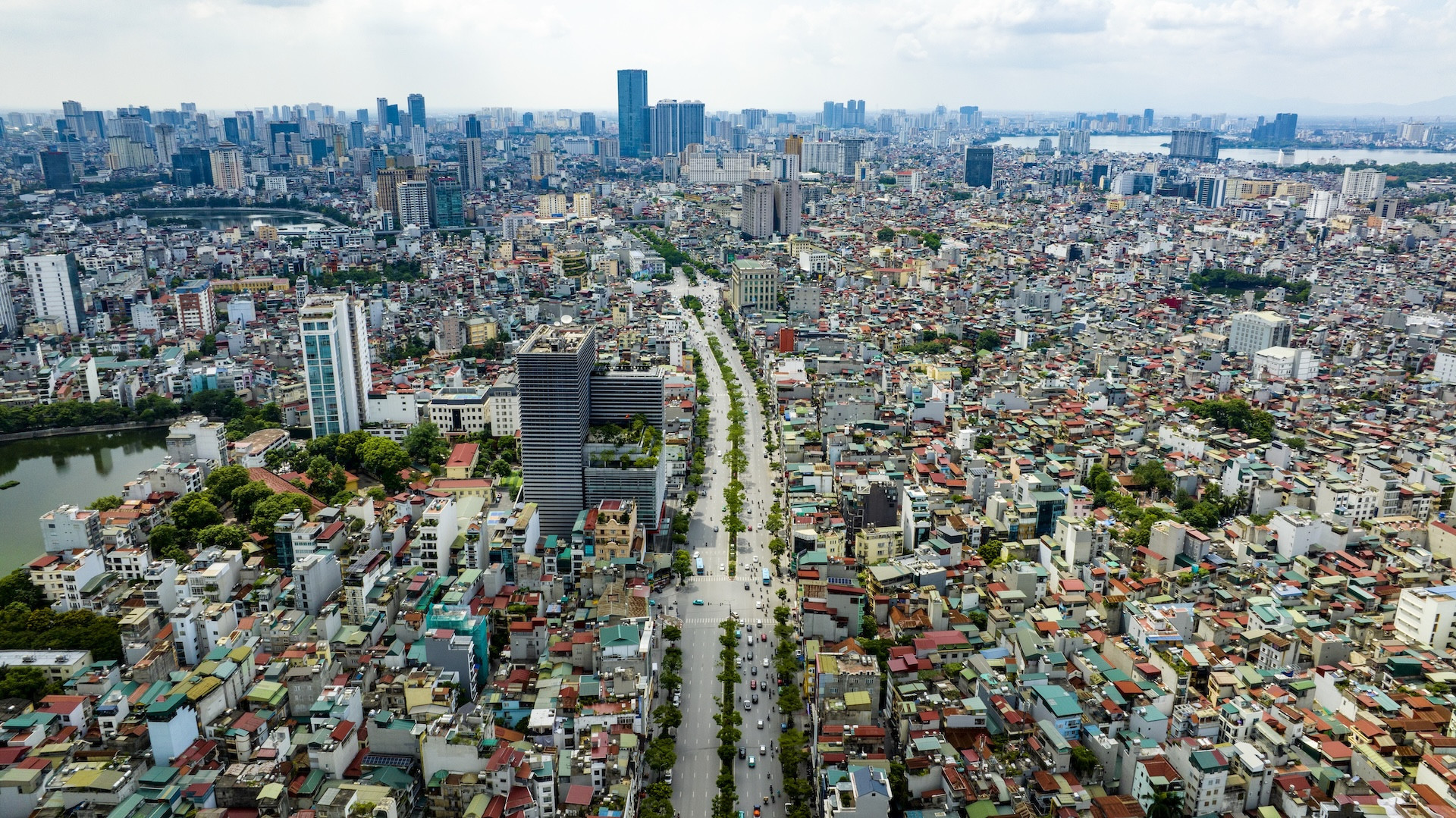
The mindset behind housing management in Vietnam may be beginning to change after Lam noted that we must “ensure everyone has a place to live”. He said that from now until 2030, rental housing must be defined as a “strategic pillar”.
Although more and more houses are being built, those with a real need for housing, especially in urban areas, find themselves further away from the dream of homeownership.
According to the Ministry of Construction, by early 2025, the country had 3,297 real estate projects with 5.9 million housing units. Compared with Vietnam’s roughly 28 million households today, this supply is around 20 percent of the country’s total households.
But, the more projects there are, the further housing drifts away from what ordinary people can afford.
Just a few years ago, apartment prices of VND40–50 million per square meter in Hanoi were already considered high. But now, many new projects have surpassed VND100–120 million per square meter, and in some places “one square meter costs more than a tael of gold”.
Many apartment complexes in Hanoi have doubled in price, and some projects have tripled in just a few years, while most workers’ incomes haven’t risen nearly as fast.
A 70-square-meter apartment in Hanoi can cost VND7–8 billion. For many young people, owning a home is no longer a matter of saving for a few years of work, but increasingly depends on long-term debt or family support.
Many people start their careers feeling like they’re signing a debt contract for nearly half their lives ahead. Many young people in Hanoi now joke that the biggest luxury is an apartment close enough to work that they don’t have to spend hours on the road each day.
The 3 no’s
Some couples with a combined monthly income of tens of millions of VND don’t dare have children because they can’t afford a home. People are starting to worry about the “3-No’s Generation”: no dating, no marriage and no children, as a warning about cost of living and housing in big cities.
For years, housing in Vietnam has gradually become a tool for speculation and asset hoarding. Rising home prices have almost been taken for granted.
Credit has also flowed heavily into real estate. According to a World Bank report, real estate credit in 2025 increased by 42 percent, nearly double the overall credit growth of the system. The sector now accounts for about 25.5 percent of total outstanding loans in the economy.
The market’s scale continues to expand. In 2025 alone, the country broke ground on and inaugurated 564 projects with a total investment of over VND5.14 quadrillion, of which private capital made up nearly 75 percent.
More and more urban areas can be built, but if most young people can’t afford a home, the issues seem to be more about growth quality, population structure, and the viability of the middle class.
House is a ‘place to live in’
The top leader's statement signals that the State is beginning to re-examine the social function of housing.
Importantly, for the first time, rental housing is being placed as a “strategic pillar” rather than just a secondary component of the real estate market.
For many years, the social mindset in Vietnam has taken for granted that everyone must eventually own a home. But given current price levels, making homeownership the sole standard is increasingly detached from reality.
A modern city does not necessarily have to be a place where everyone owns their own apartment, but it must be a place where workers can find stable accommodation at an affordable cost.
Social housing is currently being developed at a much faster pace than before. In the first four months of 2026 alone, construction began on more than 36,000 units nationwide.
However, when placed alongside the 5.9 million units of the entire real estate market, a stark contrast emerges: the total social housing units under construction to date is only about 3–4 percent of the real estate market's supply.
In other words, while Vietnam's real estate market has grown immensely, the portion dedicated to low-income earners remains quite tiny.
Tu Giang
.svg)
