 Vietnamnet.vn

 Podcast



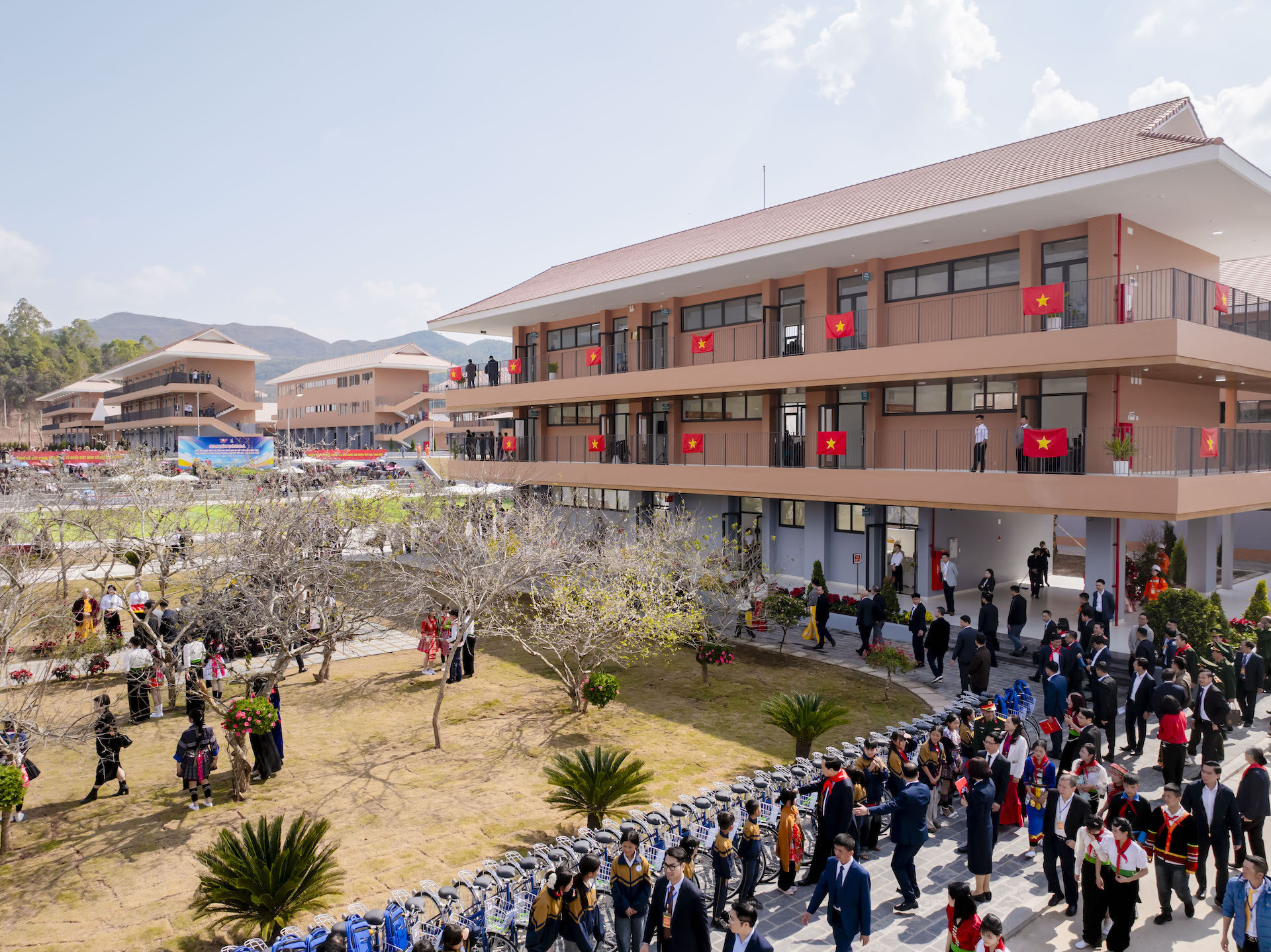
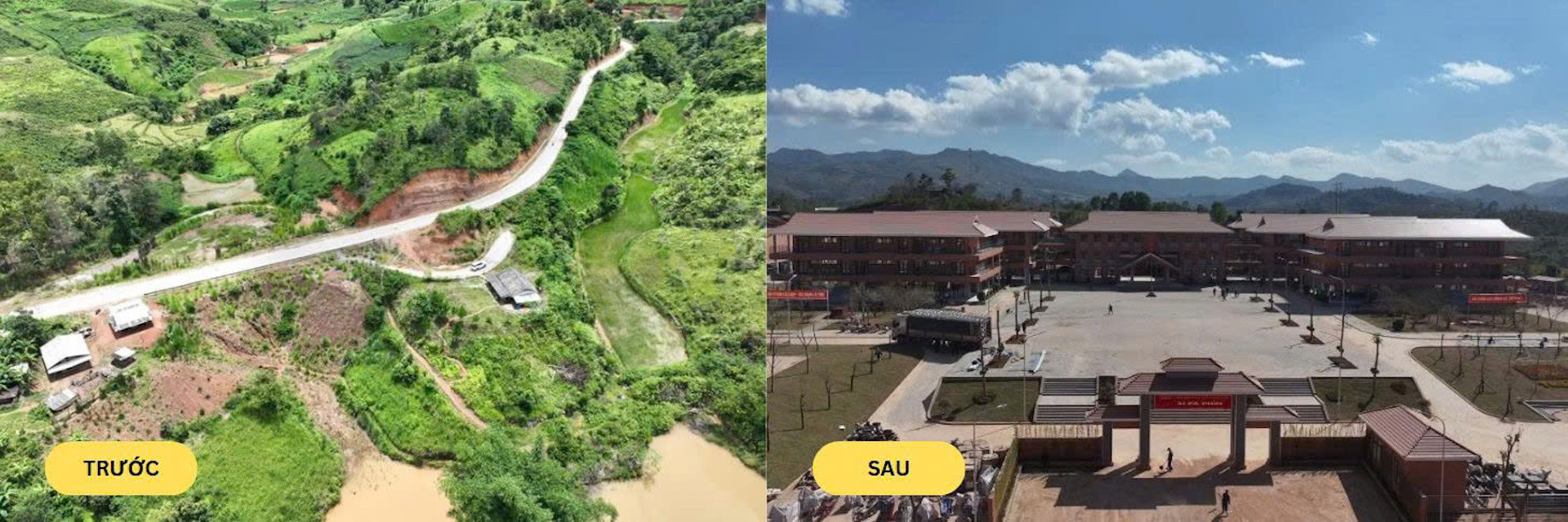
Beyond its modern infrastructure and price tag of over $8.8 million, the school represents something greater: a bold, fast-moving initiative to bring education - and opportunity - to the country’s most isolated border communities.
From the provincial center of Dien Bien, it takes nearly three hours to reach Si Pa Phin via a winding, mountainside road veiled in mist. But at the end of the journey, a modern school complex emerges from the forest - symbolizing a powerful new direction in national policy.
Built in less than 6 months, driven by policy and urgency
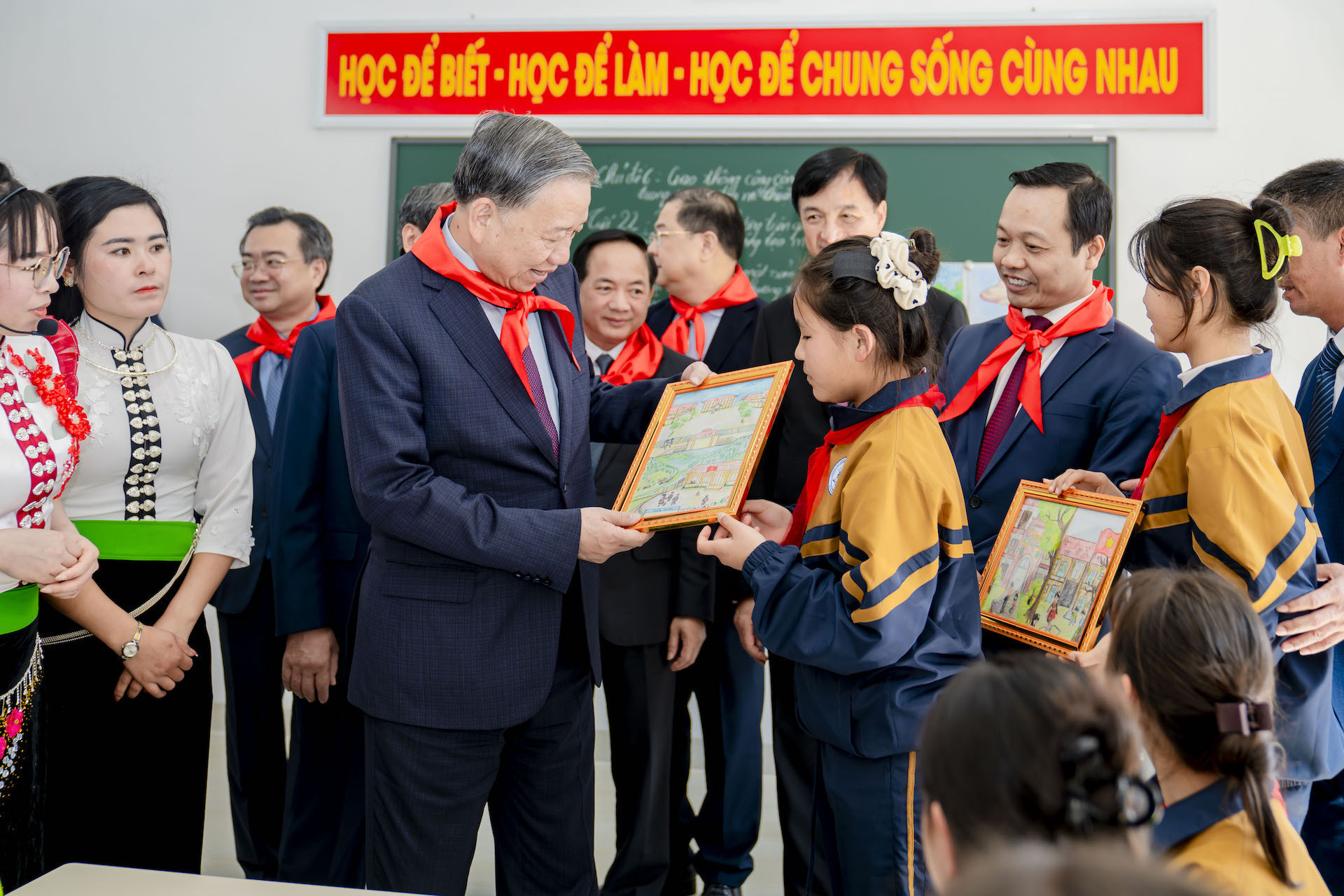
In 2025, the Politburo launched an ambitious plan to build 248 schools in Vietnam’s land-border communes. Dien Bien was chosen to host the first model school - and from groundbreaking to ribbon-cutting, the Si Pa Phin Inter-level Boarding School was completed in just six months.
Speaking at the January 31 inauguration ceremony, General Secretary To Lam emphasized: “Education is a top national policy and the foundation for human development and sustainable growth. Investing in education in border regions is investing in the future of the nation.”
He also made clear that protecting children in frontier areas isn’t just social policy - it’s a strategic move to strengthen national unity and sovereignty from the grassroots.
A dream school for ethnic minority students
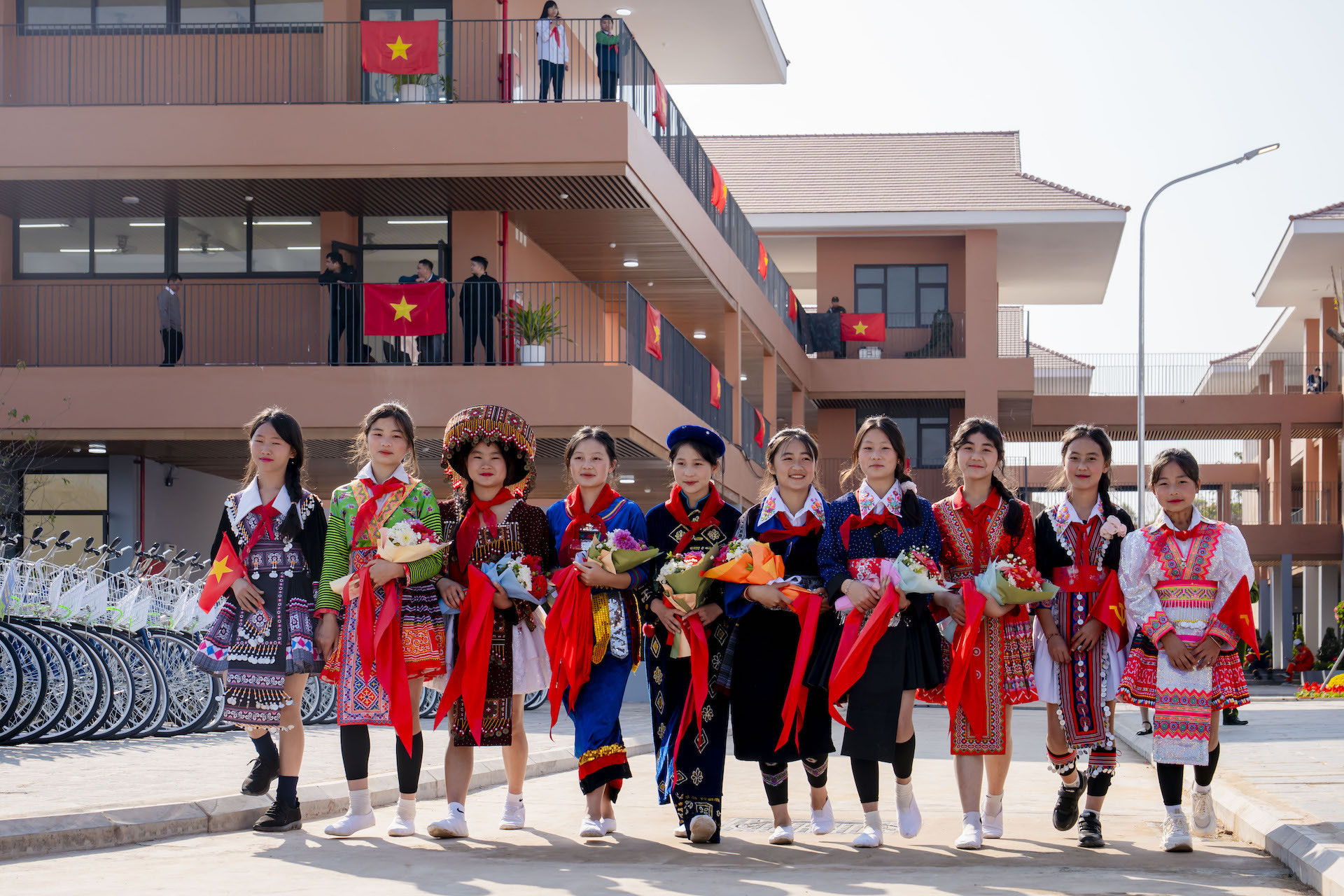
To the children of Si Pa Phin, many of whom come from ethnic minority backgrounds, the new school is more than a campus - it’s a dream come true.
With modern classrooms, well-equipped facilities, and comfortable boarding spaces, students can now learn in dignity and security without leaving their hometown.
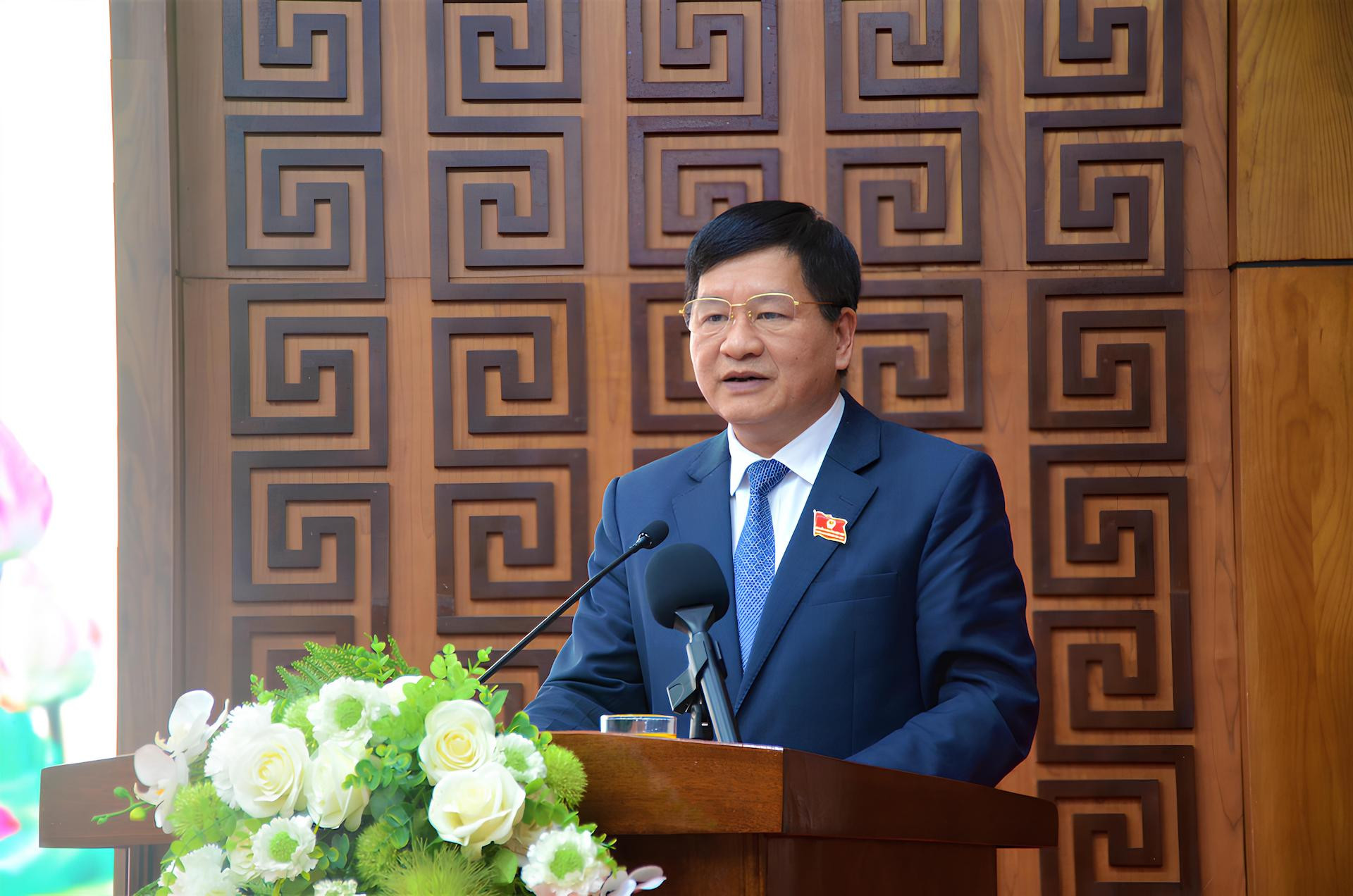
Le Thanh Do, Standing Deputy Secretary and Chairman of the People’s Council of Dien Bien Province, described the pride locals felt at being selected for the nation’s first model school. The project, he said, is tangible proof of the government’s deep concern for disadvantaged children in border areas.
Witnessing the inauguration, he said, “I was truly moved to see our children finally have a beautiful, fully equipped school to learn, grow, and chase their dreams.”
A strategic push for long-term education reform
The school in Si Pa Phin is just the beginning. Dien Bien plans to open 14 more inter-level schools in border communes and overhaul the broader network of early childhood, primary, and ethnic minority schools.
Education is one of the province’s core development pillars for the 2025–2030 term. Leaders are also focused on recruiting and retaining teachers through attractive incentive packages, especially for those committed to long-term service in challenging regions.
The goal is to ensure that every child - regardless of ethnicity, geography, or family income - has equal access to quality education.
Schools as second homes, not just classrooms
For Dien Bien officials, education goes beyond books and buildings. The province is working to make each school a true “second home” - a safe, supportive environment where children can thrive academically, physically, and emotionally.
Plans include smart infrastructure, expanded teacher training, and strong integration of digital technology and AI in classrooms. Investments are also being made in nutrition, health services, and life skills programs to protect students from issues like early marriage and outdated customs.
Educators are encouraged to instill pride in local culture and foster the Dien Bien Phu spirit of resilience. The aim is to raise generations of capable, self-assured young people who will build prosperous futures right on their native soil.
As Le Thanh Do put it, “Our schools must be places of love and safety - where children are not just taught, but cared for and empowered to grow into the best versions of themselves.”
Hien Anh – Thanh Hue
.svg)
