 Vietnamnet.vn

 Podcast



On March 1, Xiaomi notified its partners and customers of a price adjustment across the domestic market, citing mounting pressure from input costs.
According to the company, increases in raw material prices, international logistics costs, exchange rate fluctuations and compliance expenses have all contributed to higher overall production and distribution costs.
As a result, Xiaomi has adjusted prices on selected products in Vietnam, with increases ranging from 4 to 20 percent depending on the model.
Industry sources say the trend is not limited to a single brand.
A representative from The Gioi Di Dong noted that most smartphones launched since the beginning of 2026 have been priced higher than previous generations. Older models from brands such as Samsung and Xiaomi are also expected to see price increases starting April 1.
Memory shortage linked to AI boom
The primary driver behind the price hikes is the surge in component costs, particularly memory.
Global demand for memory chips has soared as technology companies ramp up investment in artificial intelligence infrastructure, especially data centers. This has led to supply shortages and increased component prices, directly affecting smartphone manufacturing costs.
Retailers say they continue to follow manufacturers’ recommended pricing, while introducing financial support measures to ease the burden on consumers.
Programs such as zero-down payment plans and zero-interest installment options are being expanded to help buyers navigate the rising costs.
Retailers adapt to protect demand
At Di Dong Viet, representatives said iPhone models from Apple have already seen price increases since the start of the year, while other brands are expected to follow within the next two to three weeks.
Thanks to quarterly inventory planning, the retailer expects to maintain pre-increase pricing on many products for several more weeks.
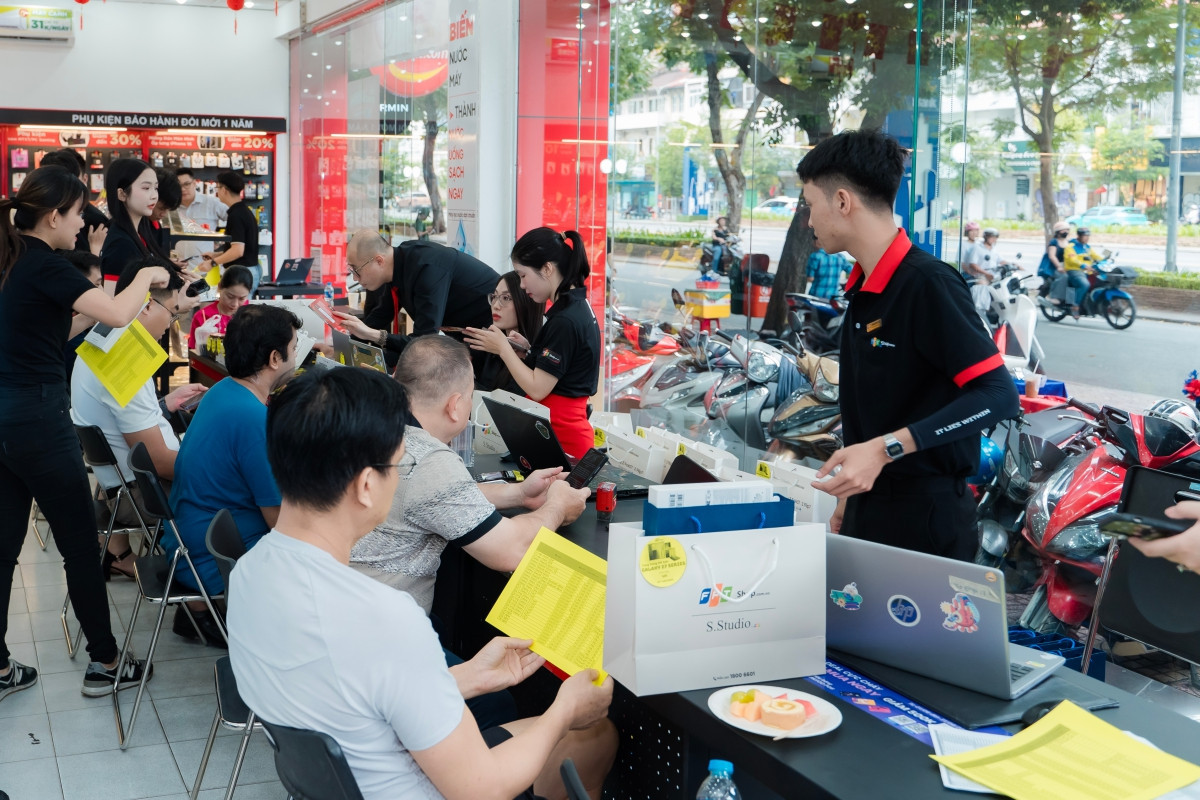
Meanwhile, FPT Shop said rising RAM and storage costs have been a key factor behind recent price adjustments. The chain is working to keep prices as competitive as possible while offering trade-in programs, bundled promotions and flexible installment plans.
Premium segment sees sharper increases
Market observations show that most smartphones have increased in price by around 5 to 10 percent across retail systems.
However, the impact is more pronounced in the premium segment.
The newly launched Oppo Find N6, for instance, is priced at nearly VND65 million (approximately US$2,600), compared to around VND50 million (approximately US$2,000) for previous models - a jump of roughly 30 percent.
As global supply pressures persist, analysts expect smartphone prices in Vietnam to remain elevated in the near term, especially for high-end devices.
Le My
.svg)
