 Vietnamnet.vn

 Podcast



In 2025, Vietnam’s southern university admissions group processed more than 1.59 million applications - the largest scale ever recorded - resulting in a staggering average virtual (duplicate or ineligible) acceptance rate of 172%.
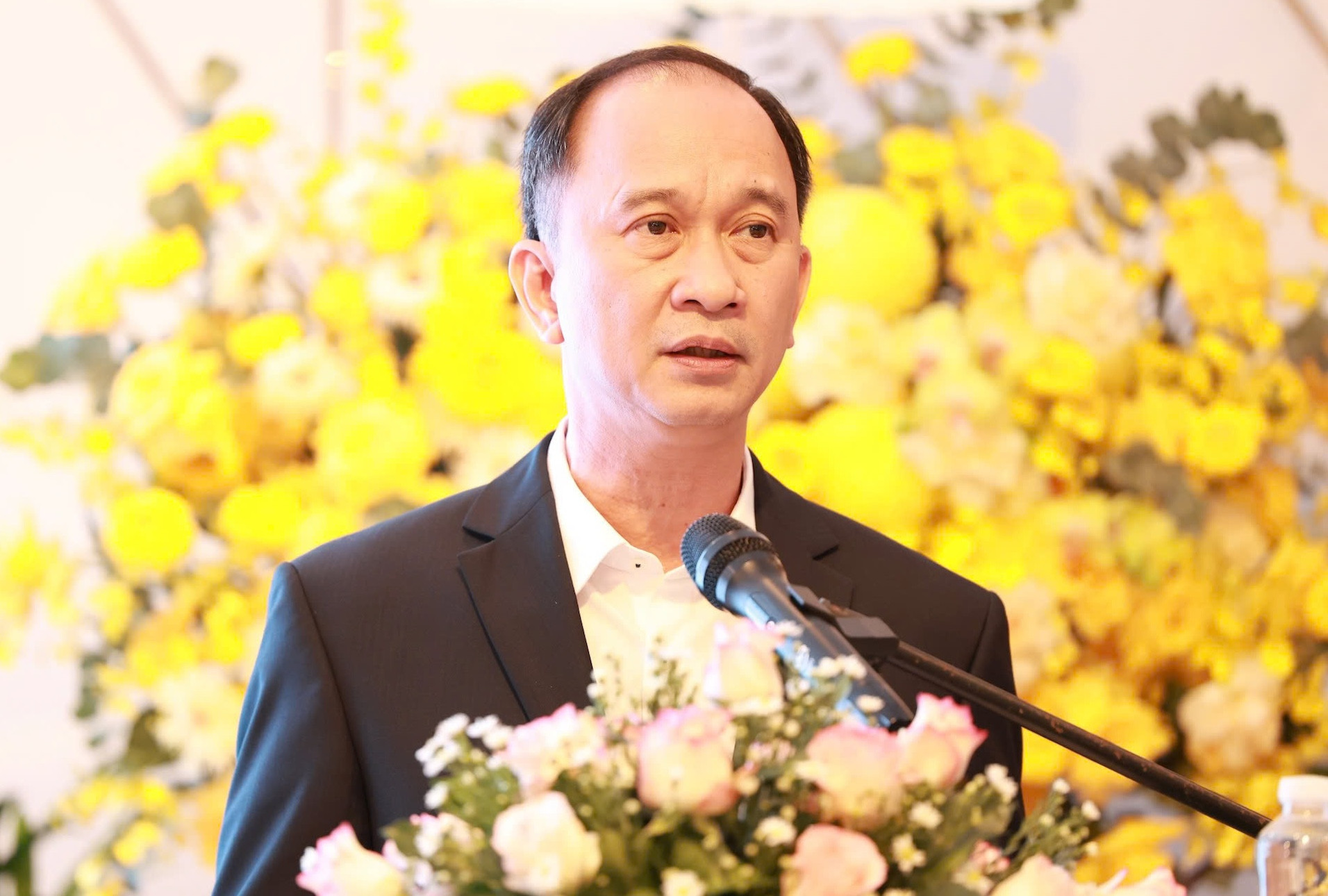
Speaking at the 2025 year-end review of the Southern Admissions Filtering Group and the 2025 competency assessment exams on December 5, Associate Professor Tran Cao Vinh, Deputy Director of Vietnam National University Ho Chi Minh City, noted that this year’s admissions process involved the highest volume of data in history.
Virtual acceptance rate nearly doubles from 2024
Over 15 rounds of admissions filtering, the average number of accepted applicants uploaded to the national system exceeded 890,000 - up 41.27% from 630,000 in 2024. This reflects a notable expansion in both application data and selection capacity.
In 2025, the southern filtering group maintained 87 participating institutions with a combined enrollment target of 301,253 students. After multiple rounds of filtering by the Ministry of Education and Training, the average number of accepted candidates reached 370,000 - equivalent to 123% of the total quota.
The results showed that the average number of virtual applications processed in each filtering round was around 520,000, compared to just 56,000 recorded in the ministry’s central system. This pushed the overall virtual rate for the South to 172.52%, nearly double the 90.16% rate seen in 2024.
These figures reflect the persistently high rate of phantom applications between schools, necessitating multiple filtering rounds to minimize mismatches and errors.
Diverse methods, delayed coordination, high pressure
According to Vietnam National University Ho Chi Minh City, 2025 featured a sharp increase in applications and a more diverse range of selection methods. This led to a higher virtual rate and slower convergence between systems. While adding more filtering rounds was necessary to ensure accuracy, it also increased pressure on both personnel and public communication.
The process still faces several limitations. These include the overwhelming volume of applications, diverse selection criteria, uneven execution capacity across institutions, and time constraints that add complexity and stress.
How the filtering system works
The Southern Admissions Filtering Group consists of universities and academies in southern Vietnam that voluntarily coordinate with one another to conduct joint filtering of student applications via the Ministry of Education and Training’s centralized enrollment platform.
Vietnam National University Ho Chi Minh City serves as the technical coordinator and provides operational support. The group is overseen by a management committee and supported by a technical team and secretariat to facilitate software operations.
Participating schools must submit a written confirmation to the management board and agree to comply with shared principles, regulations, and procedures. All institutions use the centralized application data and related information provided by the Ministry as the primary basis for filtering, while retaining autonomy over their own selection criteria.
The group utilizes the ministry’s filtering software to identify applicants who have already been accepted into higher-preference programs at other member institutions. This helps reduce duplication and enhances the efficiency of admissions decisions.
Each university retains full autonomy and responsibility for determining its own acceptance thresholds and program-specific cut-off scores. The filtering group only coordinates shared data; it does not mandate any specific acceptance rates or thresholds from member schools.
Le Huyen
.svg)
