 Vietnamnet.vn

 Podcast



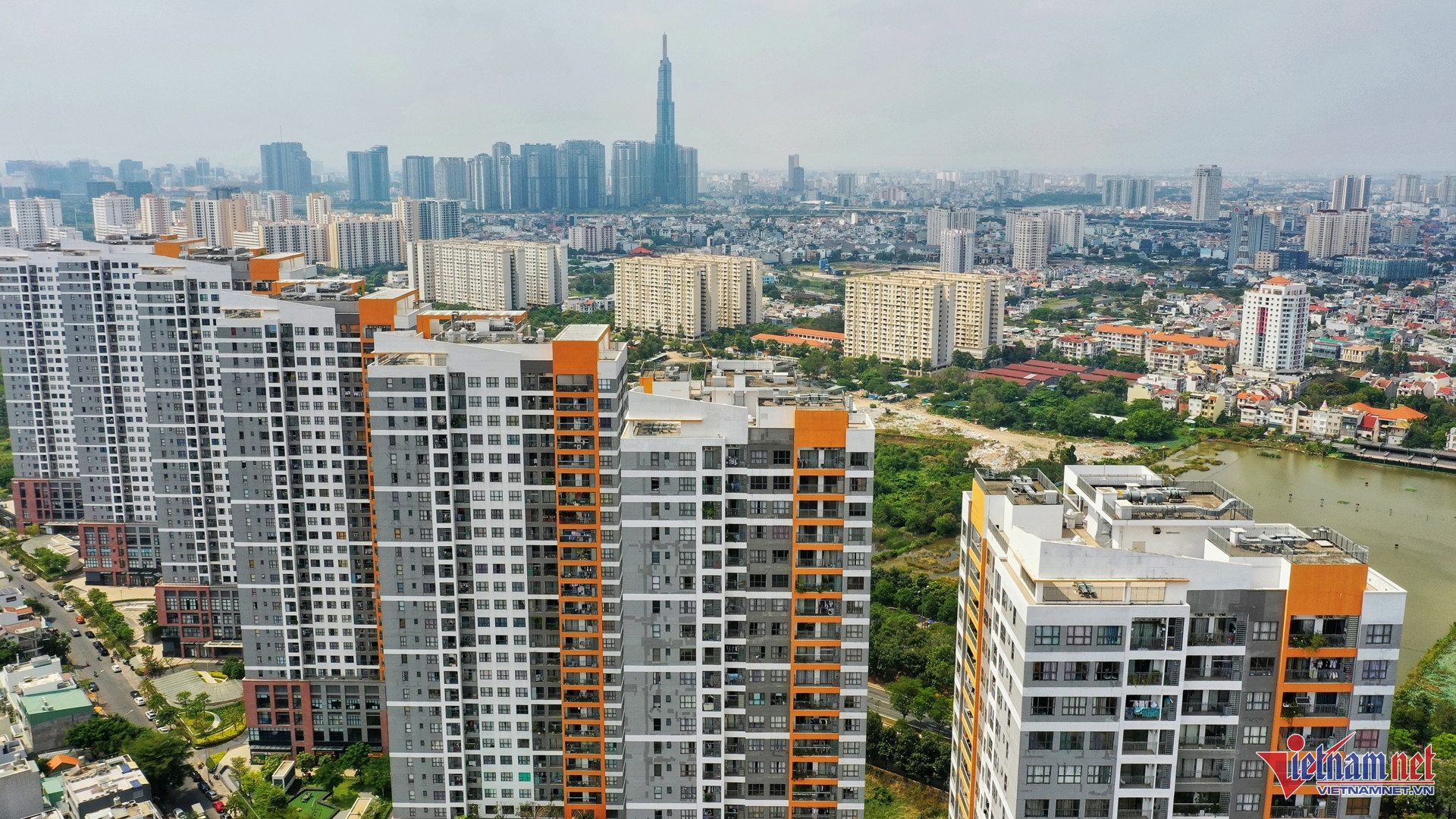
An apartment owner in HCMC recently posted a question in a Facebook group, seeking advice on what to do with an apartment currently being rented out on a short-term basis through Airbnb.
According to the owner, the apartment had been rented out for three years and generated a stable income. However, under new penalties for using condominium apartments for purposes other than those permitted under Decree 339/2026/ND-CP, the owner fears being fined up to VND130 million if the activity continues.
“What should I do now?” the owner asked, prompting numerous responses from the community. Some suggested stopping Airbnb rentals, moving back into the apartment, or switching to a long-term lease to avoid legal risks. Others said the owner should carefully review the regulations and the legal status of the individual project before making a decision.
Vo Hong Thang from DKRA Consulting said Decree 339 will have a clear impact on the short-term apartment rental market in major cities, including HCMC. However, demand for short-term accommodation is expected to remain, while the market could enter a period of supply restructuring.
According to Thang, fines of VND100-130 million for individuals using condominium apartments for purposes other than residential use will significantly increase the legal risks associated with short-term rentals.
In the short term, the supply of Airbnb apartments in residential buildings, particularly projects with a high proportion of units being used for short-term rentals, could decline as some owners switch to monthly or long-term leases.
However, an increase in long-term rental supply does not necessarily mean rents will fall sharply. Short- and long-term rentals differ in terms of tenants, pricing, unit size and length of stay.
Apartments that previously catered mainly to tourists, business travelers or international visitors may need to adjust their prices, furnishings and management practices to attract residential tenants.
Conversely, apartments in convenient locations, with suitable sizes and competitive rents, and located in areas with strong demand from people looking for homes, will be easier to convert to long-term rentals. The impact of Airbnb apartments switching to long-term leases is likely to be localized, rather than across the entire market.
Rents may face pressure
In HCMC, if a significant number of Airbnb apartments switch to long-term rentals, the increase in supply could add competitive pressure on rents. However, Vo Hong Thang said a widespread decline in rents is unlikely. The impact would most likely be concentrated in projects with a high proportion of short-term rental units.
“Areas such as District 1, Binh Thanh, Thao Dien-An Phu, District 4 and District 7, which have many apartments serving international visitors, business travelers and short-term guests, could be more clearly affected. When many owners switch to long-term rentals at the same time, competition among apartments will increase. Owners may have to adjust rents or offer additional incentives to attract tenants,” Thang said.
Nevertheless, according to the DKRA Group expert, areas with strong demand for actual residential housing, close to offices, schools and amenities and with convenient transport links, should still be able to absorb the additional supply. In such cases, rents could remain stable or rise more slowly rather than fall sharply.
The new regulations will also force investors to recalculate the returns from their apartments. Short-term rentals have the advantage of allowing owners to raise prices during peak seasons, but restrictions on this model could alter both rental yields and payback periods.
For apartments with high purchase prices and substantial initial investment costs that depend heavily on short-term rental income, the time needed to recover the investment could lengthen. Conversely, apartments in good locations, with strong demand for residential rentals and easy conversion to long-term leases, will remain attractive to investors.
Thang said properties with high selling prices but low long-term rental returns will face greater pressure to adjust their profit expectations.
In the long term, the market could shift toward greater professionalization. The supply of short-term rental apartments in residential buildings will shrink, while legally permitted accommodation models specifically designed to serve lodging purposes, such as serviced apartments and tourist accommodation establishments, could gain more room to develop.
Anh Phuong
.svg)
